







- Homepage
- What Is Commercial Construction & Its Types
What Is Commercial Construction & Its Types?
Leading provider of construction estimating services
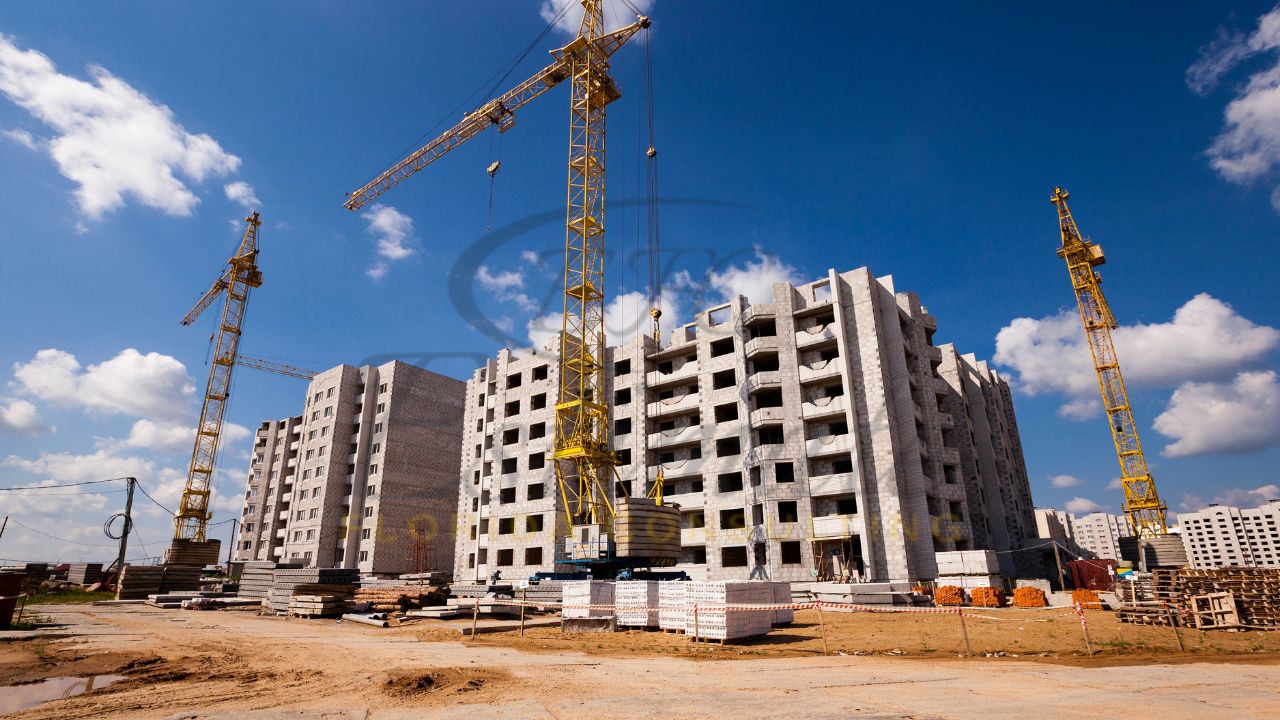
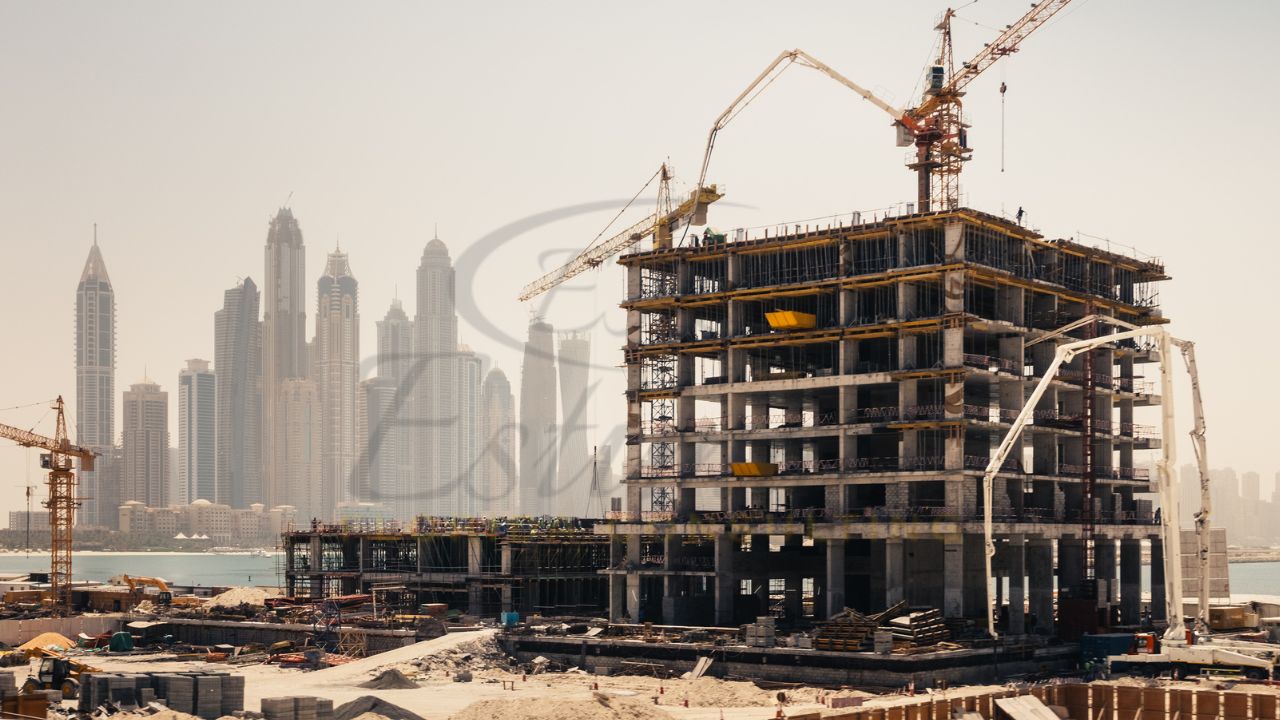
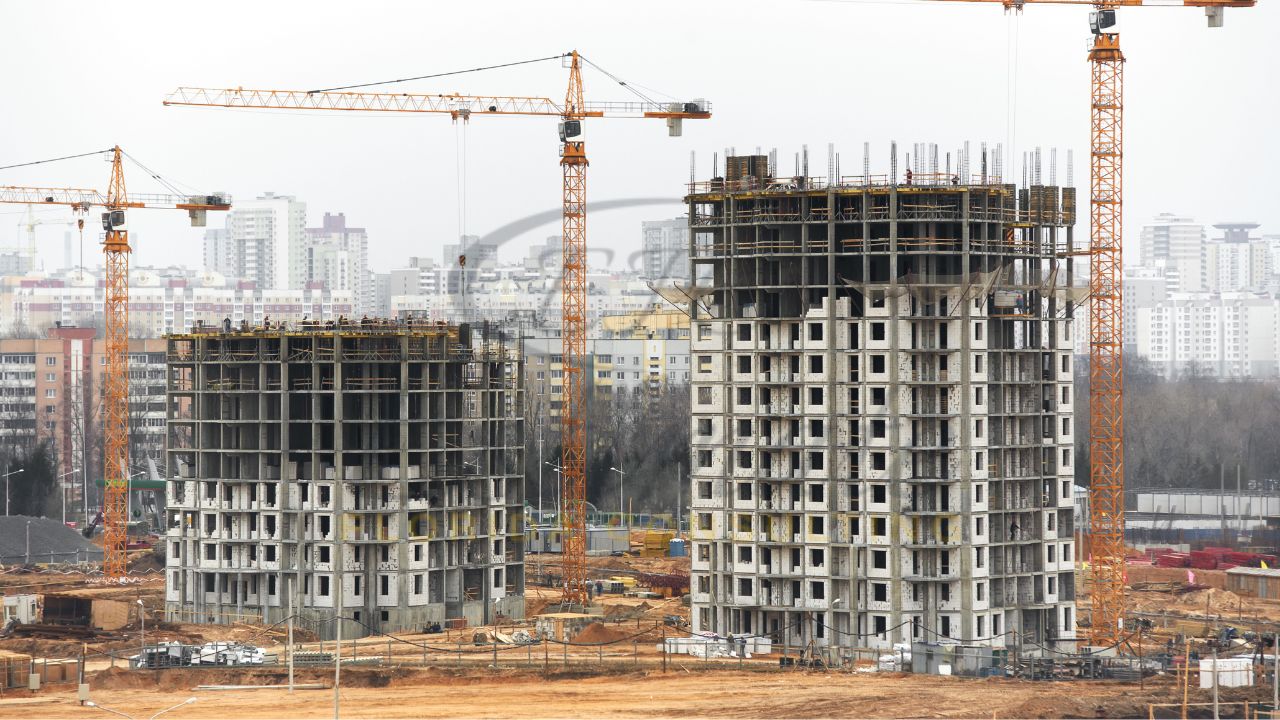
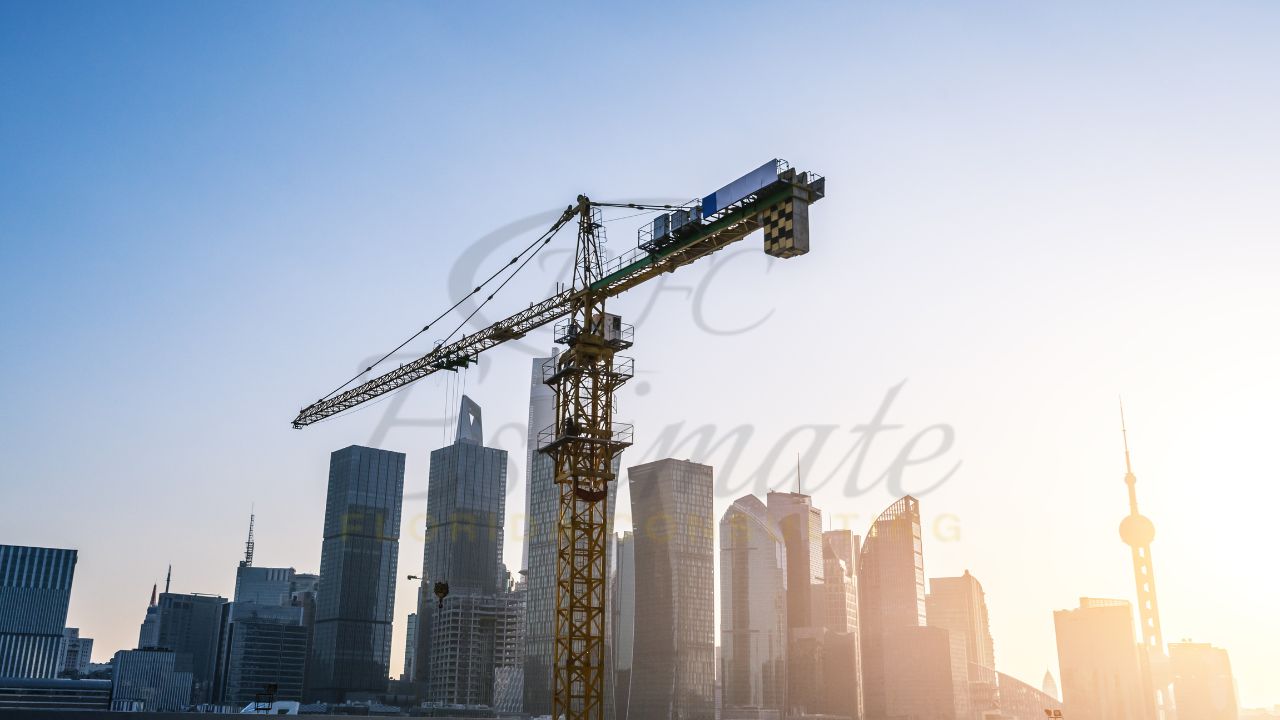
Commercial construction is one of the most vital sectors in the building industry, responsible for shaping the physical spaces where people work, shop, learn, and interact daily. It involves the planning, design, budgeting, and construction of structures used for business and commercial purposes such as offices, retail stores, warehouses, restaurants, and hospitals. Unlike residential projects, commercial construction requires complex coordination between architects, engineers, contractors, and suppliers to ensure the project meets safety standards, accessibility requirements, and energy efficiency codes.
The entire process begins with detailed estimating, project scheduling, and budgeting to ensure cost efficiency and timely delivery.
Every step—from site preparation to finishing—must align with the business’s operational goals and future maintenance needs. In Florida, where construction standards and environmental codes are strict, precise cost estimating plays a key role in project success.
Why Accurate Estimating is Essential for Every Project?
Commercial construction covers a wide variety of projects, each serving different business and functional needs. From small retail spaces to large corporate offices, every type of commercial project demands a specific approach in design, materials, and budgeting. Understanding these types helps contractors, developers, and property owners plan their investments effectively.
Generally, commercial construction projects are divided into five main categories:
- Small-Scale Projects – These include renovations, remodels, and expansions of existing commercial spaces. They are often done for offices, restaurants, or stores to upgrade interiors, improve layout, or install new systems. Such projects usually take a few weeks to months and require precise cost estimation to stay within budget.
- Medium-Scale Projects – Examples include building small offices, retail stores, or standalone restaurants. These projects typically require moderate design planning, structural work, and multiple subcontractors such as electricians, plumbers, and HVAC specialists.
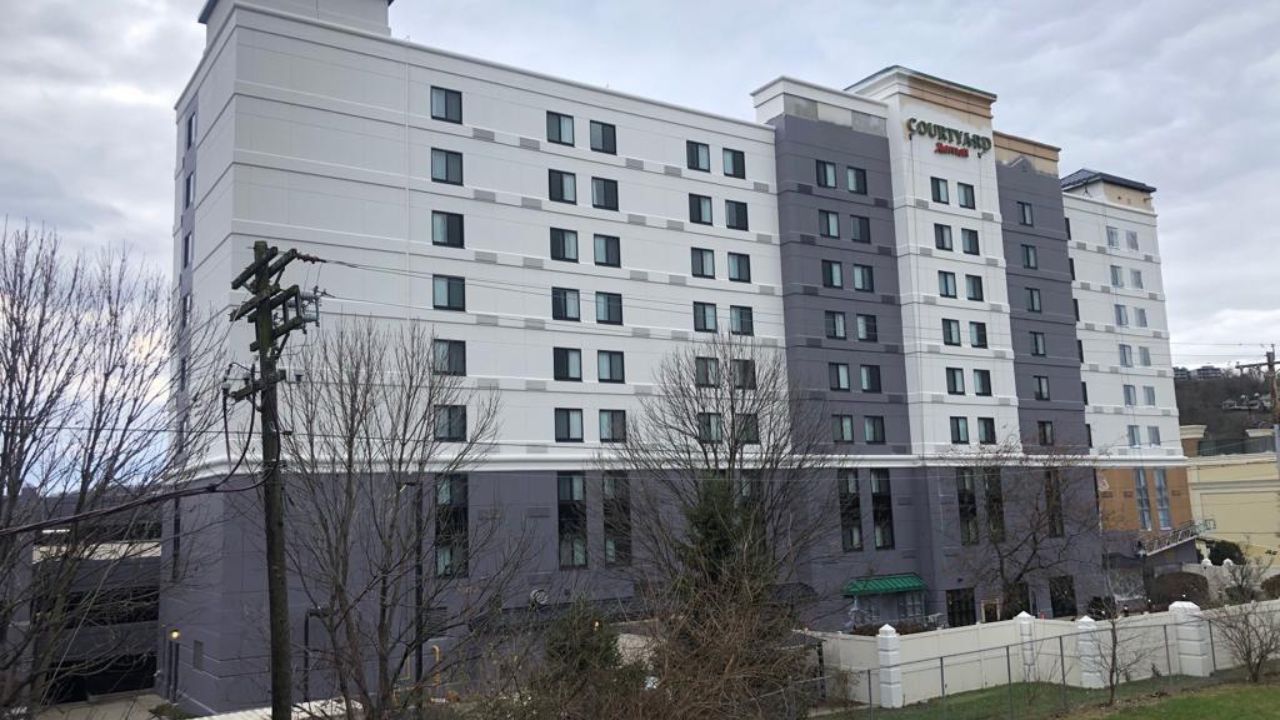
- Large-Scale Projects – These are extensive developments such as shopping malls, hospitals, hotels, and educational campuses. Large-scale construction requires detailed blueprints, advanced machinery, and multiple layers of project management.
- Industrial Construction – This type includes manufacturing plants, warehouses, and distribution centers. It focuses on structural strength, heavy machinery support, and large open spaces suitable for production or logistics.
- Institutional Construction – Schools, universities, government offices, and healthcare centers fall under this category. These projects must meet public safety codes, ADA compliance, and sustainable design standards.
Each of these types requires distinct planning, estimating, and scheduling methods to ensure smooth execution. The complexity and cost vary depending on size, materials, and local regulations, especially in states like Florida where construction codes are stringent due to environmental and weather-related factors.
Key Phases of Commercial Construction
Commercial construction is not just about building a structure — it’s a systematic process that moves through several well-defined phases. Each stage demands careful planning, accurate estimating, and coordination among various professionals to ensure the project’s success. Whether constructing a high-rise office tower or a retail outlet, these steps remain crucial for delivering quality results on time and within budget.
1. Project Planning and Design
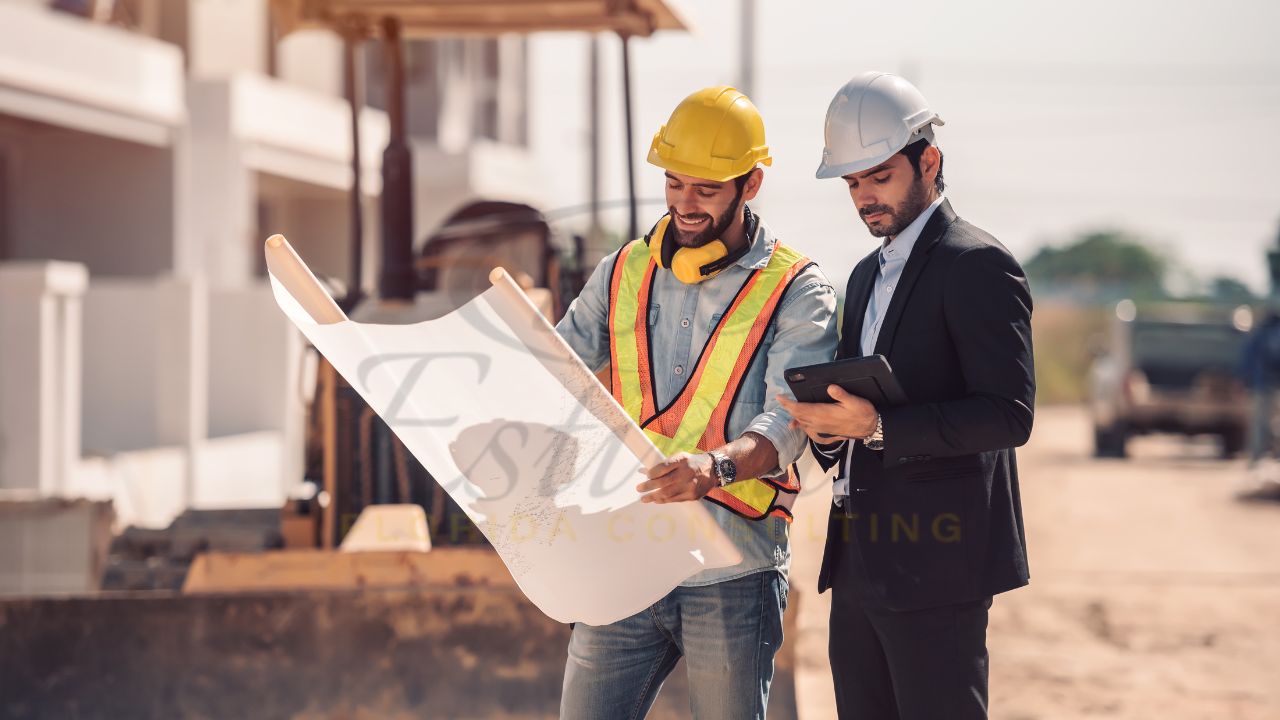
The first phase starts with the conceptualization of the project. This includes defining goals, selecting the site, and preparing initial architectural and engineering drawings. During this stage, estimators prepare a detailed cost estimate, considering materials, labor, permits, and timelines. Accurate estimation at this point helps avoid costly revisions later.
2. Pre-Construction Phase
Once designs are finalized, the project enters the pre-construction phase. Here, contractors, engineers, and project managers conduct site assessments, soil testing, and feasibility studies.
A construction schedule is prepared, subcontractors are hired, and permits are obtained. Every technical detail is planned to ensure a smooth start when construction begins.
3. Procurement Phase
In this stage, materials, equipment, and labor are sourced. Procurement involves negotiating with suppliers, managing purchase orders, and ensuring all items meet quality standards. Since material costs fluctuate, estimators play an essential role in maintaining budget control through cost forecasting and updates.
4. Construction Phase
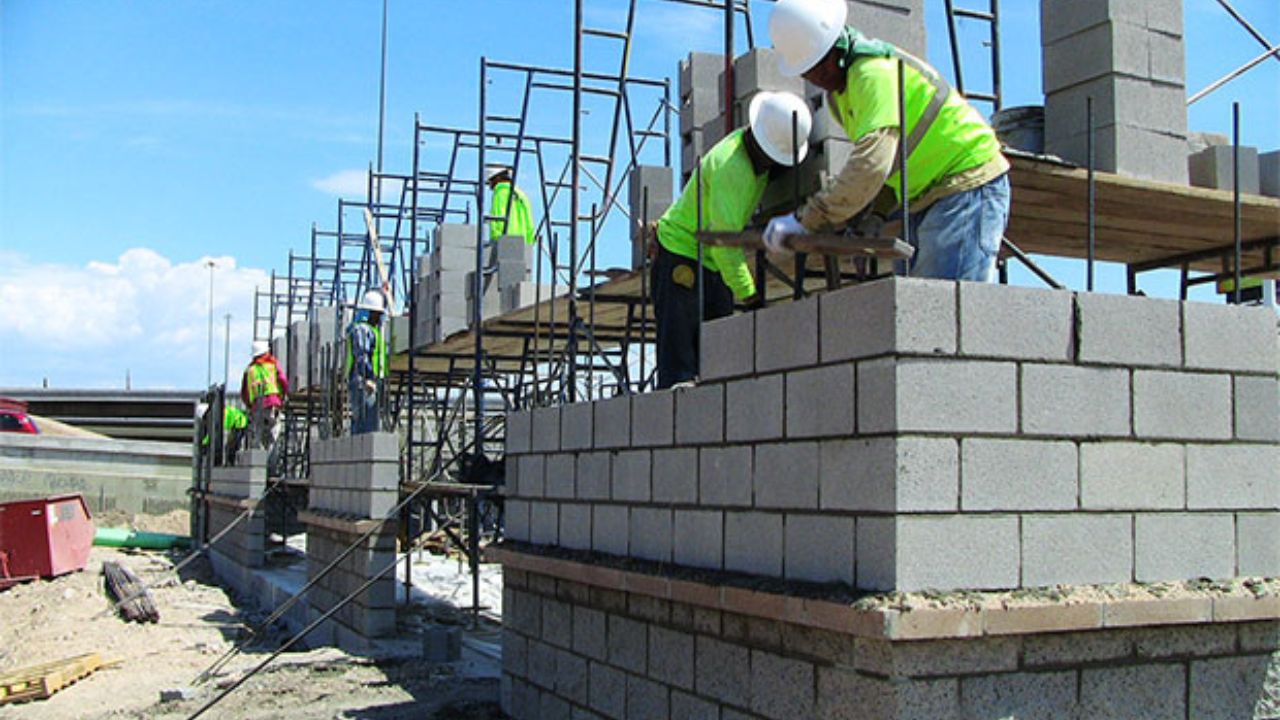
This is the most active and visible stage. It includes excavation, foundation work, framing, electrical and plumbing installation, HVAC setup, roofing, and interior finishing. Proper project supervision and regular quality checks ensure that construction aligns with design specifications, safety codes, and deadlines.
5. Post-Construction and Handover
Once construction is complete, inspections and final testing are conducted. The building is cleaned, systems are tested, and a punch list is created for any remaining fixes. After all approvals, the property is handed over to the client. Documentation, warranties, and maintenance guides are provided for long-term building performance.
Each of these phases depends heavily on professional estimating and cost control to ensure financial success and structural integrity.
Get High-Quality 3D Rendering Services Today!
Transform your space with stunning 3D Rendering that blends style, comfort, and functionality.
We Specialize in Both Residential and Commercial 3D Rendering Projects.
- Luxury Villas
- Apartment Complexes
- Modular Kitchens
- Bathrooms
- Office Buildings
- Shopping Malls
- Hospitals
- Hotels & Resorts
Common Types of Commercial Buildings
Commercial construction projects come in many forms, each built to serve specific business operations. The design, structure, materials, and cost vary significantly depending on the type of building and its intended function. Understanding these categories helps owners and contractors estimate more accurately and select the right construction strategy.
1. Office Buildings
Office buildings are one of the most common types of commercial projects. They can range from small, single-story offices to high-rise corporate towers. Construction for office spaces focuses on structural stability, modern layouts, energy efficiency, and employee comfort. In Florida, the average cost to build a commercial office space ranges between $250 to $500 per square foot, depending on materials and finishes.
2. Retail and Shopping Centers
Retail spaces include standalone stores, strip malls, and large shopping centers. These projects emphasize attractive storefront designs, customer accessibility, and efficient interior layouts. Proper lighting, HVAC systems, and durable flooring are key considerations. Costs typically range from $300 to $600 per square foot, influenced by size, design, and brand requirements.
3. Restaurants and Food Chains
Restaurants require specialized construction, including kitchen ventilation, plumbing, fire suppression systems, and customer dining areas. Fast-food outlets, cafes, and fine-dining establishments each have different space and design needs. The average restaurant construction cost in Florida ranges from $350 to $700 per square foot, depending on the complexity and interior finishes.
4. Warehouses and Industrial Buildings
Warehouses are designed for storage, manufacturing, and logistics. They prioritize open floor areas, high ceilings, loading docks, and durable concrete flooring.
Costs for warehouse construction typically range from $150 to $300 per square foot, depending on insulation, steel framing, and mechanical system requirements.
5. Healthcare and Educational Facilities
Hospitals, clinics, and schools demand highly specialized construction with strict safety and regulatory standards. HVAC, plumbing, and electrical systems must meet health and safety codes. These projects are more expensive, ranging from $400 to $800 per square foot, depending on technology integration and structural complexity.
Each building type has unique requirements that directly impact design choices, construction timelines, and overall project costs. Detailed estimation and early planning are crucial to managing budgets and meeting deadlines efficiently.
Cost Factors in Commercial Construction
The cost of commercial construction varies widely depending on several key factors. From project size and location to material selection and labor availability, every element influences the final budget. Understanding these cost drivers helps contractors and property owners make smarter financial decisions and plan realistic project estimates.
1. Project Size and Complexity
The overall size and design complexity of the building have the biggest impact on cost. A small retail shop or single-story office will have lower construction expenses compared to a multi-story commercial tower or industrial plant. Complex structures require advanced engineering, specialized materials, and longer construction timelines — all of which increase overall spending.
2. Material Selection
The type and quality of materials used play a major role in the total cost. High-end materials like granite flooring, custom glass facades, or steel framing raise expenses but improve durability and aesthetics. Conversely, cost-effective materials such as vinyl flooring or prefabricated panels can reduce costs while maintaining efficiency. Material pricing also fluctuates based on market demand and transportation costs, which are especially relevant in areas like Florida where logistics and climate considerations matter.
3. Labor and Subcontractor Costs
Labor costs form a significant portion of commercial construction budgets. Skilled workers like electricians, plumbers, HVAC installers, and finish carpenters are essential for high-quality results. Shortage of skilled labor can drive wages up, especially during peak construction seasons. Coordinating subcontractors efficiently helps control timelines and costs.
4. Location and Site Conditions
Where the project is built directly affects its budget. Urban sites often have higher permit fees, land costs, and logistical challenges, while rural areas may face higher transportation costs. In Florida, site conditions such as soil type, flood zones, and hurricane resistance requirements can significantly increase construction expenses.
Want to Start Your Project with the Best Contractors?
Let’s Take Your Projects to the Next Level.
& What's you will get:
- Connecting You to Top Local Contractors
- Professional Consulting, Contractors Near You
- From Expert Advice to Local Contractor Connections
Contact Now
Let's discuss with a cup of coffee
5. Building Systems and Technology
Modern commercial buildings often include advanced systems like smart lighting, automated HVAC controls, and security surveillance. These add functionality and energy efficiency but increase initial construction costs. However, such systems often reduce long-term operational expenses, making them a worthwhile investment.
6. Permits, Codes, and Inspections
Every commercial project must comply with local building codes, zoning laws, and environmental regulations. Permit fees, safety inspections, and code compliance add to the overall cost. Accurate estimating ensures these regulatory expenses are included early in the budgeting process.
Commercial Construction Cost Breakdown (Per Square Foot Pricing)
Understanding the cost breakdown of a commercial construction project helps developers, contractors, and property owners manage budgets efficiently. Costs are typically calculated per square foot, varying by project type, materials, and complexity. Below is a detailed table showing average commercial construction costs in Florida (2025 estimates) — all figures are approximate and may vary depending on design and market conditions.
Type of Commercial Building | Low-End Cost ($/Sq.Ft.) | High-End Cost ($/Sq.Ft.) | Average Cost Range ($/Sq.Ft.) | Description |
Office Buildings | $250 | $500 | $300–$450 | Includes small offices to multi-story towers, with standard finishes and energy-efficient systems. |
Retail Stores / Shopping Centers | $300 | $600 | $350–$550 | Includes storefronts, showrooms, and malls with glass facades and HVAC systems. |
Restaurants / Food Outlets | $350 | $700 | $400–$600 | Requires plumbing, ventilation, kitchen setup, and fire protection systems. |
Warehouses / Industrial Buildings | $150 | $300 | $200–$275 | Built with steel frames, concrete floors, and wide-span roofing for logistics use. |
Healthcare Facilities | $400 | $800 | $500–$700 | Involves medical-grade systems, safety codes, and specialized construction. |
Educational Buildings | $350 | $700 | $450–$600 | Includes classrooms, labs, and administration areas built to public standards. |
Hotels / Hospitality Buildings | $400 | $900 | $500–$800 | Includes guest rooms, kitchens, conference areas, and luxury finishes. |
Mixed-Use Commercial Buildings | $450 | $950 | $550–$850 | Combines retail, office, and residential components with advanced design. |
Each project includes key cost elements such as foundation, framing, MEP (Mechanical, Electrical, and Plumbing), roofing, finishes, and site preparation. Labor and permitting can account for an additional 25%–30% of total expenses.
Commercial construction cost estimating is a crucial part of the pre-construction phase. By analyzing each trade’s cost and adjusting for inflation, location, and material trends, estimators ensure the project remains financially viable.
Major Components of Commercial Construction Costs
Every commercial building consists of multiple systems and components that work together to create a functional, durable, and safe structure. Each of these components adds a different cost layer to the project. Below is a breakdown of the main cost components involved in commercial construction and how they contribute to the overall budget.
1. Site Work and Foundation
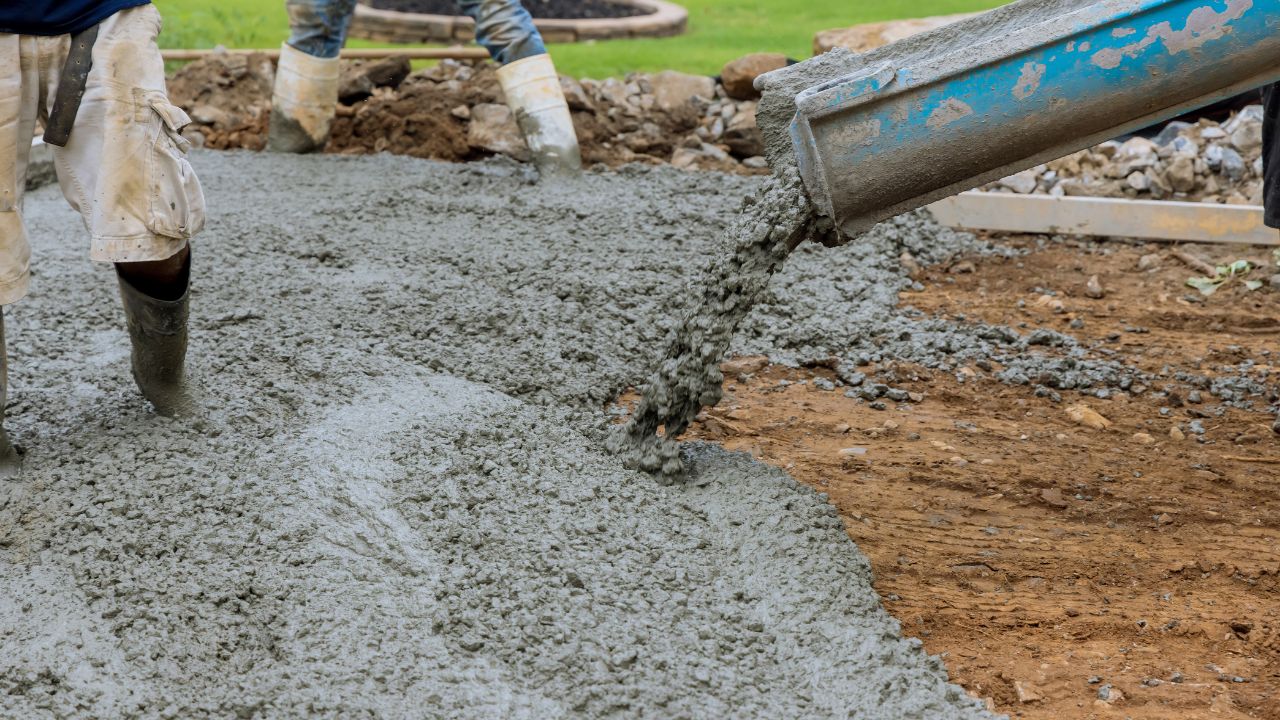
This phase includes land clearing, grading, excavation, and laying the foundation. In Florida, due to soil and flood conditions, foundation work must often be reinforced with concrete footings and drainage systems.
Component | Average Cost per Sq.Ft. | Description |
Site Preparation | $5 – $15 | Includes land clearing, grading, and soil stabilization. |
Excavation & Foundation | $15 – $35 | Covers concrete pouring, reinforcement, and waterproofing. |
A strong and stable foundation ensures the building’s structural integrity and longevity, making it one of the most important investments.
2. Structural Framing
Framing forms the building’s skeleton and supports its load. Commercial framing uses materials like structural steel, concrete, or prefabricated components.
Material Type | Average Cost per Sq.Ft. | Notes |
Steel Frame | $20 – $45 | Durable, ideal for high-rise buildings. |
Concrete Frame | $25 – $50 | Common for mid-rise and industrial structures. |
Wood Frame (Light Commercial) | $15 – $30 | Used in small offices and retail shops. |
3. Roofing Systems
Commercial roofs vary widely based on building type, design, and climate. Florida’s weather demands strong, wind-resistant roofing materials.
Roof Type | Average Cost per Sq.Ft. | Details |
Flat Roof (TPO, EPDM, PVC) | $8 – $15 | Common in warehouses and offices. |
Metal Roofing | $12 – $25 | Durable and energy efficient. |
Built-Up Roofing | $10 – $20 | Multi-layered system for high durability. |
4. Interior Finishes
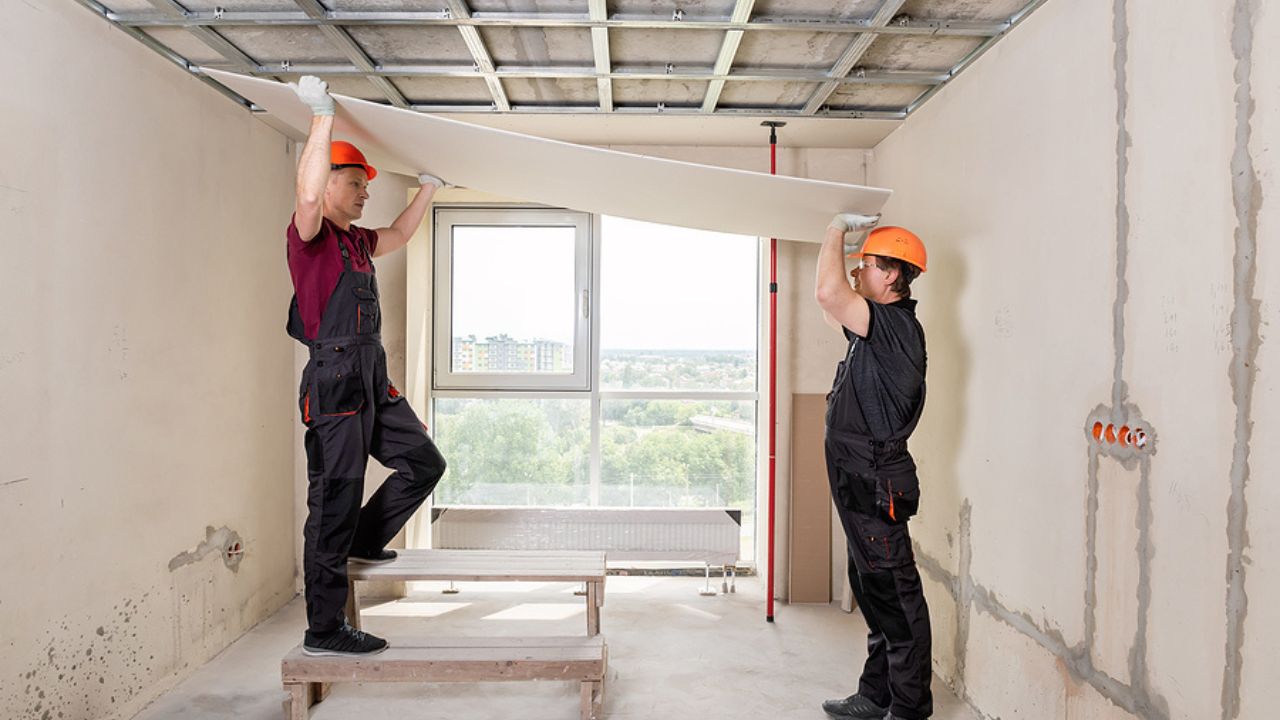
Interior finishes influence both aesthetics and comfort. These include drywall, flooring, ceiling, painting, and furnishings.
Finish Type | Average Cost per Sq.Ft. | Details |
Drywall & Painting | $10 – $20 | Wall partitions, surface finishing, and coatings. |
Flooring (Vinyl, Tile, Carpet, etc.) | $8 – $25 | Varies based on material type and design. |
Ceiling Systems | $5 – $15 | Includes acoustic or drop ceilings for offices. |
90% More Chances to Win Bids with Our Estimate!
5. Mechanical, Electrical, and Plumbing (MEP)
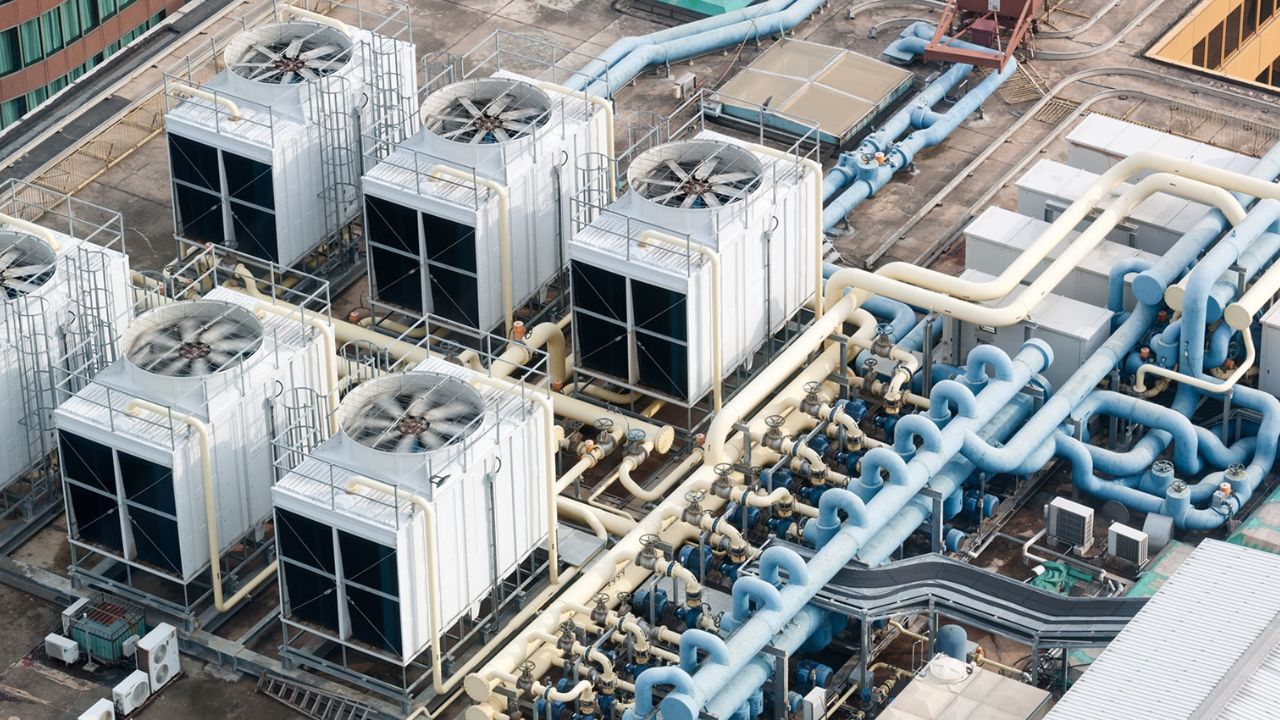
MEP systems form the building’s operational core. These systems ensure ventilation, lighting, power, and water supply — essential for daily functionality.
System | Average Cost per Sq.Ft. | Description |
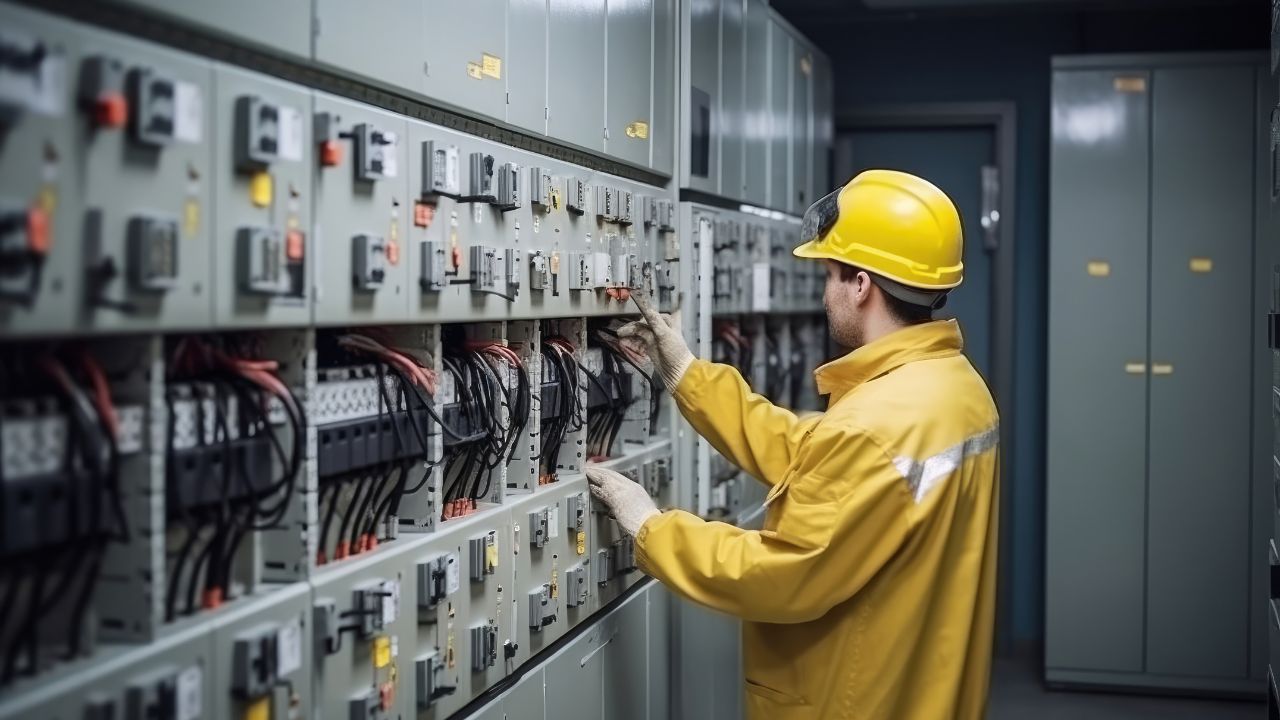
Electrical Systems | $15 – $35 | Includes wiring, lighting, panels, and outlets. |
Plumbing Systems | $10 – $25 | Covers water supply, drainage, and fixtures. |
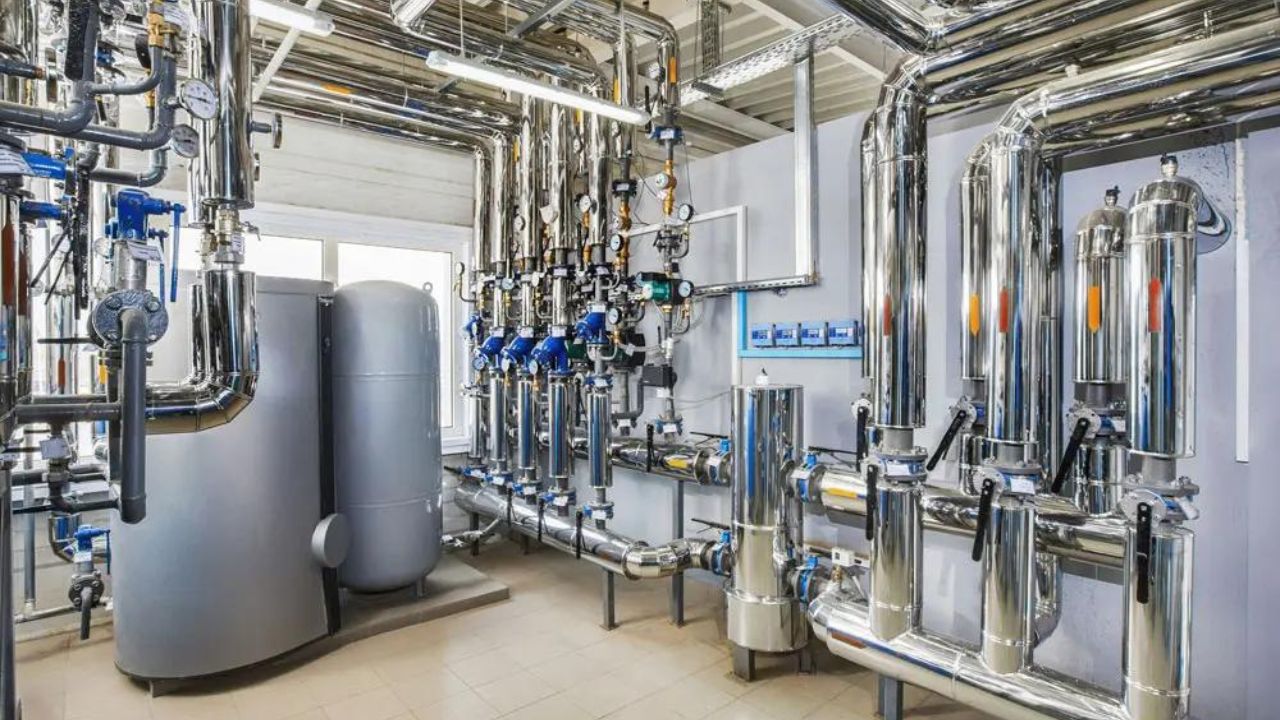
HVAC Systems | $20 – $40 | Heating, ventilation, and air conditioning systems. |
6. Exterior Work and Landscaping
The exterior environment enhances visual appeal and accessibility.
Work Type | Average Cost per Sq.Ft. | Details |
Parking Lot & Pavement | $8 – $20 | Includes asphalt, striping, and curbs. |
Landscaping & Lighting | $5 – $15 | Grass, plants, lighting, and walkways. |
Each of these cost components must be accurately estimated during the pre-construction phase to ensure the project remains within budget. Professional estimators analyze every trade and system to create a detailed cost breakdown for smarter decision-making.
Benefits of Commercial Construction
Commercial construction goes far beyond creating new spaces—it builds the foundation for business growth, economic development, and community transformation. Whether it’s a retail complex, an office building, or a healthcare facility, each project contributes significantly to both the client’s success and the broader local economy. Below are the major benefits that make commercial construction a vital industry.
1. Economic Growth and Job Creation
Commercial construction projects generate extensive employment opportunities across multiple sectors—engineering, architecture, contracting, materials supply, and skilled trades. Every new building also boosts nearby businesses, from equipment rentals to local suppliers. In Florida, where construction remains one of the top economic drivers, the industry fuels steady regional growth and infrastructure expansion.
2. Enhanced Business Functionality
A well-designed commercial building enhances operational efficiency. From improved workspace layouts to energy-efficient systems, businesses gain better productivity and customer experience. For example, offices built with optimized lighting, ventilation, and ergonomic designs support higher employee morale and reduced energy consumption.
3. Long-Term Investment Value
Commercial properties hold strong long-term value. With proper planning and construction quality, they provide excellent returns through rental income, appreciation, or resale potential. Developers and investors view commercial projects as reliable assets that increase in value over time due to high demand for business spaces.
4. Sustainability and Energy Efficiency
Modern commercial buildings are designed to meet environmental and energy standards. Using green materials, solar systems, efficient HVAC setups, and smart building technologies reduces energy costs and minimizes environmental impact. Florida’s climate makes sustainability even more important—eco-conscious construction lowers maintenance costs and improves long-term performance.
5. Improved Community Infrastructure
Commercial buildings enhance the look and functionality of urban and suburban areas.
New retail centers, schools, and healthcare facilities bring convenience and accessibility to residents while attracting further business development. Every project adds value not only to the property owner but also to the community it serves.
6. Advanced Safety and Durability
Today’s commercial construction standards prioritize safety, structural strength, and resilience. Especially in hurricane-prone regions like Florida, buildings are designed to withstand severe weather while ensuring occupant safety. Advanced materials and strict compliance with building codes guarantee durability for decades.
Commercial construction is therefore not just about building physical structures — it’s about creating opportunities, driving innovation, and improving quality of life across the region.
Challenges in Commercial Construction Projects
While commercial construction offers tremendous opportunities for growth, it also comes with complex challenges that require careful management and precise planning. These projects are larger, more technical, and often involve multiple stakeholders. Understanding these challenges helps in creating realistic budgets, efficient timelines, and successful outcomes for every commercial project.
1. Budget Constraints and Cost Overruns
Managing costs is one of the biggest challenges in commercial construction. Fluctuating material prices, unexpected design changes, or delays can quickly push a project beyond the planned budget. For instance, rising prices of steel, concrete, and energy-efficient materials directly impact the total construction cost. Proper estimating and takeoff services play a crucial role in maintaining financial control and preventing overspending.
2. Labor Shortages and Skilled Workforce
Finding skilled labor has become a growing concern in Florida’s construction industry. With high demand for commercial development, contractors often struggle to find experienced electricians, masons, plumbers, and structural workers. Labor shortages lead to extended project timelines and sometimes compromise on workmanship quality if not managed efficiently.
3. Regulatory Compliance and Permitting
Commercial projects must follow a wide range of regulations, including building codes, zoning laws, safety requirements, and environmental standards. Obtaining multiple permits for plumbing, electrical, or mechanical work can take time and delay project progress. Staying compliant with Florida’s building regulations is essential to avoid penalties and ensure the project meets all safety and structural standards.
4. Supply Chain Disruptions
Delays in material delivery can affect construction schedules and increase costs. Factors like shipping delays, weather conditions, or manufacturing shortages impact the availability of key construction materials such as steel, insulation, and glass. Project managers must plan in advance and coordinate with multiple suppliers to maintain steady progress.
90% More Chances to Win Bids with Our Estimate!
5. Design and Coordination Challenges
In large-scale commercial projects, coordination among architects, engineers, contractors, and suppliers is critical. Miscommunication or errors in design drawings can result in costly rework or project delays. Adopting digital project management tools and BIM (Building Information Modeling) helps ensure all professionals stay aligned throughout the construction process.
6. Weather-Related Risks
Florida’s weather conditions, especially hurricanes and heavy rainfall, can cause significant construction delays and even damage materials or structures. Proper weather forecasting, material protection, and contingency planning are essential to minimize downtime and protect project investments.
7. Safety and Risk Management
Safety is a top priority in commercial construction. With heavy machinery, electrical systems, and elevated work zones, maintaining strict safety protocols is mandatory. Proper worker training, regular inspections, and compliance with OSHA standards help reduce risks and ensure a secure construction environment.
Commercial construction professionals overcome these challenges through effective planning, accurate cost estimation, advanced technologies, and experienced project supervision. By addressing these obstacles early, projects stay on track, within budget, and deliver the high-quality results expected by developers and clients.
Frequently Asked Question
Commercial construction involves designing, planning, and building structures used for business purposes such as offices, shopping centers, restaurants, warehouses, and hospitals. It focuses on creating functional, safe, and efficient spaces for commercial operations.
The major types include small-scale renovations, medium-scale buildings (like offices or retail stores), large-scale developments (such as malls or hospitals), industrial facilities, and institutional buildings like schools and government offices.
Commercial construction costs in Florida typically range from $150 to $900 per square foot, depending on the type of building, materials, design complexity, and location. For accurate estimates, call 561-530-2845.
The main phases include planning and design, pre-construction, procurement, construction, and post-construction. Each phase requires coordination between architects, engineers, and contractors to ensure timely delivery and quality.
Accurate estimating prevents cost overruns, ensures budget control, and helps with material planning, scheduling, and supplier coordination — critical for success in Florida’s regulated construction market.
Comprehensive Trade-Specific Estimates
At Estimate Florida Consulting, we offer detailed cost estimates across all major trades, ensuring no part of your project is overlooked. From the foundation to the finishing touches, our trade-specific estimates provide you with a complete and accurate breakdown of costs for any type of construction project.
Our Simple Process to Get Your Estimate
Upload Plans
Submit your project plans, blueprints, or relevant documents through our online form or via email.
Receive Quotation
We’ll review your project details and send you a quote based on your scope and requirements.
Confirmation
Confirm the details and finalize any adjustments to ensure the estimate meets your project needs.
Get Estimate
Receive your detailed, trade-specific estimate within 1-2 business days, ready for your project execution.
Our Clients & Partners
We pride ourselves on building strong, lasting relationships with our clients and partners across the construction industry.
What Our Clients Say?
We take pride in delivering accurate, timely, and reliable estimates that help contractors and builders win more projects. Our clients consistently praise our attention to detail, fast turnaround times, and the positive impact our estimates have on their businesses.
Estimate Florida Consulting has helped us win more bids with their fast and accurate estimates. We trust them for every project!