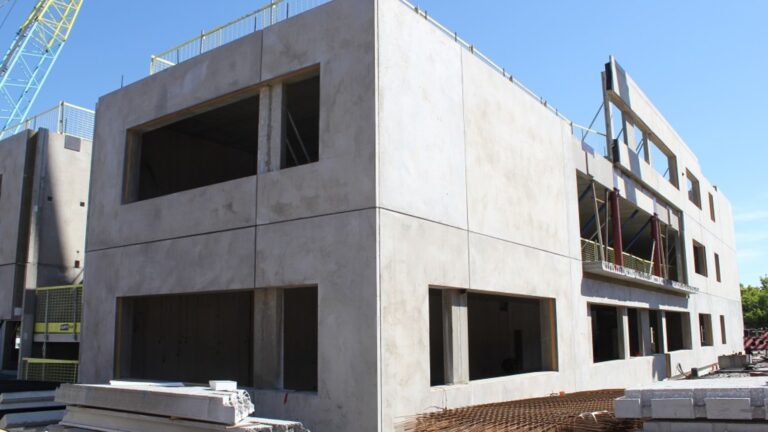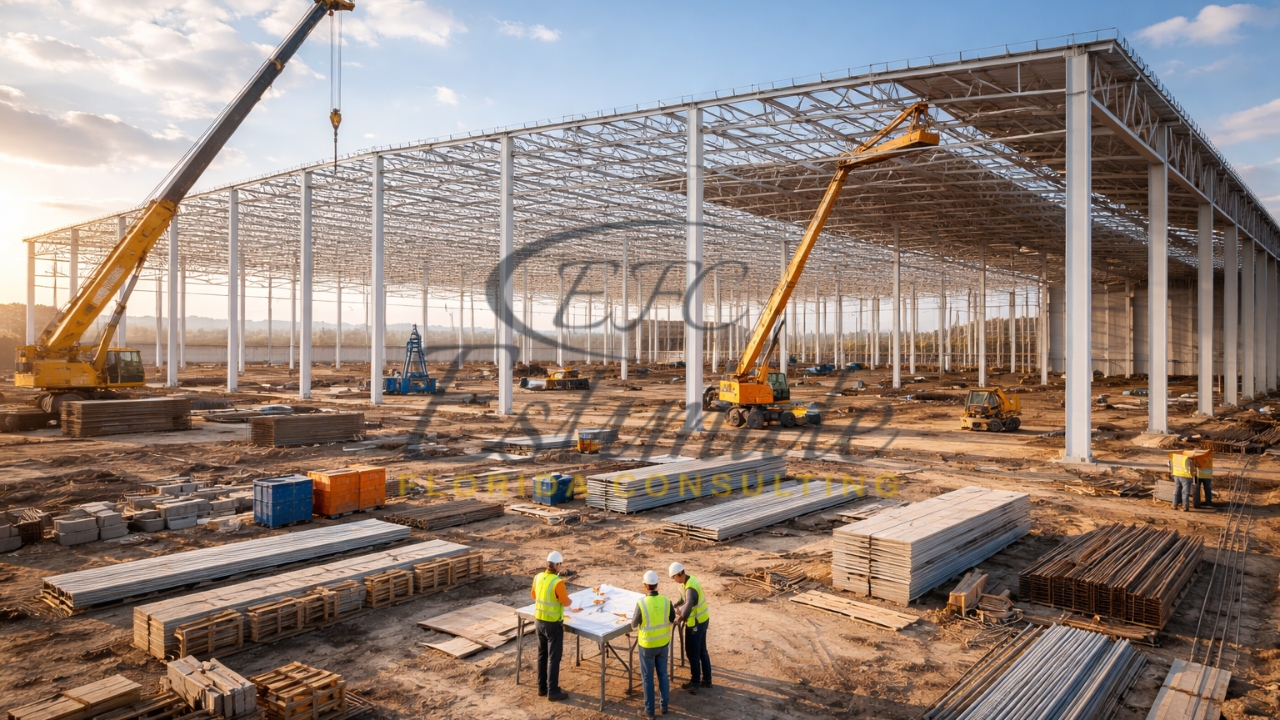
Warehouse construction costs in Florida for 2026 range from approximately $155–$245 per square foot for inland locations, while coastal warehouse construction costs rise to $185–$295+ per square foot due to higher wind-load standards, corrosion-resistant building materials, and stricter hurricane compliance. Overall, Florida industrial construction costs are 6–9% higher than national averages, driven by skilled labor shortages, fluctuating steel prices, and material cost volatility. Pre-engineered metal buildings (PEMB) continue to be the most cost-effective option, with PEMB warehouse shell costs averaging $23–$28 per square foot, making them ideal for logistics facilities, fulfillment centers, and industrial storage buildings. Other major cost drivers include warehouse site development, foundation and concrete slab costs, steel framing, roofing systems, fire suppression and sprinkler systems, electrical and HVAC installation, loading dock construction, and interior warehouse build-out expenses. Estimate Florida Consulting provides detailed warehouse cost estimating services, supporting accurate budgeting, feasibility studies, and cost control for commercial warehouse construction and turnkey industrial development projects across Florida.
Average Warehouse Construction Cost in Florida
The average warehouse construction cost in Florida varies widely based on size, design, location, and functionality. On average, warehouse development costs fall within the following ranges:
- Typical construction cost: $26 to $78 per square foot
- Most common project range: $45 to $60 per square foot
- Turnkey warehouse facilities: $50 to $85 per square foot
Turnkey pricing generally includes structural construction, mechanical, electrical, plumbing (MEP) systems, fire protection, and basic interior build-out, making it a preferred option for owners seeking predictable budgets and faster delivery.
Estimated Warehouse Construction Costs by Size
| Warehouse Size | Estimated Construction Cost |
| 5,000 sq ft | $130,000 – $390,000 |
| 10,000 sq ft | $260,000 – $780,000 |
| 30,000 sq ft | $780,000 – $2.3 million |
| 50,000 sq ft | $1.3 – $3.9 million |
| 100,000+ sq ft | $4.5 million and above |
Larger warehouses typically benefit from economies of scale, reducing the per-square-foot cost, although total investment increases substantially.
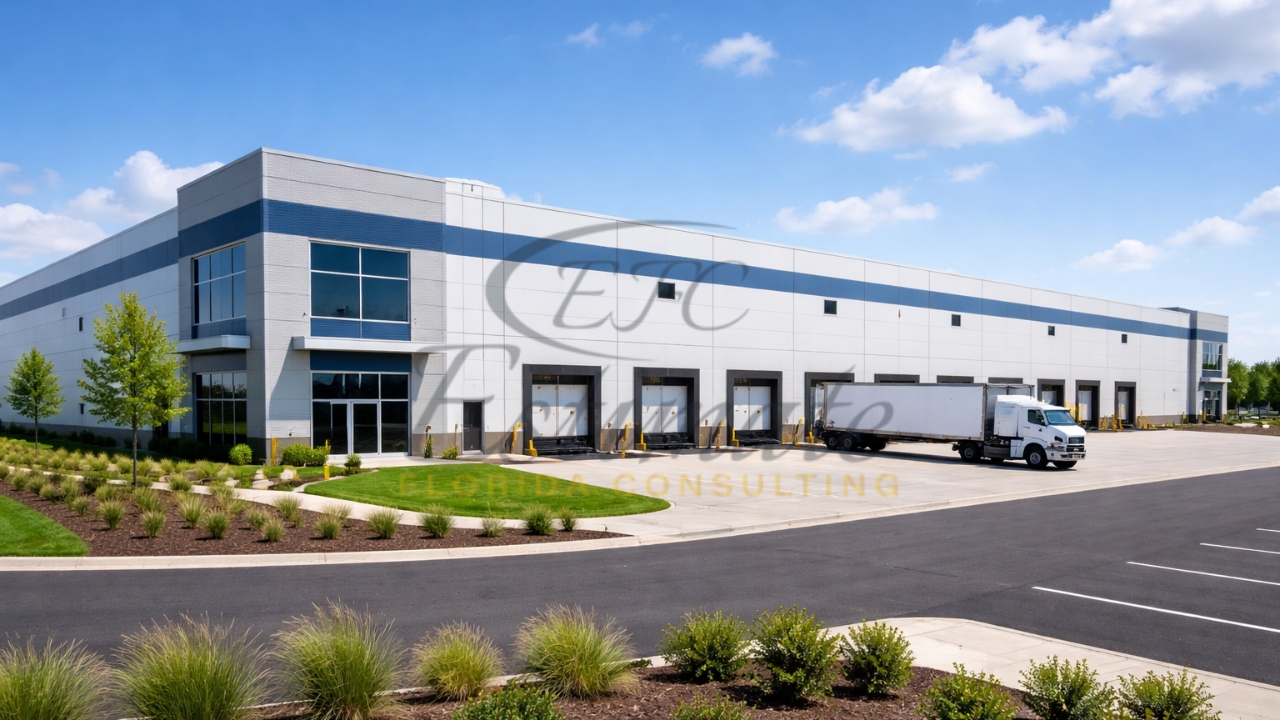
Key Factors Affecting Warehouse Construction Costs
1. Warehouse Type and Function
The intended use of the warehouse is one of the most important factors influencing warehouse construction costs and overall project budgeting. Basic storage warehouses typically fall on the lower end of the cost per square foot, as they require minimal mechanical, electrical, and plumbing systems. However, distribution centers and logistics facilities demand higher clear heights, multiple loading docks, advanced material-handling systems, and optimized layouts, all of which increase commercial construction costs. Manufacturing warehouses add further complexity with heavy equipment loads, specialized utilities, and reinforced flooring, while cold storage facilities significantly raise warehouse building costs due to insulated panels, refrigeration systems, energy-efficient designs, and strict regulatory compliance.
2. Building Materials and Structural Design
Building materials and structural design directly affect both initial warehouse construction pricing and long-term operational efficiency. Pre-engineered metal buildings are widely used due to their affordability, faster installation, and flexibility, making them a popular option for controlling warehouse construction cost per square foot. These structures also meet Florida’s wind-load and hurricane-resistance requirements. Concrete and tilt-up construction methods, while more expensive upfront, offer greater durability, fire resistance, and lower maintenance costs over time. Structural elements such as column spacing, roof load capacity, and expansion-ready designs also influence overall industrial construction costs and future adaptability.
3. Location and Regulatory Requirements
Location plays a critical role in determining warehouse construction costs in Florida, as labor rates, permitting fees, and land prices vary by region. South Florida projects often face higher commercial building costs due to increased labor expenses, longer approval timelines, and stricter building regulations. Central and North Florida markets may offer more cost-efficient development conditions. In addition, zoning laws, environmental regulations, flood zone requirements, and hurricane impact standards can add 10% to 25% to total warehouse development costs, particularly in coastal or high-risk areas.
4. Site Preparation and Infrastructure
Site preparation is a significant contributor to overall warehouse construction expenses, often accounting for 15% to 25% of the total project budget. This phase includes land clearing, grading, excavation, soil stabilization, drainage systems, and stormwater management. Utility extensions for water, sewer, electricity, and gas also factor into warehouse development costs. Challenging site conditions such as poor soil quality, high water tables, environmental constraints, or contamination can substantially increase industrial construction costs due to the need for specialized engineering solutions and regulatory mitigation.
5. Ceiling Height and Load Requirements
Ceiling height and load capacity are key design elements that directly impact warehouse construction cost per square foot. Modern warehouses often require higher clear heights to support automated storage systems, pallet racking, and vertical space optimization. Taller structures demand stronger steel framing, deeper foundations, and enhanced wind-load engineering, all of which raise warehouse building costs. Similarly, higher floor load requirements increase slab thickness and reinforcement, adding to overall commercial warehouse construction costs, while improving long-term functionality and operational efficiency.
Typical Warehouse Construction Cost Breakdown
| Construction Component | Percentage of Total Cost |
| Foundation and slab | 15% – 20% |
| Structural framing | 20% – 25% |
| Exterior walls and roofing | 10% – 15% |
| Electrical systems | 8% – 12% |
| HVAC and ventilation | 6% – 10% |
| Fire protection systems | 5% – 8% |
| Interior build-out | 10% – 15% |
Inland vs. Coastal Warehouse Construction Costs
Location plays a major role in determining total warehouse construction costs, industrial development expenses, and overall warehouse cost per square foot. Inland areas typically benefit from lower land prices, reduced wind-load requirements, and more streamlined permitting, which helps control commercial construction costs. Coastal warehouse construction, however, must comply with stricter hurricane resistance standards, flood zone regulations, and corrosion protection requirements. These factors require reinforced structural systems, upgraded roofing assemblies, and moisture-resistant materials, significantly increasing commercial warehouse construction costs and long-term industrial building expenses.
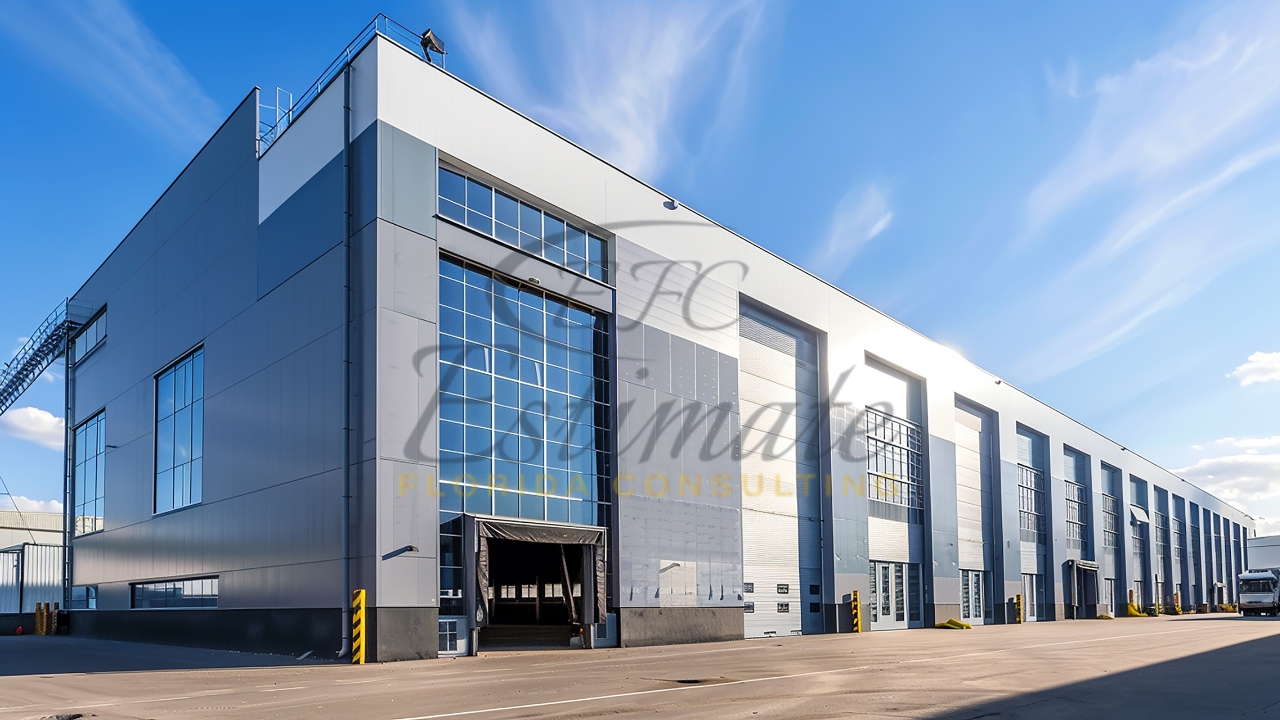
Pre-Engineered Metal Buildings (PEMB) Cost Advantage
Pre-engineered metal buildings (PEMB) continue to be one of the most cost-efficient solutions for industrial warehouse construction and commercial warehouse development in Florida. In 2026, PEMB shell costs typically average between $23 and $28 per square foot, making them ideal for controlling warehouse construction cost per square foot on large distribution centers and logistics facilities. PEMB systems reduce construction timelines, minimize labor requirements, and offer scalable design flexibility, helping developers manage warehouse building costs, future expansion planning, and overall industrial construction pricing.
Labor and Material Cost Trends in Florida
Labor shortages across Florida’s construction industry continue to drive higher warehouse construction pricing and commercial labor costs in 2026. Skilled trades such as steel erection, concrete placement, electrical installation, and fire protection systems command premium rates due to high demand. At the same time, material costs—including structural steel, concrete, roofing membranes, and mechanical equipment—remain volatile. Supply chain disruptions and large-scale infrastructure demand continue to influence industrial construction costs, warehouse material pricing, and project scheduling risks.
Permitting, Zoning, and Code Compliance Costs
Permitting fees, zoning approvals, inspections, and impact fees are significant contributors to overall warehouse development costs, particularly in urban and coastal Florida markets. Compliance with local zoning ordinances, environmental regulations, stormwater management systems, and hurricane mitigation codes adds complexity to commercial warehouse construction projects. These regulatory requirements often extend approval timelines and increase industrial building costs, especially for warehouses located in flood zones or high-wind regions.
Utility and Infrastructure Requirements
Utility and infrastructure requirements can substantially affect total warehouse construction expenses and industrial facility costs. Warehouses often require electrical service upgrades, water and sewer connections, fire suppression systems, and high-capacity data and communications infrastructure. Distribution centers, cold storage warehouses, and automated facilities demand increased power loads, which can significantly raise industrial construction costs, warehouse utility expenses, and long-term operational planning considerations.
Why Accurate Cost Estimating Matters?
With rising warehouse construction costs and tighter profit margins, accurate cost estimating has become essential for successful commercial warehouse development. Incomplete budgets or outdated cost assumptions can lead to project delays, redesigns, or unexpected overruns. A detailed warehouse construction cost breakdown helps stakeholders evaluate site feasibility, compare building systems, manage risk exposure, and optimize industrial construction budgets while planning for future operational efficiency.
Sustainability and Energy-Efficient Warehouse Design
Sustainability is playing a growing role in modern warehouse construction planning and industrial building design. Energy-efficient lighting systems, reflective roofing, upgraded insulation, solar-ready infrastructure, and high-efficiency HVAC solutions can increase upfront warehouse construction pricing. However, these investments often reduce long-term operating costs, making them attractive for developers focused on lifecycle value, energy-efficient warehouse costs, and sustainable commercial construction strategies.
Expansion, Automation, and Future-Proofing Costs
Modern warehouses are increasingly designed to support automation, robotics, and future expansion, directly influencing warehouse construction cost per square foot. Features such as higher clear heights, reinforced floor slabs, wider column spacing, and flexible layouts increase upfront industrial construction costs. However, these design choices improve scalability, adaptability, and long-term value, making them critical for logistics warehouse construction and evolving distribution needs.
Estimate Florida Consulting: Your Warehouse Cost Estimation Partner
Estimate Florida Consulting delivers professional warehouse construction cost estimates across Florida, supporting a wide range of commercial and industrial construction projects. From pre-engineered metal warehouse pricing to full turnkey industrial facility estimates, their team provides data-driven budgeting, feasibility analysis, value engineering, and cost control solutions. Their expertise helps developers, contractors, and investors manage warehouse building costs, reduce risk, and make informed construction decisions.
Conclusion
Warehouse construction in Florida requires careful financial planning, technical expertise, and a clear understanding of regional cost drivers. With 2026 warehouse construction costs ranging widely based on location, size, design, and functionality, early-stage budgeting and accurate cost estimating are essential to project success. Factors such as inland versus coastal compliance, material selection, labor availability, site preparation, and future-ready design features can significantly influence total investment and long-term operational efficiency. By leveraging cost-effective solutions like pre-engineered metal buildings, planning for regulatory requirements, and accounting for labor and material market trends, owners can better control warehouse construction cost per square foot. Partnering with an experienced estimator like Estimate Florida Consulting ensures reliable cost data, reduced risk, and smarter decision-making throughout the warehouse development lifecycle.
FAQs: Warehouse Construction Cost in Florida
- How much does it cost to build a warehouse in Florida in 2026?
Warehouse construction costs in Florida typically range from $155 to $245 per square foot for inland locations and $185 to $295+ per square foot for coastal areas, depending on design, materials, and compliance requirements.
- What is the average warehouse construction cost per square foot?
On average, basic warehouse construction costs fall between $26 and $78 per square foot, while turnkey warehouse facilities usually range from $50 to $85 per square foot, including MEP systems and basic interior build-out.
- Why are coastal warehouse construction costs higher in Florida?
Coastal warehouses must meet stricter hurricane, wind-load, flood zone, and corrosion-resistance standards. These requirements increase structural reinforcement, material quality, and permitting costs, often adding 10% to 25% to total project expenses.
- Are pre-engineered metal buildings (PEMB) the most cost-effective option?
Yes. PEMB warehouse shell costs typically average $23 to $28 per square foot, making them one of the most economical solutions for logistics, distribution, and industrial storage facilities in Florida.
- How does warehouse size affect construction cost?
Larger warehouses benefit from economies of scale, reducing the per-square-foot cost, but total investment increases. For example, a 10,000 sq ft warehouse may cost up to $780,000, while a 100,000+ sq ft facility can exceed $4.5 million.
- What factors have the biggest impact on warehouse construction costs?
Key cost drivers include warehouse type and function, building materials, ceiling height, floor load requirements, site preparation, labor availability, material pricing, permitting, and utility infrastructure needs.
- How much do site preparation and infrastructure add to the budget?
Site preparation typically accounts for 15% to 25% of total warehouse construction costs, covering grading, drainage, utilities, stormwater systems, and soil stabilization.
- Why is accurate warehouse cost estimating important?
Accurate cost estimating helps prevent budget overruns, delays, and redesigns. A detailed estimate allows owners and developers to assess feasibility, compare construction methods, manage risk, and plan for future expansion or automation efficiently.