Blog
How to Add a Trailer to Your Fleet Without Blowing the Budget?
In construction, everyone looks for the big wins: cost-saving subs, bulk materials, faster tools. But profitability often hides in the small, recurring decisions that ripple across every job.
One of those overlooked costs? How you move your equipment.
If your estimating process ignores the impact of owning or accessing a trailer whether for hauling tools, generators, or skid steers you might be building inefficiencies into every project bid.
Think of it like underestimating foundation work on a custom build. It doesn’t seem flashy or urgent but miscalculate it, and everything that follows gets harder and more expensive. The same applies to your trailer fleet.
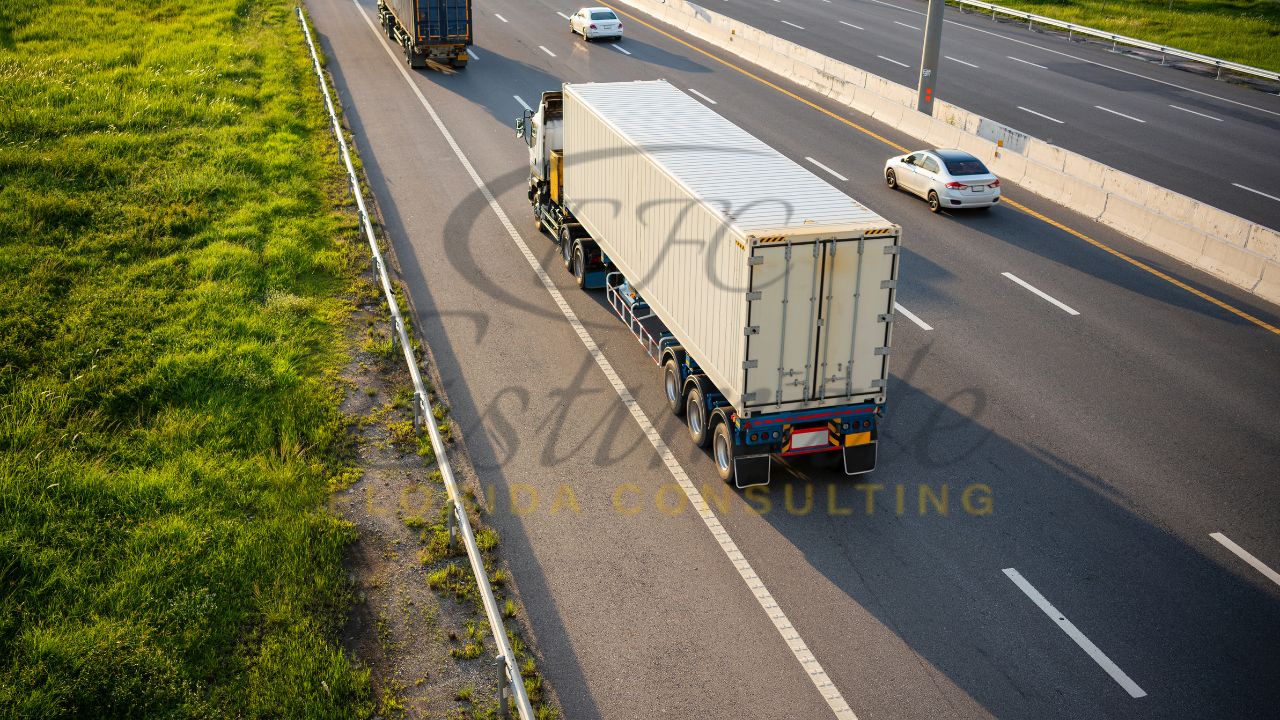
Why Trailer Blind Spots Lead to Budget Drift?
Using the wrong trailer or not using a dedicated trailer at all forces crews to rent, borrow, or make multiple trips. It slows your mobilization, bottlenecks your schedule, and inflates labor hours.
Without a reliable trailer in your fleet:
Equipment arrives late or in poor condition
Jobsite setup takes longer than planned
Field teams waste time on manual loading and unloading
You risk damage to tools or machinery during transport
These aren’t one-off issues. They repeat across projects and quietly eat into margins, especially when they’re not fully accounted for during estimating.
A Trailer It’s a Long-Term Tool
Adding a trailer to your fleet is an investment in productivity, control, and crew independence.
When construction estimators treat trailers like operational assets (not just nice-to-haves), the returns show up across project budgets. Here’s what the right trailer can improve:
Faster equipment transitions between jobs
Fewer rental fees or delivery service charges
Lower wear and tear on machinery
Better crew uptime and morale
More reliable project timelines
Like a well-maintained truck, a trailer becomes part of your core toolkit and not a side expense.
Choose Based on Load Type, Not Price Tag
Not every jobsite needs the same trailer. Before budgeting for a purchase or financing option, take stock of your real use cases. Consider:
What do you move most frequently, materials, machines, or both?
Do you need drive-on access or just tie-down capacity?
Are you navigating urban areas, rural sites, or both?
Will your trailer be used weekly or daily?
Choosing the wrong trailer just because it’s affordable upfront can create more problems than it solves. The key is finding the right fit for your equipment and crew workflow then exploring a payment plan that keeps you on budget.
Trailer Types: Pros, Cons, and Ideal Use Cases
Trailer Type | Best For | Ideal User | Limitations |
Gooseneck | Heavy equipment, compact loaders | Full-time construction crews | Requires gooseneck hitch setup |
Tilt Trailer | Wheeled equipment (mini loaders, lifts) | Crews needing fast, ramp-free loading | Limited weight capacity; hydraulic upkeep |
Flatbed | Materials, pallets, oversized goods | Transport-focused subcontractors | Not ideal for drivable machinery |
Equipment Trailer | Generators, small skid steers | Occasional haulers, small builders | Manual ramps, lower stability at speed |
Want to Understand Trailer Financing Options?
If you’re unsure whether you should buy, lease, or finance a trailer, start with this smart guide to trailer financing from Horizon Trailers. It covers key benefits, common payment structures, and how to secure the right trailer without tying up all your working capital.
Signs Your Current Hauling Strategy Is Costing You
If any of these sound familiar, it’s time to rethink how your trailers are supporting, or limiting, your business:
You rent a trailer multiple times a month
Equipment sits idle because it wasn’t delivered on time
Your bids don’t account for tool or machine transport
Field teams complain about long loading or multiple trips
You’ve had to delay site work due to mobilization gaps
If you’re estimating work without factoring in the hauling layer, you’re likely underbidding or overpaying.
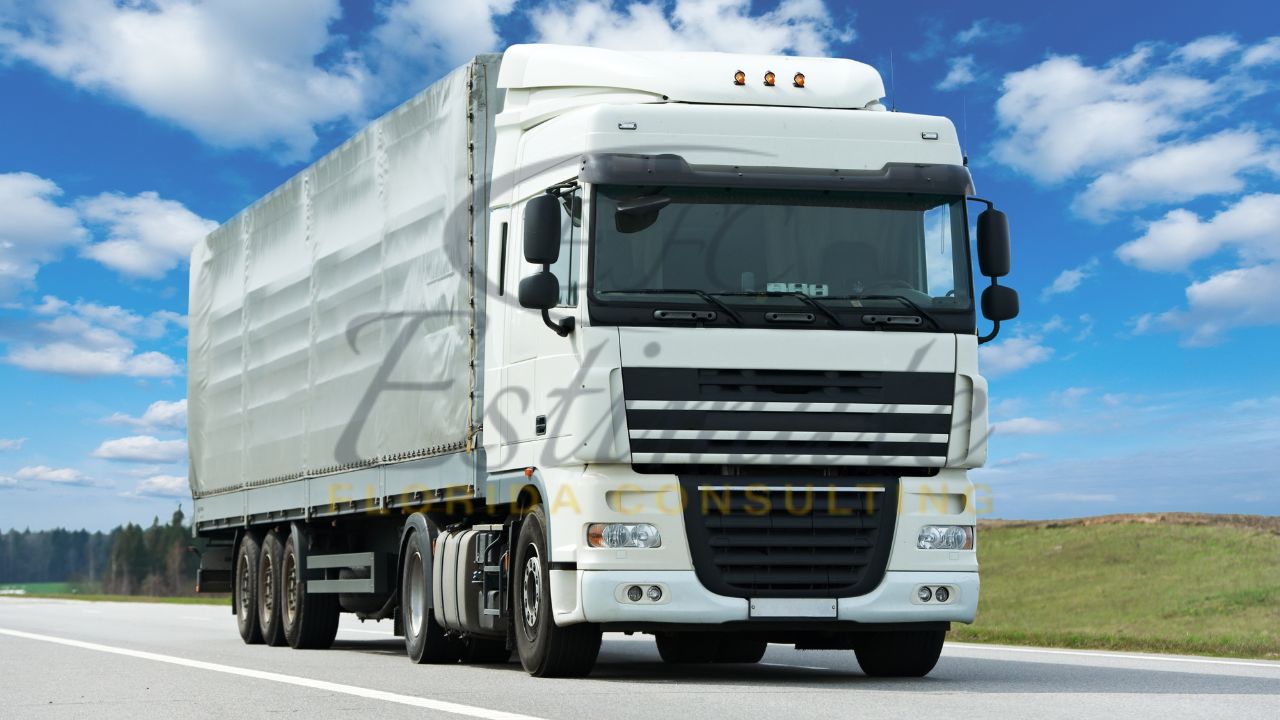
Turn Trailer Planning Into Standard Practice
Rather than waiting for equipment transport issues to show up on the next job, make trailer planning a standard part of your budgeting and asset review cycle.
That can include:
Asking field leads what delays they’ve seen in transport or setup
Reviewing last year’s trailer rental or subcontracted hauling costs
Forecasting project loads for the next 6–12 months
Evaluating whether an in-house trailer could reduce costs or boost speed
Adding one trailer to your fleet isn’t a full-scale equipment overhaul it’s a high-impact, low-friction investment that affects multiple projects in a positive way.
5 Quick Tips for Smarter Trailer Strategy
Audit your trailer usage and recurring rental spend
Compare trailer types based on your common job needs
Upgrade from generic haulers to purpose-fit solutions
Explore financing or leasing instead of buying outright
Train crews on trailer safety, loading, and maintenance
Trailers Move More Than Equipment
Trailers don’t just move tools and machines they move schedules, team morale, and profitability. And like any tool, the right one pays for itself in speed, safety, and control.
Treating trailer acquisition as a financial burden can keep your team stuck in reactive mode. But with financing or leasing, you gain access to high-performance trailers without compromising cash flow or project budgets.
If you’re ready to add flexibility, stability, and long-term value to your fleet, explore trusted solutions from providers like Horizon Trailers. One trailer could be the smartest operational upgrade you make this year.