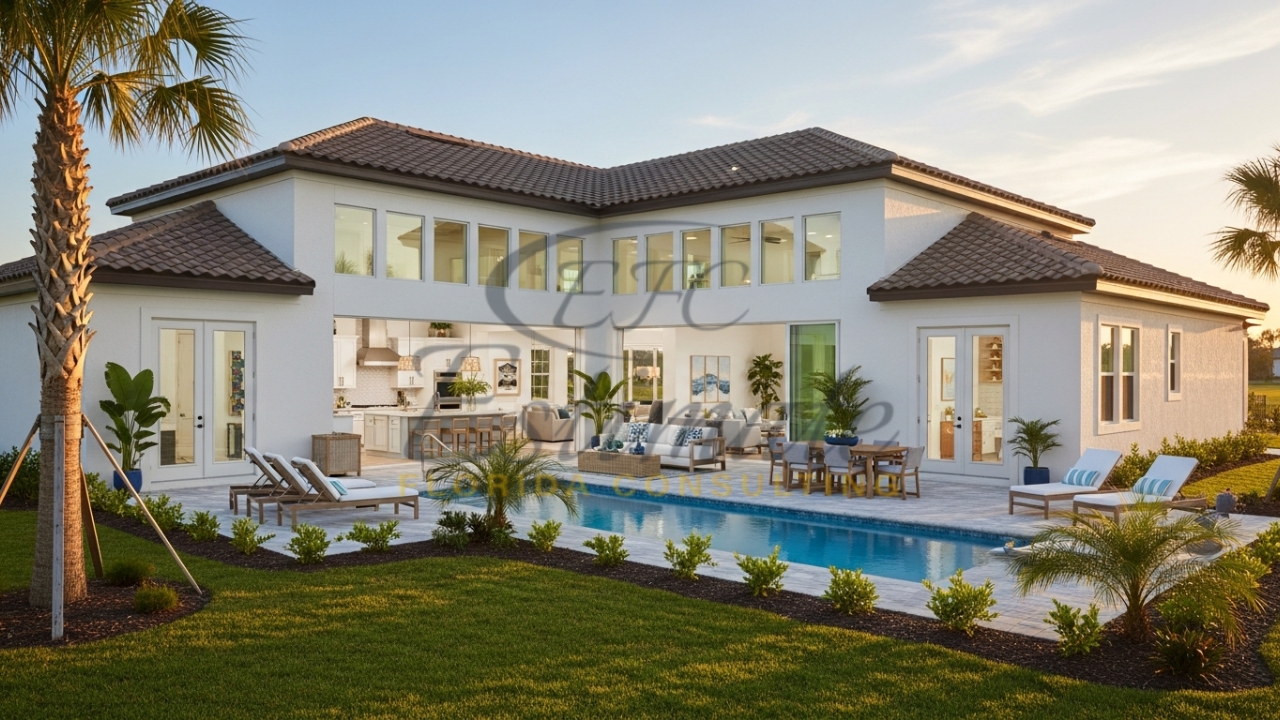
The cost to build a 3-bedroom house in Florida is influenced by a wide range of Florida residential construction cost factors, including statewide building code compliance, hurricane-resistant construction standards, climate-driven material requirements, skilled labor pricing, insurance regulations, and regional market demand. Unlike many other states, Florida home construction must account for high wind-load engineering, moisture control assemblies, storm-resistant building systems, and flood-zone construction rules, all of which increase construction scope and pricing.
Because of these conditions, national home construction averages, online house cost calculators, and generic price-per-square-foot estimates often underestimate the true Florida home building cost. Homeowners planning new construction must evaluate design complexity, permitting timelines, construction financing requirements, and long-term operating expenses to avoid budget gaps and project delays.
At Estimate Florida Consulting, residential construction budgets are prepared using Florida-specific labor rates, real-time material pricing, regional cost data, and trade-by-trade quantity takeoffs, delivering accurate, lender-ready construction estimates.
Average Cost to Build a 3-Bedroom House in Florida (2026)
Most 3-bedroom homes constructed in Florida range between 1,400 and 2,000 square feet, depending on floor plan efficiency, architectural layout, ceiling height, garage configuration, and zoning limitations. The total cost to build a 3-bedroom house in Florida varies based on finish quality, construction type, geographic location, wind exposure category, and flood-zone designation.
Homes built in coastal counties, hurricane zones, and flood-prone regions typically reflect higher construction pricing due to stricter structural requirements and insurance-driven design standards. Inland locations may offer lower pricing but still exceed national averages due to Florida’s statewide construction regulations.
Estimated Total Cost to Build a 3-Bedroom Home
| Home Type | Estimated Total Cost |
| Basic 3-Bedroom Home | $450,000 – $590,000 |
| Mid-Range 3-Bedroom Home | $590,000 – $785,000 |
| Custom / Upgraded 3-Bedroom Home | $785,000 – $1,050,000+ |
These figures represent hard construction costs, including site work, foundation systems, reinforced structural framing, roofing assemblies, HVAC installation, electrical wiring, plumbing systems, insulation, drywall, and interior finishes. Land acquisition, site development, utility extensions, financing charges, extended permitting timelines, architectural upgrades, and premium material selections can increase the overall project budget.
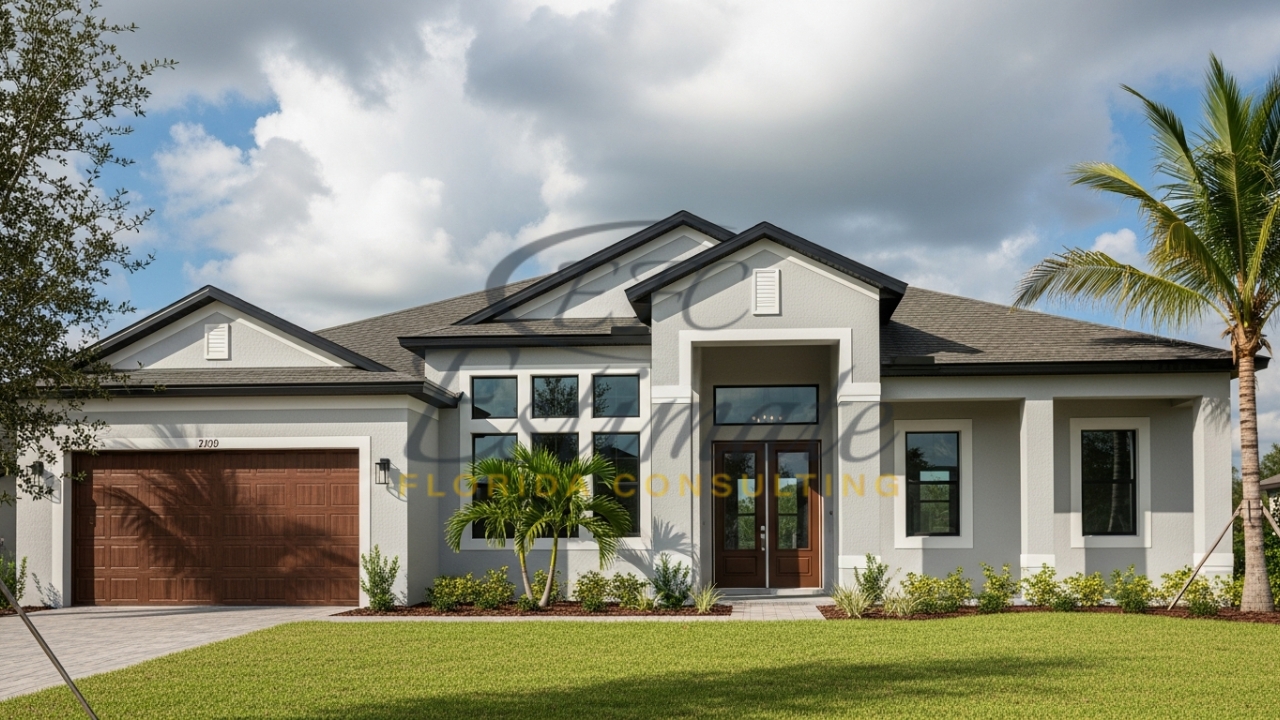
Cost Per Square Foot to Build a 3-Bedroom Home in Florida
The average building cost per square foot in Florida is commonly used for early budgeting, but it should be treated as a preliminary planning reference rather than a final cost figure. Smaller homes often show a higher cost per square foot because fixed construction expenses—such as permits, inspections, mobilization, site preparation, and contractor overhead—are distributed across fewer square feet.
| Construction Level | Cost Per Sq Ft |
| Basic Construction | $310 – $395 |
| Mid-Range Construction | $395 – $490 |
| Custom or High-End Construction | $490 – $665+ |
For example, a 1,600-square-foot 3-bedroom home may appear more expensive per square foot than a larger residence with similar finishes due to engineering fees, utility connections, permitting costs, and general conditions remaining relatively constant regardless of home size.
Key Factors That Drive the Cost of a 3-Bedroom Home in Florida
Several interconnected variables directly impact Florida residential construction pricing. Location remains one of the most influential factors. Coastal counties and wind-borne debris regions require impact-resistant windows and doors, wind-rated roofing systems, reinforced roof-to-wall connections, and flood-compliant foundation designs, increasing both material and labor costs.
Material selection is another major driver of construction cost. Roofing materials, exterior wall systems, insulation assemblies, windows, flooring, cabinetry, countertops, and HVAC equipment vary widely in price, durability, and performance. Florida’s humid climate favors moisture-resistant, mold-resistant, corrosion-resistant, and energy-efficient building materials, which often increase upfront cost but reduce long-term maintenance and repair expenses.
Labor availability and trade pricing also play a critical role. Ongoing shortages in framing, electrical, HVAC, plumbing, and concrete trades continue to push Florida construction labor rates higher, especially in fast-growing metro areas and coastal markets.
Florida Building Code and Hurricane-Resistant Construction Costs
All new residential construction must comply with the Florida Building Code, which places strong emphasis on hurricane resistance, wind-load engineering, roof uplift protection, moisture control, and structural anchoring. Even homes located inland must meet wind-speed and fastening requirements that exceed those in many other states.
For a 3-bedroom house, compliance typically includes reinforced roof-to-wall connections, enhanced fastening schedules, sealed roof decks, secondary water barriers, impact-rated windows or shutters, and upgraded structural connectors. These hurricane-resistant construction features increase upfront construction cost but significantly improve life safety, storm survivability, insurance eligibility, and long-term durability.
Typical Construction Cost Breakdown for a 3-Bedroom Home in Florida
Breaking down construction costs using actual dollar values provides homeowners with clearer insight into where their construction budget is concentrated. For a mid-range 3-bedroom house in Florida, with a total construction budget typically between $670,000 and $770,000, costs are commonly allocated as follows:
Construction Cost Breakdown in Dollars ($)
| Construction Phase | Estimated Cost Range |
| Site Work & Foundation | $85,000 – $135,000 |
| Structural Framing | $105,000 – $155,000 |
| Roofing & Exterior Systems | $85,000 – $125,000 |
| Mechanical, Electrical & Plumbing (MEP) | $150,000 – $210,000 |
| Interior Finishes | $135,000 – $190,000 |
| Permits, Design & Contractor Overhead | $55,000 – $90,000 |
Mechanical, electrical, and plumbing systems represent one of the largest cost categories in Florida home construction due to high-capacity HVAC systems, humidity control requirements, ventilation standards, electrical load demands, and energy-efficiency compliance.
Architectural Design Choices and Their Cost Impact
Architectural design decisions have a direct effect on home construction cost per square foot, overall build efficiency, and structural complexity. Simple rectangular floor plans, standardized ceiling heights, efficient room layouts, and uncomplicated rooflines help reduce framing costs, material waste, and labor hours. In contrast, complex architectural designs featuring open-concept layouts, vaulted or tray ceilings, long-span beams, multiple roof slopes, cantilevered sections, and decorative architectural detailing significantly increase structural engineering fees, framing labor, and material quantities.
Modern, coastal, and fully custom home designs in Florida often require specialty building materials, corrosion-resistant connectors, wind-load-rated framing systems, and enhanced structural coordination, driving up both labor and material pricing. Design efficiency improves space utilization, construction sequencing, mechanical system sizing, and long-term energy performance, making it a key factor in cost control.
Garage Size, Layout, and Construction Cost Differences
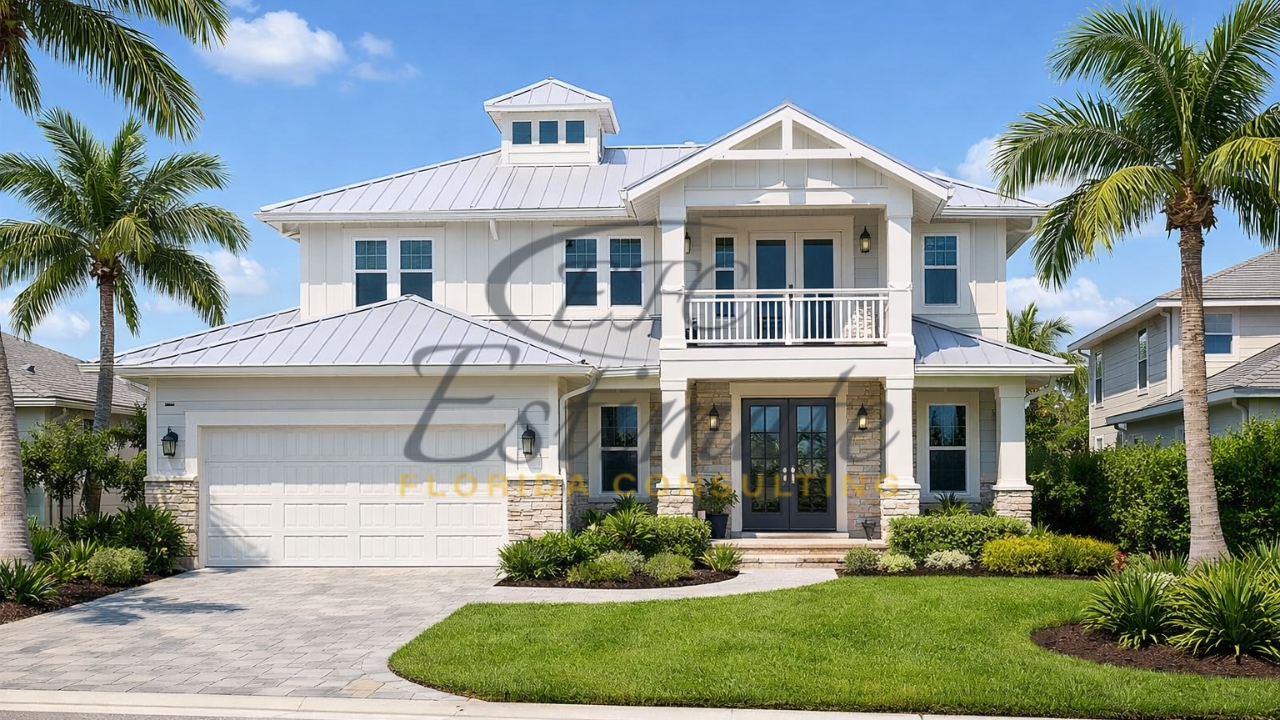
Garage configuration plays a major role in total residential construction cost. One-car garages are far more affordable than two- or three-car garages due to reduced concrete slab area, framing scope, roofing coverage, insulation, and garage door systems. Attached garages are typically more cost-efficient than detached garages because they share load-bearing walls, utilities, roof structures, and foundations with the main residence, lowering overall construction expenses.
In many Florida regions, garage doors and structural assemblies must meet Florida Building Code wind-load, impact-resistance, and hurricane exposure requirements, which can significantly influence pricing based on coastal proximity, wind zone classification, and insurance standards.
Plumbing Fixture Count and Bathroom Cost Considerations
Bathrooms are among the most cost-intensive spaces in residential construction. A 3-bedroom home with multiple bathrooms requires additional water supply lines, drain-waste-vent systems, waterproofing membranes, ventilation fans, plumbing fixtures, tile work, and finish labor, all of which increase both material and installation costs. High-end fixtures, custom showers, soaking tubs, and upgraded finishes further elevate expenses.
Strategic bathroom placement—such as grouping wet walls, stacking bathrooms vertically in two-story homes, or minimizing long pipe runs—can significantly reduce plumbing labor, material usage, and inspection complexity, helping control overall construction costs.
Kitchen Size, Layout, and Finish Level Impact on Cost
The kitchen is often the single most expensive interior space in a 3-bedroom home. Costs are driven by custom or semi-custom cabinetry, countertop materials, appliances, plumbing fixtures, electrical rough-ins, lighting layouts, ventilation systems, and finish carpentry. Larger kitchens with islands, walk-in pantries, built-in storage, custom millwork, and premium finishes dramatically increase material costs and labor hours.
Florida kitchens frequently incorporate moisture-resistant cabinetry, upgraded exhaust ventilation, higher electrical loads, GFCI protection, and energy-efficient appliances, all of which further influence construction pricing.
Roofing Shape and Material Selection Cost Differences
Roof design is a critical factor in Florida home construction cost. Simple gable or hip roof designs are more economical due to faster installation and reduced material waste. In contrast, complex roof configurations with valleys, dormers, intersecting planes, and multiple slopes increase labor time, waste factors, scaffolding needs, and installation difficulty.
Roofing material selection also impacts cost, as Florida homes must use wind-rated roofing systems, sealed roof decks, secondary water barriers, enhanced fastening patterns, and code-compliant underlayments to meet insurance, hurricane, and building code requirements.
HVAC System Size and Zoning Cost Impact
HVAC systems in Florida typically cost more due to high heat, humidity levels, and extended cooling seasons. Larger homes, open floor plans, and high ceilings require higher-capacity air conditioning systems, larger ductwork, and enhanced airflow management. Zoned HVAC systems improve indoor comfort, temperature control, and energy efficiency, but increase costs due to additional thermostats, dampers, controls, and installation labor.
Accurate Manual J load calculations, duct design planning, and system sizing during the design phase help manage both initial construction cost and long-term operating expenses.
Electrical Load Requirements and Smart Home Features
Modern 3-bedroom homes require increased electrical capacity and infrastructure to support smart home systems, electric vehicle chargers, high-efficiency appliances, solar readiness, and backup power solutions. Upgraded electrical panels, additional branch circuits, surge protection, low-voltage wiring, and structured cabling raise construction costs but improve safety, resale value, and future adaptability.
Smart lighting, security systems, home automation, and energy monitoring further contribute to electrical rough-in and finish costs.
Flooring Material Selection and Installation Cost Differences
Flooring choices significantly affect interior finish budgets. Tile, luxury vinyl plank (LVP), engineered hardwood, laminate, and natural stone vary widely in material pricing, installation labor, subfloor preparation, and long-term maintenance costs. Florida homes commonly favor moisture-resistant, mold-resistant, and temperature-stable flooring materials, which may cost more upfront but offer better durability and performance in humid climates.
Installation complexity, pattern layouts, and transition detailing also impact overall flooring costs.
Land Cost and Site Preparation Impact on Total Budget
Site preparation costs include land clearing, grading, soil testing, drainage solutions, elevation work, compaction, and utility trenching. Coastal and flood-prone properties often require soil stabilization, engineered fill, raised building pads, floodplain compliance, and stormwater management, increasing upfront construction expenses.
Inland lots may still require additional investment if utilities are distant, soil bearing capacity is poor, or environmental regulations, wetlands, or tree mitigation requirements apply.
Permit Fees, Impact Fees, and Approval Costs in Florida
Florida local governments charge for building permits, plan reviews, inspections, zoning approvals, impact fees, and utility connections. Impact fees help fund roads, schools, emergency services, and infrastructure and vary significantly by city, county, and development type, directly affecting total construction cost.
Extended approval timelines can also increase financing charges, insurance premiums, contractor overhead, and project holding costs, making permit planning essential.
Construction Timeline and Its Effect on Overall Cost
Construction timelines for 3-bedroom homes in Florida typically range from several months to over a year, depending on complexity, permitting, and labor availability. Weather delays, material lead times, design changes, and inspection schedules can extend timelines, increasing general conditions, financing interest, insurance costs, and overhead expenses.
Florida’s rainy season, hurricane threats, and humidity-related delays make realistic scheduling and contingency planning critical for cost control.
One-Story vs Two-Story 3-Bedroom Homes: Cost Differences
One-story homes generally require larger foundations, slab-on-grade systems, and roof surface areas, increasing concrete, roofing, and sitework costs. Two-story homes reduce the building footprint but involve more complex framing systems, stair construction, load transfers, and vertical coordination.
The most cost-effective option depends on lot size, zoning limits, land costs, design efficiency, and homeowner preferences.
Budget Contingency Planning for New Home Construction
Even with detailed estimating, budget contingencies are essential. Construction contingencies help manage material price volatility, unforeseen site conditions, weather disruptions, scope changes, and design modifications, reducing financial risk and preventing project delays.
A well-planned contingency ensures smoother execution and protects overall project viability.
Why Choose Estimate Florida Consulting for Your 3-Bedroom Home Project?
Building a 3-bedroom home in Florida requires accurate, Florida-specific construction cost planning. Estimate Florida Consulting specializes in residential construction estimating, accounting for local labor rates, hurricane-resistant building standards, permit requirements, material pricing trends, and regional market conditions.
Our trade-by-trade cost estimates, quantity takeoffs, and detailed budgets help homeowners control costs, support financing approvals, reduce change orders, and make informed decisions before construction begins.
Final Thoughts
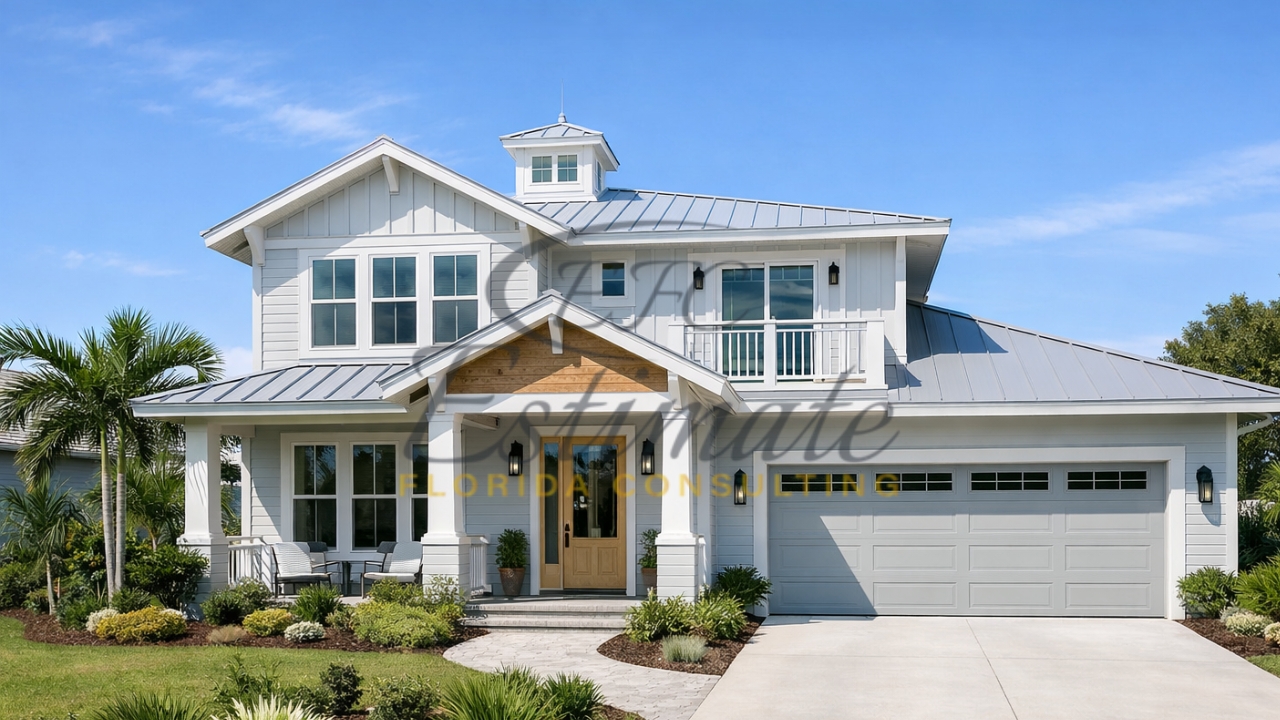
The cost to build a 3-bedroom house in Florida is shaped by location, land conditions, design complexity, material choices, labor availability, and regulatory requirements. Florida’s climate and building standards make professional estimating essential for successful residential construction.
For accurate, Florida-specific home construction cost estimates, Estimate Florida Consulting provides the expertise, clarity, and confidence needed to build successfully.
FAQs – Cost to Build a 3-Bedroom House in Florida
- How much does it cost to build a 3-bedroom house in Florida in 2026?
The cost to build a 3-bedroom house in Florida in 2026 depends on location, design, and construction quality. Inland homes typically cost less than coastal or high-wind-zone homes, while custom finishes and hurricane-resistant construction features increase overall cost. Florida building code requirements and labor pricing also play a major role in final construction budgets.
- What is the average cost per square foot for a 3-bedroom home in Florida?
The average cost per square foot for a 3-bedroom house in Florida varies based on finish level and location. Basic construction generally costs less per square foot, while mid-range and custom homes require higher investment due to upgraded materials, mechanical systems, and structural requirements. Smaller homes often appear more expensive per square foot because fixed costs are spread across fewer square feet.
- Is it cheaper to build or buy a 3-bedroom house in Florida?
In many Florida markets, building a new 3-bedroom home can be cost-competitive with buying an existing home—especially when renovation costs, insurance premiums, and energy efficiency are considered. New construction allows homeowners to meet current building codes, include hurricane-resistant features, and reduce long-term maintenance and utility costs.
- Why are construction costs higher in Florida compared to other states?
Florida construction costs are higher due to strict Florida Building Code requirements, hurricane-resistant design standards, flood-zone regulations, and climate-driven material needs. High humidity, wind-load engineering, and insurance compliance increase both labor and material costs compared to national averages.
- What features increase the cost of a 3-bedroom house the most?
The largest cost drivers include hurricane-rated roofing systems, impact-resistant windows and doors, reinforced foundations, HVAC systems sized for Florida’s climate, kitchens and bathrooms, and custom architectural designs. Coastal location and flood-zone compliance also significantly increase construction costs.
- How long does it take to build a 3-bedroom house in Florida?
Building a 3-bedroom house in Florida typically takes several months to over a year, depending on permitting timelines, design complexity, weather conditions, and contractor availability. Delays caused by inspections, material lead times, or hurricane season can extend construction schedules and affect total cost.
- Do Florida lenders require a construction cost estimate before approving a loan?
Yes, most lenders require a detailed construction cost estimate before approving a construction loan. Accurate, trade-by-trade estimates help lenders verify budgets, reduce risk, and prevent funding gaps during construction. Incomplete or unrealistic estimates can delay loan approval.
- Who should I hire to estimate the cost of building a 3-bedroom house in Florida?
Because Florida residential construction involves complex code compliance, regional pricing, and hurricane-resistant design requirements, it’s best to work with a Florida-based construction cost estimator. Firms like Estimate Florida Consulting specialize in Florida-specific residential estimates that reflect real labor costs, material pricing, and permitting requirements.