Your Ultimate Spray Foam Insulation Buying Guide
Spray foam insulation is an absolute must for a modern, energy-efficient home. This guide will provide you with all the info you need before buying.
It’s important to know the two main types of foam: open-cell and closed-cell. Open-cell is less dense and great for soundproofing. Closed-cell is more efficient and moisture-resistant.
Another factor to consider is the R-value. This measures how well the insulation resists heat flow. The higher the value, the better the thermal performance and energy savings.
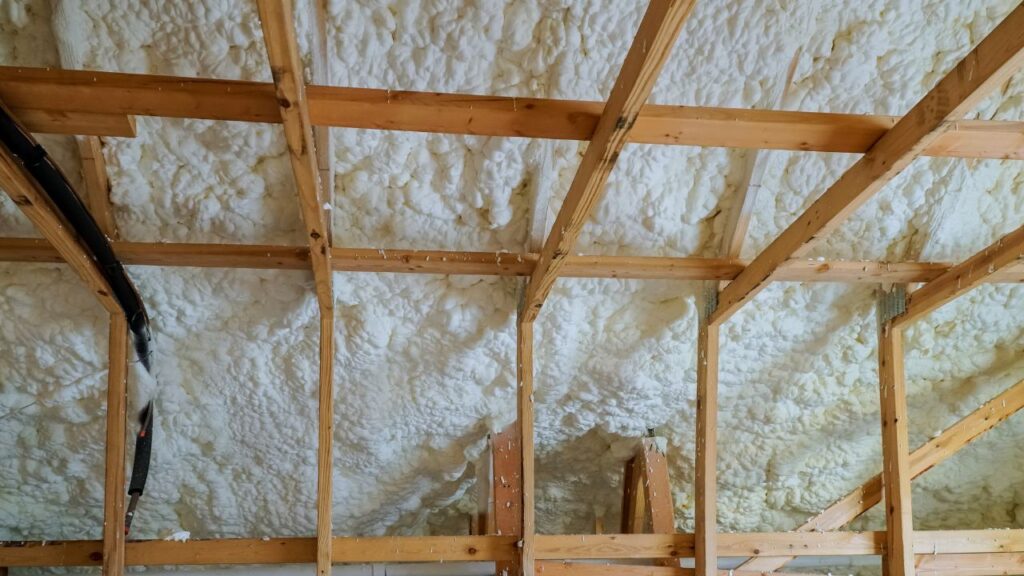
Did you know that spray foam insulation was created in the 1940s by Otto Bayer? It was initially used as a sealant, but its insulating properties were recognized in the 1960s.
By understanding the different types and factors of spray foam insulation, you can make an informed purchase. With proper installation and maintenance, it can significantly improve your comfort and cut energy consumption.
What is spray foam insulation?
Spray foam insulation is revolutionary. It uses liquids, chemicals, and a foaming agent to create a thick layer of insulation. It blocks air, moisture, and noise. This insulation provides thermal and acoustic properties.
Benefits of spray foam insulation include:
- Energy efficiency: reduces heat gain/loss through walls/roofs.
- Air infiltration prevention: stops drafts and improves indoor air quality.
- Soundproofing: reduces noise transmission between rooms.
Moreover, it is versatile. It can be applied to walls, attics, roofs, basements, and crawlspaces. It fits any shape or surface, making it perfect for new construction and retrofit projects.
Surprisingly, spray foam insulation goes back to the 1940s when it was developed for military use in WW2. It was first used for flotation devices until its insulating properties were noticed. It has since been used in residential and commercial structures.
Benefits of spray foam insulation
Spray foam insulation is a popular choice in the construction industry due to its many advantages. Here they are:
- It gives great thermal insulation by sealing cracks and gaps in walls, ceilings, and attics. This leads to lower energy costs and utility bills.
- It acts as a sound barrier, curbing noise from outside sources. Great for homes in noisy areas or near busy roads.
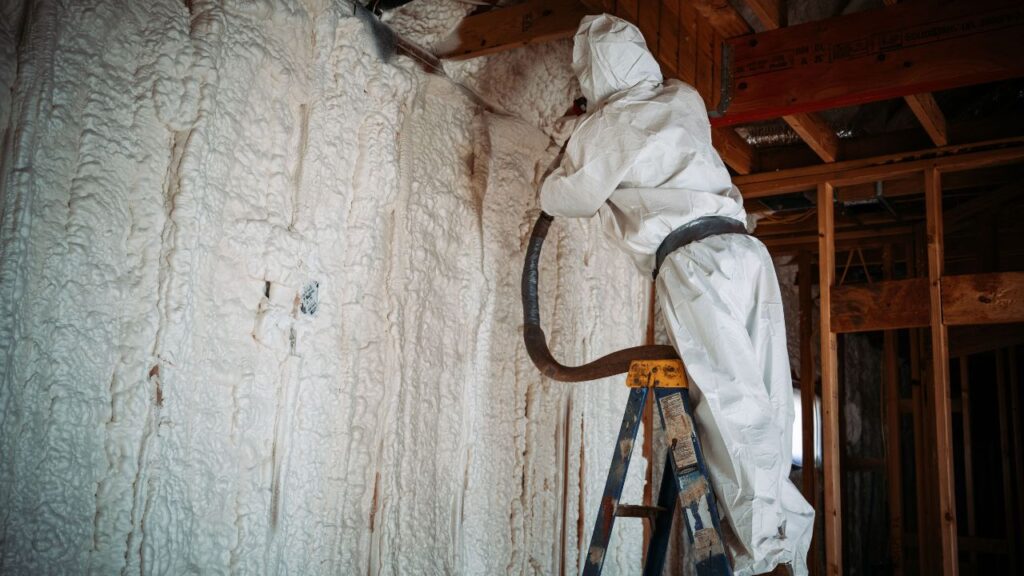
- It expands to fit all crevices, giving your home better structure.
- It’s long-lasting and needs minimal maintenance. It can last for decades with no decreased performance.
- It wards off pests like rodents and insects with its density.
- It’s eco-friendly as it decreases energy use and greenhouse gas emissions.
- It also offers moisture resistance and better indoor air quality by stopping mold growth.
Did you know that up to 40% of a home’s energy loss is due to air infiltration? Spray foam insulation can help cut this loss and bring great energy savings.
Types of spray foam insulation
Spray foam insulation comes in many forms. We’ll go over them to help you pick the best one. Think about these points:
- Type: Open-cell or Closed-cell?
- Composition: Low-density polyurethane or High-density polyurethane?
- Cell Structure: Are cells open or closed?
- R-Value: Lower or Higher?
- Air and Moisture Barrier: Partial or Complete?
Plus, there are hybrid foams that offer advantages of both open-cell and closed-cell insulation.
Selecting the right spray foam insulation is critical for energy efficiency and comfort. Don’t miss out – make a wise decision and get long-term benefits.
Factors to consider before buying spray foam insulation
When it comes to purchasing spray foam insulation, there are several key factors to keep in mind. These can help you make a wise decision and select the ideal product for your requirements.
1. R-value: This determines the material’s thermal resistance. Higher numbers indicate better insulation. Take your climate and desired energy efficiency into account when choosing the right R-value.
2. Application Method: Different products have various application methods. Some need professional installation, while others are DIY kits. Evaluate your skills and comfort level before picking a method.
3. Compatibility: Ensure the spray foam insulation is suitable for the surface or area you’re applying it to. Consider factors like moisture levels and existing materials to avoid future complications.
4. Cost: Cost is important, but don’t sacrifice quality for affordability. Compare prices from different manufacturers and suppliers.
Also, the correct installation of spray foam insulation is vital for great results. If you’re not experienced in this field, you may want to hire a professional installer.
To illustrate the importance of careful consideration when buying spray foam insulation, here’s a story about John. He decided to insulate his attic himself with spray foam he got online at a cheap price. But he didn’t evaluate if the product was suitable for his needs or compatible with the attic.
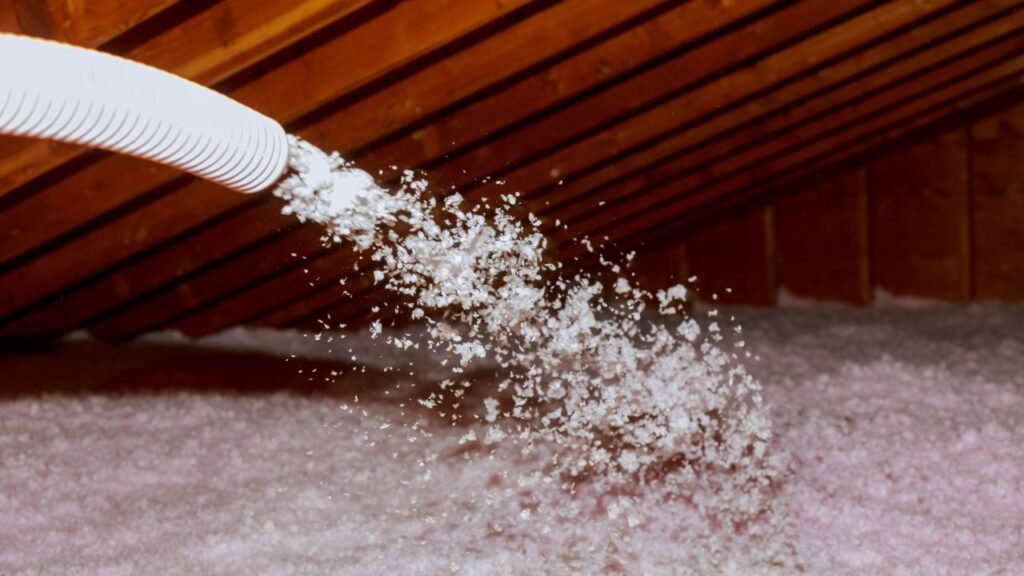
The outcome? Moisture issues in his attic and costly repairs.
So take your time to check all your options, seek advice from professionals, and prioritize quality over cost. That way you’ll be sure to have a successful and beneficial outcome.
Steps to buying spray foam insulation
Spray foam insulation is a great way to save energy at home! Here’s what you need to do when buying it:
- Research: Look for different types of spray foam insulation and their benefits. Pick reliable makers and vendors near you.
- Assess: Identify which areas in your home need insulation. Consider things like the climate, insulation needs, and budget.
- Get Quotes: Ask several suppliers for quotes on the spray foam insulation you need. Compare prices and quality.
- Hire Professional: Once you have chosen a supplier, hire an expert with experience. They’ll make sure installation is done right and you get the most efficiency.
Also, check if there are local rebates or incentives for energy-efficient insulation. This could help pay for the foam.
Remember to ask about the warranty from the manufacturer and installer. A longer warranty can protect against any issues with the insulation.
Finally, choose a high-quality product from a reputable manufacturer. Cheap products may not work as well or last.
Precautions and safety measures
Spray foam insulation is a great way to boost your home’s energy efficiency and comfort. But, you must take some safety precautions to ensure the process goes well.
- Wear protective clothing including gloves, goggles and a respirator while working with insulation.
- Make sure there’s good ventilation in the area.
- Follow the manufacturer’s instructions on application.
- Dispose any leftover materials or containers as per local regulations.
Also, this insulation isn’t for all surfaces. Don’t use it on electrical wiring, heat-generating equipment, or surfaces that exceed its max temp tolerance.
Keep a fire extinguisher close. Spray foam is flammable. This will give you peace of mind.
Pro Tip: Do research and select a quality, reputable brand with good customer reviews for optimal results.
Frequently asked questions about spray foam insulation
Question | Answer |
|---|---|
Q: What is spray foam insulation? | A: It’s a type of insulation sprayed on as a liquid, that expands into gaps and cracks and forms an air barrier. |
Q: How does it work? | A: It expands upon application and creates an airtight seal, which stops air leakage and maintains a consistent temperature. |
Q: Is it waterproof? | A: Yes, it forms a solid barrier when cured that repels water and blocks moisture from entering walls or attic. |
Q: What are the benefits? | A: Improved energy efficiency, better comfort with reduced drafts and noise, and enhanced indoor air quality by keeping out pollutants. |
Q: Can I install it myself? | A: It’s possible, but it’s recommended to hire a professional for best results and safety. |
Conclusion
Spray foam insulation offers many advantages, such as enhanced energy efficiency, noise reduction, and moisture control. It’s a cost-effective solution for residential and commercial structures. Prior to purchasing, think of factors like R-value, setup process, and materials.
Start by deciding your project’s exact needs. Whether constructing a new building or renovating an existing one, understanding the requirements will aid you pick the correct type of spray foam insulation. Closed-cell foam has higher R-values and functions as a vapor barrier. Open-cell foam is more affordable, yet has lower R-values.
Then, locate a dependable provider or contractor who specializes in spray foam insulation. Make sure they have the necessary qualifications and experience. Get references from past customers and look at their portfolio to evaluate their work quality.
Evaluate the setup process cautiously. It should be done by trained professionals with the right safety gear. This requires skill and expertise, as it involves blending two liquid components that form foam after contact with air. It needs to be done properly for proper curing and optimal performance.
On top of its energy-saving properties, spray foam insulation also provides additional structural support due to its ability to stick firmly to surfaces. This can help strengthen your building’s foundation, and decrease the risk of damage from extreme weather.
It’s important to note that while spray foam insulation provides advantages, it may not be suitable for each project or budget. Consulting professionals who understand your needs is essential to making an informed decision.
A study by Energy Star discovered that properly insulated homes can cut energy bills up to 20%. Investing in high-quality spray foam insulation can result in considerable long-term savings and enhance the comfort of your living or working environment.
We provide spray foam insulation cost estimating service
Here I am going to share some steps to get your residential and commercial spray foam insulation cost estimate report.
-
You need to send your plan to us.
You can send us your plan on info@estimatorflorida.com
-
You receive a quote for your project.
Before starting your project, we send you a quote for your service. That quote will have detailed information about your project. Here you will get information about the size, difficulty, complexity and bid date when determining pricing.
-
Get Estimate Report
We do residential and commercial spray foam insulation cost estimating and prepare a detailed report for your project. At last, you finalize the report and finish the project.
Google Reviews