Winterizing Your Illinois Deck: Seasonal Maintenance Checklist
Living in Illinois means you’ve probably learned to respect winter. One day you’re enjoying a mild afternoon, the next you’re scraping ice off everything. Heavy snow, slush, then overnight it all freezes solid. Rinse and repeat.
Here’s the thing about decks and Illinois winters: they don’t mix well. I’ve seen perfectly good decks turn into splintered messes after just one brutal winter because the owner didn’t prep properly. The annoying part? So much of that damage could’ve been avoided. You don’t need fancy equipment or special training to winterize your deck. Just some time, basic supplies, and knowing what actually matters. Let’s get into the practical stuff that’ll keep your deck from falling apart by spring.
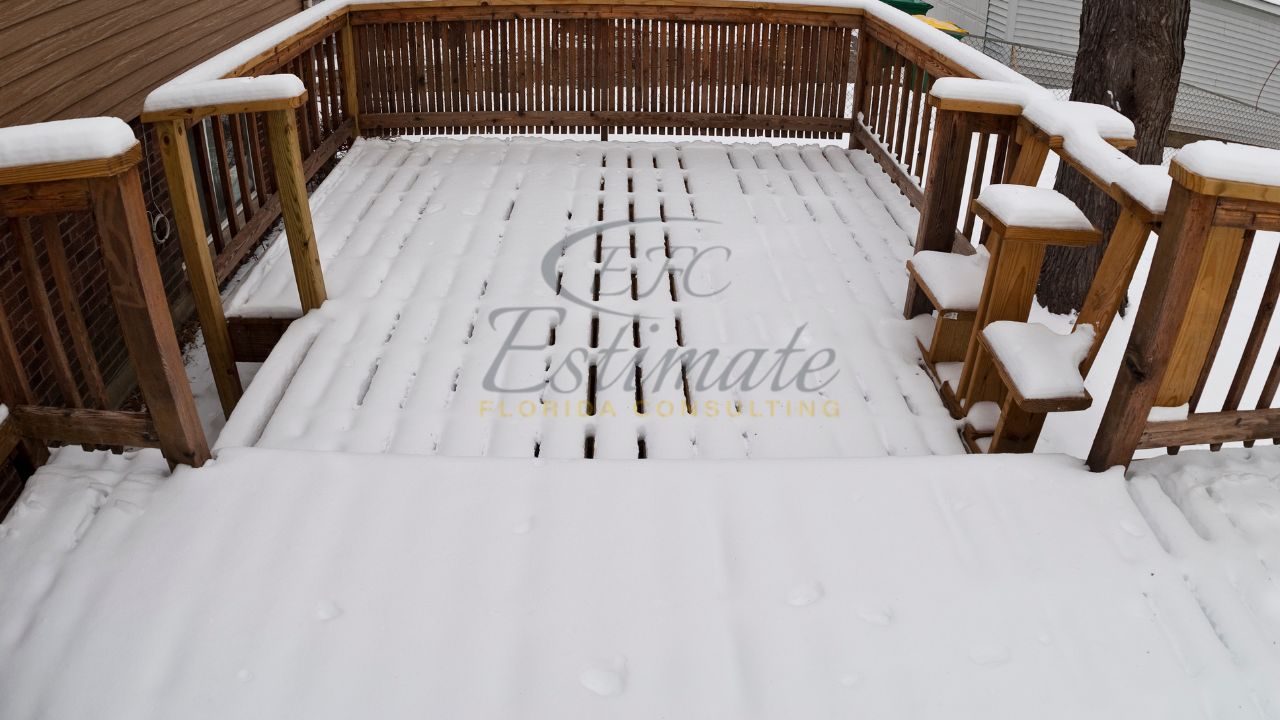
Why Illinois Winters Are Tough on Decks?
That freeze-thaw thing everyone talks about? It’s real, and it’s rough. Water gets into the smallest cracks in your deck boards. Temperature drops below freezing, that water turns to ice and expands. Then it warms up, melts, and the whole cycle starts over. By the time spring rolls around, those tiny cracks have turned into serious splits.
Up in the Chicago area and northern Illinois, winters hit different. You’re looking at weeks of sub-zero temps and serious snow pileup. Head down toward Springfield or further south, and you get a different problem: more freeze-thaw cycles but less sustained cold. Either way, moisture is your enemy.
Then there’s snow weight. A really wet, heavy snowfall can put hundreds of pounds on your deck. Mix that with water that can’t drain properly underneath, and you’ve got prime conditions for rot and mold. Common winter damage I’ve seen includes wood that’s splintered or warped, boards that’ve come loose, and posts that are rotting where they meet the ground.
Pre-Winter Inspection: What to Look For
Get out there before the first real snow and actually walk your entire deck. This is your chance to catch problems while they’re still manageable.
Here’s what you need to check:
- Support beams and joists: Push on them. Do they move? Any visible cracks or sagging?
- Ledger board: That’s the board connecting your deck to your house. Critical for safety, so don’t skip this one.
- Posts and footings: Look near ground level, especially. That’s where moisture collects and rot starts.
- Deck boards: Walk every inch. Soft spots mean trouble.
- Fasteners: Tighten screws that’ve worked loose. Replace any rusty nails you spot.
- Railings and balusters: Give them a good shake. They should be rock solid.
- Stairs and handrails: These take more abuse than people realize.
- Gaps between boards: Clear out all that junk hiding in there.
See something that looks structurally sketchy? Extensive rot, major sagging, anything that makes you go “hmm, that’s not right”? That’s when you call in deck builders near Illinois to take a professional look. Some fixes are DIY-friendly, but structural stuff needs someone who knows what they’re doing.
Deep Cleaning Before Winter
Clean decks are easier to protect. Simple as that. Plus, you’ll spot damage you might’ve missed on your first walkthrough.
Clear everything off first. Furniture, plants, your grill, decorations, all of it. Then sweep everything away. The leaves, the dirt, all that debris that’s been collecting. Really focus on the gaps between boards because that’s where organic stuff likes to hide and create moisture problems.
When you’re ready to actually wash it, pick a cleaner that matches your material. Wood needs gentle, pH-neutral stuff. Composite can handle more, but check what the manufacturer says first. Follow the mixing instructions, grab a brush, and scrub away all that dirt and any mildew you see.
Pressure washers are tempting because they’re fast. Just watch your pressure settings. Too high and you’ll damage wood grain or gouge composites. Keep moving and don’t get too close to the nozzle.
Timing is everything here. September or early October, when it’s still warm and dry. Your deck needs days to fully dry before you seal it. Putting sealant on damp wood doesn’t work.
Sealing and Protecting
Wood decks and composite decks need completely different approaches here.
Deck Type | Winter Protection Needed | Application Requirements | Frequency |
Wood | Yes – water-repellent sealant or stain required | Temperature above 50°F, dry conditions for 24-48 hours | Every 1-2 years |
Composite | Usually no, but check manufacturer specs | Varies by product if needed | Rarely, unless specified |
Pressure-Treated Wood | Yes – even though treated, still needs a topcoat | Same as regular wood | Every 2-3 years |
For wood, test what you’ve already got by splashing some water on it. Does it bead up and roll off? You’re good. Does it soak right in? Time to reseal. Look for products that repel water and protect against UV damage.
Weather matters big time when you’re applying sealant. You need consistent temps above 50 degrees and zero rain for at least two days after. Late September or early October usually gives you that window in Illinois.
Composite decks are way more forgiving here. Most modern composite materials don’t need sealing at all. Some older types or specific brands do recommend it, so when in doubt, check the manufacturer’s info.
Winterizing Checklist: Step-by-Step
Alright, here’s your action plan.
Before First Snow:
- Take furniture inside or use waterproof covers
- Store planters and decorative stuff indoors
- Clean out gutters and downspouts so water doesn’t overflow onto your deck
- Double-check that water flows away from the deck, not toward it
- Lock down any loose decorations
- Trim back tree branches hanging overhead
Monthly During Winter:
- Clear snow with a plastic shovel (metal scratches everything)
- Skip the rock salt and harsh de-icers (they wreck both wood and composite)
- Check railings, posts, and stairs for ice buildup
- After big storms, look for new cracks or damage
- Make sure snow isn’t all piling up in one spot
What to Avoid:
- Metal shovels, snow blowers with metal parts, anything sharp
- Regular road salts (sodium chloride, calcium chloride)
- Leaving heavy snow sitting there for weeks
- Ignoring small problems until spring (they’ll get worse)
Special Considerations for Illinois Climate
Chicago and the northern suburbs deal with different problems than central or southern Illinois. Up north, it’s more about sustained cold and heavy snow accumulation. The further south you go, the more freeze-thaw cycles become the issue instead of sustained freezing.
Got a multi-level deck? Pay extra attention to drainage. Water running off the upper level can freeze on the lower sections, creating ice patches and drainage headaches. Each level needs its own clear drainage path.
Poor drainage spots are trouble no matter where you live. Water pools on your deck? It’ll freeze there and cause damage. Sometimes you need better drainage solutions or you need to adjust the deck’s slope. That’s work you’d want done before winter shows up.
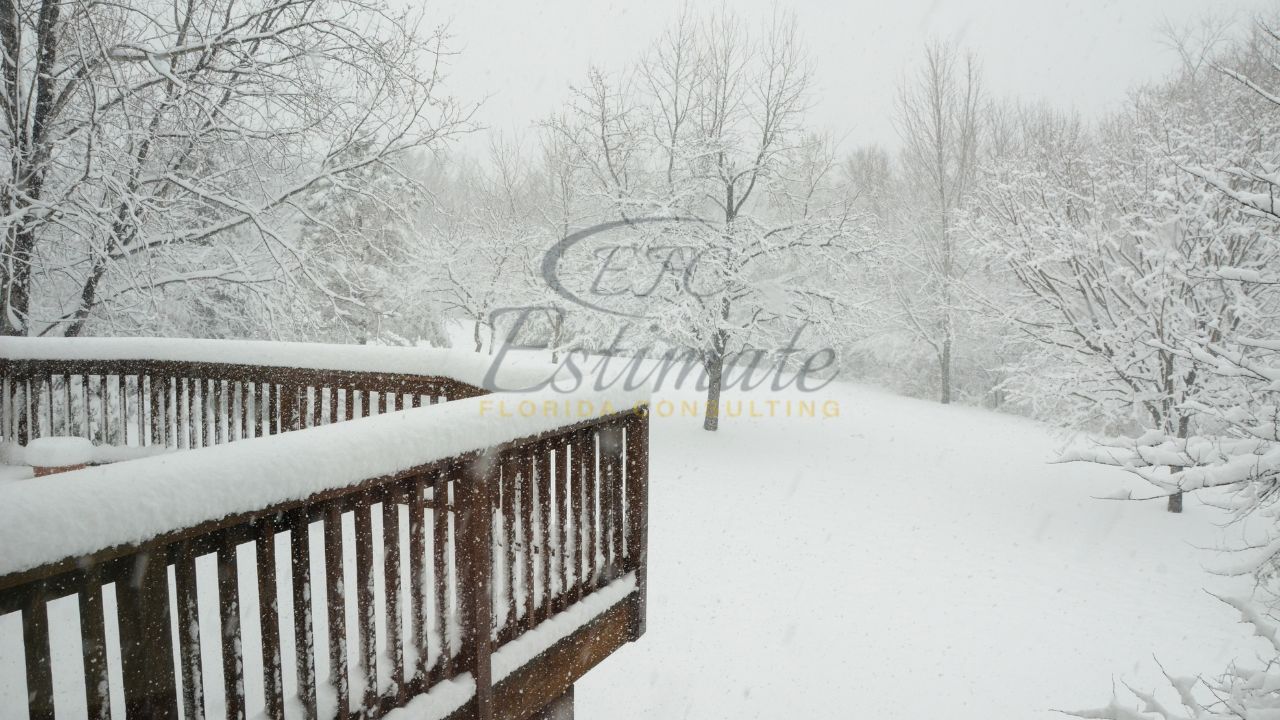
Building codes in Illinois vary, especially regarding snow load capacity in northern counties. Older decks might not meet current standards, which is good to know if you’re thinking about renovations.
When to Call Professional Deck Builders?
Most winter prep is DIY-friendly, but some situations need professionals. Serious sagging or bouncing when you walk across it? Big red flag. That’s telling you the support system has problems.
Unstable posts, rot in multiple spots, or a ledger board pulling away from the house are serious issues. Don’t mess around with these. Get deck builders near Illinois out there to assess the damage and tell you what needs fixing.
Sometimes the smart play is getting a pro inspection before winter, even if things look okay. They know what warning signs matter and can spot stuff the average homeowner misses. They can also tell you whether something can wait until spring or needs fixing now.
Cracked boards, loose railings, drainage issues? Fix those now. Letting them sit under snow and ice for months just makes them worse and more expensive to repair later.
Conclusion
Breaking deck winterization down into steps makes it way less overwhelming. Clean thoroughly, inspect for damage, seal if your material needs it, and stay on top of maintenance through winter. Plastic shovels, not metal. No harsh chemicals. Don’t let snow build up forever.
Spending a couple of hours in the fall saves you from expensive surprises in spring. Your deck is a real investment in your property. Take care of it and you’ll get decades of use out of it. If you spot anything that looks structural or you’re just not sure about repairs, talk to local pros. Way better to fix problems early than deal with safety issues down the road.