Who Pays When a Vehicle Destroys Fences, Walls, or Foundations in Kentucky?
If a vehicle crashes into fences, walls, or even the foundation of a home in Kentucky, figuring out who’s on the hook for repairs can get complicated fast. Most of the time, it’s going to be the driver or car owner who caused the mess that ends up paying for it—assuming, of course, they have the right insurance. But if the driver doesn’t have enough coverage (or any at all), homeowners might have to lean on their own insurance policies to patch things up.
Getting to the bottom of who’s responsible usually means collecting evidence: photos, witness accounts, and police reports are all helpful. Insurance companies will want all that before they’ll even consider a claim. Knowing how liability and policy limits work is key if you want a fair shake.
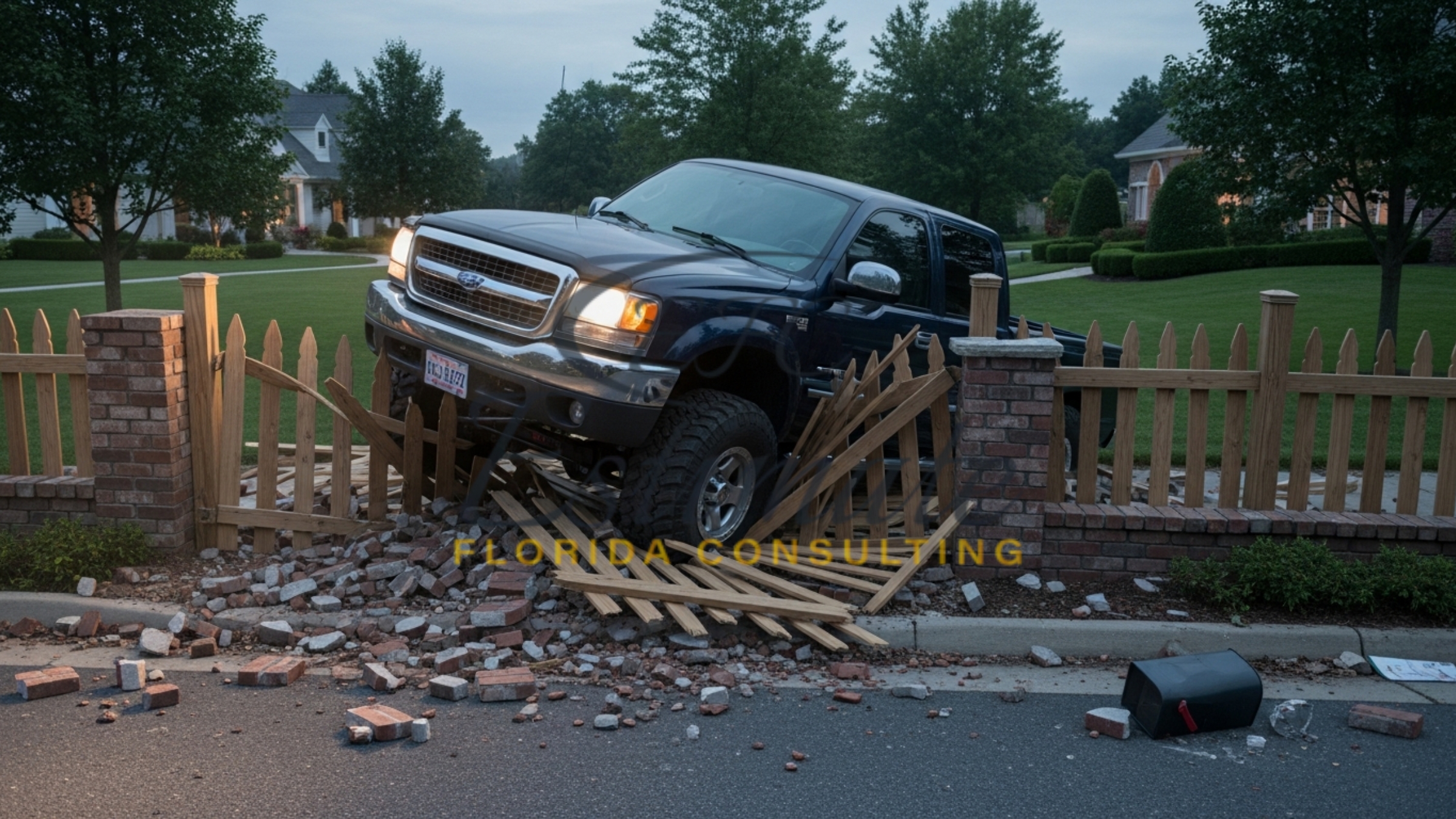
And honestly, sometimes you need a lawyer to sort out the mess when property damage is involved.
If you’re a property owner and all this feels overwhelming, getting some professional advice is probably a good idea—especially if a car just smashed your fence or worse. Folks in Kentucky might want to talk to an attorney who knows the ropes with accident claims, just to make sure they’re not missing out on money they’re owed.
Determining Who Pays for Vehicle Damage to Fences, Walls, or Foundations
When a car plows into a fence, wall, or foundation, the big question is: who caused it, and what kind of insurance do they have? Kentucky law is all about liability, insurance policies, and—sometimes—how much blame everyone shares.
How Fault and Liability Are Established in Kentucky?
It all comes down to whether the driver was being careless, like losing control or ignoring traffic laws. In Kentucky, if a driver smashes into your property, they’re usually the ones on the hook for repairs.
Evidence matters. Think accident scene photos, police paperwork, statements from people who saw it happen, and a close look at the damage. The whole process is about proving the driver was at fault, whether through bad judgment or flat-out negligence.
In Kentucky, whoever’s at fault typically pays. But if more than one person is partly to blame, things can get messy, and the share of fault can change who covers what.
Role of Auto Insurance and Property Damage Liability Coverage
Auto insurance in Kentucky almost always has a piece that covers damage you cause to someone else’s property. This property damage liability insurance is there to pay for repairs or replacements if a driver messes up someone’s fence, wall, or foundation.
After an accident, the property owner should file a claim with the at-fault driver’s insurance. Then it’s up to the insurance company to figure out if the policy covers it and how much they’re willing to pay.
If the driver doesn’t have insurance or has not enough, the property owner might have to file with their own auto or homeowners policy. Kentucky law says you have to have liability coverage, so there’s usually at least something to work with, but it doesn’t always cover everything.
What Happens If Damages Exceed Policy Limits?
Insurance only pays up to a certain amount—the policy limits. If the cost to fix your fence or wall is higher than that, the driver who caused the mess could be personally responsible for the rest.
At that point, you might have to take legal action or try to negotiate for more. The at-fault driver could end up paying out of pocket, and in some cases, the court might even order wage garnishment to make you whole.
Kentucky courts look at the total damage and the insurance coverage when deciding on compensation. If you’re a property owner, keep every repair bill and document everything—it could make a big difference if you have to go after more than the insurance will pay.
Impact of Comparative Negligence and Shared Fault
Kentucky uses what’s called modified comparative negligence. Basically, if you’re less than 50% at fault, you can still get compensated, but the amount is reduced by your percentage of blame.
So, say your fence was partly in the way or not up to code, and that played a role in the accident. If you’re, say, 20% responsible, your payout drops by that much. But if you’re 50% or more at fault? Sorry, you won’t get anything.
This shared fault thing means everyone’s actions get looked at, and it prevents one-sided outcomes when both sides had a hand in what happened. It’s a reminder to really nail down who’s responsible if you want a decent settlement.
Insurance Claims, Coverage Options, and Steps After the Incident
When a car hits your fence, wall, or foundation in Kentucky, insurance is supposed to help—but it’s not always straightforward. Different policies and steps come into play, and they all affect who pays, how much, and how repairs get handled.
Filing a Property Damage Claim and Working With Insurance Companies
Once the damage is done, the first move is to contact the at-fault driver’s insurance company and start a property damage claim. Most auto policies cover this kind of thing, at least up to a point.
You’ll need to send in details—photos, repair quotes, maybe witness info if you have it. Usually, an insurance adjuster will come out to check the damage. The faster you get them what they need, the less likely you’ll be stuck waiting.
Just remember, deductibles and coverage caps can limit your payout. If the offer from insurance is too low, don’t be afraid to push back. Get your own repair estimates or, if it comes to it, take things to mediation or even court.
Homeowners Insurance and Other Coverage That May Help
Homeowners insurance often covers damage to fences, walls, and foundations caused by vehicles—especially if the driver can’t be found or doesn’t have enough insurance. Usually, this falls under the property protection part of your policy, but there will probably be a deductible.
Some policies even cover damage caused by a car owned by you or a guest. And if the crash was caused by an uninsured driver, your homeowners policy might step in with extra coverage.
It’s worth reading the fine print on your policy, since there can be exclusions or weird clauses. Sometimes, working both your auto and homeowners insurance angles gives you better protection.
Uninsured and Underinsured Motorist Options
In Kentucky, you can get uninsured motorist property damage coverage, which kicks in if the driver who hits your property doesn’t have insurance. There’s also underinsured coverage if their policy isn’t enough to cover all the repairs.
Double-check if you have these options on your policy and know what the limits are. Reporting the accident quickly and having solid proof helps your case.
If you don’t have uninsured or underinsured coverage, your options shrink. You might have to go after the at-fault driver directly—sometimes that means small claims court, sometimes it’s a bigger legal fight.
Repair Estimates, Out-of-Pocket Costs, and Legal Recourse
Getting a handful of repair quotes—ideally from shops you trust—goes a long way when you’re comparing what the insurance company offers versus what’s actually fair. Of course, your coverage matters here; deductibles will chip away at the payout, so you’ll probably have to cover at least some costs yourself.
If the damage from the vehicle is really bad, sometimes the insurance folks just call the property a total loss. When that happens, the settlement is usually based on whatever the market value is at the time, minus depreciation, which, let’s be honest, can sting a bit.
Now, if you end up butting heads with the insurer over what they’re willing to pay, small claims court might be worth considering to try to get the rest. It helps a ton to have solid documentation—think police reports, photos, repair estimates—anything that backs up your side. At the end of the day, knowing how your policies interact and what your state’s laws say can help you avoid nasty surprises and make sure you actually get what you’re owed.