



What is CAD and Its Advantages?

Get CAD services for your project

In today’s fast-evolving construction and design industry, Computer-Aided Design (CAD) has become the backbone of modern planning, modeling, and drafting. Whether it’s designing a multi-story commercial building, planning an HVAC system, or developing intricate electrical layouts, CAD technology plays a crucial role in turning ideas into accurate, detailed, and executable designs.

At Estimate Florida Consulting, we understand how precision drives success in construction projects. CAD not only enhances accuracy but also saves time, reduces material waste, and allows seamless collaboration between architects, engineers, and contractors. In this detailed guide, we’ll explore what CAD is, how it works, and why it’s a game-changer for today’s construction professionals.

What is CAD and Its Advantages

Upload Your Plan
For Your Projects

What is CAD (Computer-Aided Design)?

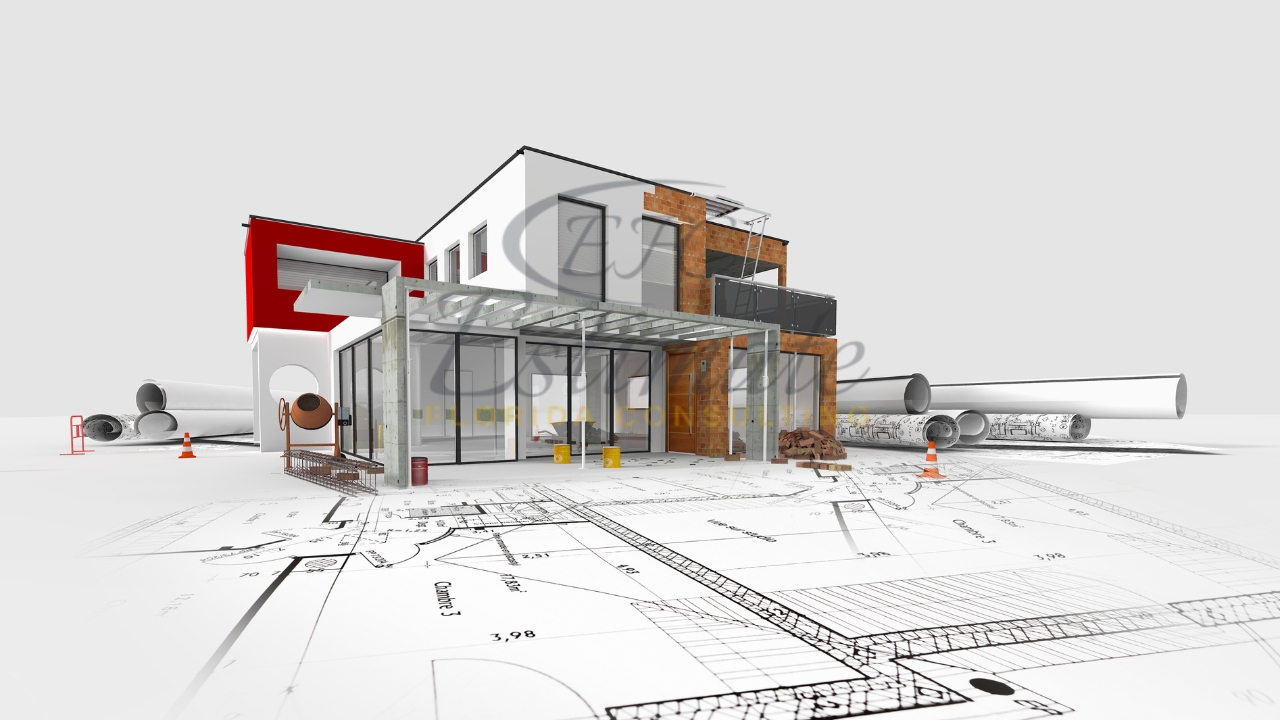
CAD, short for Computer-Aided Design, refers to the use of computer software to create 2D drawings, 3D models, and detailed blueprints used in construction, engineering, and manufacturing. Instead of traditional hand drafting, CAD enables designers to work digitally—offering greater accuracy, flexibility, and visualization capabilities.

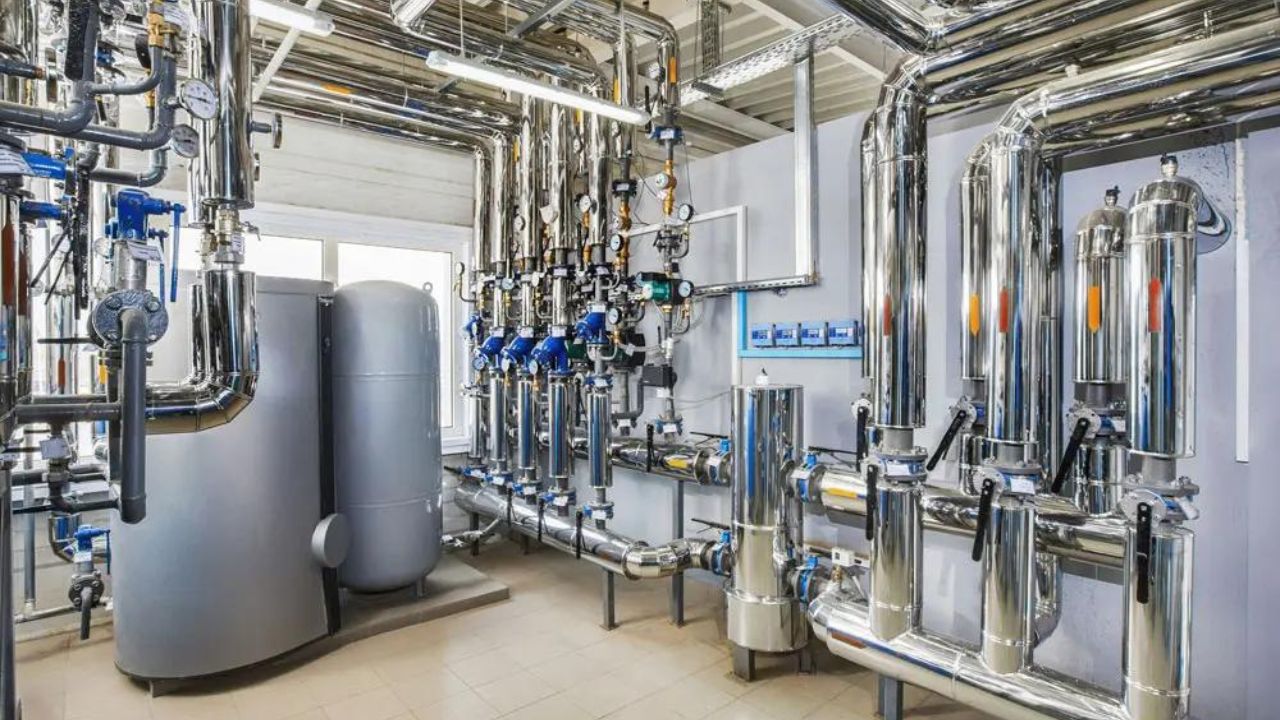
CAD software such as AutoCAD, Revit, SketchUp, and SolidWorks allows professionals to visualize every component of a project in detail. From structural beams and electrical layouts to HVAC systems and plumbing lines, everything can be modeled and simulated before construction begins. This helps in detecting potential errors, optimizing material usage, and ensuring the design aligns perfectly with client requirements and building codes.

CAD is not limited to one field. It’s widely used in architecture, mechanical design, civil engineering, interior design, and product manufacturing. Essentially, wherever there’s a need for precision and visualization, CAD becomes an indispensable tool.

Evolution of CAD Technology

The concept of CAD emerged in the 1950s and 60s, initially used for aerospace and automotive engineering. Early systems were expensive and limited in capability, accessible only to large corporations. However, with the advancement of computer technology, CAD tools became more powerful and affordable, leading to widespread adoption across industries by the 1990s.

Today, CAD has evolved from simple line drafting tools to intelligent 3D modeling systems that integrate with Building Information Modeling (BIM) software. Modern CAD programs allow real-time collaboration, automated error checking, and seamless integration with estimation tools—enabling professionals like Estimate Florida Consulting to provide accurate cost estimates and project visualizations with remarkable efficiency.

How CAD Works?

CAD works by using computer algorithms to create precise geometric representations of objects. The process typically begins with a concept or sketch, which is then transformed into a digital model using CAD software. Users can adjust dimensions, materials, and configurations with just a few clicks, creating both 2D and 3D versions of the design.

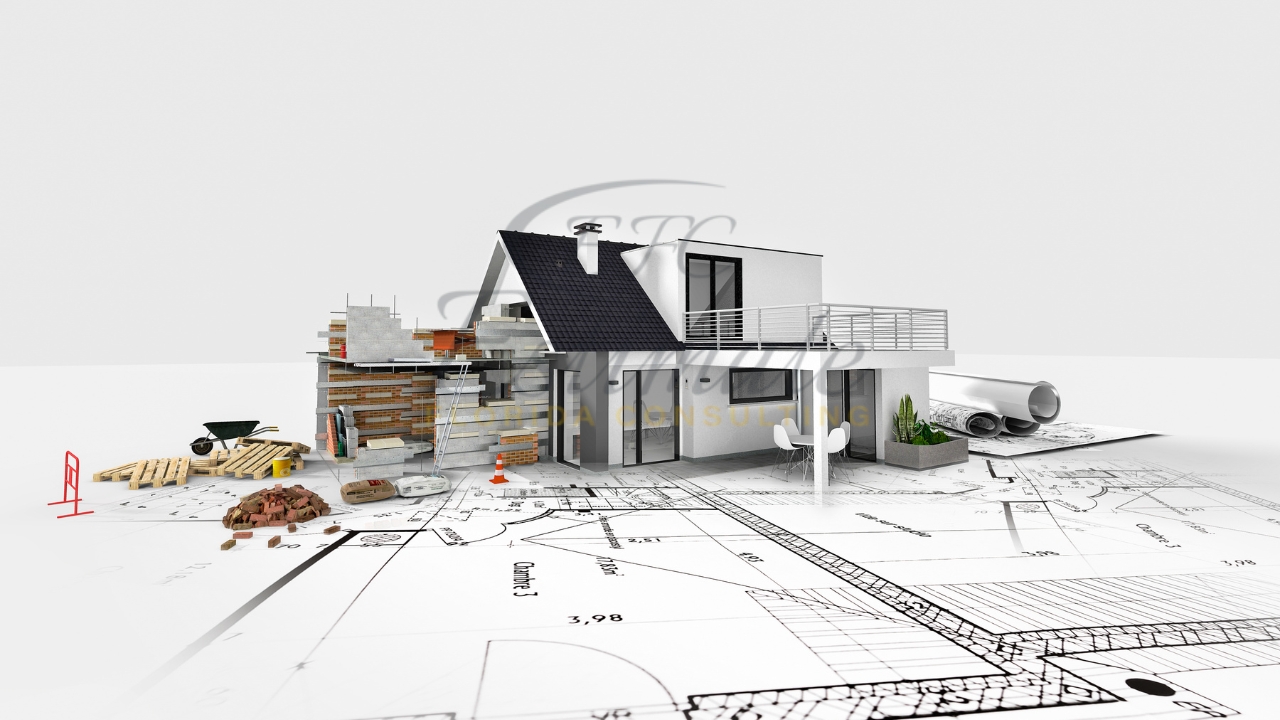
For instance, in construction projects, CAD allows an estimator or architect to design a floor plan in 2D, then build a full 3D visualization showing walls, windows, mechanical systems, and even interior finishes. Once the model is ready, it can be used to generate technical drawings, sectional views, 3D renderings, and material schedules.

What is CAD and Its Advantages

Moreover, CAD files can be shared easily among professionals. Engineers, architects, and estimators can work on the same digital file, ensuring everyone is aligned. This collaborative environment significantly reduces communication errors and rework costs, which are common in traditional drafting methods.

Types of CAD Systems

CAD isn’t a one-size-fits-all tool; different types of CAD systems serve different purposes. Below are the main types used in the construction and design industry:

2D CAD (Two-Dimensional Design)

This type focuses on flat drawings and layouts. It’s used for floor plans, site layouts, and schematic diagrams. It’s ideal for precision drafting, especially when detailed dimensions are essential.

3D CAD (Three-Dimensional Modeling)

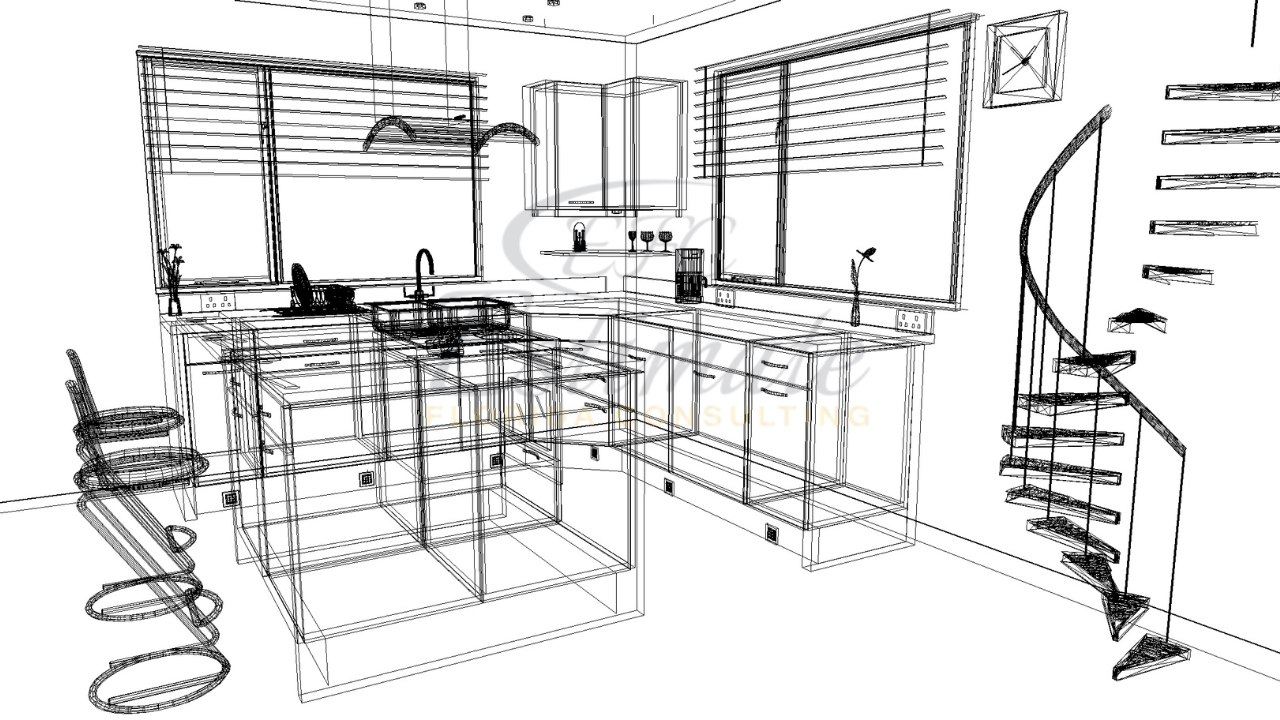
3D CAD creates realistic, volumetric models that allow professionals to visualize designs in real space. It’s used for architectural visualization, structural modeling, and mechanical designs.

Get High-Quality 3D Rendering Services Today!

Transform your space with stunning 3D Rendering that blends style, comfort, and functionality.

We specialize in providing 3D floor plan services.

Parametric CAD

This system allows users to modify dimensions or parameters, and the entire model updates automatically. It’s widely used in engineering and product design for consistency and efficiency.

Direct Modeling CAD

A more flexible system where designers can modify models directly without worrying about parameters. It’s useful for conceptual design phases and creative modeling.

BIM-Integrated CAD (Building Information Modeling)

This advanced system combines CAD’s precision with data-rich modeling. It’s used in large construction projects where every element—from walls to HVAC ducts—carries information like material type, quantity, and cost.

Advantages of CAD in Construction and Design

The shift from manual drafting to CAD has revolutionized how professionals plan and execute projects. Here are the major advantages of using CAD in construction and estimation:

1. Unmatched Precision and Accuracy

Accuracy is crucial in construction. Even a minor error in manual drafting can lead to costly on-site mistakes. CAD eliminates this problem by providing exact measurements and dimensions. Every line, curve, and angle can be defined mathematically, ensuring that designs are precise and consistent throughout the project.

2. Enhanced Visualization and 3D Modeling

CAD allows designers to create lifelike 3D models of buildings and spaces. This helps clients visualize the final outcome before construction even begins. For instance, Estimate Florida Consulting uses 3D CAD modeling to help clients understand structural layouts, mechanical systems, and design flow, reducing confusion and ensuring better decision-making.

3. Faster Design and Modifications

Traditional hand drafting could take weeks or months, especially when revisions were needed. With CAD, modifications are instant. Designers can update dimensions, add or remove features, and test multiple design options within minutes. This efficiency not only saves time but also reduces overall project costs.

4. Better Collaboration and Communication

One of CAD’s greatest strengths is its ability to facilitate teamwork.

What is CAD and Its Advantages

Multiple professionals—architects, engineers, estimators, and contractors—can work on the same digital file simultaneously. Cloud-based CAD systems like AutoCAD 360 or Revit BIM allow real-time sharing and updates, minimizing miscommunication and rework.

5. Integration with Estimation and Cost Analysis

At Estimate Florida Consulting, CAD plays a vital role in accurate cost estimation. The digital models created using CAD can directly link with estimation tools to calculate quantities, materials, and labor requirements automatically. This integration ensures that project estimates are both detailed and reliable.

6. Reduced Material Waste and Cost Savings

By simulating real-world conditions digitally, CAD helps identify potential design flaws before construction begins. This means fewer on-site changes, reduced material waste, and better resource allocation. Accurate CAD drawings also allow contractors to order the exact amount of material required, preventing over-purchasing and minimizing budget overruns.

7. High-Quality Presentation for Clients

CAD-generated 3D renderings and walkthroughs provide clients with a realistic view of their future project. These presentations not only help secure approvals faster but also enhance client satisfaction. For developers and contractors, high-quality CAD visualizations serve as powerful tools for marketing and project pitching.

8. Easy Documentation and Storage

Unlike bulky paper blueprints, CAD files are digital and can be stored, duplicated, and shared effortlessly. All revisions, versions, and updates can be tracked, ensuring you always have the latest design available. This makes long-term project management and maintenance easier and more organized.

9. Greater Design Flexibility

With CAD, professionals can experiment with different layouts, materials, and finishes quickly. Whether it’s trying out new color schemes or reconfiguring structural elements, CAD offers flexibility without the hassle of redrawing everything from scratch. This makes it a powerful tool for innovation and creativity in modern construction.

Want to Start Your Project with the Best Contractors?

Let’s Take Your Projects to the Next Level.

EMAIL info@estimatorflorida.com
PHONE 561-530-2845

& What's you will get:

  • Connecting You to Top Local Contractors
  • Professional Consulting, Contractors Near You
  • From Expert Advice to Local Contractor Connections 
We’re Here for You – Reach Out Today!

Contact Now

Let's discuss with a cup of coffe

Applications of CAD in the Construction Industry

CAD technology is used across multiple stages of construction, from concept design to execution. Its applications include:

  • Architectural design and floor planning

  • Structural and MEP (Mechanical, Electrical, Plumbing) layout drafting

  • Site planning and grading design

  • Interior design and space optimization

  • 3D visualization and rendering

  • Quantity takeoff and estimation

  • As-built drawings and documentation

These applications make CAD an essential tool not only for designers but also for estimators, project managers, and contractors who rely on detailed drawings to execute projects accurately.

Future of CAD in Construction

As technology continues to evolve, CAD is becoming more powerful and intelligent. The integration of Artificial Intelligence (AI), machine learning, and cloud-based BIM systems is transforming how designs are created and managed. In the near future, CAD software will be able to predict design issues, automatically optimize structures, and generate real-time cost updates.

At Estimate Florida Consulting, we’re already integrating these next-generation CAD capabilities into our estimation and design services. This allows our clients to experience the perfect blend of precision, innovation, and cost-efficiency in every project.

Final Thoughts

CAD (Computer-Aided Design) has completely transformed the way the construction and design industries operate. It bridges the gap between imagination and execution—turning ideas into detailed, data-driven, and accurate blueprints. For estimators, architects, and developers, CAD is not just a design tool—it’s a strategic asset that improves communication, accuracy, and profitability.

At Estimate Florida Consulting, we use CAD technology to enhance our estimating and project planning services across Florida. Whether you’re developing a commercial complex, a residential property, or a remodeling project, our CAD-driven approach ensures that every detail is precise, efficient, and ready for construction.

90% More Chances to Win Bids with Our Estimate!

Question Answer

Frequently Asked Question

CAD (Computer-Aided Design) is software that allows architects, engineers, and designers to create precise 2D drawings and 3D models of structures. It replaces manual drafting, offering higher accuracy, better visualization, and faster design updates.

CAD improves accuracy, enhances 3D visualization, saves time, reduces material waste, and facilitates seamless collaboration between project teams. It also helps integrate design with cost estimation for more efficient project planning.

CAD ensures every line, dimension, and angle is mathematically precise. This minimizes design errors and helps prevent costly mistakes during construction, leading to more efficient project execution.

The main CAD types include 2D CAD (for layouts and plans), 3D CAD (for realistic modeling), Parametric CAD (for automated updates), Direct Modeling CAD (for flexible edits), and BIM-Integrated CAD (for data-driven construction management).

CAD models can be linked with estimation tools to automatically calculate material quantities, labor, and costs. At Estimate Florida Consulting, this integration helps produce highly accurate and detailed project estimates.

Comprehensive Trade-Specific Estimates

At Estimate Florida Consulting, we offer detailed cost estimates across all major trades, ensuring no part of your project is overlooked. From the foundation to the finishing touches, our trade-specific estimates provide you with a complete and accurate breakdown of costs for any type of construction project.

Steps to Follow

Our Simple Process to Get Our CAD Services

01

Share Your Project Details

Contact us with your project requirements, including sketches, blueprints, or inspiration images. Our team will analyze your vision and discuss your specific needs.

02

Get a Customized Proposal

We provide a detailed proposal with pricing, estimated timelines, and project deliverables. Once you approve the quote, we begin the rendering process.

03

CAD Drafting & Revisions

We create precise 2D and 3D CAD drawings and refine them based on your feedback, ensuring accuracy and design perfection.

04

Final Delivery

Once you approve the final design, we deliver the high-resolution 3D renders, animations, or VR models in your preferred format.

Construction Cost Estimator
Client Trust Us

Our Clients & Partners

We pride ourselves on building strong, lasting relationships with our clients and partners across the construction industry.

Testimonials

What Our Clients Say?

We take pride in delivering accurate, timely, and reliable estimates that help contractors and builders win more projects. Our clients consistently praise our attention to detail, fast turnaround times, and the positive impact our estimates have on their businesses.

Estimate Florida Consulting has helped us win more bids with their fast and accurate estimates. We trust them for every project!
Marvelous Marble
Marvelous Marble Manager

Their estimates are always on time and on point, making budgeting much easier. We've saved time and money thanks to their services.

6 Star Contractors
6 Star Painting Contractor

Since using their services, we’ve secured more projects. Their attention to detail is second to none.

Patio Pools Driveways
Patio Pools and Driveway Contractor

Upload Plans Here