Understanding Smoke Odor Removal: Tips from the Experts
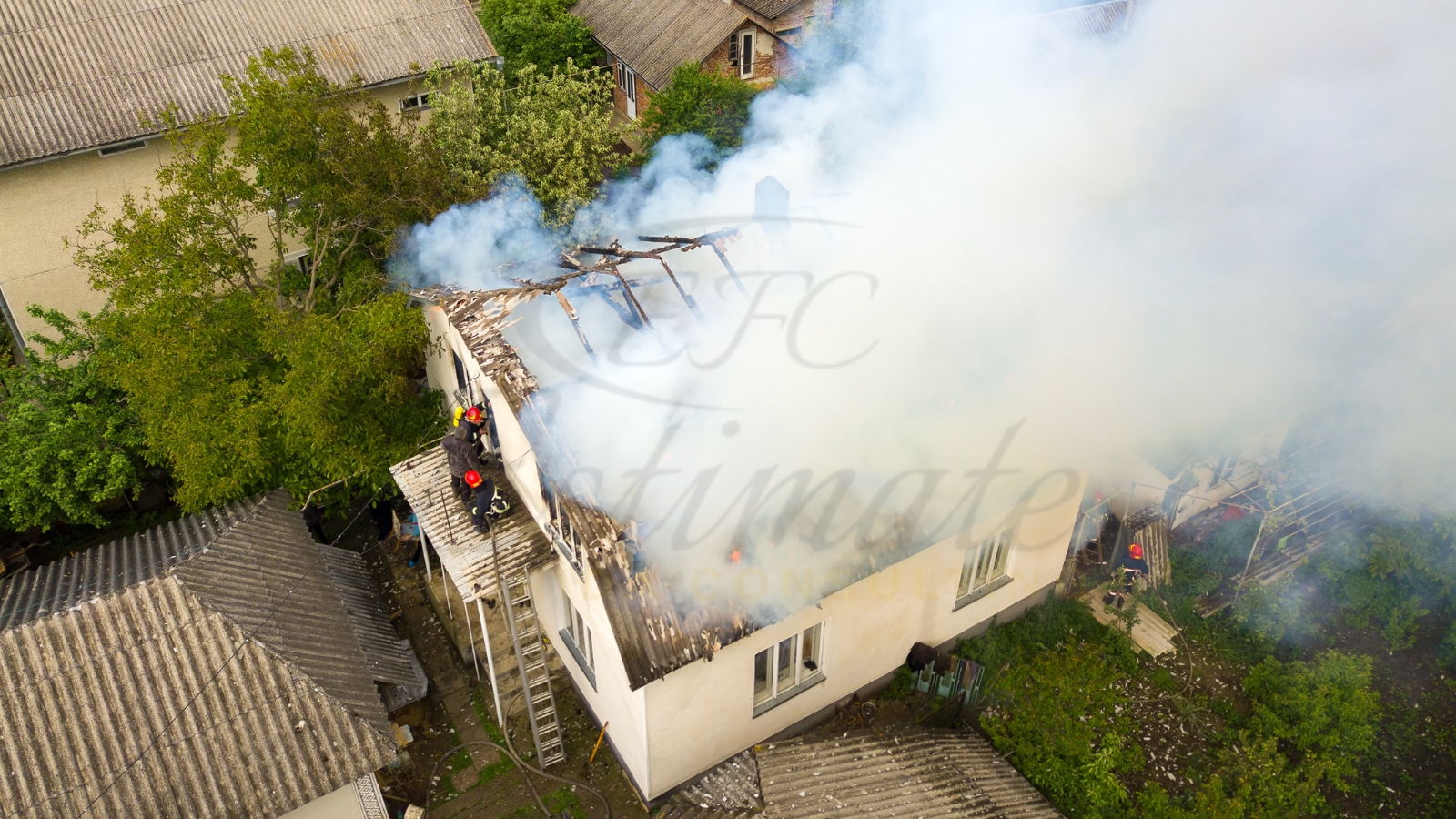
Smoke odor is one of the most stubborn and unpleasant smells to eliminate from indoor environments. Whether it’s the lingering scent of cigarette smoke, the aftermath of a house fire, or the residue from a kitchen mishap, smoke can permeate walls, furniture, carpets, and even HVAC systems. Removing it requires more than just air fresheners or surface cleaning—it demands a strategic, expert-informed approach. In this article, we delve into the science behind smoke odor, explore why it’s so persistent, and share proven techniques from professionals who specialize in odor remediation.
Why Smoke Odor Is So Difficult to Remove?
Smoke odor is composed of microscopic particles and volatile organic compounds (VOCs) that embed themselves into porous materials. Unlike surface stains, these particles penetrate deep into fabrics, drywall, insulation, and upholstery. The chemical composition of smoke varies depending on the source—wood, tobacco, plastic, or food—and each type leaves behind a unique blend of residues.
Additionally, smoke particles are sticky and cling to surfaces, making them resistant to simple cleaning methods. Over time, these particles can react with humidity and heat, reactivating the odor and causing it to resurface even after initial cleaning. This is why many homeowners find that smoke smells return days or weeks after they thought the problem was solved.
Initial Assessment and Ventilation
Experts emphasize the importance of a thorough assessment before beginning any smoke odor removal process. Identifying the source and extent of contamination is crucial. In cases of fire damage, professionals inspect structural materials, insulation, and air ducts to determine how far the smoke has traveled.
The first step in any remediation plan is ventilation. Opening windows and using fans to circulate fresh air helps reduce the concentration of airborne smoke particles. However, ventilation alone is not sufficient. It must be combined with targeted cleaning and deodorizing strategies to achieve lasting results.
Professional Cleaning Techniques
One of the most effective methods used by professionals like fire restoration service near me is thermal fogging. This technique involves heating a deodorizing agent and releasing it as a fog that mimics the behavior of smoke. The fog penetrates the same areas that smoke did, neutralizing odors at their source. Thermal fogging is particularly useful in large spaces or areas with extensive smoke damage.
Another advanced method is ozone treatment. Ozone generators release ozone molecules that oxidize smoke particles, breaking them down chemically and eliminating the odor. While highly effective, ozone treatment must be conducted with caution. Ozone can be harmful to humans and pets, so the space must be vacated during the process and properly ventilated afterward.
Dry ice blasting is also gaining popularity among restoration experts. This technique uses pressurized dry ice pellets to remove soot and smoke residue from surfaces without damaging them. It’s especially useful for cleaning wood, brick, and metal surfaces in fire-damaged buildings.
Cleaning Soft Furnishings and Fabrics
Soft materials like carpets, curtains, and upholstery are notorious for absorbing smoke odors. Experts recommend professional steam cleaning or hot water extraction to remove embedded particles. In some cases, items may need to be treated with specialized cleaning agents or even discarded if the damage is too severe.
For clothing and linens, washing with odor-neutralizing detergents and adding baking soda or vinegar to the rinse cycle can help. However, repeated washing may be necessary, and some items may still retain a faint smell.
Addressing HVAC Systems and Air Ducts
Smoke particles often infiltrate HVAC systems, spreading odor throughout the building. Cleaning air ducts and replacing filters is essential to prevent recontamination. Professionals may use specialized brushes, vacuums, and sanitizing agents to clean ductwork thoroughly.
Installing air purifiers with HEPA filters and activated carbon can also help capture residual smoke particles and VOCs. These devices are particularly beneficial for individuals with respiratory sensitivities or allergies.
Sealing and Painting Surfaces
In cases where smoke has penetrated walls and ceilings, cleaning alone may not suffice. Experts often recommend sealing affected surfaces with odor-blocking primers before repainting. These primers prevent smoke particles from leaching through the paint and releasing odor over time.
It’s important to use products specifically designed for smoke remediation. Standard paints and primers may not provide adequate protection, leading to recurring issues.
Preventive Measures and Long-Term Solutions
Once the odor has been removed, maintaining a smoke-free environment is key to preventing future problems. Avoid smoking indoors, use exhaust fans while cooking, and ensure proper ventilation in all rooms. Regular cleaning and maintenance of HVAC systems also play a vital role in keeping indoor air fresh.
For those living in areas prone to wildfires or industrial pollution, investing in high-quality air filtration systems can offer added protection. Monitoring indoor air quality and addressing issues promptly can prevent smoke odors from becoming a persistent nuisance.
When to Call the Experts
While DIY methods can be effective for minor smoke issues, severe contamination requires professional intervention. Restoration specialists have the tools, knowledge, and experience to tackle complex odor problems safely and efficiently. If smoke odor persists despite your efforts, it’s time to consult experts who can assess the situation and implement a comprehensive remediation plan.
Conclusion
Smoke odor removal is a multifaceted challenge that demands more than surface-level solutions. By understanding the nature of smoke particles and employing expert-recommended techniques, homeowners and property managers can restore freshness and comfort to their indoor spaces. Whether dealing with the aftermath of a fire or years of tobacco use, the key lies in a strategic, informed approach—and sometimes, in trusting the professionals to get the job done right. For expert care and rapid recovery after fire or water damage, trust the certified professionals at NYCrestoration.com to bring your property back to life.