Understanding Dwelling Under Construction Insurance with Estimate Florida Consulting
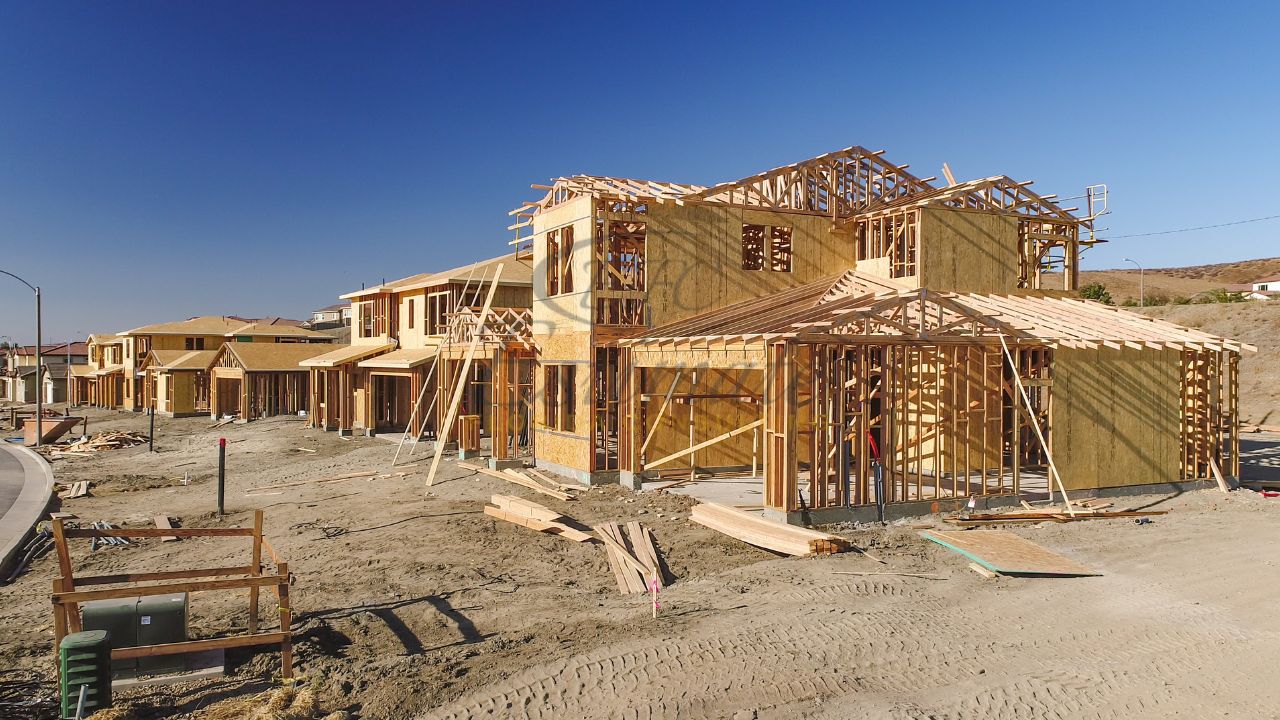
Florida’s residential construction scene is booming, with new homes rising from the sandy shores of the Keys to the bustling suburbs of Orlando. As the state’s population grows and housing demand surges, builders and homeowners are crafting dream homes tailored to withstand Florida’s unique challenges—hurricanes, flooding, and stringent building codes. However, constructing a dwelling comes with inherent risks: storm damage, theft of materials, or unexpected delays can turn a promising project into a financial nightmare. This is where Dwelling Under Construction (DUC) insurance, also known as builder’s risk insurance, steps in as a critical safeguard.
At Estimate Florida Consulting, we specialize in construction estimating services that integrate insurance costs into precise budgets, ensuring Florida builders and homeowners are protected without breaking the bank. In this comprehensive guide, we’ll explore what DUC insurance entails, why it’s essential in Florida’s high-risk environment, practical strategies to optimize coverage, and how our expertise helps you navigate this complex landscape. Whether you’re a contractor building a custom home in Naples or a homeowner overseeing a renovation in Tampa, this article equips you with the knowledge to protect your investment.
What is Dwelling Under Construction Insurance?
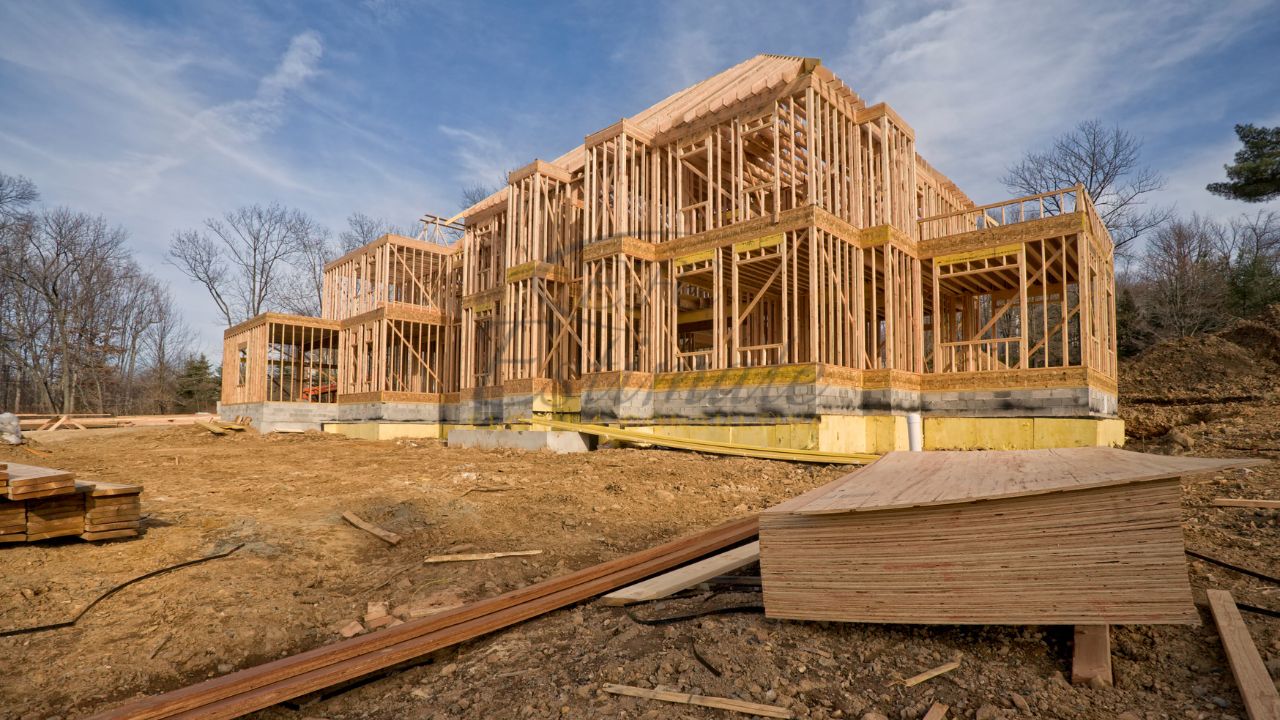
Dwelling Under Construction insurance is a specialized policy designed to protect residential properties during the building process, from groundbreaking to completion. Unlike standard homeowner’s insurance, which applies to finished homes, DUC insurance covers the structure, materials, and equipment on-site while the dwelling is under construction or renovation. It’s a subset of builder’s risk insurance, tailored specifically for residential projects, whether single-family homes, townhouses, or condominiums.
Key coverages include:
- Property Damage: Protection against losses from events like hurricanes, fires, vandalism, or theft of materials (e.g., copper piping or lumber).
- Temporary Structures: Coverage for scaffolding, trailers, or portable generators used during construction.
- Soft Costs: Compensation for delays caused by covered events, such as additional permit fees or financing costs.
- Optional Endorsements: Add-ons like flood coverage or named storm protection, critical in Florida’s high-risk zones.
According to the National Association of Home Builders (NAHB), DUC insurance typically costs 1-4% of a project’s value, with Florida premiums trending higher due to environmental risks. For a $600,000 custom home in Miami-Dade, expect annual premiums of $6,000-$18,000, influenced by location, materials, and coverage scope. Unlike general liability insurance, which covers third-party claims, or workers’ compensation for employee injuries, DUC focuses on the physical project itself, making it indispensable for builders and homeowners alike.
Why DUC Insurance is Critical in Florida’s Residential Construction?
Florida’s unique conditions make DUC insurance a must-have. The state’s Florida Building Code mandates hurricane-resistant features—think impact-resistant windows and reinforced concrete—that elevate material costs and exposure to damage during construction. Natural disasters are a constant threat: NOAA’s 2025 forecast predicts an above-average hurricane season, with potential losses mirroring Hurricane Ian’s $50 billion in damages in 2022. Flood risks are equally pressing, with FEMA noting that 25% of Florida’s flood claims occur in moderate-to-low-risk zones.
Construction-specific challenges compound these risks. Material theft is rampant—lumber and HVAC units are prime targets, with losses averaging $10,000-$50,000 per incident, per the Insurance Information Institute. Delays from supply chain disruptions, like the 18% spike in roofing materials in 2024, can inflate costs if not covered by soft-cost endorsements. Florida’s litigious environment also raises stakes: a single zoning misstep or permitting delay, governed by the Florida Department of Business and Professional Regulation, can trigger financial penalties.
For homeowners building their own homes, DUC insurance is often required by lenders to protect their investment. Contractors, meanwhile, rely on it to shield against losses that could erode slim margins. Without coverage, a single storm could wipe out a project’s budget, leaving builders or owners liable for repairs or replacements.
Our residential estimating services at Estimate Florida Consulting embed DUC costs into every estimate, using localized data to account for variables like coastal wind deductibles or inland theft risks. This ensures your budget reflects both construction and protection needs, keeping you competitive in Florida’s fast-paced market.
Benefits of Dwelling Under Construction Insurance
Investing in DUC insurance delivers tangible advantages for Florida’s residential projects:
- Financial Security: Covers losses from storms, theft, or vandalism, preventing catastrophic out-of-pocket expenses. For instance, replacing $40,000 in storm-damaged framing is fully covered under a robust policy.
- Project Continuity: Soft-cost coverage mitigates delays, such as re-permitting fees after a hurricane, ensuring timelines stay on track. The NAHB reports insured projects recover 25% faster post-incident.
- Lender and Client Trust: Banks require DUC for financed projects, while homeowners value builders with comprehensive coverage, boosting referrals in Florida’s competitive market.
- Customizable Protection: Endorsements like flood or named storm coverage tailor policies to Florida’s risks, unlike standard policies that exclude these perils.
By integrating DUC costs into our quantity takeoff services, we help clients avoid underbidding, ensuring funds are allocated for both construction and risk mitigation.
2025 Challenges: Navigating Rising Premiums and Policy Shifts
As of September 2025, Florida’s insurance market faces turbulence. The state’s property insurance crisis, fueled by hurricane losses and insurer exits, has driven DUC premiums up 25-35% since 2023, per a U.S. Department of Labor analysis. Coastal areas like Miami-Dade and Broward County see even steeper hikes due to windstorm and flood risks. Insurers are tightening terms: many policies now exclude named storms unless paired with costly endorsements, adding 15-20% to premiums.
Regulatory changes add complexity. Proposed 2025 rules from the Florida Office of Insurance Regulation aim to stabilize markets but may increase compliance costs for builders. Supply chain volatility—cement prices rose 12% in 2025—heightens theft risks, pushing insurers to demand detailed site security plans. For small contractors, already grappling with labor costs and H-1B visa fees, these spikes strain budgets.
Yet, opportunities abound. Insurers like Travelers and Chubb offer risk management programs, such as safety audits, that can reduce premiums by 5-10%. Digital tools, like Autodesk Construction Cloud for project tracking, demonstrate proactive risk control, appealing to underwriters. Builders adopting Revit for BIM can simulate flood or wind impacts, justifying lower rates through proven resilience.
Strategies to Optimize DUC Insurance in Florida
To maximize value and minimize costs, consider these actionable strategies:
- Assess Site-Specific Risks: Map your project’s exposure—coastal flood zones or inland theft hotspots—and customize coverage. Our bid management services include risk assessments to align policies with project needs.
- Secure the Site: Invest in fencing, cameras, or locked storage to deter theft, reducing premiums. Insurers often offer discounts for OSHA-compliant safety measures.
- Bundle Coverage: Combine DUC with general liability or commercial auto policies for savings. Multi-year policies lock in rates against rising premiums.
- Leverage Technology: Use BIM via Autodesk Forma to model risks, lowering claim likelihood. Our BIM estimating services integrate these insights for cost-effective budgets.
- Compare Quotes: Work with insurers specializing in construction, like Zurich or Liberty Mutual. We assist with cost projections to balance coverage and affordability.
How Estimate Florida Consulting Strengthens Your Insurance Strategy?
At Estimate Florida Consulting, we go beyond numbers, weaving DUC insurance into every estimate for a holistic approach. For a $750,000 Tampa home, we allocate $8,000-$20,000 for DUC, adjusted for flood zone premiums and material risks, using tools like ProEst. Our material takeoff services pinpoint quantities to prevent over-insurance, while our lead generation connects you to insurers with competitive rates.
A recent success: For a Fort Myers custom home, our BIM-driven estimate identified $10,000 in over-insured roofing materials, optimizing the DUC policy and saving 15% on premiums. Another client, a Palm Beach developer, used our risk analysis to secure a bundled policy, cutting costs by 10% and winning a tight bid. With over 1,000 projects estimated and a 90% retention rate, our data-driven approach—powered by local expertise and digital tools—ensures your project is protected and profitable.
Question Answer
Frequently Asked Question
It’s a policy protecting homes during construction or renovation, covering the structure, materials, and equipment against damage, theft, or vandalism.
Hurricanes, floods, and theft risks, combined with strict building codes, make coverage critical to avoid financial losses from Florida’s unique hazards.
It protects against property damage (e.g., storm or fire), theft of materials, temporary structures, and soft costs like delay-related expenses.
For a $600,000 home, premiums range from $6,000-$18,000 annually, higher in coastal areas due to wind and flood risks.
Standard policies often exclude named storms, but endorsements can add coverage, increasing premiums by 15-20%.
BIM tools like Revit and Autodesk Construction Cloud minimize errors and claims, earning premium discounts.
Uninsured losses from storms or theft can cost tens of thousands, potentially bankrupting small builders or homeowners.
We integrate DUC costs into our construction estimating services, using local data and BIM for precise, cost-effective budgets.
Self-insurance is an option for large firms, but most benefit from tailored policies via insurers like Travelers.
Visit NAHB’s insurance resources or Florida’s Office of Insurance Regulation for guidance.
Build with Confidence: Partner with Estimate Florida Consulting
Dwelling Under Construction insurance is your shield against Florida’s unpredictable risks, ensuring your residential project stays on track. At Estimate Florida Consulting, we blend local expertise with cutting-edge tools to deliver estimates that protect your bottom line. Ready to secure your next build? Contact us for a free consultation on our estimating services.
Estimate Florida Consulting: Building Florida’s Homes with Precision and Protection.