

















- Homepage
- Structural Steel vs. Reinforced Concret
Structural Steel vs. Reinforced Concret — Which Is Better for Your Construction Project?
Leading provider of construction estimating services
When it comes to building strong, safe, and durable structures, two materials dominate modern construction — structural steel and reinforced concrete. Both materials have transformed how buildings, bridges, and industrial facilities are designed and built. But the question remains — which one should you choose for your project?
At Estimate Florida Consulting, we understand that the decision between steel and concrete is not just about strength. It involves factors like cost, construction time, durability, maintenance, sustainability, and design flexibility. Each material brings its own advantages, and the right choice depends on your project’s requirements, budget, and long-term goals.
This detailed comparison will help you understand how these materials differ in terms of structure, performance, and practicality — so you can make an informed decision that ensures both cost efficiency and long-term reliability.
What Is Structural Steel?
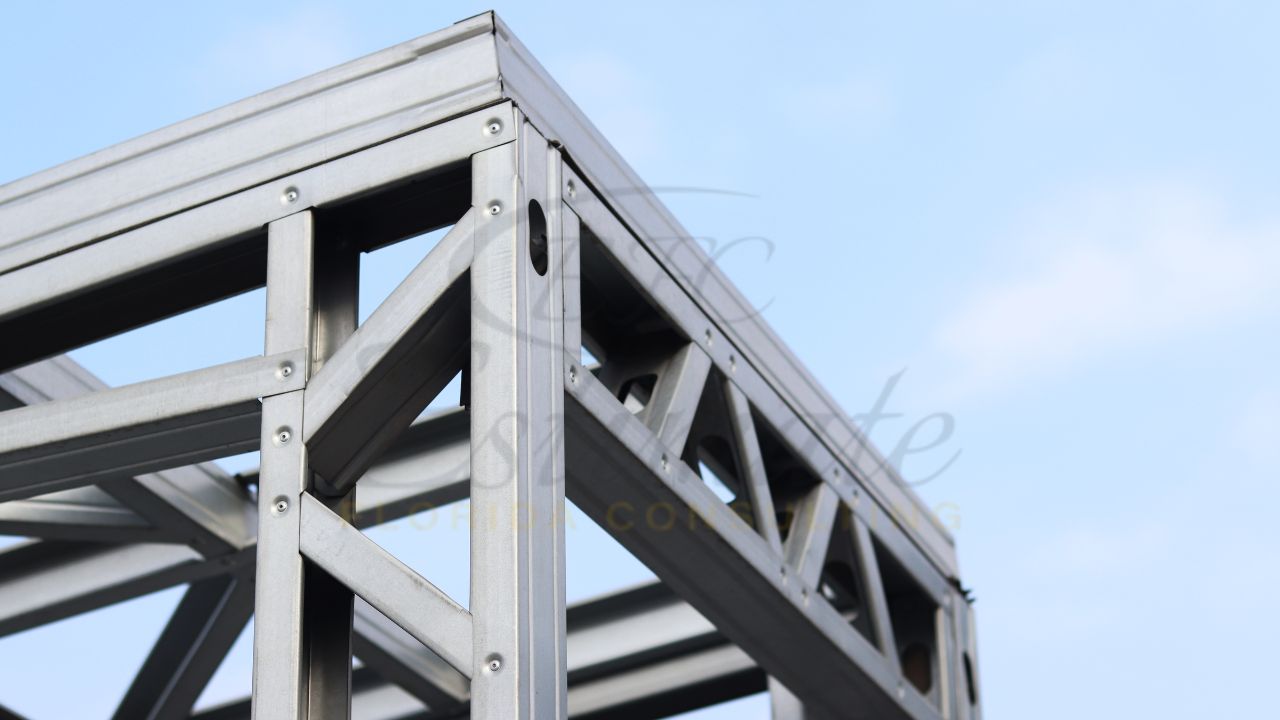
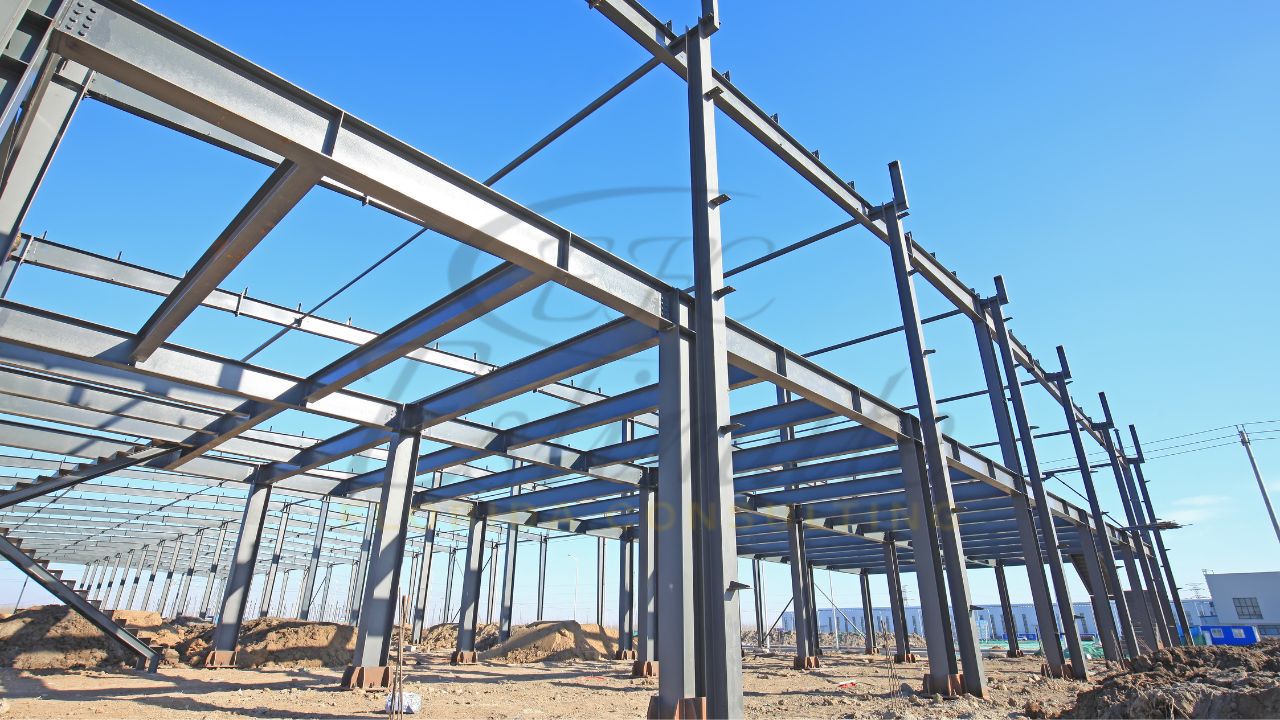
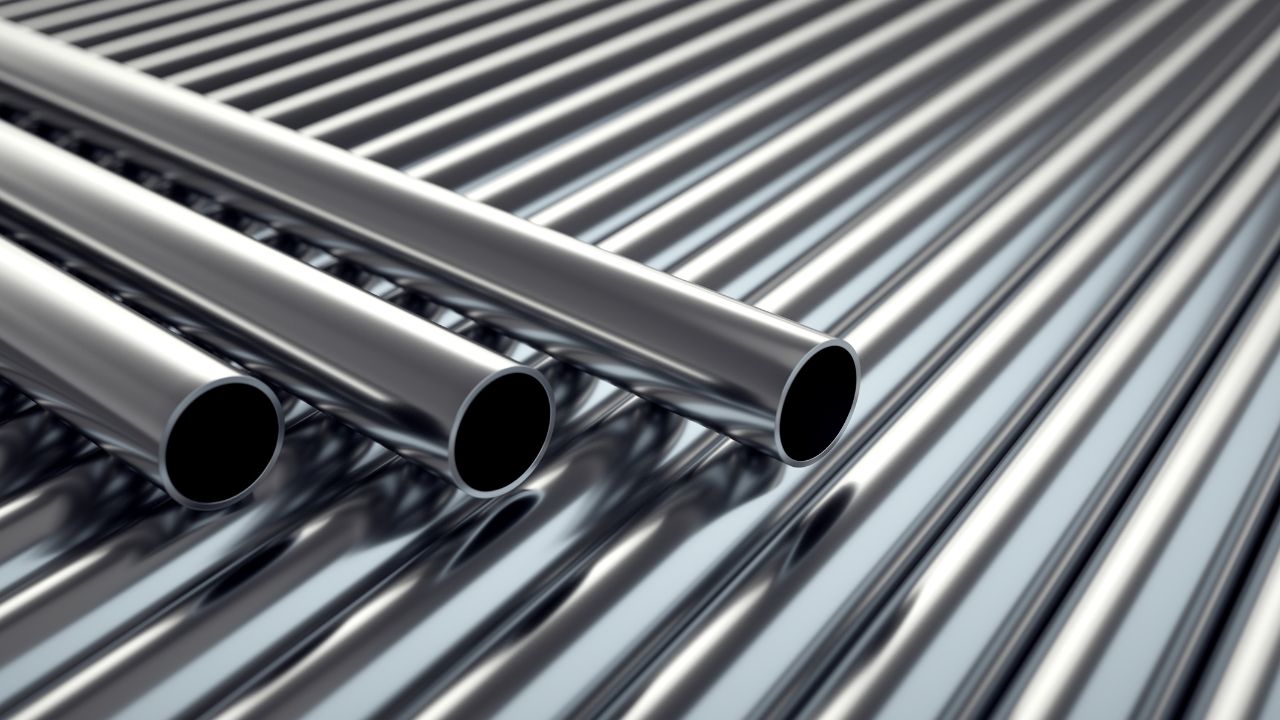
Structural steel refers to specially manufactured steel sections used to create frameworks for buildings, bridges, towers, and industrial structures. It is primarily composed of iron, carbon, and small amounts of other elements that enhance its strength and resistance to wear.
This material is popular because of its high strength-to-weight ratio, which means it can support large loads without adding unnecessary weight to the building. It’s also flexible, recyclable, and easy to assemble, making it ideal for commercial and industrial projects where time and precision matter.
In Florida’s construction environment — where hurricanes and high humidity are major concerns — structural steel offers the advantage of resilience, precision fabrication, and easy maintenance when properly protected with coatings and corrosion-resistant finishes.
What Is Reinforced Concrete?
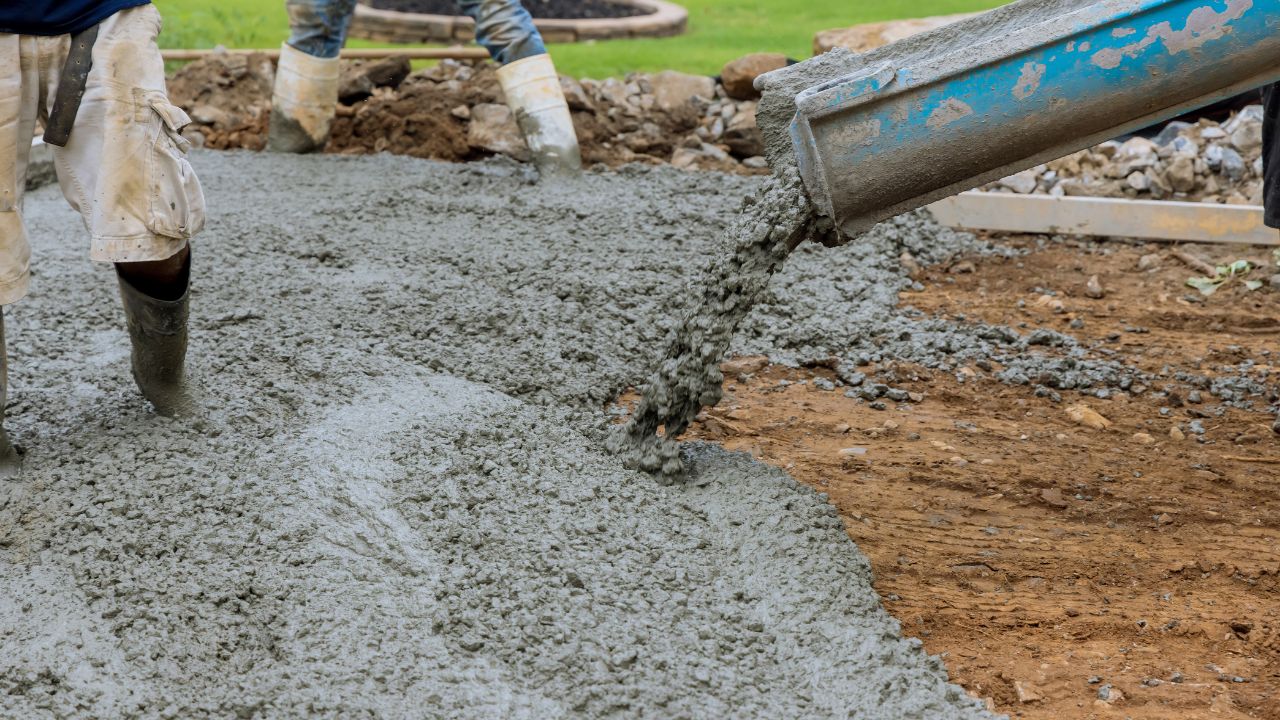
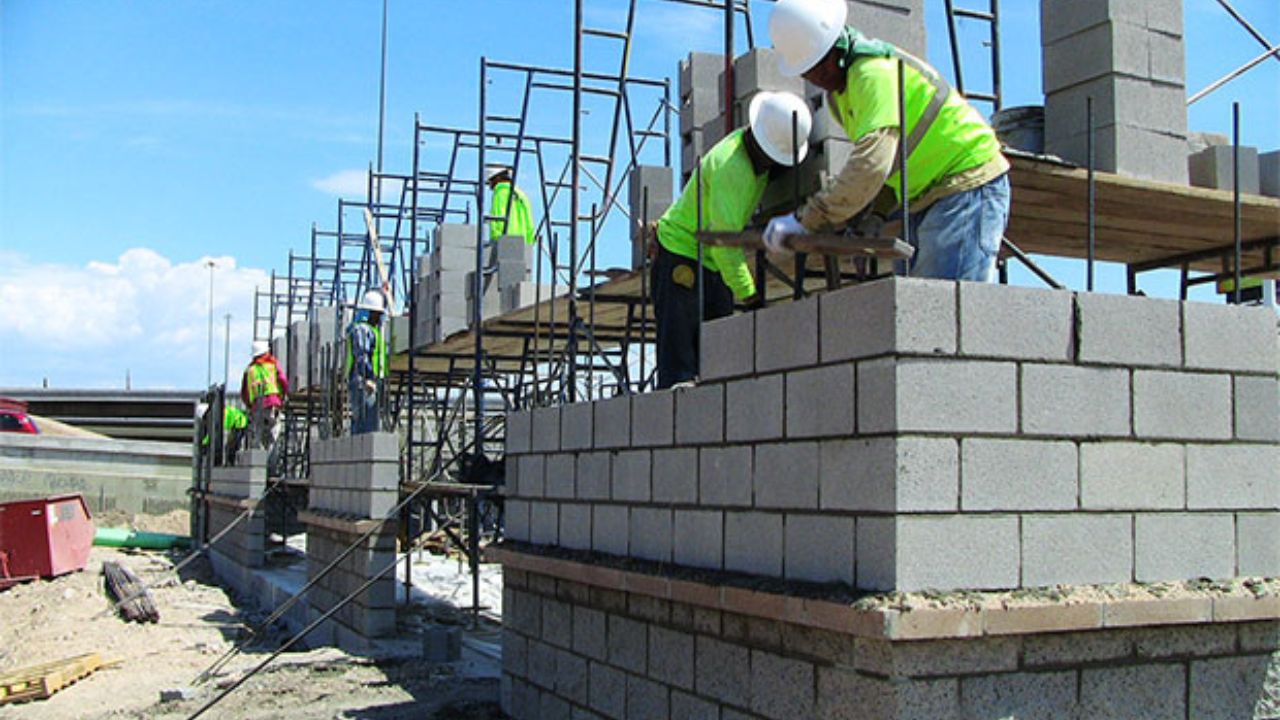
Reinforced concrete (RC) is a composite material made by combining concrete and steel reinforcement bars (rebars). While concrete provides compressive strength, the embedded steel gives it tensile strength, allowing it to resist bending and cracking.
This combination makes reinforced concrete one of the most widely used construction materials globally. It’s strong, fire-resistant, and performs well under both compression and tension forces — ideal for foundations, slabs, beams, and columns.
In Florida’s humid and coastal conditions, reinforced concrete is often favored for its mass and rigidity, especially in structures like parking garages, residential buildings, and bridges. However, it requires proper waterproofing and regular maintenance to prevent corrosion of the internal steel reinforcement.
Strength and Structural Performance Comparison
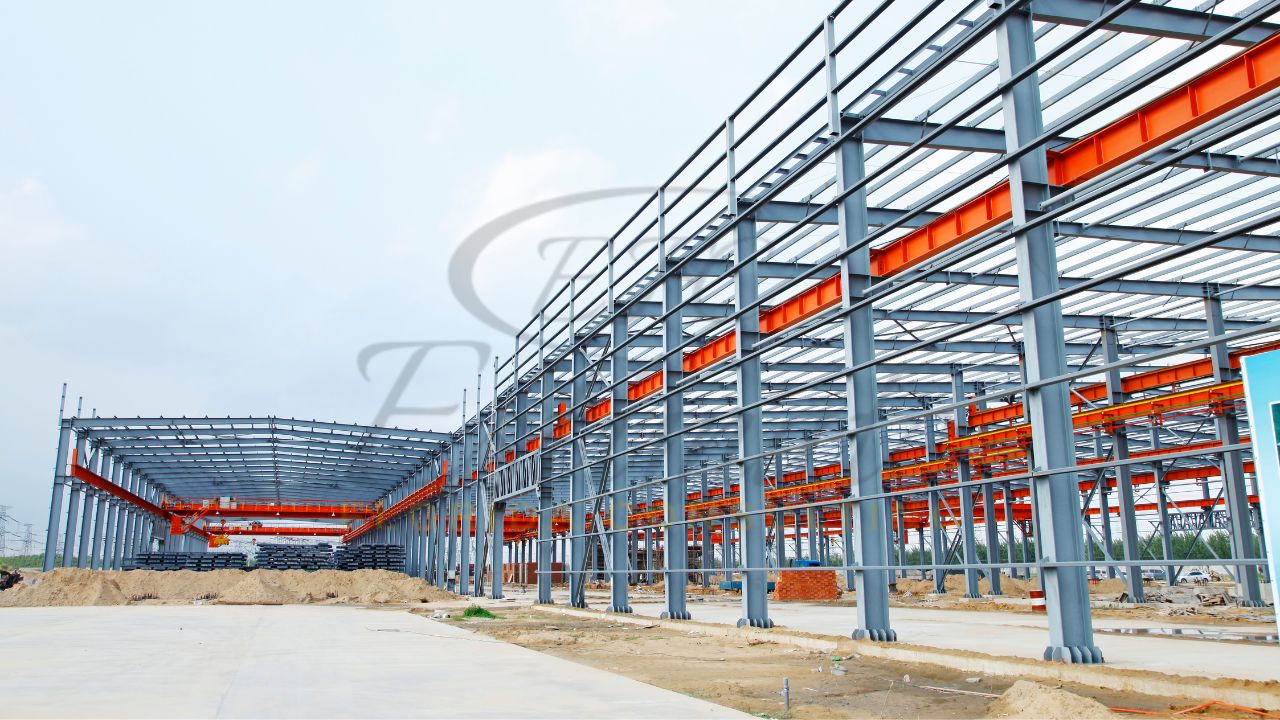
When comparing structural strength, both materials have their distinct advantages. Structural steel is incredibly strong in both tension and compression, allowing it to span longer distances without the need for large supporting columns. This makes it ideal for multi-story commercial buildings, factories, and warehouses that need open spaces.
Reinforced concrete, on the other hand, excels in compressive strength. It’s perfect for foundations, heavy columns, and load-bearing walls where compressive loads dominate. However, because concrete is heavier than steel, it can increase the building’s dead load, requiring stronger foundations and higher initial material costs.
Here’s a general strength comparison:
Property | Structural Steel | Reinforced Concrete |
Tensile Strength | Excellent | Moderate (depends on rebar) |
Compressive Strength | Very High | Very High |
Flexural Strength | Superior | Good |
Weight | Lightweight | Heavy |
Ductility | High | Moderate |
Structural steel structures perform better in seismic or hurricane-prone regions because of their flexibility and ability to absorb energy during movement. Concrete, however, provides superior mass and stability, making it more suitable for sound insulation and vibration control.
Get High-Quality 3D Rendering Services Today!
Transform your space with stunning 3D Rendering that blends style, comfort, and functionality.
We Specialize in Both Residential and Commercial 3D Rendering Projects.
- Luxury Villas
- Apartment Complexes
- Modular Kitchens
- Bathrooms
- Office Buildings
- Shopping Malls
- Hospitals
- Hotels & Resorts
Cost Comparison Between Structural Steel and Reinforced Concrete
Cost is often the deciding factor when choosing between structural steel and reinforced concrete.
Material Costs
Structural steel typically costs more per ton than concrete. However, because of its high strength-to-weight ratio, less material is needed to achieve the same structural capacity. Reinforced concrete may seem cheaper at first, but it often requires more volume, labor, and longer construction time, which increases overall project costs.
Category | Structural Steel | Reinforced Concrete |
Material Cost (per sq. ft.) | $25 – $40 | $20 – $30 |
Labor Cost (per sq. ft.) | $10 – $15 | $15 – $25 |
Installation Time | Faster | Slower |
Maintenance Cost (lifetime) | Moderate | Higher |
Construction Time
Structural steel structures can be fabricated off-site and assembled quickly, reducing on-site labor and project delays. Reinforced concrete requires on-site casting, curing, and formwork, which takes longer and is more weather-dependent — a crucial factor in Florida’s rainy season.
Long-Term Value
While steel might have a higher upfront cost, its speed, strength, and durability often make it more economical in the long run. Concrete, on the other hand, provides excellent longevity but requires more maintenance to prevent cracking and corrosion.
Durability and Maintenance
Durability plays a vital role in the lifecycle of any structure.
Structural steel can last for decades when protected with galvanized coatings or fire-resistant paint. Its main vulnerability lies in corrosion and fire exposure, but with proper maintenance, these risks are easily managed. Steel’s lightweight and modular nature also make it easy to modify or expand in the future.
Reinforced concrete, however, offers natural resistance to fire, pests, and water. Its biggest challenge comes from moisture penetration, which can cause steel reinforcement corrosion and surface cracking over time. Regular inspections, sealing, and repairs are necessary to maintain concrete’s integrity — especially in coastal Florida regions with high humidity and salt exposure.
In short, steel needs protection against rust and fire, while concrete needs protection against cracking and water damage. Both materials can perform exceptionally well when maintained properly.
Sustainability & Environmental Impact
Sustainability has become a core factor in modern construction, and both structural steel and reinforced concrete offer unique environmental advantages. Structural steel is highly recyclable—nearly 90% of all steel used in construction comes from recycled materials. This makes it a circular material that can be reused without losing strength or integrity. Moreover, steel structures produce less on-site waste and can be prefabricated, minimizing construction-related pollution.
Reinforced concrete, on the other hand, has a higher carbon footprint due to cement production, which emits significant amounts of CO₂. However, with innovations like supplementary cementitious materials (SCMs) such as fly ash and slag, concrete’s environmental impact can be reduced. Concrete also provides excellent thermal mass, which helps stabilize indoor temperatures and reduce long-term energy use in buildings. Choosing between the two often depends on local sustainability goals, material availability, and recycling infrastructure.
Design Flexibility
When it comes to architectural freedom, structural steel stands out for its unmatched flexibility and versatility. It allows for longer spans, open interiors, and creative architectural expressions that are difficult to achieve with reinforced concrete. Steel’s ability to handle tension and compression efficiently means designers can create curved, lightweight, and tall structures without compromising strength. This makes steel the preferred choice for skyscrapers, bridges, and modern architectural designs where aesthetics and space optimization are key.
Reinforced concrete offers a different kind of flexibility—especially for shapes, textures, and finishes. It can be molded into virtually any form, making it ideal for custom architectural elements, foundations, and heavy-load applications. Additionally, concrete’s mass provides sound insulation and fire resistance, offering both design and functional advantages in residential and commercial projects. In essence, steel gives freedom of form and scale, while concrete gives freedom of texture and solidity.
Want to Start Your Project with the Best Contractors?
Let’s Take Your Projects to the Next Level.
& What's you will get:
- Connecting You to Top Local Contractors
- Professional Consulting, Contractors Near You
- From Expert Advice to Local Contractor Connections
Contact Now
Let's discuss with a cup of coffe
Speed of Construction
Speed is a critical factor in construction, especially for commercial and industrial projects where time equals money. Structural steel provides a major advantage here. Because steel components are prefabricated off-site, they arrive ready for quick assembly. This reduces on-site labor, minimizes weather delays, and ensures tighter quality control. Large buildings can be erected in a fraction of the time compared to traditional concrete structures.
Reinforced concrete construction, however, involves more on-site work, including formwork, pouring, and curing time, which can slow down project timelines. Still, with advancements like precast concrete systems and self-compacting concrete, the gap is narrowing. Yet, for projects where rapid delivery is essential—such as warehouses, stadiums, or commercial towers—structural steel remains the more time-efficient choice.
Best Applications for Each
Structural Steel is ideal for projects demanding high strength-to-weight ratios, expansive spans, or complex architectural designs. Examples include high-rise buildings, industrial plants, bridges, and stadiums. Steel’s flexibility, lighter weight, and modularity make it perfect for structures that require future expansion or relocation.
Reinforced Concrete, meanwhile, is preferred for foundations, retaining walls, parking structures, and buildings exposed to moisture or underground pressure. It excels in environments where mass, fire resistance, and rigidity are crucial. Many residential buildings, low-rise offices, and infrastructure projects benefit from concrete’s durability and thermal performance.
In some modern construction strategies, engineers even combine both materials—using steel for framing and concrete for floors or cores—to take advantage of their combined strengths.
Final Verdict
Both Structural Steel and Reinforced Concrete are exceptional building materials with distinct advantages depending on the project’s purpose, budget, and timeline. Steel offers unmatched speed, strength, and design versatility, making it the go-to choice for commercial and large-scale projects. Reinforced concrete, on the other hand, provides superior durability, fire resistance, and cost-effectiveness for long-term structures.
At Estimate Florida Consulting, our expert estimators analyze every aspect of your project to recommend the most efficient and cost-effective material strategy. Whether you’re planning a high-rise, a commercial complex, or an industrial facility, we ensure your project achieves the perfect balance of performance, durability, and sustainability—right from the design phase to the final estimate.
Frequently Asked Question
Structural steel generally offers higher tensile and flexural strength, making it ideal for large-span and high-rise structures. Reinforced concrete provides excellent compressive strength and rigidity, which makes it suitable for foundations, load-bearing walls, and heavy-duty structures.
While reinforced concrete usually has lower upfront material costs, structural steel can be more economical overall due to faster installation, less labor, and reduced foundation requirements. The best choice depends on your project size, timeline, and design complexity.
In Florida’s humid and hurricane-prone environment, both materials perform well when properly maintained. Structural steel needs protective coatings to prevent corrosion, while reinforced concrete requires waterproofing and sealing to avoid cracking and steel rebar rusting.
Structural steel construction is significantly faster because components are prefabricated off-site and quickly assembled on-site. Reinforced concrete takes longer due to formwork, pouring, and curing time, making steel preferable for projects with tight deadlines.
Estimate Florida Consulting provides detailed cost comparisons, material analyses, and construction estimates to help you determine whether structural steel or reinforced concrete is more efficient for your project. Our experts ensure your decision aligns with both budget and performance goals.
Comprehensive Trade-Specific Estimates
At Estimate Florida Consulting, we offer detailed cost estimates across all major trades, ensuring no part of your project is overlooked. From the foundation to the finishing touches, our trade-specific estimates provide you with a complete and accurate breakdown of costs for any type of construction project.
Our Simple Process to Get Your Estimate
Upload Plans
Submit your project plans, blueprints, or relevant documents through our online form or via email.
Receive Quotation
We’ll review your project details and send you a quote based on your scope and requirements.
Confirmation
Confirm the details and finalize any adjustments to ensure the estimate meets your project needs.
Get Estimate
Receive your detailed, trade-specific estimate within 1-2 business days, ready for your project execution.
Our Clients & Partners
We pride ourselves on building strong, lasting relationships with our clients and partners across the construction industry.
What Our Clients Say?
We take pride in delivering accurate, timely, and reliable estimates that help contractors and builders win more projects. Our clients consistently praise our attention to detail, fast turnaround times, and the positive impact our estimates have on their businesses.
Estimate Florida Consulting has helped us win more bids with their fast and accurate estimates. We trust them for every project!