
















- Homepage
- Robotic Bricklaying and Autonomous Construction Equipment
Robotic Bricklaying and Autonomous Construction Equipment
Leading provider of construction estimating services.
The construction industry is experiencing a technological transformation, and two of the most influential advancements of 2025 are robotic bricklaying systems and autonomous construction equipment. While digital technologies such as BIM and AI-powered estimating have already reshaped preconstruction workflows, the new generation of field‐deployed robots are reshaping how physical work is executed on-site.
In both national and Florida markets, the shortage of skilled labor and rising project complexity are pushing contractors to explore robotic solutions to improve productivity, reduce rework, and comply with tighter project timelines. Robotic bricklaying systems are capable of laying 250–350 bricks per hour, while autonomous earthmoving equipment can excavate, grade, and compact soil with centimeter-level accuracy.
Their adoption is still in its early stages, but it is accelerating rapidly as contractors begin seeing strong ROI and measurable improvements in jobsite performance.
What Is Robotic Bricklaying?
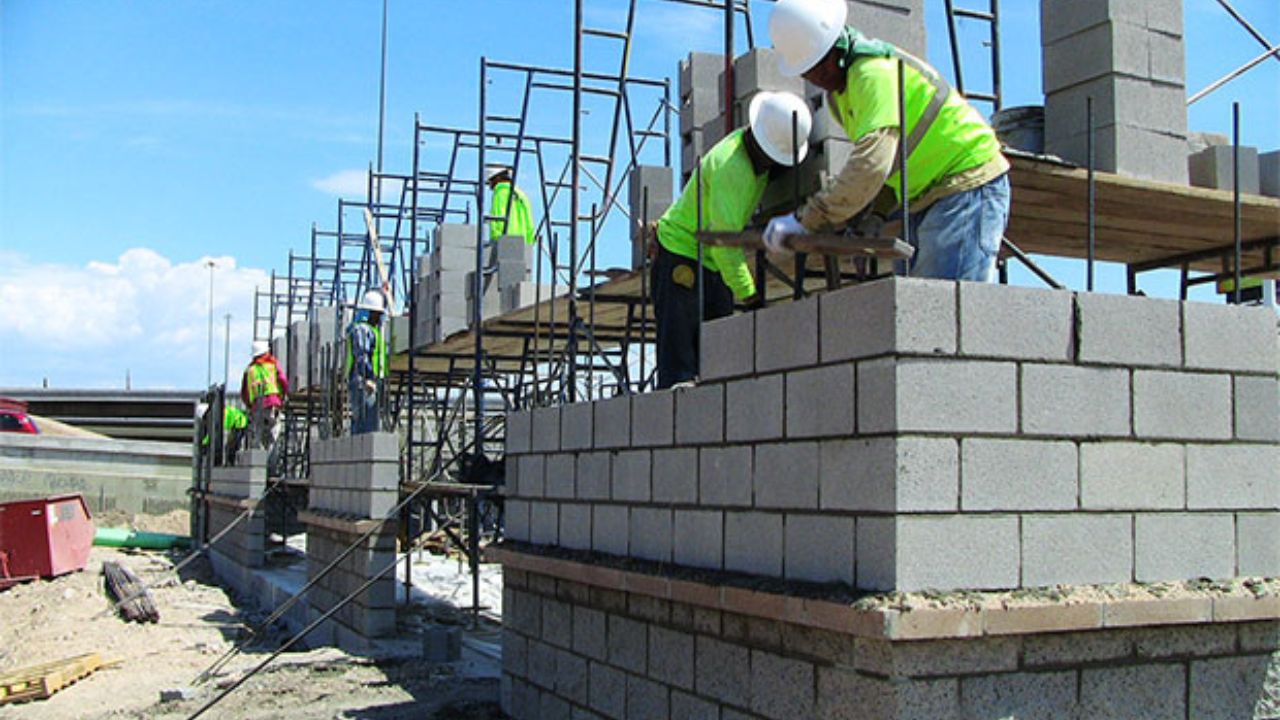
Robotic bricklaying refers to the use of programmable robotic systems to automate the placement of bricks or masonry units on construction sites. Unlike traditional manual bricklaying that relies on individual masons, robotic systems use precision machinery to place bricks or masonry units based on digital designs and pre-programmed patterns.
These systems typically include a robotic arm, a mortar applicator, and vision-guidance systems that help determine exact brick position, orientation, and placement. Some systems are mounted on portable crawler systems or small mobile platforms that move continuously along the wall line.
Robotic bricklaying systems can either:
- Assist human masons by placing bricks that are then adjusted or finished by a mason
- Fully automate the laying and mortar application process for straight and repetitive wall sections
Today’s advanced systems are capable of working with standard clay bricks, concrete masonry units, and even prefabricated structural blocks.
What Is Autonomous Construction Equipment?
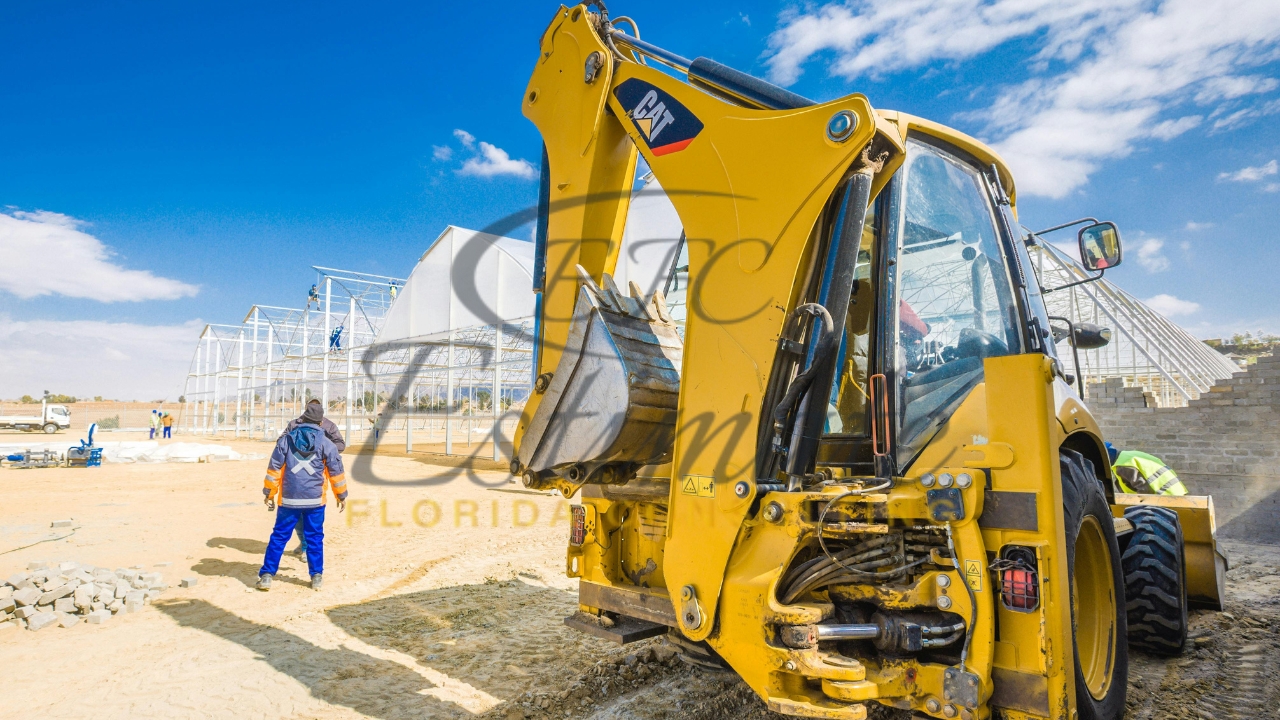
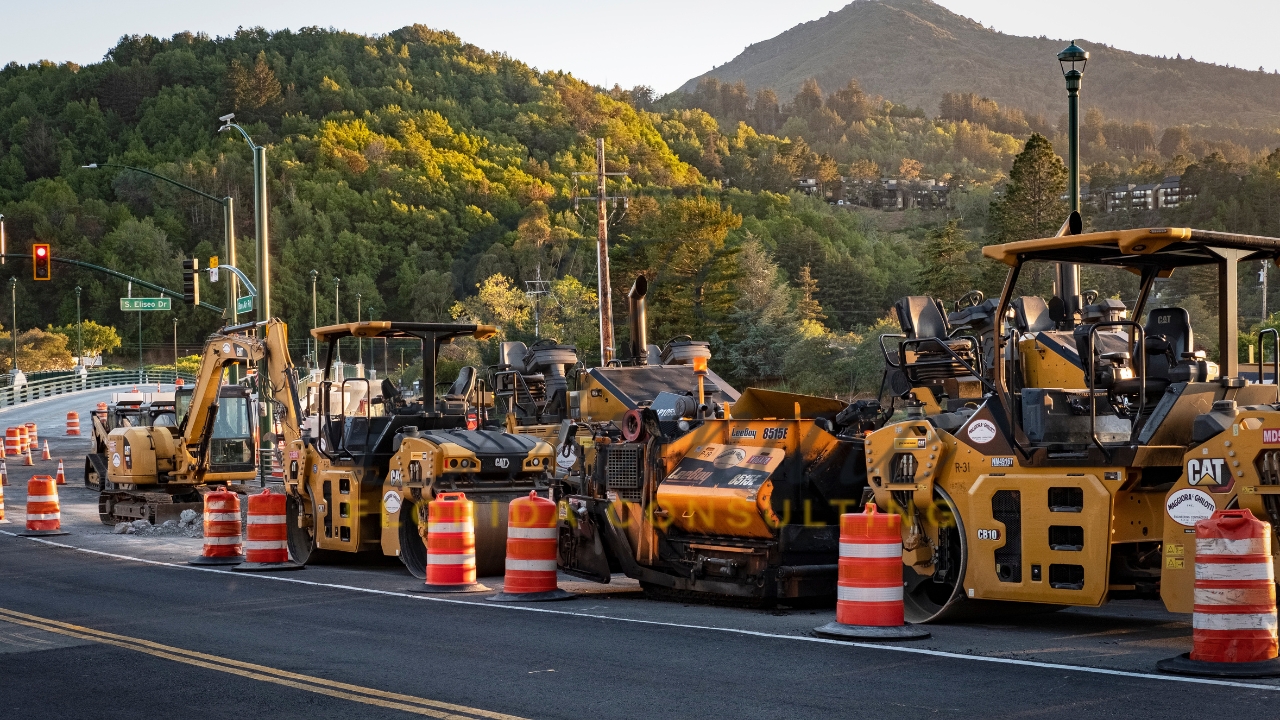
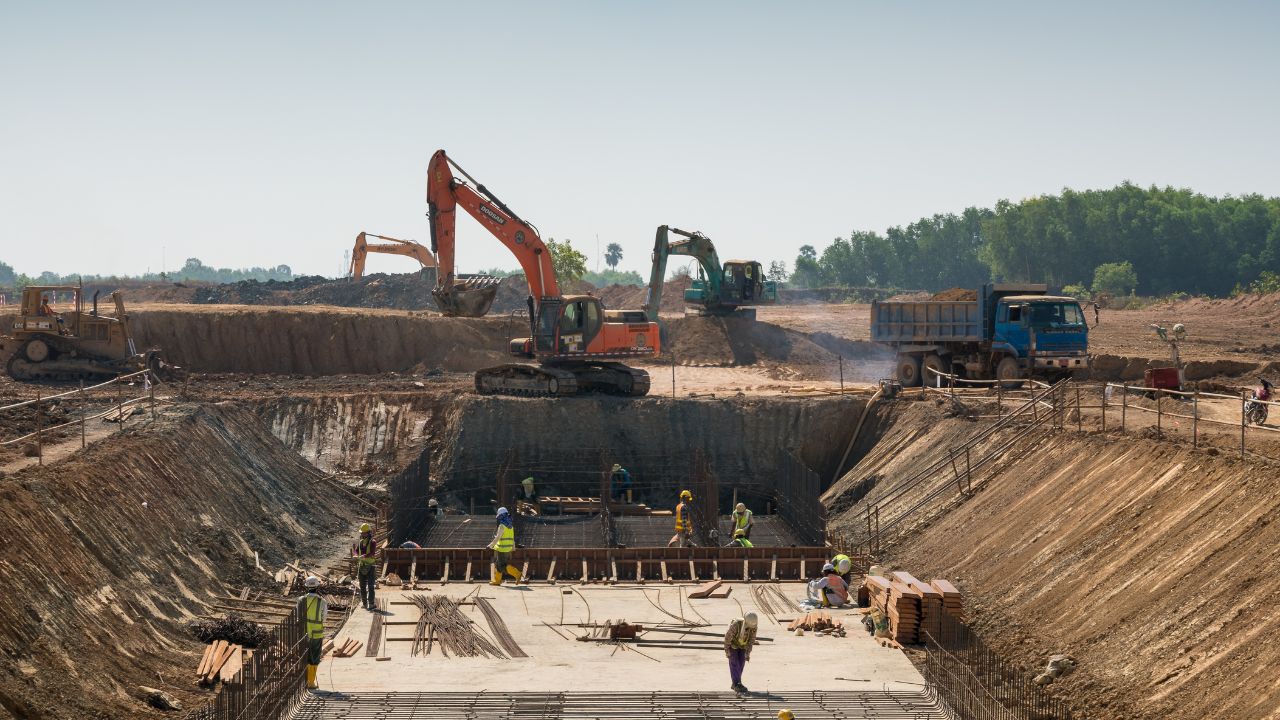
Autonomous construction equipment consists of machines — including excavators, bulldozers, compactors, and skid-steer loaders — that are equipped with self-driving capabilities powered by multiple sensors (LiDAR, radar, cameras) and digital control systems. These machines operate with minimal or no human intervention and follow pre-programmed routes defined by digital site plans.
Autonomous equipment uses GNSS guidance, obstacle detection, and machine-learning algorithms to perform tasks such as excavation, earthmoving, grading, and material placement. They can operate under remote supervision or in a completely autonomous mode depending on the site’s safety and regulatory requirements.
National Adoption Trends (2025)
Category | U.S. Adoption Rate (2025) |
Robotic Bricklaying | 12% of masonry contractors |
Autonomous Excavation / Grading | 22% of heavy civil contractors |
Remote-Control Earthmoving | 31% (semi-autonomous mode) |
BIM–Robotics Integration | 19% of large contractors |
Early adoption is highest in industrial, multifamily, and infrastructure sectors where high output and repetitive layouts enable consistent robot operations.
Key Benefits of Robotics and Automation in Construction
- Increased Productivity – Robots can work at a constant pace without fatigue, often doubling or tripling daily output when compared to traditional crew production.
- Labor Cost Reduction – Reduces the number of on-site craft workers required, especially for repetitive tasks in block/brick walls or earthmoving.
- Consistency and Quality – Machines lay bricks and grade soil with high precision, leading to fewer defects and less rework.
- Enhanced Safety – Human workers can oversee operations from a safe distance instead of working directly in hazardous zones such as excavations or elevated wall sections.
- Schedule Certainty – Robotic systems minimize weather/shift-based production fluctuations, allowing contractors to plan more predictable schedules.
Florida-Specific Drivers and Early Use Cases
Florida’s construction market is particularly suited for the adoption of robotic bricklaying and autonomous construction equipment due to several regional factors:
Driver | Description |
Skilled Labor Shortage | Severe shortage of qualified masons and heavy equipment operators |
High Demand for Multifamily Housing | Repetitive wall layouts ideal for robotic masonry |
Hurricane-Resistant Construction | Block masonry and CMU walls are widely used in FL projects |
Flat Topography | Ideal conditions for autonomous grading and site‐prep robots |
Tight Project Timelines | High competition places pressure on contractors to accelerate delivery |
Example Use Cases in Florida:
- A Jacksonville-based masonry subcontractor used a robotic bricklaying system for a 4-story multifamily project with over 95,000 SF of exterior CMU wall area.
- In Miami-Dade County, autonomous compactors and bulldozers are used in distribution center sitework, achieving 20–25% time reduction compared to traditional grading operations.
Technology Overview (Hardware & Software Components)
Robotic Bricklaying System Components
Component | Description |
Robotic Arm | Automated arm used to pick and place masonry units |
Mortar Delivery System | Pumps and applies mortar evenly to each brick |
Mobile Base / Crawler | Enables robot to move along wall footprint |
Vision / Position Sensors | Laser / camera systems to locate exact brick position |
Control Software | Operates on BIM data and wall geometry inputs |
Autonomous Construction Equipment Components
Component | Description |
GNSS Antennas | Provide position and elevation data |
LiDAR / Radar Sensors | Detect objects and terrain surfaces |
Drive-By-Wire Systems | Enable automatic control of steering, throttle, brakes |
Embedded Microcontrollers | Interpret design files and execute autonomous pathing |
Remote Operations Software | Allows operator to monitor and control from tablet or desktop |
For Construction and Other Projects
Turnaround time is 1-2 days.
Win More Projects With Us
Robotic Bricklaying Systems – Detailed Breakdown
Robotic bricklaying systems can typically lay 300–450 masonry units per hour, compared to 75–100 units per hour by a human mason. They work best on long, straight wall segments with minimal penetrations or obstacles.
Productivity
Configuration | Typical Daily Output |
One Robot (Single Shift) | 1,200 – 1,800 bricks / day |
Two Robots (Staggered) | 2,400 – 3,200 bricks / day |
Traditional Crew (3 masons) | 900 – 1,200 bricks / day |
Suitable Wall Types
- Standard CMU block walls
- Brick veneer facades
- Structural clay brick partitions
- Repetitive perimeter walls in multifamily projects
Curved walls or highly detailed pattern designs may still require hand finishing or hybrid approaches.
Autonomous Excavation, Grading and Material Handling
Autonomous machines in 2025 include crawler dozers, excavators, compactors, and wheel loaders. These machines can independently follow digital site plans and adjust operations based on real-time feedback.
Typical Use Cases
Task | Description |
Mass Excavation | Autonomous excavators dig to exact grade |
Fine Grading | Dozers / graders finish to ±1cm tolerance |
Compaction | Rollers compact to specific density values using GPS |
Material Stockpiling | Wheel loaders move material based on digital maps |
Cost of Implementation (Equipment + Operations)
Item | Cost Range |
Robotic Bricklayer System | $400,000 – $650,000 |
Annual Maintenance / Support | $40,000 – $65,000 |
Autonomous Dozer Upgrade Kit | $75,000 – $140,000 |
Autonomous Excavator Upgrade Kit | $110,000 – $180,000 |
Site Mapping & Control Software | $12,000 – $25,000 /year |
Operator Training | $3,500 – $7,500 (per person) |
Some contractors lease robotic systems at $9,500 – $12,000 per month to reduce up-front capital expenditure.
90% More Chances to Win Construction Projects with Our Estimate
ROI and Time Savings Compared to Traditional Methods
Metric | Robotic Bricklaying | Autonomous Earthmoving |
Productivity Increase | 2×–3× | 1.5×–2.2× |
Labor Cost Reduction | 25–40% | 15–30% |
Schedule Compression | 10–20% | 15–25% |
Payback Period | 12–18 months | 15–24 months |
In Florida, general contractors report that using robotic masonry on multifamily projects can shave 3–4 weeks off the total schedule.
Integration with BIM and Project Scheduling Tools
Robotics and automation systems typically rely on digital models for guidance. This means:
- Wall layout data is taken from 3D models (Revit / AutoCAD).
- Excavation / grading surfaces are imported from civil BIM models.
- Progress is tracked using 4D BIM (adding the time element).
Field data collected by autonomous equipment is fed back into 4D schedules, allowing planners to update timelines and flag delays proactively.
Regulatory Considerations and Safety Standards
Robotic Bricklaying
- Must comply with OSHA 29 CFR 1926
- Safety barricades required around robot operating zone
- Manual emergency override required at all times
Autonomous Equipment
- FAA Part 15 (radio control) in some regions
- Florida DOT pilot projects subject to state technology safety guidelines
- Emergency stop and manual hand-off processes must be documented
Insurance carriers often require jobsite risk assessments and written SOPs for robotic deployment.
Challenges and Limitations in 2025
Challenge | Description |
Irregular Layouts | Robots perform best on repetitive layouts |
Initial Investment Cost | High up-front cost for hardware and software |
Skilled Operator Shortage | Workers still need training to supervise robots |
Weather Constraints | High wind / rain can interrupt bricklaying robotics |
Technology Integration | Requires clean BIM data and accurate model-to-field mapping |
Cultural Resistance | Some crews prefer traditional methods and resist adoption |
Future Outlook (2026–2027)
Trend | Impact |
AI-Powered Brick Optimization | Robots will optimize brick bond patterns in real-time |
Multi-Robot Coordination | Shared communication between multiple autonomous machines |
Integration with Drone Progress Data | Autonomous machines adjust production based on real-time site conditions |
Disaster Recovery Use in Florida | Autonomous equipment to aid hurricane recovery and debris removal |
More Leasing/Subscription Models | Lower barrier to entry for contractors |
Over the next 2–3 years, state and federal agencies are expected to issue clearer guidance related to robotic equipment usage on public projects. Florida public owners are already beginning to include “robotic-ready” language in procurement documents, especially for large capital improvements.
Conclusion
Robotic bricklaying systems and autonomous construction equipment are redefining how physical construction work is executed in 2025. These technologies offer substantial productivity gains, improved schedule control, and higher-quality outcomes by combining high-precision hardware with digital data integration.
In Florida’s rapidly growing construction environment — where block masonry is common and skilled labor is increasingly scarce — robotic bricklaying delivers immediate efficiency. Autonomous graders and excavators help reduce earthwork schedules and minimize rework, particularly during peak construction seasons. Although initial investment, technology integration, and workforce training remain challenges, the long-term benefits clearly outweigh early obstacles.
Looking ahead to 2026–2027, contractors that embrace robotics and automation will be better positioned to compete on both cost and project delivery speed. These technologies are no longer experimental; they are becoming core tools in modern construction operations.
Frequently Asked Question
Robotic bricklaying is the automation of brick or block placement using precision machinery. These systems use robotic arms, mortar applicators, and vision-guided sensors to place 250–450 bricks per hour with high accuracy. Robots can either assist human masons or fully automate straight wall construction, improving speed and reducing rework.
Autonomous construction equipment includes self-operating machines such as excavators, dozers, and compactors equipped with GPS, LiDAR, and AI-based control systems. They follow digital site plans to perform excavation, grading, and compaction with centimeter-level accuracy, requiring minimal human supervision.
Robotic bricklaying systems can lay 2–3 times more bricks than a traditional crew, while autonomous earthmoving equipment improves efficiency by 1.5× to 2.2×, helping contractors meet tight project timelines with fewer delays.
Increased productivity and schedule certainty
Reduced labor costs in repetitive tasks
Higher precision and consistency in quality
Improved worker safety by reducing exposure to hazardous zones
Faster ROI, often within 12–24 months
Robotic bricklaying systems: $400,000 – $650,000
Autonomous dozer upgrade kits: $75,000 – $140,000
Excavator upgrade kits: $110,000 – $180,000
Leasing options are available starting at $9,500 – $12,000 per month, making it easier for contractors to adopt without heavy upfront costs.
Comprehensive Trade-Specific Estimates
At Estimate Florida Consulting, we offer detailed cost estimates across all major trades, ensuring no part of your project is overlooked. From the foundation to the finishing touches, our trade-specific estimates provide you with a complete and accurate breakdown of costs for any type of construction project.
Our Simple Process to Get Your Estimate
Upload Plans
Submit your project plans, blueprints, or relevant documents through our online form or via email.
Receive Quotation
We’ll review your project details and send you a quote based on your scope and requirements.
Confirmation
Confirm the details and finalize any adjustments to ensure the estimate meets your project needs.
Get Estimate
Receive your detailed, trade-specific estimate within 1-2 business days, ready for your project execution.
Our Clients & Partners
We pride ourselves on building strong, lasting relationships with our clients and partners across the construction industry.
What Our Clients Say?
We take pride in delivering accurate, timely, and reliable estimates that help contractors and builders win more projects. Our clients consistently praise our attention to detail, fast turnaround times, and the positive impact our estimates have on their businesses.
Estimate Florida Consulting has helped us win more bids with their fast and accurate estimates. We trust them for every project!