Planning Bathroom and Kitchen Renovations in the Busy Construction Market of Florida
Construction demand and what it means for remodels in FL
Florida construction has been running at a strong pace, with sustained activity in housing, commercial, and infrastructure projects. Forecasts for the next few years point to continued growth, supported by population inflows, coastal resilience work, and ongoing public investment.
For homeowners, that broad trend can feel distant, but its impact is very local. Contractors who once handled a modest workload now juggle fuller schedules, more complex pipelines, and tighter trade availability. Materials that used to arrive in a week can take much longer, especially specialty fixtures, custom cabinetry, tile, and mechanical components that are common in kitchens and bathrooms.
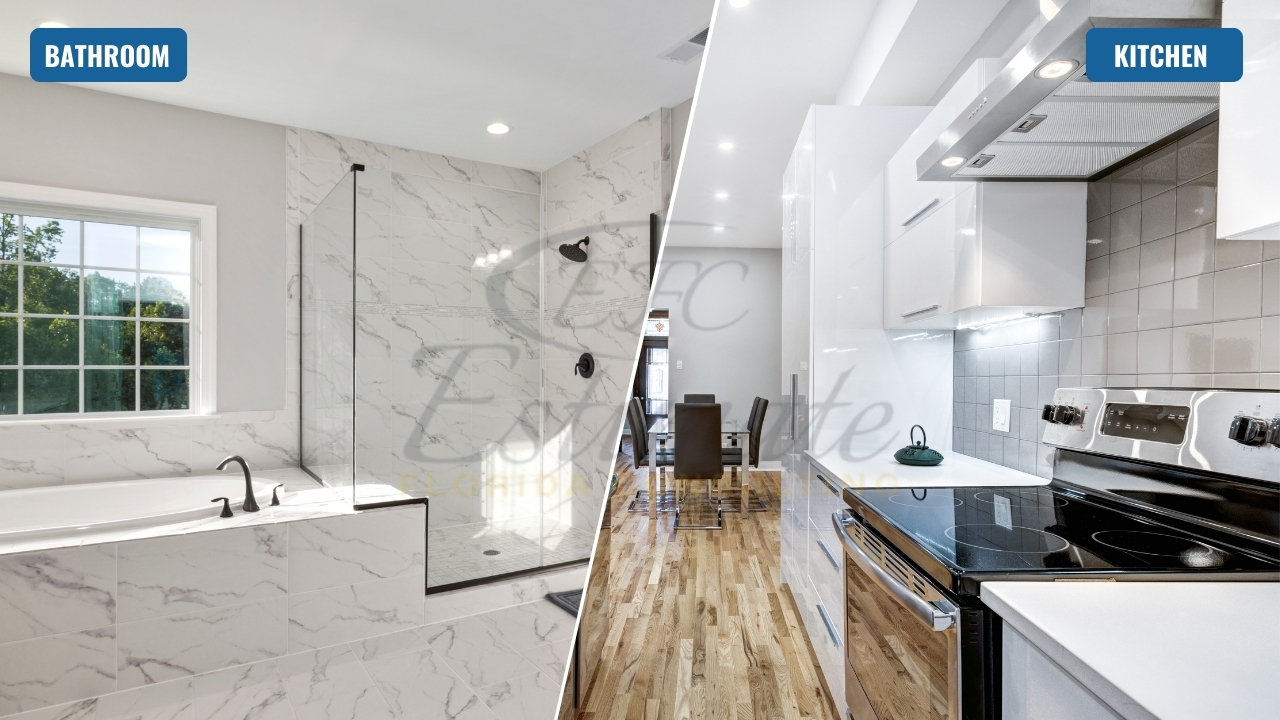
Contractors we spoke with, including Seanote Construction in North Central Florida, report that disciplined scheduling now sits alongside design as a core concern. As their team puts it, “With strong demand and specialty trades in short supply, homeowners who confirm scopes and decisions early are the ones whose kitchens and baths finish on time.” That comment captures the central message here: careful planning is not a luxury. It is a practical form of risk management for anyone preparing to renovate high-impact rooms such as kitchens and bathrooms in a busy Florida market.
Once you accept that demand is strong and schedules are tight, the next question is who is doing the work and how labor conditions influence your budget. That is where the labor market story starts to matter just as much as the volume of construction.
The labor market and wage pressures
Across Florida and other large states, construction employment has grown in recent years as residential building, commercial development, and infrastructure projects all expanded. There are more workers on job sites than a decade ago, from general labor through skilled trades.
The headline numbers, however, do not tell the full story.
Construction jobs tend to pay well compared with many other sectors. Common trades such as electricians, plumbers, pipe fitters, carpenters, and first-line supervisors often earn median wages above the state average. For homeowners planning a bathroom full of plumbing fixtures or a kitchen with extensive electrical work, that means skilled labor carries a real cost, and there is little reason to expect bargain pricing in a market where many contractors already report healthy backlogs.
Put simply, the workforce is sizable, but it is also well paid and busy. Budgets that assume very low hourly rates or steep discounts often run into trouble once formal quotes arrive. A more productive approach is to understand the main pressure points early and design your project around them.
One helpful way to picture those pressures is to compare them with potential homeowner responses.
Pressure point | What is happening | Practical planning response |
Overall construction demand | Strong activity across residential and infrastructure | Expect full schedules and longer lead times; start planning months before target dates |
Trade wages | Skilled trades earn more than many other occupations | Budget realistically for plumbers, electricians, and finish trades |
Contractor backlogs | Many firms report steady or full pipelines | Be ready to book work in advance and remain flexible on exact start dates |
Public infrastructure work | State and federal projects add long-term commitments | Some trades may be busy on public jobs, limiting short-notice availability for remodels |
Interest rate expectations | Rate moves influence mortgages and home equity products | Align financing plans with rate changes and contractor availability |
This kind of framing shifts the discussion from “Why are prices high?” to “How can we make smart decisions under current conditions?” The next step is understanding why homeowners still move ahead with kitchen and bathroom projects despite those pressures.
Why homeowners still remodel now – comfort, value, and backlog?
Across remodeling research, kitchens and bathrooms consistently appear near the top of project lists. In many surveys, roughly 6 in 10 projects involve at least one of these rooms, and many touch both. That pattern makes sense. These spaces concentrate plumbing, electrical systems, moisture, storage, and daily routines such as cooking, bathing, and medication management.
Homeowners rarely remodel just for the sake of construction. The most common reasons include:
- Comfort, such as better lighting, layout, and temperature control
- Appearance, such as updating worn finishes and dated styles
- Replacing aging fixtures and appliances
- Improving energy and water efficiency
- Increasing home value and market appeal
In a busy market, those motivations run up against another reality: contractors often report full backlogs and solid margins. That combination can tempt owners to delay work, especially if temporary fixes seem to hold. Yet postponing necessary kitchen or bathroom upgrades does not freeze conditions in place. It usually means living longer with failing waterproofing, marginal ventilation, or outdated electrical systems, often while materials and labor continue to become more expensive.
The more constructive response is not to rush, but to sharpen project scope so that every dollar and every week of disruption has a clear purpose. That is where scope discipline comes in.
Setting realistic scopes for kitchens and baths
In a tight construction market, scope discipline may be the most reliable tool homeowners have. Kitchens and bathrooms naturally generate long wish lists, but both data and contractor experience suggest that separating categories of work leads to better results.
Separate safety and function from appearance
A practical first step is to split your scope into three clear buckets:
- Health and safety work, such as repairing leaks, addressing mold, replacing unsafe wiring, or fixing failing ventilation
- Functional upgrades, such as improving storage, refining layout, or upgrading fixtures for accessibility and ease of use
- Purely aesthetic changes, such as new cabinet fronts, decorative lighting, or finishes that do not change how the room operates
This structure matters because access to critical trades can be tight. It makes little sense to delay a shower pan repair that risks long-term water damage just to choose between two tile patterns. Identifying “must repair” items helps you communicate priorities to contractors and reduces the chance that cosmetic decisions slow down necessary work.
Define a clear base scope and options
Once those categories are clear, many owners find it helpful to define a base scope that covers health, safety, and basic function, then list a small number of options to add if budget allows.
An example for a bathroom:
- Base scope: Replace failing plumbing lines, install a properly waterproofed shower, upgrade the exhaust fan, and correct any unsafe wiring.
- Options: Higher-end fixtures, heated towel bars, or radiant floor heat.
Contractors often respond better to this format than to one long, unstructured wish list. It gives them a realistic picture of minimum work and possible add-ons, making pricing and scheduling more accurate.
Recognize technical dependencies
Kitchens and bathrooms have many interlocking parts. Moving a sink can trigger plumbing, electrical, flooring, and cabinet changes. Switching to a larger range may require a new circuit and upgraded ventilation. A realistic scope acknowledges those dependencies instead of treating each item as separate.
Once homeowners have a clear and realistic scope, the next question is how to time the work, especially for those who plan to use financing. Interest rates and credit access now play a visible role in renovation plans across Florida.
Timing projects around interest rates and financing
Over the past few years, expectations about Federal Reserve policy have influenced mortgage and home equity rates. Even modest shifts in rates can change monthly payments enough to alter how comfortable a major kitchen or bathroom project feels.
Many homeowners still rely on savings to fund renovations, but a large share use some form of credit, such as home equity lines, cash-out refinances, or personal loans. At the same time, a lot of owners describe the financing process as slow or confusing, especially if they start it late. In a busy construction market, that delay can mean missing an opening on a contractor’s schedule or facing price adjustments while waiting for approvals.
A practical approach is to treat financing as part of early planning, not an afterthought. That might include:
- Checking available credit and equity before requesting bids
- Asking lenders how long typical approvals take for the products you are considering
- Matching likely draw schedules to contractor payment milestones
- Discussing payment timing with contractors so everyone understands when funds will be available
Homeowners who align their financing timeline with contractor availability often secure better scheduling and feel less pressured during disruptions to kitchens and bathrooms. Once money and timing are roughly aligned, attention turns to the human side of project delivery, where contractor selection and coordination often matter as much as the budget itself.
Choosing and coordinating contractors
Research on remodeling satisfaction points to a consistent pattern. The biggest drivers of contentment are not rare materials or high-end appliances. Instead, they are grounded in communication and information:
- Satisfaction with the information gathered before work starts
- Using a contractor as a trusted source of information
- Satisfaction with energy and water efficiency decisions
- Satisfaction with contractor follow-up
- Confidence in the process of choosing a contractor
In plain language, how you select and work with a contractor has a strong influence on how you feel about your finished kitchen or bathroom.
Questions to ask before you sign
As site owners who field a lot of renovation questions from readers, we often suggest asking prospective contractors:
- Who will manage the project day to day, and how can we reach that person?
- Who coordinates plumbers, electricians, tile installers, and other trades?
- How are changes handled and priced after work begins?
- What is the typical lead time for key materials such as cabinets, tile, and plumbing fixtures?
- How do you protect occupied areas from dust, moisture, and noise?
Contractors who answer those questions clearly tend to perform better on satisfaction measures. Their clients know what to expect and have a defined contact person when issues arise.
Why project management structure matters?
The comment from Seanote Construction about disciplined scheduling reflects how critical project management is in a busy market. Full-time management means someone is tracking both the calendar and the drawings, confirming that trades arrive in the right sequence and that decisions are made before they can cause delays.
In a Florida environment where plumbers and electricians may schedule weeks in advance, that coordination can be the difference between a three-week bathroom project and one that drags into its third month. Effective coordination also makes it easier to protect health and basic function while work is underway, which is especially significant for households with medical needs or with only one main bathroom.
Protecting health and function during extended schedules
Bathrooms and kitchens are not spare rooms. They are essential for daily life. In a busy market, even well-organized projects can take longer than owners hope, either because of material delays or trade availability. Planning for health and function during construction is part of responsible design.
Households with only one full bathroom face obvious pressure. Creating a temporary bathing or toilet setup, even if modest, can relieve stress and reduce the urge to push contractors to rush. For kitchens, temporary arrangements that include a microwave, portable induction cooktop, small refrigerator access, and a safe dishwashing plan can make weeks of disruption more manageable.
From a health perspective, dust and moisture control deserve special attention in Florida’s humid climate. Kitchens and baths often involve cutting tile, opening walls, and working around plumbing lines. Without proper containment, dust can spread into bedrooms and living areas, affecting respiratory comfort. Moisture from open lines, curing materials, or exposed framing can create favorable conditions for mold if not handled carefully.
Homeowners can ask contractors about:
- Dust barriers and negative air machines in occupied homes
- Daily cleanup protocols in work areas and adjacent spaces
- Moisture checks after leak repairs or new waterproofing
- Ventilation strategies during and after construction
Projects that respect health and basic function are more likely to be remembered positively, even when schedules stretch. Effective disruption control also frees owners to focus on the financial side, where cost management is the next priority.
Budget controls in a high-cost environment
Higher demand and steady contractor backlogs naturally support higher prices. That does not mean homeowners have no room to manage costs, but it does mean that some strategies are more realistic than others. Surveys of remodelers regularly note four main factors in material and equipment choices:
- Price
- Style
- Warranty
- Energy and water efficiency
Those criteria already suggest a path. Instead of chasing the absolute lowest price, many owners do better by targeting good value on elements that affect long-term performance, such as ventilation fans, plumbing valves, and appliances, and then saving on easily replaced finishes.
Cost drivers you can influence
Common cost drivers in kitchens and bathrooms include:
- Layout changes that require moving plumbing lines or electrical service
- Structural changes such as removing load-bearing walls
- High-end fixture packages and specialty tile selections
- Custom cabinetry with complex internal fittings
Owners who keep sinks, toilets, and showers in roughly the same locations often see lower plumbing costs. Choosing a standard cabinet layout with a few custom pieces, rather than full custom work, can free up funds for better lighting or ventilation that directly affects comfort and maintenance.
Where to save and where to spend?
A straightforward rule of thumb is to spend more on anything that sits behind the walls or ceiling and is hard to access later. That includes waterproofing membranes, drain assemblies, framing repairs, and electrical circuits sized for modern loads. Those components protect the structure and reduce the likelihood of hidden failures.
Savings can often come from surface selections such as paint color, hardware style, or non-structural trim, which can be updated later with less disruption. Owners who align those choices with their motivations, whether comfort, long-term operating savings, or resale value, tend to feel more satisfied with the outcome, even in a high-cost environment.
With those layers in mind, it helps to pull the main points together for homeowners and facility managers planning work in Florida.
Summary for homeowners and facility managers
Planning a bathroom or kitchen renovation in Florida’s busy construction market calls for clear thinking and deliberate sequencing. Construction activity across residential, commercial, and public infrastructure remains strong. Employment and wages for key trades keep pressure on budgets. Contractors report steady backlogs, and public projects continue to draw on the same pool of labor that handles home remodels.
Against that backdrop, experience from across the remodeling sector points to steady guidance. Owners focus heavily on kitchens and bathrooms because those spaces drive comfort, appearance, function, and long-term value. Projects that leave owners satisfied tend to share a few traits: clear information gathering, realistic scopes, effective use of contractors as information partners, and thoughtful follow-up once work is complete.
For homeowners and facility managers, the practical steps follow directly:
- Read current market conditions honestly and allow time for planning and scheduling.
- Separate health and safety repairs from aesthetics and protect funds and time for the former.
- Align financing work with contractor availability so approvals do not lag behind schedules.
- Choose contractors based on communication and project management structure, not only on bid price.
- Plan for health and function during construction, especially in homes with limited facilities or health concerns.
- Treat budget control as an exercise in smart trade-offs rather than a hunt for the lowest possible headline number.
Handled with this kind of structured, informed approach, even a busy construction market does not have to derail a well-considered kitchen or bathroom renovation in Florida. The conditions may be demanding, but the right planning can still deliver spaces that work well and support daily life for years to come.