Boost Your Apartment Building Bids – Request a Precision Estimate!
- Accurancy
- Efficiency
- Transparency
- Customization
- Time Saving
- Professionalism
- Cost Control
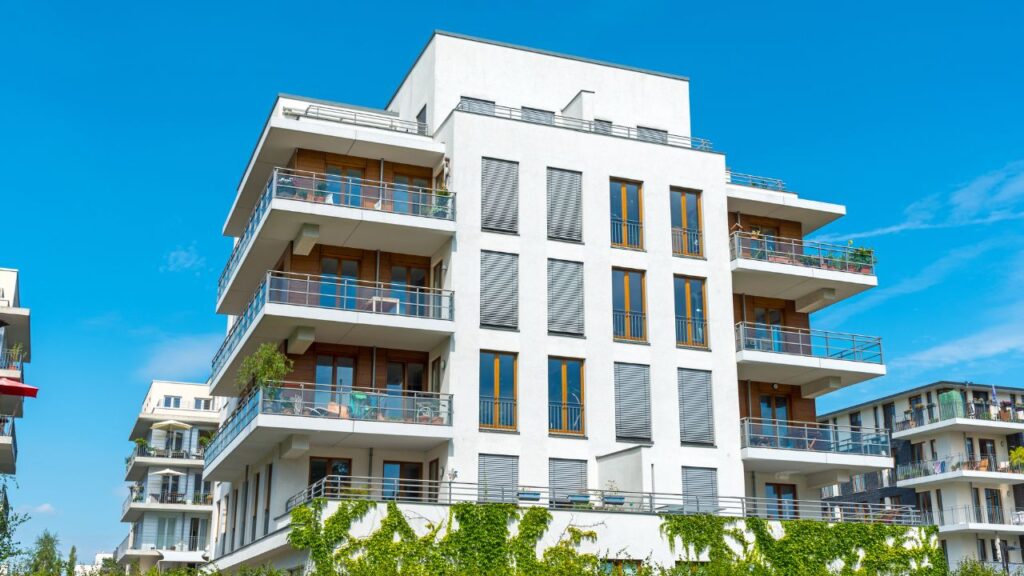
The construction of low-rise apartment buildings is a complex process that involves various factors, and one of the most critical considerations is the cost of materials. Among these materials, concrete plays a central role in providing structural integrity and durability to the building.The average construction cost for a low-rise apartment building with concrete might range from $150 to $250 or more per square foot. In other regions or countries, this cost may be lower or higher based on local factors. In this article, we will delve into the concrete costs associated with low-rise apartment building construction, exploring the factors that influence these costs and strategies to optimize them.
The foundation and substructure of a low-rise apartment building form the cornerstone of its stability and support. Invariably, concrete emerges as the material of choice for constructing foundations, footings, and basements due to its strength and durability. However, the cost of concrete in this phase is subject to a myriad of factors. The type of foundation – whether it be a slab, crawl space, or basement – significantly influences costs. Additionally, soil conditions play a crucial role, as varying soil types may necessitate different foundation designs. The required strength of the concrete mix is yet another determinant, impacting both material expenses and construction complexity. Moreover, adherence to local building codes and regulations introduces standards that can further shape the overall cost of this foundational phase.
Fully Insured Licensed
Hire Builder For Apartment Building
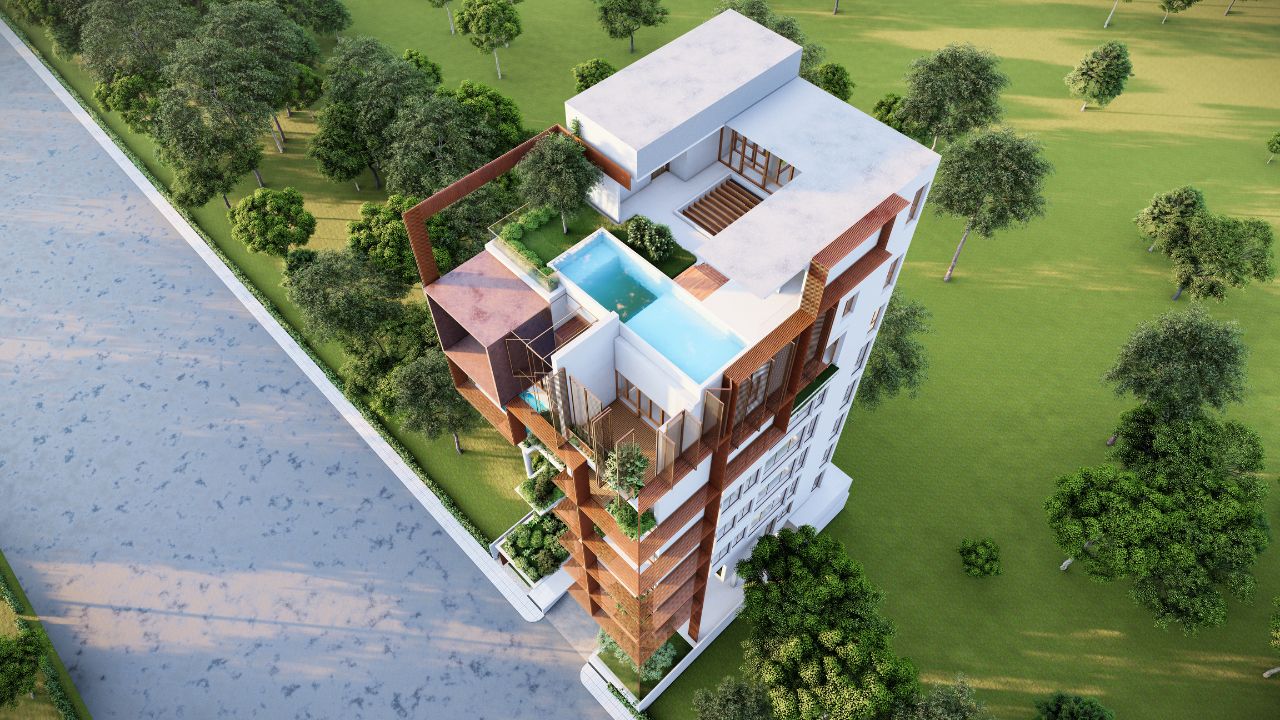
Make Informed Design Decisions Showcase Your Design Ideas
Get RenderingMoving beyond the foundational elements, the superstructure encompasses the construction of above-ground floors and walls in low-rise apartment buildings. Concrete, once again, assumes a prominent role, particularly for load-bearing walls and floor slabs. The cost of concrete in this phase is intricately linked to several considerations. The volume of material needed is a primary factor, determined by the building’s dimensions and architectural design. The complexity of the design, including intricate features and detailing, can add to the overall expense. Moreover, the desired finish, whether it be a basic surface or a polished, decorative aesthetic, influences costs. Notably, advancements in concrete technology, such as the utilization of precast panels or insulated concrete forms (ICFs), introduce innovations that impact both costs and construction timelines.
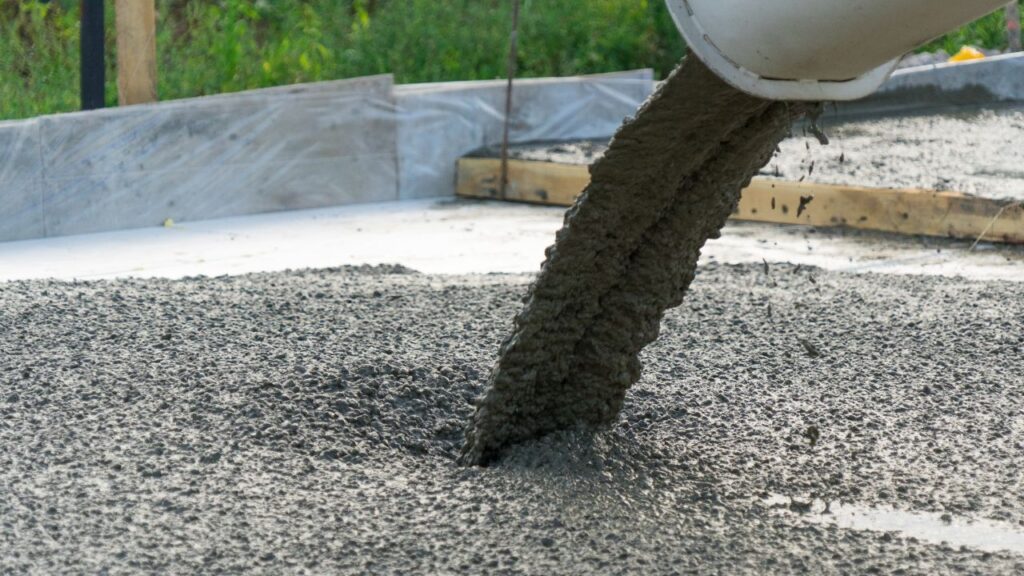
Formwork is an essential component in shaping and molding concrete into the desired structure, and its cost is influenced by various factors. The complexity of the design, the number of corners, and the intricacy of formwork required all contribute to the overall cost. Moreover, the choice of finishes plays a pivotal role. Whether opting for a basic surface, decorative concrete, staining, or polishing, each decision has cost implications. Balancing aesthetic considerations with budget constraints becomes crucial, as the pursuit of an intricate design or high-end finishes can significantly impact the overall expense of formwork and finishes.
Reinforcement, typically in the form of steel bars or mesh, is a critical component added to concrete to enhance its tensile strength and prevent cracking. The amount and type of reinforcement required depend on the structural design and local building codes. Achieving a delicate balance between the need for structural integrity and cost considerations is essential for optimizing expenses in this category. Careful analysis of design requirements and adherence to local codes ensure that the right amount and type of reinforcement are utilized without unnecessary excess, effectively managing costs while ensuring structural robustness.
Labor and equipment costs stand as significant contributors to the overall expense of concrete usage in construction. Skilled labor for concrete work, including formwork installation and finishing, is indispensable for achieving high-quality results. The expertise required adds to labor costs, emphasizing the importance of skilled professionals in the construction process. Additionally, the cost of construction equipment, such as concrete mixers and pumps, must be factored into the budget. Efficient utilization of labor and equipment, along with careful project management, contributes to cost optimization in this critical aspect of low-rise apartment construction.
Concrete costs exhibit significant variations based on geographical location, making an understanding of regional variances essential for accurate cost estimation. Local material availability, transportation costs, and regional labor rates are among the key factors influencing these discrepancies. The unique demands and constraints of a specific location can significantly impact the overall expense of using concrete in low-rise apartment construction. Therefore, a thorough consideration of these regional variations is imperative when undertaking cost assessments, ensuring that the budget aligns with the specific challenges and opportunities presented by the project’s location.
Here’s the information presented in a table format:
Aspect | Cost Range (per square foot) | Factors Influencing Cost |
Foundation and Substructure | $30 to $60 or more | Type of foundation, soil conditions, required concrete strength, adherence to local building codes |
Superstructure | $80 to $120 or more | Building dimensions, architectural design complexity, volume of concrete needed, desired finish, use of innovative technologies |
Formwork and Finishes | $20 to $40 or more | Complexity of design, number of corners, intricacy of formwork, choice of finishes (basic surface, decorative, staining, polishing) |
Reinforcement | $10 to $20 or more | Structural design, local building codes, amount and type of reinforcement required |
Labor and Equipment | $30 to $50 or more | Skilled labor for concrete work, expertise required, cost of construction equipment (mixers, pumps), efficient project management |
Regional Variances | Varies | Local material availability, transportation costs, regional labor rates |
Unforeseen challenges related to soil quality and environmental factors can significantly impact the construction of an apartment complex. Poor soil conditions may necessitate additional foundation work, such as the use of specialized techniques or materials, leading to unexpected costs. Environmental challenges, such as the discovery of contaminants, may require remediation efforts, further increasing project expenses. It is essential to conduct thorough site assessments and soil tests during the initial phases of planning to anticipate and mitigate potential issues.
Changes in building codes, permit delays, or unexpected regulatory adjustments can pose considerable challenges during apartment complex construction. Compliance with evolving regulations may require modifications to the project plans, leading to added expenses for redesign and approval processes. Delays in obtaining permits can impact the construction timeline, resulting in increased holding costs and potential penalties. Staying informed about local regulations and maintaining open communication with regulatory authorities can help navigate these challenges effectively.
Modifications to the initial design due to unforeseen challenges or client preferences can introduce hidden costs. Unanticipated issues during construction may necessitate adjustments to the design, leading to additional expenses for redesign and rework. It is crucial to engage in thorough pre-construction planning and risk assessment to identify potential challenges early on, minimizing the need for significant design changes during the construction process.
The construction industry is susceptible to market fluctuations that can impact the costs and availability of construction materials. Unexpected increases in material costs or shortages can disrupt budget projections. Monitoring market trends, maintaining strong relationships with suppliers, and incorporating flexibility into the budget to accommodate material cost variations are essential strategies to address these potential hidden costs effectively.
Skilled labor shortages, labor strikes, or disputes can significantly impact the construction of an apartment complex. Shortages of skilled workers may result in increased labor costs, and strikes or disputes can disrupt the construction schedule, leading to potential delays and added expenses. Building strong relationships with reliable contractors, considering alternative labor sources, and having contingency plans for labor-related challenges are critical to managing these hidden costs.
Connecting to utilities and addressing off-site infrastructure improvements may present unforeseen challenges and costs. Unexpected expenses can arise during utility connections, especially if infrastructure upgrades or adjustments are necessary. Off-site improvements, such as road widening or sewer upgrades, can contribute to hidden costs that may not be initially accounted for in the project budget. Thorough feasibility studies and collaboration with utility providers are essential to identify and plan for these potential hidden costs.
Fluctuations in interest rates, unexpected loan extension fees, and financing challenges can pose financial risks during apartment complex construction. Interest rate changes may impact financing costs, and unexpected challenges in securing financing can lead to delays and additional expenses. Clear communication with financial institutions, regular monitoring of market conditions, and building flexibility into the financial plan can help mitigate the impact of these hidden costs and ensure a more resilient financial structure for the project.
Constructing low-rise apartment buildings involves a nuanced approach to material costs, particularly concrete, which averages $150 to $250 per square foot. Understanding concrete expenses in phases like foundation, superstructure, and finishes is crucial for accurate budgeting.
Hidden costs, such as those related to site conditions, permitting, design changes, material fluctuations, labor issues, utilities, and financing, can impact project finances. Proactive risk management and clear communication with stakeholders are vital for navigating these unforeseen challenges.
Ultimately, a thorough grasp of both visible and hidden costs, coupled with strategic planning, is essential for the efficient and cost-effective construction of low-rise apartment buildings.
The average construction cost for a low-rise apartment building with concrete typically ranges from $150 to $250 or more per square foot. However, costs can vary based on factors such as location and local market conditions.
The cost of the foundation and substructure is influenced by the type of foundation (slab, crawl space, or basement), soil conditions, required concrete strength, and adherence to local building codes and regulations.
The complexity of the superstructure, including the building’s dimensions, architectural design, and desired finish, influences the cost of concrete. Additionally, the use of innovative technologies, such as precast panels or insulated concrete forms, can impact costs and construction timelines.
Formwork, essential for shaping and molding concrete, contributes to overall costs. The complexity of the design, number of corners, and intricacy of formwork, along with the choice of finishes (basic surface, decorative, staining, polishing), all influence the cost of formwork and finishes.
Reinforcement, typically in the form of steel bars or mesh, enhances concrete’s tensile strength and prevents cracking. The amount and type of reinforcement needed depend on the structural design and local building codes. Balancing structural integrity with cost considerations is crucial for optimizing expenses.
Hidden costs may arise from unforeseen challenges in site conditions, permitting delays, design modifications, material cost fluctuations, labor shortages, utility connections, and financing issues. Proactive risk management, thorough feasibility studies, and clear communication with stakeholders are essential to navigate these potential hidden costs successfully.
Here I am going to share some steps to get your low-rise apartment building concrete cost estimate report.
You can send us your plan on info@estimatorflorida.com
Before starting your project, we send you a quote for your service. That quote will have detailed information about your project. Here you will get information about the size, difficulty, complexity and bid date when determining pricing.
Our team will takeoff and estimate your project. When we deliver you’ll receive a PDF and an Excel file of your estimate. We can also offer construction lead generation services for the jobs you’d like to pursue further.
561-530-2845
info@estimatorflorida.com
Address
5245 Wiles Rd Apt 3-102 St. Pete Beach, FL 33073 United States
561-530-2845
info@estimatorflorida.com
Address
5245 Wiles Rd Apt 3-102 St. Pete Beach, FL 33073 United States
All copyright © Reserved | Designed By V Marketing Media | Disclaimer