How to Plan for Aging in Place with Your Bathroom Remodel?
As people grow older, comfort, safety, and accessibility at home become increasingly important. Aging in place—the concept of living independently in one’s own home for as long as possible—requires thoughtful planning and smart remodeling decisions. Among all areas in the house, the bathroom presents the greatest challenge because it combines water, movement, and hard surfaces. A well-designed remodel can prevent accidents and enhance independence without compromising style. By blending function with design, homeowners can create bathrooms that are both beautiful and adaptable to changing physical needs, ensuring long-term comfort and peace of mind.
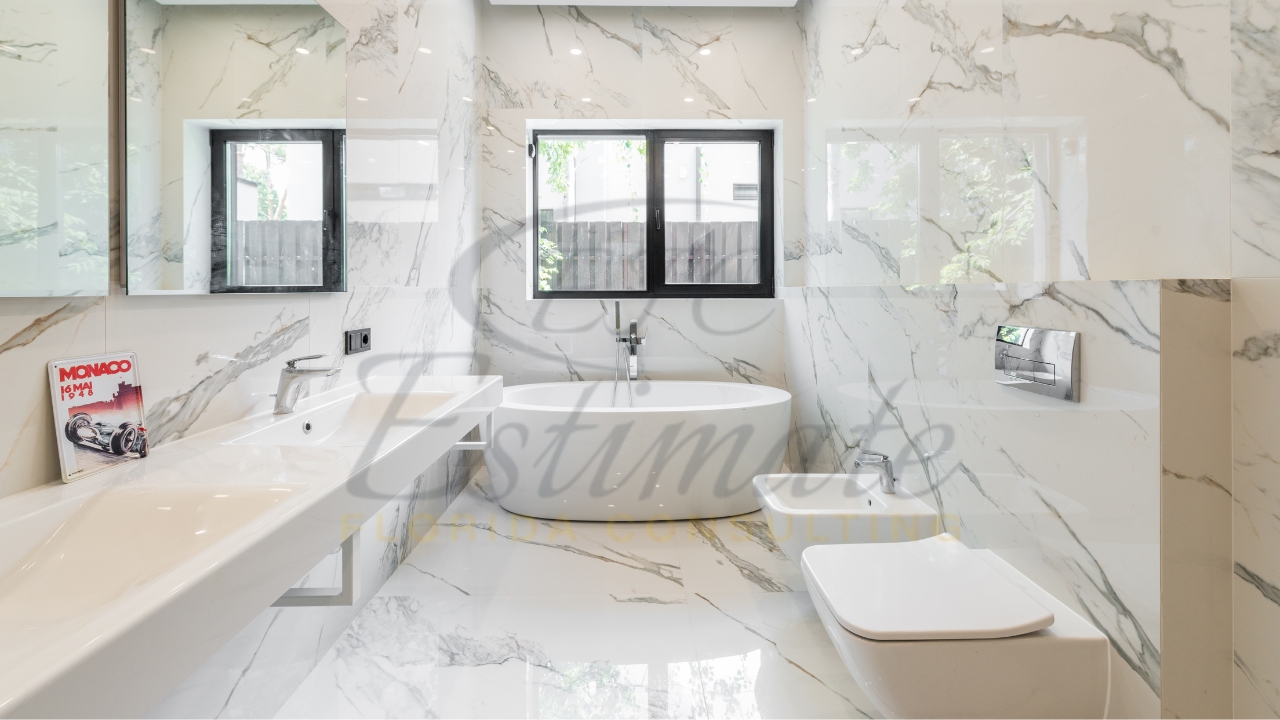
Designing for Safety and Accessibility
Safety forms the foundation of any aging-in-place bathroom remodel. As mobility decreases with age, features such as grab bars, slip-resistant flooring, and walk-in showers become increasingly essential. A curbless shower eliminates the need to step over a high ledge, reducing the risk of falls. Wider doorways and adjustable-height sinks accommodate wheelchairs and walkers, allowing for easy access and maneuverability. Lighting is another crucial aspect—well-placed fixtures eliminate shadows that could obscure hazards. By incorporating these elements early in the design process, homeowners create a space that feels secure yet welcoming. Functionality and comfort coexist when accessibility features are seamlessly integrated into the overall aesthetic, providing safety without a clinical appearance.
Partnering with the Right Remodeling Professionals
Hiring experienced professionals ensures that a remodel designed for aging in place meets both structural and functional needs. Skilled contractors understand how to modify plumbing, adjust layouts, and select materials that enhance longevity. They also help balance practicality with visual appeal, ensuring the bathroom remains inviting while adhering to safety standards. A trusted general contractor Gainesville can oversee the project from design to completion, coordinating each step to maintain consistency and quality. This collaboration ensures all modifications—such as reinforced walls for grab bars or slip-resistant tile installation—are properly executed. Working with knowledgeable tradespeople minimizes mistakes and saves homeowners time and money, turning vision into reality through careful planning and craftsmanship that supports long-term independence.
Improving Comfort with Smart Design Choices
Aging in place isn’t just about safety; it’s also about creating comfort and convenience. Adjustable showerheads, lever-style faucets, and thermostatic controls enhance usability for those with limited mobility or strength. Heated flooring adds warmth that eases joint pain, while built-in benches provide a secure place to sit while showering. Open shelving and well-organized storage ensure that toiletries remain within easy reach, reducing the need to bend or stretch. Mirrors and lighting should be strategically placed to improve visibility without glare. These thoughtful design choices not only make daily routines easier but also elevate the overall experience of the space. A well-planned bathroom blends functionality with a touch of luxury, transforming practical features into elements of comfort and relaxation that enhance daily living.
Incorporating Universal Design Principles
Universal design focuses on creating spaces that are accessible and enjoyable for people of all ages and abilities. When applied to bathroom remodeling, this philosophy extends beyond meeting immediate needs to ensure adaptability for future changes. Installing wall reinforcements allows grab bars or handrails to be added later without major renovations. Floating vanities provide legroom for wheelchair users while maintaining a sleek, modern look. Lever handles, wider door frames, and slip-resistant flooring benefit everyone, not just those with mobility challenges. By embracing universal design early in the planning process, homeowners can future-proof their bathrooms without sacrificing aesthetics. This approach makes the remodel not only a practical investment but also a long-term enhancement to the home’s overall value and livability.
Technology and Innovation for Independence
Modern technology has transformed the way aging adults can maintain their independence at home. Motion-sensor lighting, digital shower controls, and voice-activated fixtures make bathroom use safer and more convenient. For example, smart showers allow temperature presets, preventing accidental burns. Emergency alert systems can be discreetly integrated into the space, providing reassurance in the event of a fall. Even mirrors now come with built-in defoggers and lighting adjustments to assist users with vision changes. These innovations enhance self-sufficiency while reducing daily challenges. When incorporated thoughtfully, technology becomes invisible yet indispensable—blending seamlessly into the design while empowering individuals to manage their routines with confidence and ease, regardless of their age or ability.
Balancing Aesthetics with Functionality
A bathroom designed for aging in place does not have to look utilitarian. The key lies in blending accessibility features with elegant design elements. Decorative grab bars can double as towel racks, and walk-in tubs can be integrated seamlessly into contemporary layouts. Color contrasts on walls, tiles, and fixtures help with depth perception without overwhelming the senses. Choosing durable, easy-to-clean materials ensures longevity while maintaining a visually appealing appearance. Designers can utilize soft lighting, neutral tones, and natural textures to create a serene, spa-like ambiance. By harmonizing function and form, homeowners achieve a space that feels stylish yet secure—proof that accessibility and beauty can coexist gracefully within the same room.
Planning for aging in place through a bathroom remodel is an investment in safety, comfort, and independence. By combining thoughtful design with professional guidance, homeowners can create spaces that evolve in tandem with their changing needs over time. Accessibility features, smart technology, and universal design principles make daily living easier while preserving personal dignity and autonomy. When executed with care, such remodels transform bathrooms into safe havens that blend practicality with style. The result is a home that supports longevity—where aging gracefully means living confidently in a space that feels as welcoming as it is functional for years to come.