How to Plan a Commercial Office Relocation Without Disrupting Your Construction or Renovation Schedule
Relocating a business is rarely a simple task, especially when the move overlaps with renovation work, tenant improvements, or new construction. Timelines shift, teams experience workflow interruptions, and every decision affects cost and productivity. That’s why the process often begins with careful logistics planning and the right support in place, whether that means coordinating schedules with contractors, preparing departments for staggered relocation, or securing professional office moving support that helps the transition happen quietly in the background while day-to-day operations continue.
When relocation and construction timelines overlap, structure becomes essential. The more intentional the planning, the smoother the transition, and the more predictable the costs.
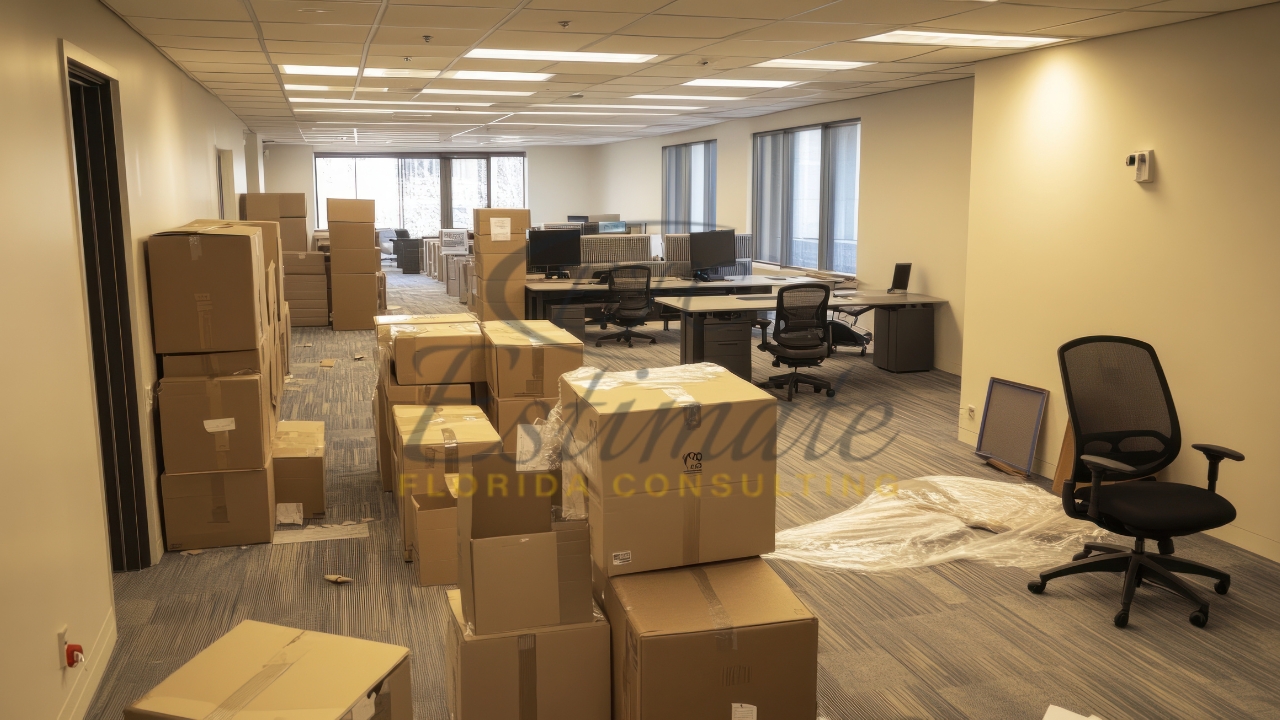
Map the Move to the Project Timeline
A commercial renovation or new build typically has multiple phases: planning, permitting, demolition, reconstruction, system installation, and finishing work. Office relocation should fit into this sequence, not operate parallel to it without coordination.
Some companies avoid disruption by aligning their move with phases where work is either complete or temporarily paused. For example, it may be easier to relocate equipment or furniture once electrical and networking infrastructure is fully installed but before final furnishing or inspections.
Understanding the construction schedule also helps businesses identify temporary spaces, swinging staff schedules, or remote-work models if needed. Each of these decisions reduces the pressure of rushing a move.
Consider Operational Priorities First
Before deciding when or how the move happens, it helps to determine what operations must remain active. Some businesses can pause or delay certain departments; others, such as legal, medical, or customer-support-driven teams, need uninterrupted workflows.
By identifying essential operations, companies prevent missteps like packing equipment or relocating personnel prematurely. Some teams may move early, others later, and some, not at all until construction is fully completed.
This phased approach also clarifies which assets need protection, temporary storage, or specialized handling.
Assess What Should Move Now, Later, or Not at All
Commercial moves often reveal a surprising amount of unused furniture, outdated documents, or equipment that no longer fits the organization’s workflow. Instead of moving everything by default, inventorying and categorizing assets keeps the move economical and efficient.
Some companies create three lists:
- Essential now
- Store temporarily
- Replace or retire
This approach works especially well when relocating into redesigned or renovated workspaces, where outdated furniture or oversized equipment may clash with the new layout.
Coordinate With Construction and Facility Teams Early
Successful commercial relocations rely on clear communication between multiple stakeholders: building managers, IT teams, contractors, architects, and operational leads. A single missed step, such as assuming electricity, HVAC, or networking is ready, can cascade into delays.
Industry guidance from the U.S. General Services Administration notes that early coordination and documented project communication significantly reduce relocation delays, especially when multiple contractors or vendors are involved.
A communication plan doesn’t need to be complex, it simply needs to be consistent:
- Who gives final approval for logistics?
- Who signs off on scheduling adjustments?
- Who coordinates with the moving team or contractors?
Clarity prevents conflict and confusion.
Protect Technology and Sensitive Equipment
Office relocations today rarely involve only desks and filing cabinets. Most businesses rely on specialized equipment, IT infrastructure, and digital assets that require safe transport and precise timing.
That may include:
- Servers and networking equipment
- Laboratory machines or specialty tools
- Medical or legal records
- Monitors, computers, and audiovisual setups
Some equipment must remain functional until the final hours of occupancy. Others may require temperature-controlled storage or careful calibration upon arrival. Planning transport around these needs, not the other way around, keeps the move aligned with business continuity.
Plan for Downtime Even If You Hope Not to Use It
The most carefully planned commercial moves still benefit from contingency space in the schedule. Weather delays, inspection backlogs, or supply chain setbacks may shift renovation timelines. Without flexibility, these disruptions can have operational consequences.
A buffer may include:
- Temporary workstations
- Remote-work support
- Delayed staff transition
- Short-term equipment storage
Building this flexibility into the plan reduces stress and ensures the move supports, not interrupts, the build-out.
A Smooth Commercial Move Is Built, Not Rushed
Relocating while construction or renovation is in progress requires patience, planning, and clarity. It isn’t just a physical transition, it’s a staged operational change.
The businesses that manage this transition well often share the same approach: they treat the move as part of the project, not as a task happening beside it. They plan early, communicate often, coordinate across teams, and seek help where expertise matters most.
A move doesn’t have to feel rushed or chaotic. With structure, collaboration, and the right support, it becomes a strategic step toward the future workplace, not a disruption on the way there.