- Homepage
- How to Insulate the Roof of a Metal Building?
How to Insulate the Roof of a Metal Building?
Leading provider of insulateion services.
Insulating the roof of a metal building is one of the most effective ways to improve energy efficiency, reduce heat loss, and enhance comfort throughout the year. Metal buildings are known for their durability and strength, but without proper insulation, they can become extremely hot during Florida’s summers and cold during winter nights. Roof insulation plays a critical role in stabilizing indoor temperatures, controlling condensation, and reducing energy bills.
A well-insulated metal roof also extends the lifespan of the building by preventing moisture buildup and thermal expansion issues that often lead to corrosion or leaks. Whether you’re working on a commercial warehouse, industrial shed, or residential metal structure,
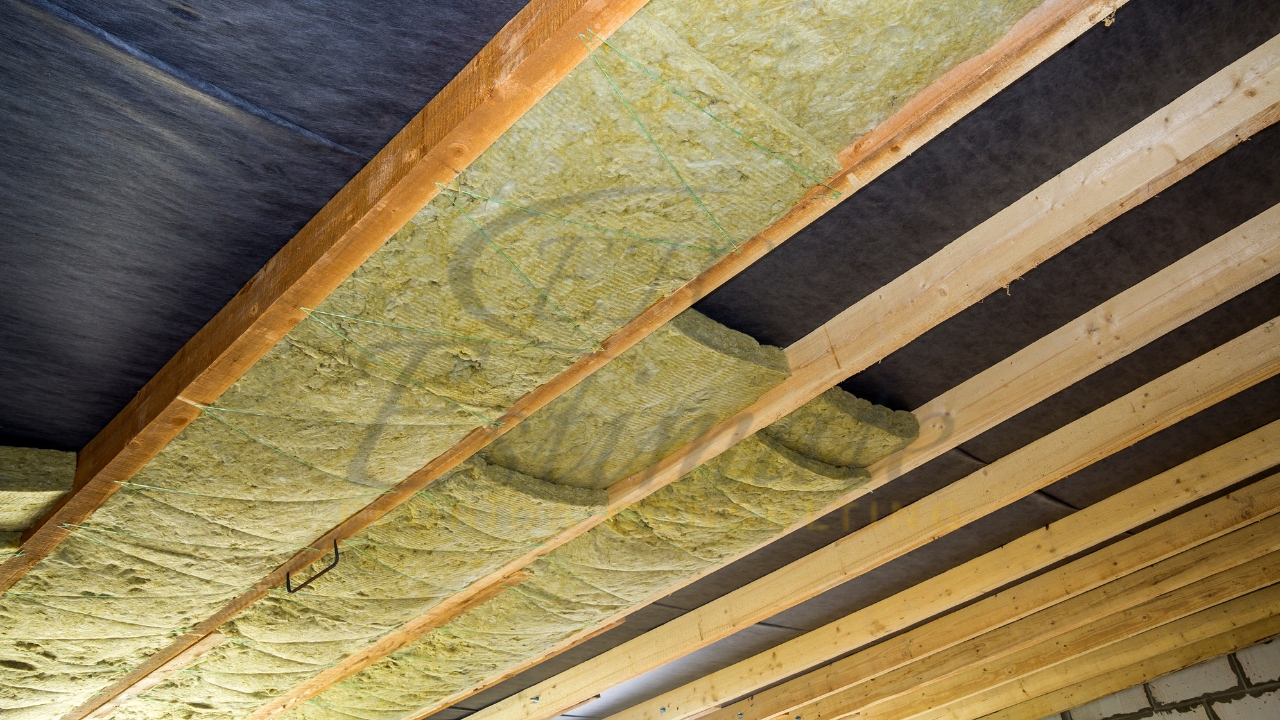
choosing the right insulation method and material is key to long-term performance and cost savings.
Why Insulation Is Important for Metal Roofs?
Metal buildings are highly durable, but they easily conduct heat and cold. Without proper insulation, the interior can quickly become uncomfortable — extremely hot during the day and chilly at night. Insulation creates a protective thermal barrier that prevents this rapid heat transfer. It helps maintain stable indoor temperatures, reducing the workload on heating and cooling systems and saving significant energy costs over time.
Another major reason to insulate a metal roof is condensation control. When warm indoor air meets a cold metal surface, it forms moisture droplets. Over time, this can lead to corrosion, mold growth, and even structural damage. A properly installed insulation layer prevents such moisture buildup and keeps the structure dry and safe.
Moreover, insulation plays a role in soundproofing. Metal roofs can amplify noise from rain, wind, or mechanical operations. Insulating the roof helps absorb and dampen sound vibrations, making the building quieter and more comfortable. Whether it’s a commercial facility, workshop, or home, insulation enhances both energy efficiency and occupant comfort — making it an essential investment for any metal building project in Florida’s climate.
Types of Roof Insulation for Metal Buildings
Choosing the right insulation type for a metal building depends on factors such as climate, budget, building use, and desired energy efficiency. In Florida’s humid and hot environment, it’s especially important to select materials that can resist heat transfer and moisture buildup. Here are the most commonly used insulation types for metal roofs:
1. Fiberglass Batt Insulation
Fiberglass batts are among the most affordable and widely used options. They consist of fine glass fibers that trap air, slowing down heat transfer. Batts are easy to install between roof purlins or panels, and they come in various R-values depending on thermal resistance needs. They’re excellent for reducing both heat gain and noise but must be properly sealed to prevent moisture issues.
Get High-Quality 3D Rendering Services Today!
Transform your space with stunning 3D Rendering that blends style, comfort, and functionality.
We Specialize in Both Residential and Commercial 3D Rendering Projects.
- Luxury Villas
- Apartment Complexes
- Home
- Condominium
- Office Buildings
- Shopping Malls
- Hospitals
- Hotels & Resorts
2. Spray Foam Insulation
Spray foam is a premium choice for metal roofs. It’s sprayed directly onto the underside of the roof, expanding to fill gaps and cracks. This creates an airtight and moisture-resistant barrier. Closed-cell spray foam offers high R-values and adds structural strength to the roof. It’s ideal for buildings where air sealing and condensation control are top priorities.
3. Rigid Foam Board Insulation
Rigid foam boards, made of materials like polyisocyanurate (Polyiso), EPS, or XPS, provide excellent thermal resistance. These panels can be installed either above or below the metal roof deck. They’re durable, moisture-resistant, and offer consistent R-values across the surface. Rigid boards are often used in commercial or industrial buildings where energy efficiency and long-term durability are critical.
4. Reflective or Radiant Barrier Insulation
Radiant barriers work by reflecting heat instead of absorbing it. They’re especially effective in hot climates like Florida, where the goal is to keep heat out rather than in. This type of insulation consists of a reflective foil layer installed under the roof to deflect radiant heat from the sun. It’s lightweight, easy to install, and works best when combined with other insulation materials for maximum efficiency.
How to Insulate a Metal Building Roof — Step-by-Step Process?
Insulating a metal roof requires proper planning, the right materials, and careful installation to ensure durability and energy performance. Whether you’re insulating a new structure or upgrading an existing one, following a systematic approach ensures efficiency and long-term protection.
Step 1: Inspect and Prepare the Roof
Before starting, thoroughly inspect the roof structure for leaks, rust, or weak spots. Repair any damage and clean the surface to remove dirt, oil, and debris. This ensures the insulation adheres properly and lasts longer. If it’s a retrofit project, remove any old or damaged insulation material.
Step 2: Choose the Right Insulation Material
Select an insulation type suitable for your building’s design and climate conditions. In Florida, spray foam or reflective foil insulation works best for controlling heat and humidity. Consider the R-value requirement for your area — higher R-values provide better thermal resistance and energy savings.
Step 3: Install a Vapor Barrier (If Needed)
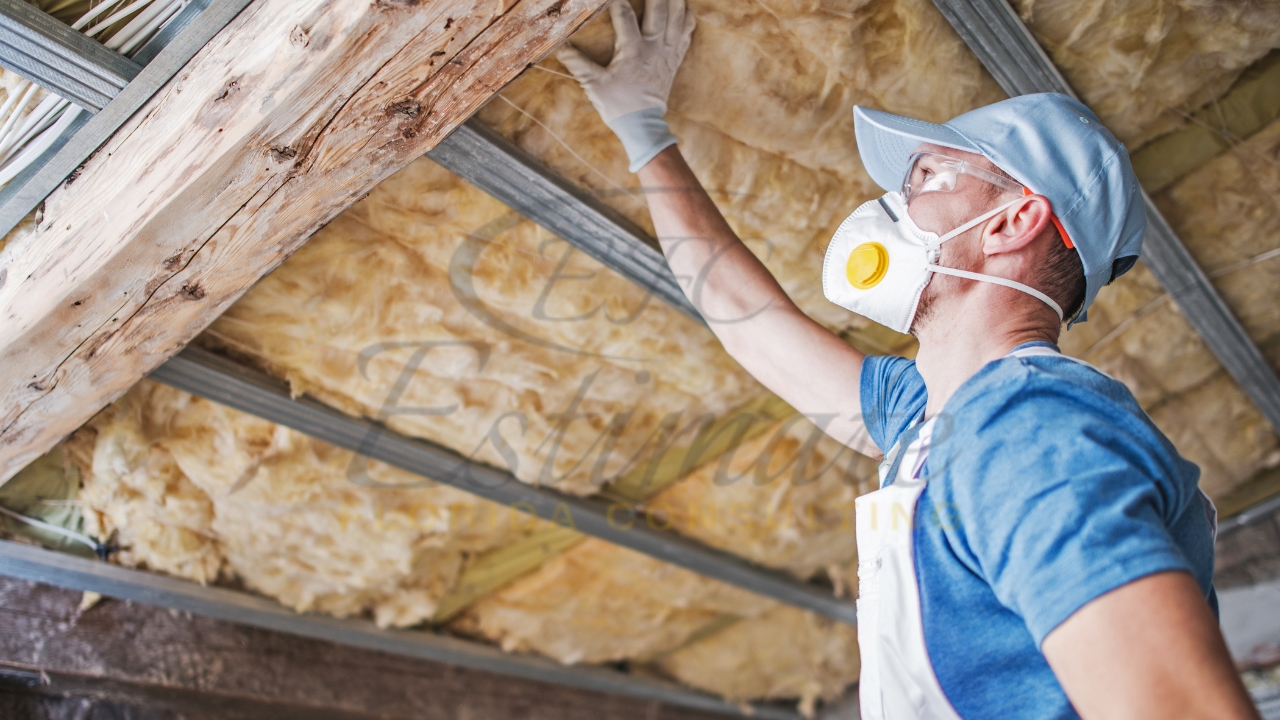
In humid regions, a vapor barrier is essential to prevent condensation. Install a vapor barrier sheet before placing insulation to block moisture from seeping into the building envelope. This step helps prevent corrosion and mold growth, particularly under metal panels.
Step 4: Apply or Attach the Insulation
The installation process varies by insulation type:
- For fiberglass batts – Fit them between purlins and secure them using fasteners or support wires.
- For spray foam – Apply the foam evenly across the underside of the metal roof. It will expand and harden, forming a tight seal.
- For rigid boards – Cut panels to size and attach them to the roof deck using adhesives or mechanical fasteners.
- For reflective barriers – Staple or tape them under the roof, ensuring there’s an air gap for maximum reflectivity.
Step 5: Seal All Gaps and Edges
Use foam sealants or aluminum tape to close any small gaps, seams, or penetrations. Proper sealing is critical to prevent air leaks and maintain insulation performance over time.
Step 6: Add Interior Lining (Optional)
For a cleaner and more finished look, install an interior liner such as drywall, metal panels, or vinyl-faced insulation. This protects the insulation from damage and enhances the overall aesthetics of the building’s interior.
By following these steps carefully, you can significantly boost your building’s energy performance and comfort while reducing long-term maintenance issues.
Best Insulation Materials for Metal Roofs in Florida (with Cost Estimates)
Florida’s hot and humid weather demands insulation materials that can handle high heat, resist moisture, and prevent corrosion under metal roofing systems. Choosing the right insulation material not only enhances comfort but also cuts down on electricity bills year-round. Below are some of the most effective and commonly used insulation materials for metal buildings across Florida — along with their approximate cost range per square foot.
Insulation Material | Average Cost (Per Sq. Ft.) | R-Value (Thermal Resistance) | Key Benefits |
Fiberglass Batts | $1.20 – $1.80 | R-3.0 to R-3.7 per inch | Affordable, soundproofing, easy installation |
Spray Foam (Closed-Cell) | $2.50 – $4.00 | R-6.0 to R-7.0 per inch | Airtight, moisture-resistant, strong insulation |
Rigid Foam Board (Polyiso or XPS) | $1.80 – $3.20 | R-5.0 to R-6.5 per inch | High thermal resistance, durable, long lifespan |
Reflective Foil Insulation | $1.00 – $1.60 | R-Value varies by setup | Excellent for radiant heat control, lightweight |
Blown-In Cellulose (Under Roof Deck) | $1.50 – $2.50 | R-3.2 to R-3.8 per inch | Eco-friendly, great for sound absorption |
Mineral Wool Insulation | $1.80 – $2.80 | R-4.0 to R-4.3 per inch | Fire-resistant, soundproof, moisture-tolerant |
Choosing the Right Material
In most Florida projects, spray foam insulation and reflective foil systems are the top choices. Spray foam provides superior thermal and air-sealing performance, making it ideal for metal roofs that face direct sunlight and humidity. Reflective insulation, on the other hand, is excellent for deflecting radiant heat and lowering cooling loads — particularly for warehouses, garages, and workshops.
Meanwhile, fiberglass and rigid foam boards remain practical for budget-conscious homeowners and contractors. They’re easy to install and provide solid thermal performance when properly sealed with vapor barriers and tapes. The goal is to balance energy efficiency, cost, and installation complexity based on the type and size of the metal building.
Want to Start Your Project with the Best Contractors?
Let’s Take Your Projects to the Next Level.
& What's you will get:
- Connecting You to Top Local Contractors
- Professional Consulting, Contractors Near You
- From Expert Advice to Local Contractor Connections
“
We’re Here
for You –
Reach Out Today!
”
Contact Now
Let's discuss with a cup of coffee
Energy Efficiency Benefits of Roof Insulation in Metal Buildings
Roof insulation isn’t just about comfort — it’s one of the smartest ways to save energy and reduce operational costs. For metal buildings, which tend to absorb and transfer heat quickly, proper insulation acts as a shield that stabilizes indoor temperatures and minimizes the need for constant heating or cooling. This directly translates into lower monthly energy bills, making insulation an investment that pays for itself over time.
When the roof is well-insulated, it significantly reduces heat gain during Florida’s scorching summers and limits heat loss in cooler months. The HVAC system doesn’t have to work as hard to maintain a comfortable temperature, which extends its lifespan and reduces maintenance costs. This is particularly beneficial in large metal structures like warehouses, manufacturing plants, and agricultural facilities that rely heavily on consistent temperature control.
In addition to temperature regulation, roof insulation enhances building envelope efficiency, meaning less air leakage and fewer hot or cold spots inside. This balanced indoor environment improves productivity in commercial spaces and enhances comfort in residential metal buildings. Over time, the combination of energy savings and reduced wear on equipment can result in substantial cost reductions.
Moreover, energy-efficient insulation supports green building practices by lowering carbon emissions and overall energy consumption. When paired with reflective roofing materials or solar systems, insulation becomes a key element in achieving sustainable construction goals for Florida-based projects.
How Much Does It Cost to Insulate a Metal Building Roof in Florida?
The cost of insulating a metal building roof in Florida can vary depending on several factors — such as building size, insulation type, R-value requirement, labor rates, and installation complexity. On average, homeowners and contractors can expect to spend between $1.80 to $4.50 per square foot for complete roof insulation, including materials and labor.
For smaller metal structures like garages, workshops, or storage units, the cost typically falls on the lower end of the range. However, for larger commercial or industrial buildings, costs may rise due to thicker insulation layers, complex roof designs, or additional vapor barriers. Spray foam insulation, while more expensive upfront, provides superior energy performance and long-term durability — often reducing energy costs by up to 30–40% annually.
Below is an approximate cost breakdown to help you understand how pricing differs by insulation type in Florida:
Insulation Type | Estimated Cost per Sq. Ft. (Installed) | Application |
Fiberglass Batts | $1.80 – $2.50 | Basic roof insulation for small buildings |
Spray Foam (Closed-Cell) | $3.50 – $4.50 | High-performance insulation and air seal |
Rigid Foam Boards | $2.50 – $3.80 | Long-lasting solution for commercial roofs |
Reflective Foil | $1.80 – $2.20 | Ideal for radiant heat control |
Blown-In Cellulose | $2.00 – $3.00 | Retrofit insulation under roof decks |
Keep in mind that labor rates in Florida can vary slightly by city — with coastal areas like Miami, Tampa, and Fort Lauderdale often seeing slightly higher costs due to increased demand and humidity control needs. On the other hand, smaller cities may offer lower labor rates but similar material pricing.
When estimating total costs, it’s important to consider insulation thickness, roof accessibility, vapor barrier installation, and air sealing work — all of which influence the final price. A professional cost estimate ensures accurate budgeting and helps avoid unexpected expenses during installation.
Common Mistakes to Avoid When Insulating Metal Roofs
Even the best insulation materials can fail to perform if not installed correctly. Metal roof insulation requires precision, proper sealing, and the right materials to ensure long-term durability and efficiency. Many builders and homeowners overlook small yet crucial details that lead to condensation, energy loss, and costly repairs later. Avoiding these mistakes can save you thousands in the long run.
1. Ignoring Moisture and Condensation Control
Metal roofs are highly susceptible to condensation. When warm indoor air meets a cool roof surface, moisture forms quickly — leading to corrosion, mold, and water stains. Always install a vapor barrier or choose moisture-resistant insulation like closed-cell spray foam to eliminate this risk. Neglecting this step can drastically shorten your roof’s lifespan.
2. Using the Wrong Insulation Type
ch metal building has unique thermal and structural needs. Choosing an insulation type without considering the building’s use, location, and climate can result in poor performance. For instance, fiberglass may not be ideal for high-humidity areas, while reflective insulation might not suffice in colder climates. In Florida, prioritize heat-reflective and moisture-resistant materials.
3. Poor Sealing Around Gaps and Joints
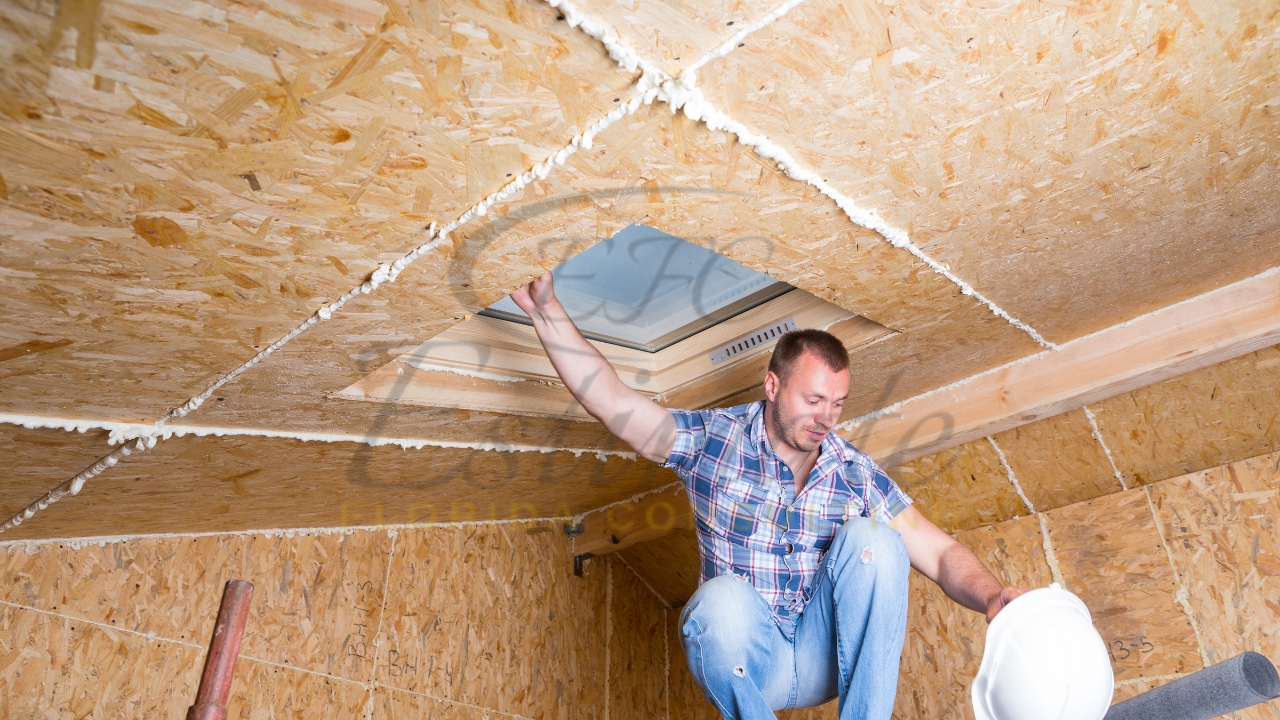
Even the smallest unsealed gap can let in moisture and outside air, reducing the insulation’s effectiveness. Use foam sealant, aluminum tape, or expanding spray foam to close all joints and penetrations. Proper air sealing ensures consistent temperature control and maximizes energy savings.
4. Skipping Roof Preparation
Insulating over a dirty, rusty, or damaged roof surface is a costly mistake. Always clean, repair, and prime the roof before installation. This ensures proper adhesion and extends the life of the insulation system.
5. Inconsistent Insulation Thickness
Uneven insulation coverage creates thermal bridges — areas where heat escapes easily. Ensure insulation is evenly applied, especially for spray foam and rigid board systems, to maintain uniform thermal performance across the entire roof.
By avoiding these common errors, you’ll ensure your metal building roof insulation performs efficiently, lasts longer, and delivers maximum energy savings throughout Florida’s demanding climate.
Maintenance Tips for Insulated Metal Roofs
Once your metal building roof is properly insulated, routine maintenance is key to preserving its performance and lifespan. While quality insulation materials can last for decades, neglecting basic upkeep can lead to moisture buildup, thermal inefficiency, and material deterioration. A proactive maintenance plan ensures your investment continues to deliver comfort and energy savings year after year.
1. Conduct Regular Inspections
Inspect the roof and insulation system at least twice a year — preferably before and after Florida’s rainy season. Look for signs of moisture intrusion, damaged panels, sagging insulation, or gaps around joints. Addressing small issues early prevents larger, more expensive repairs later.
2. Check for Condensation or Moisture Damage
Metal roofs can accumulate condensation under certain weather conditions. Use a moisture meter to check for damp spots, especially near corners, seams, or penetrations. If moisture is detected, reseal the affected area and check your vapor barrier integrity.
3. Maintain Proper Ventilation
Adequate ventilation plays a critical role in maintaining insulation performance. Without it, humidity can get trapped, reducing the insulation’s effectiveness and causing corrosion. Ensure vents are clean, unblocked, and functioning efficiently to allow proper airflow throughout the building.
4. Clean Roof Surfaces Regularly
Dust, debris, and leaves can trap moisture and cause roof panel deterioration. Schedule routine cleaning to keep surfaces clear, especially around gutters and drainage areas. A clean roof helps maintain insulation quality and improves reflective efficiency if you’re using foil insulation.
5. Reseal and Recoat as Needed
Over time, sealing tapes and foam joints can wear out due to UV exposure or temperature expansion. Inspect seals periodically and reapply roof coatings or sealants to maintain an airtight and watertight system.
6. Monitor Energy Bills
If your utility costs suddenly increase, it could indicate insulation failure or air leaks. Comparing monthly energy consumption is an easy way to track performance and detect potential problems early.
Consistent maintenance not only protects your insulation investment but also keeps your building comfortable and energy-efficient throughout Florida’s hot, humid climate.
90% More Chances to Win Insulation Bids with Our Estimate!
Benefits of Professional Roof Insulation Estimation in Florida
Before beginning any insulation project, having a professional cost estimation is crucial to achieving the right balance between performance, durability, and budget. A professional estimator analyzes every factor — from roof type and building size to material options and Florida’s climate conditions — to provide accurate and transparent cost data.
A well-prepared roof insulation estimate helps you avoid underestimating or overspending on materials and labor. It breaks down costs for insulation products, installation, vapor barriers, sealants, and ventilation adjustments, ensuring you have a clear financial plan before work begins. This prevents surprises during construction and ensures your project stays within budget.
Professional estimators also understand the unique challenges of Florida’s environment, such as intense humidity, salt-laden coastal air, and high UV exposure. They select materials that can perform efficiently under these conditions, reducing future maintenance and replacement costs. Whether it’s a large commercial metal warehouse or a small residential structure, precise cost analysis ensures the insulation system delivers long-term value.
Additionally, estimators consider R-value requirements, building codes, and local energy efficiency standards. This ensures your roof insulation project complies with Florida regulations while optimizing energy performance. By using advanced estimating tools and data-driven calculations, professionals provide a realistic project roadmap that aligns with both budget and sustainability goals.
In short, a professional insulation estimate doesn’t just calculate costs — it helps you make informed decisions that enhance durability, comfort, and return on investment for years to come.
Why Roof Insulation is Essential for Metal Buildings in Florida’s Climate?
Florida’s climate is known for its intense heat, humidity, and frequent temperature swings, which can be tough on metal structures. Without proper roof insulation, metal buildings can quickly become uncomfortably hot during the day and retain moisture during the night. Roof insulation acts as a thermal and moisture barrier, making it one of the most critical components in ensuring year-round comfort and durability.
During Florida’s scorching summers, metal roofs absorb large amounts of solar heat. This heat radiates into the interior, causing indoor temperatures to rise rapidly and forcing air conditioning systems to work overtime. A properly insulated roof significantly reduces heat transfer, helping maintain a cooler indoor environment while cutting down on energy bills by as much as 30–40%.
Humidity is another major concern. Warm, moist air can condense on cool metal surfaces, leading to corrosion, rust, and mold growth. Insulation with built-in vapor barriers prevents this condensation from forming, protecting both the roof structure and interior finishes. This is especially important for warehouses, workshops, and agricultural buildings where moisture can damage stored goods or machinery.
Additionally, roof insulation improves the acoustic performance of metal buildings. It dampens the noise caused by rain, wind, and mechanical systems — a huge benefit for commercial and residential spaces alike. This means a quieter, more comfortable environment even during heavy Florida rainstorms.
Ultimately, roof insulation in Florida isn’t a luxury — it’s a necessity. It enhances energy efficiency, comfort, and building longevity, ensuring your metal structure remains resilient in one of the country’s most demanding climates.
Final Thoughts on Insulating Metal Building Roofs in Florida
Insulating the roof of a metal building is more than just a construction step — it’s a long-term investment in energy efficiency, comfort, and structural protection. In Florida’s hot and humid climate, the right insulation solution can make the difference between a building that struggles with heat and moisture and one that performs efficiently all year round. Proper insulation minimizes temperature swings, prevents rust and corrosion, and keeps indoor environments pleasant, no matter the season.
Every type of insulation — from spray foam and fiberglass to rigid foam boards and reflective barriers — offers unique benefits depending on your building’s purpose, design, and budget. For example, spray foam provides seamless coverage for complex roof shapes, while rigid foam panels deliver strong thermal resistance and easy installation for large industrial spaces. Reflective insulation is perfect for Florida’s sun exposure, helping to deflect radiant heat before it penetrates the building envelope.
When you insulate properly, you’re not just improving comfort — you’re also reducing HVAC loads, controlling condensation, and extending the life of your roof panels. Over time, this results in significant savings on energy costs and maintenance, while protecting your investment against Florida’s harsh elements like salt air, humidity, and UV radiation.
At Estimate Florida Consulting, our focus is on delivering accurate, reliable, and detailed cost estimates for all types of roof insulation systems. Whether you’re planning a new metal building or upgrading an existing one, our estimating services help you understand the materials, labor, and total project costs before work begins. With the right data in hand, you can make informed decisions that ensure your building’s performance and longevity.
Roof insulation is a vital part of modern metal construction, especially in Florida. By investing in high-quality materials and professional planning, you’ll enjoy better comfort, lower energy bills, and lasting protection for years to come.
Question Answer
Frequently Asked Question
Roof insulation is essential because Florida’s hot and humid climate causes metal buildings to absorb and transfer heat quickly. Proper insulation helps stabilize indoor temperatures, reduce cooling costs, control condensation, and prevent corrosion or mold growth.
Closed-cell spray foam and reflective foil insulation are the top choices for Florida’s climate. Spray foam provides an airtight, moisture-resistant seal, while reflective foil insulation deflects radiant heat, keeping the interior cooler and more energy-efficient.
The average cost ranges between $1.80 and $4.50 per square foot, depending on insulation type, building size, and labor. Spray foam tends to be on the higher end due to its superior performance and long-term durability.
Yes, existing metal roofs can be insulated through retrofit methods. Spray foam or blown-in insulation can be applied directly to the underside of the roof to improve energy performance and condensation control without replacing panels.
For Florida, an R-value between R-19 and R-30 is typically recommended to ensure effective thermal resistance and energy efficiency. The exact requirement depends on building use and local energy codes.
Comprehensive Trade-Specific Estimates
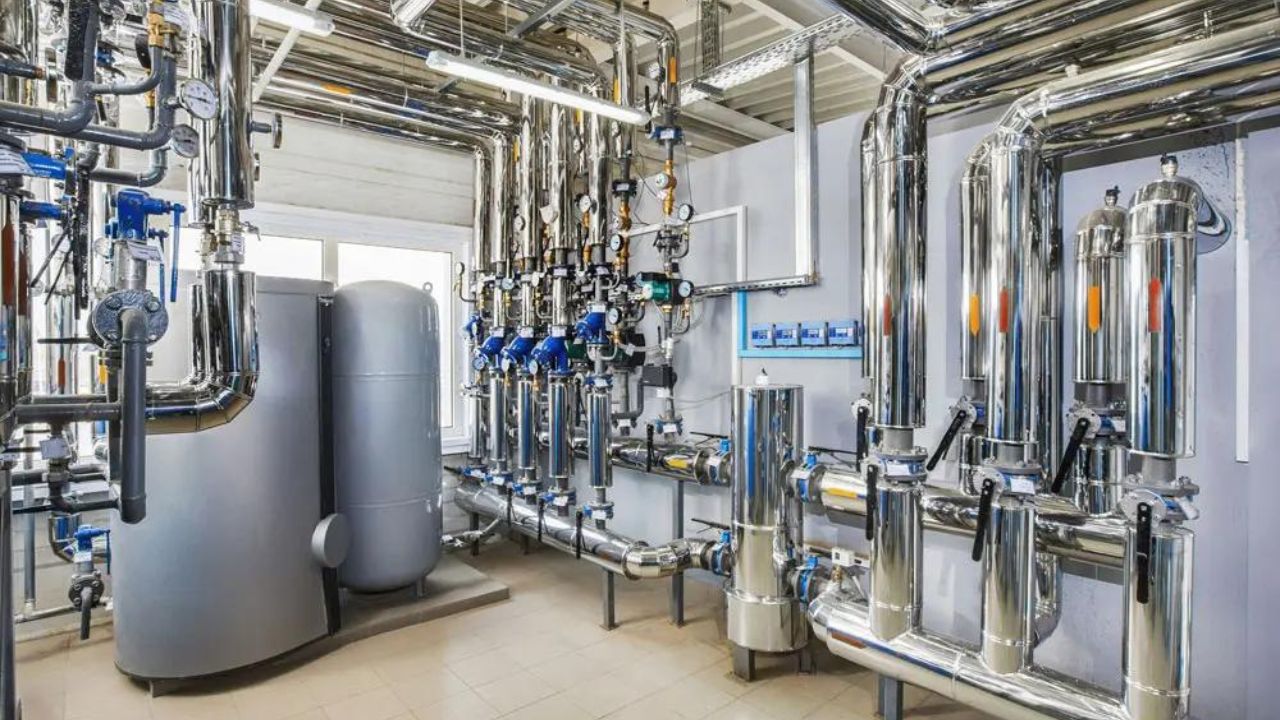
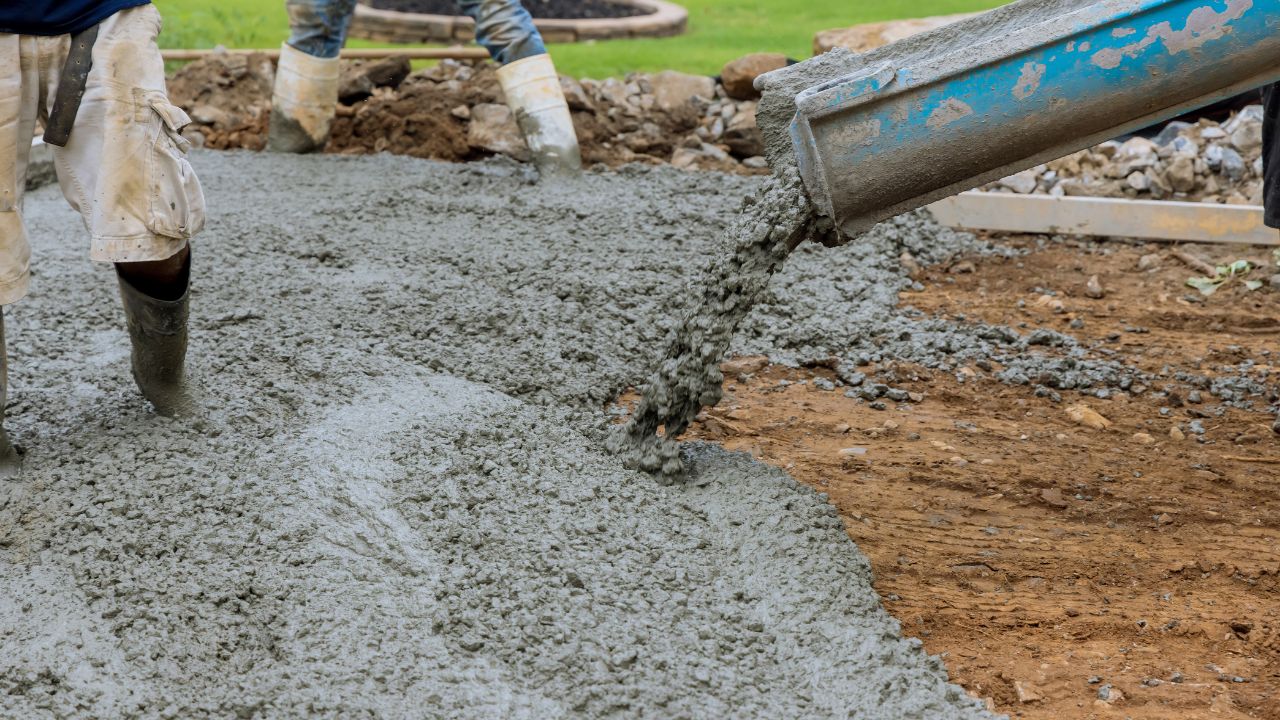
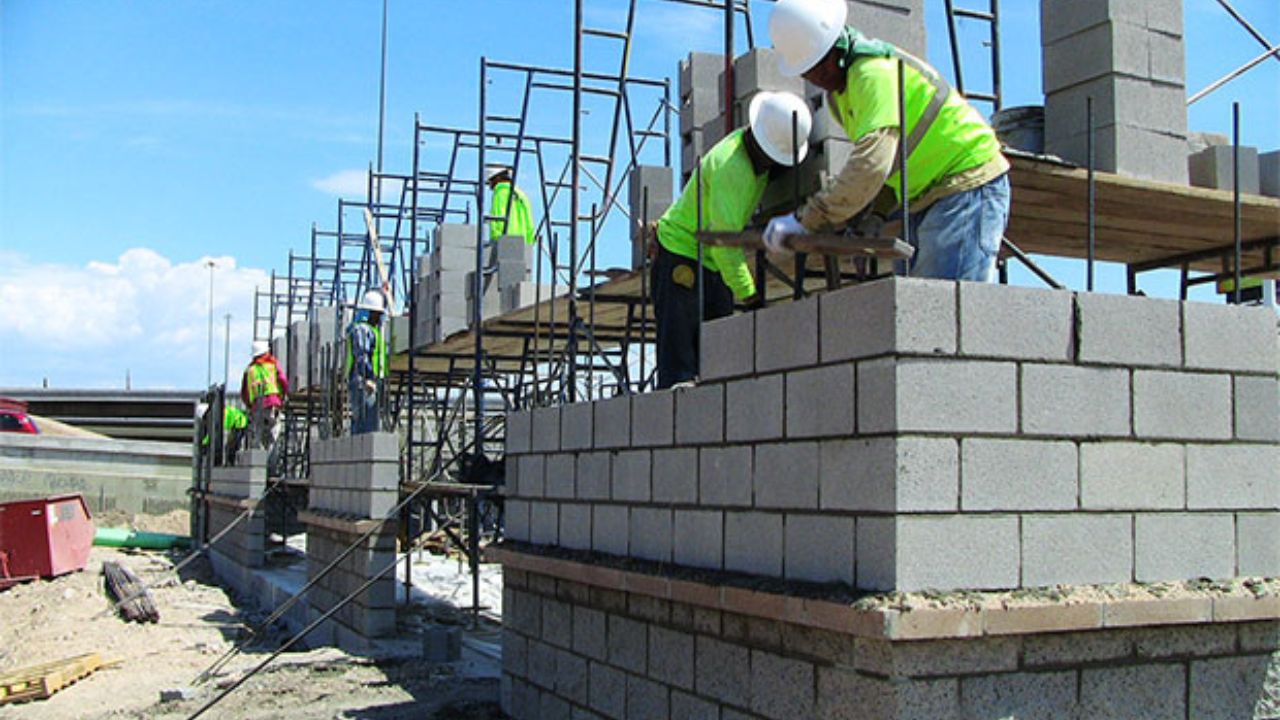
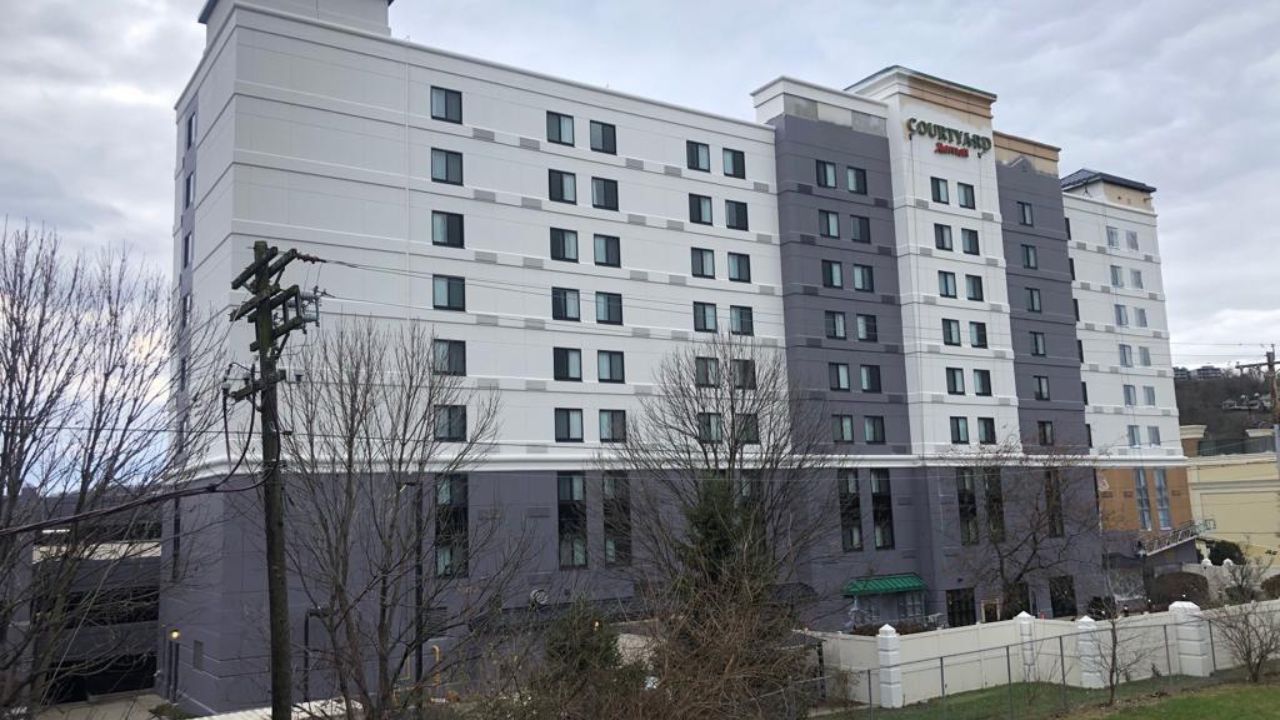
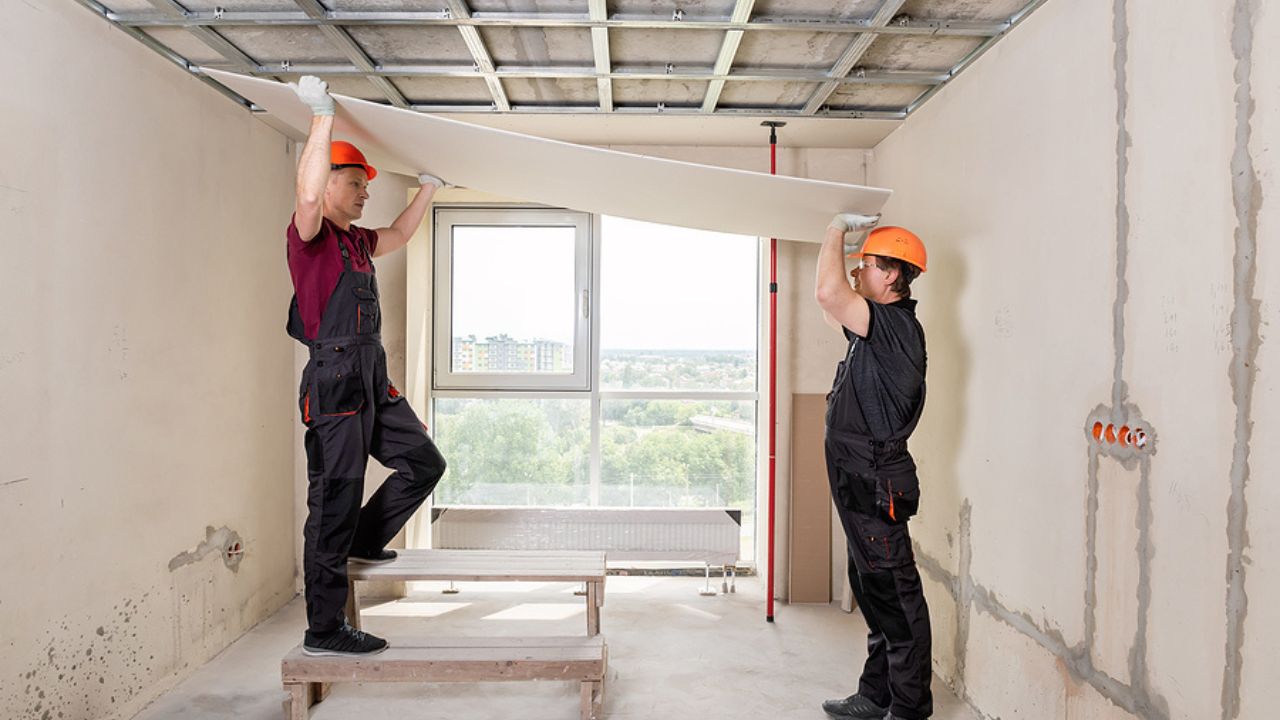
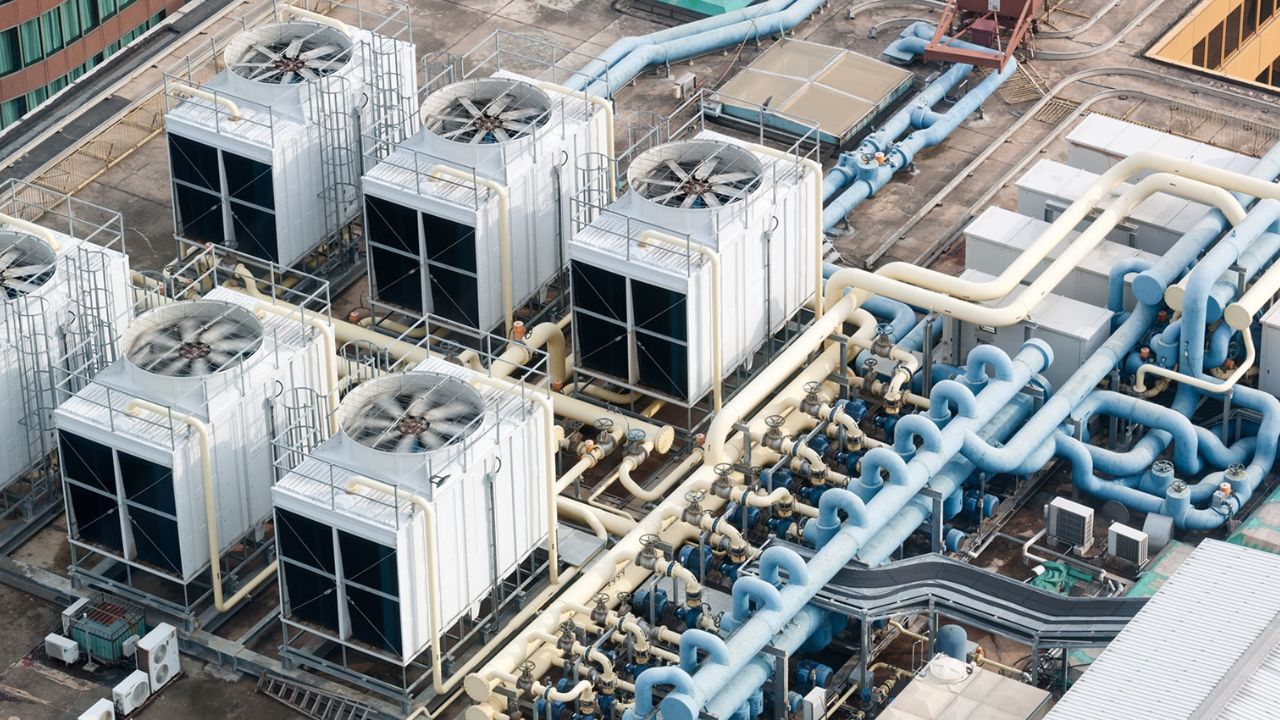
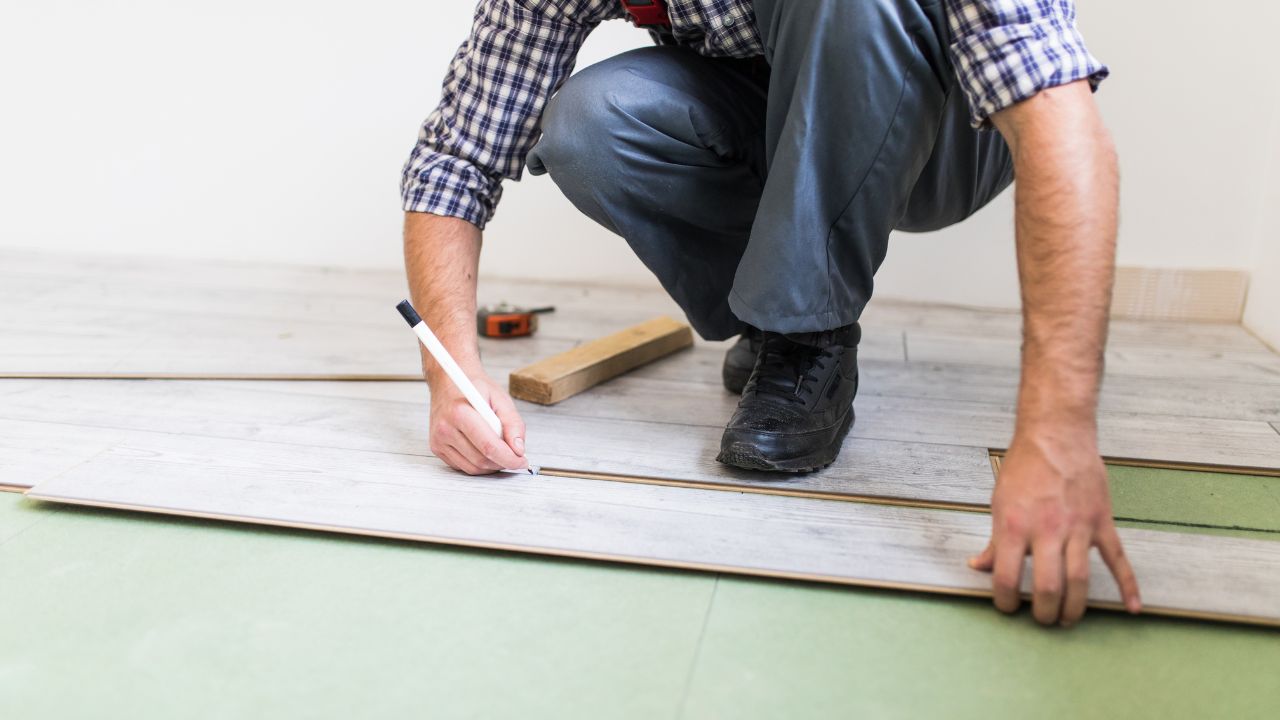
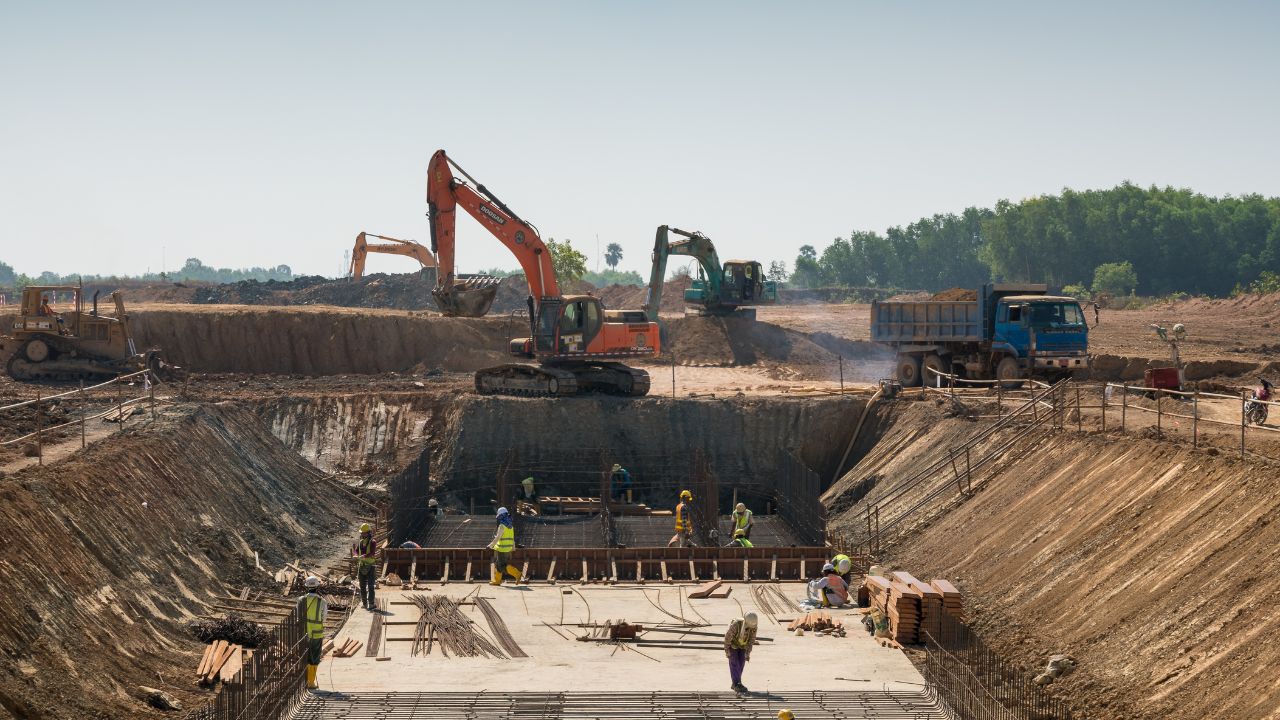
At Estimate Florida Consulting, we offer detailed cost estimates across all major trades, ensuring no part of your project is overlooked. From the foundation to the finishing touches, our trade-specific estimates provide you with a complete and accurate breakdown of costs for any type of construction project.










Our Simple Process to Get Your Estimate
01
Upload Plans
Submit your project plans, blueprints, or relevant documents through our online form or via email.
02
Receive Quotation
We’ll review your project details and send you a quote based on your scope and requirements.
03
Confirmation
Confirm the details and finalize any adjustments to ensure the estimate meets your project needs.
04
Get Estimate
Receive your detailed, trade-specific estimate within 1-2 business days, ready for your project execution.


Client Trust Us

Our Clients & Partners
We pride ourselves on building strong, lasting relationships with our clients and partners across the construction industry.







Testimonials
What Our Clients Say?
We take pride in delivering accurate, timely, and reliable estimates that help contractors and builders win more projects. Our clients consistently praise our attention to detail, fast turnaround times, and the positive impact our estimates have on their businesses.
Estimate Florida Consulting has helped us win more bids with their fast and accurate estimates. We trust them for every project!

Marvelous Marble
Manager