



















- Homepage
- How to Estimate the Quantity of Construction Materials
How to Estimate the Quantity of Construction Materials?
Leading provider of construction estimating services
Estimating the quantity of construction materials accurately is one of the most critical steps in any building project. Whether it’s a small residential renovation or a large commercial development, material estimation forms the backbone of project planning, budgeting, and execution. Without accurate estimation, even the best-designed projects can face budget overruns, material shortages, or wastage that leads to unnecessary financial losses.
In Florida’s fast-growing construction market, knowing how to calculate the right quantity of materials—such as concrete, steel, bricks, sand, paint, or tiles—can help contractors, developers, and homeowners control costs, reduce waste, and ensure timely project completion.
Let’s explore in detail how to estimate construction material quantities step by step, covering practical methods, formulas, and tips used by professional estimators.
1. Understanding the Importance of Material Estimation
Before you start construction, estimating materials provides a clear picture of what’s required to bring your project to life. This step goes beyond just calculating numbers—it involves analyzing the scope of work, project drawings, and construction specifications.
A well-prepared material estimate helps you:
- Plan your budget efficiently and avoid unexpected expenses.
- Schedule material deliveries to align with your project timeline.
- Eliminate excess purchases that lead to storage issues or wastage.
- Ensure that all phases of construction—from foundation to finishing—have adequate materials ready for use.
In short, accurate material estimation not only saves money but also contributes to better project management and sustainability.
2. Step-by-Step Process for Estimating Construction Materials
Professional estimators follow a systematic approach to ensure precision in material takeoffs. Here’s a step-by-step guide to understanding the process:
Step 1: Review Construction Drawings
Start by carefully studying architectural and structural drawings. These blueprints contain critical information such as dimensions, specifications, and quantities for materials like concrete, steel, or masonry. Each detail in the drawing—foundation depth, wall thickness, beam sizes, or slab areas—helps determine how much material is needed.
Step 2: Identify Materials by Construction Element
Divide your project into elements—foundation, columns, beams, walls, floors, roofing, plumbing, and finishing. This categorization helps in estimating materials separately for each section, ensuring no component is overlooked.
Step 3: Take Accurate Measurements
Accurate measurement is key to successful estimation. Use tools like digital measuring scales, bluebeam, or CAD-based software to calculate lengths, areas, and volumes. Every calculation should be double-checked to ensure consistency with project drawings.
Step 4: Apply Material Formulas
Once you have your measurements, apply standard formulas to determine quantities. For instance:
- Concrete Volume = Length × Width × Depth
- Brick Quantity = (Wall Area) ÷ (Brick Area + Mortar Gap)
- Steel Reinforcement = Total Length × Unit Weight per Meter
These formulas help convert dimensions into practical material quantities.
Step 5: Include Wastage Percentage
Even with accurate measurements, material wastage is inevitable during construction. It’s recommended to add a wastage allowance of:
- 2%–5% for concrete and steel
- 5%–10% for bricks and tiles
10%–15% for paint, sand, or plaster
Adding this percentage ensures that your total material requirement covers all possible losses during cutting, spillage, or handling.
Step 6: Verify and Finalize Quantities
After calculations, recheck your data and compare it with the project specifications. Verification ensures that your material estimate aligns with design requirements, building codes, and on-site conditions.
3. Common Construction Materials and Their Estimation Methods
To understand the process better, let’s look at how to estimate some of the most common materials used in construction.
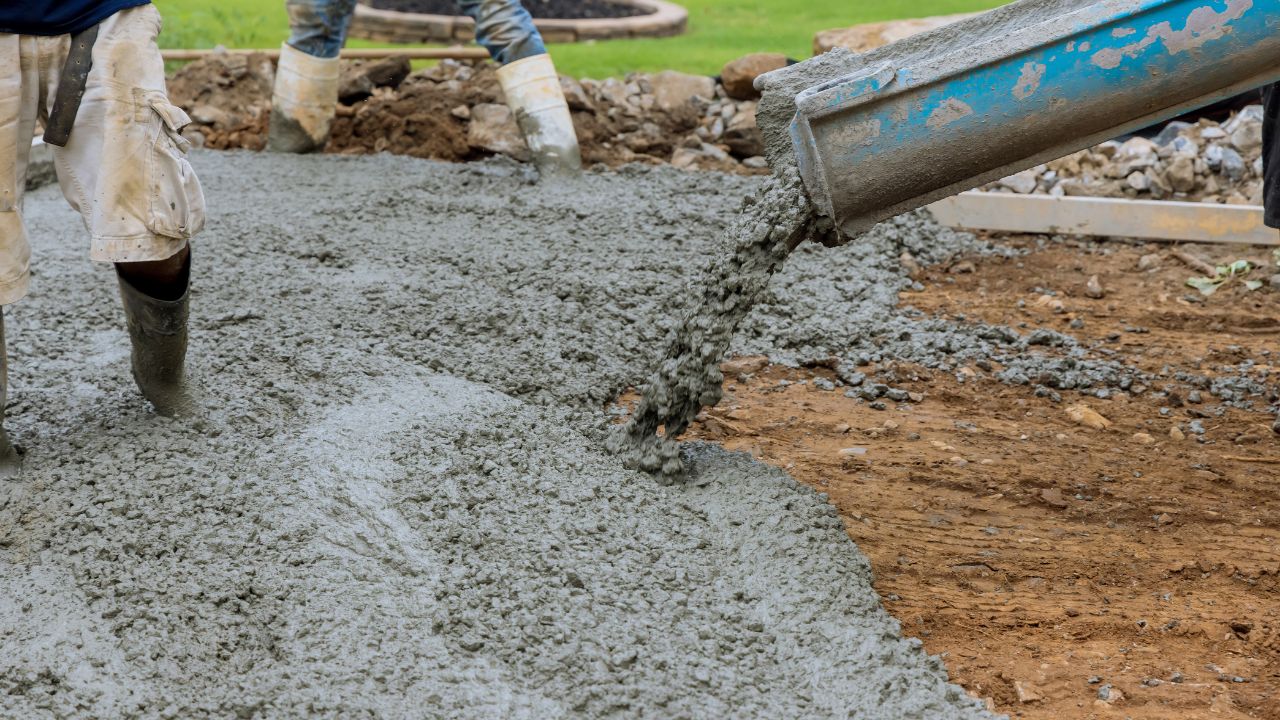
Concrete Estimation
Concrete is used in almost every part of a structure—from foundations to slabs. To estimate the concrete quantity, calculate the volume of the structural element and multiply it by the mix ratio.
Formula:
Concrete Volume = Length × Width × Depth
For example, if you are casting a beam of 0.3 m × 0.4 m × 4 m:
Volume = 0.3 × 0.4 × 4 = 0.48 cubic meters
Add 5% for wastage → 0.48 × 1.05 = 0.504 cubic meters.
Then multiply this by the concrete mix ratio (1:2:4) to get the quantity of cement, sand, and aggregate required.
Get High-Quality 3D Rendering Services Today!
Transform your space with stunning 3D Rendering that blends style, comfort, and functionality.
We Specialize in Both Residential and Commercial 3D Rendering Projects.
- Luxury Villas
- Apartment Complexes
- Modular Kitchens
- Bathrooms
- Office Buildings
- Shopping Malls
- Hospitals
- Hotels & Resorts
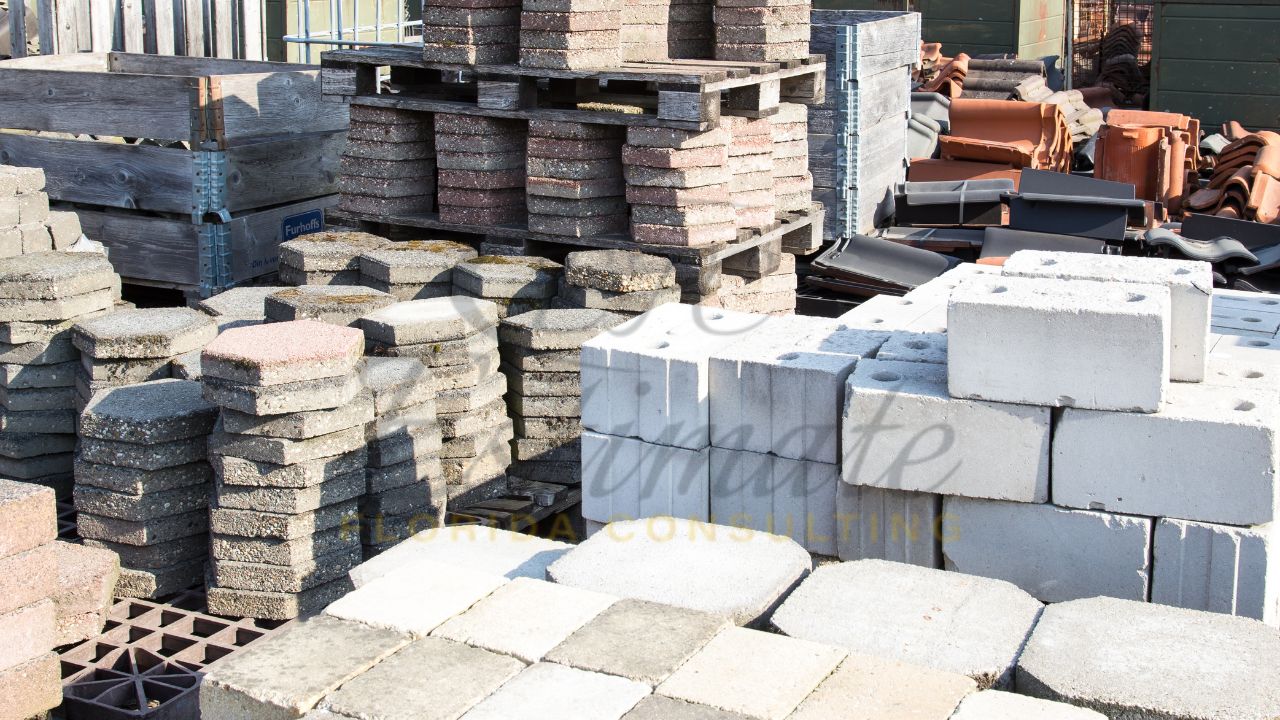
Brickwork Estimation
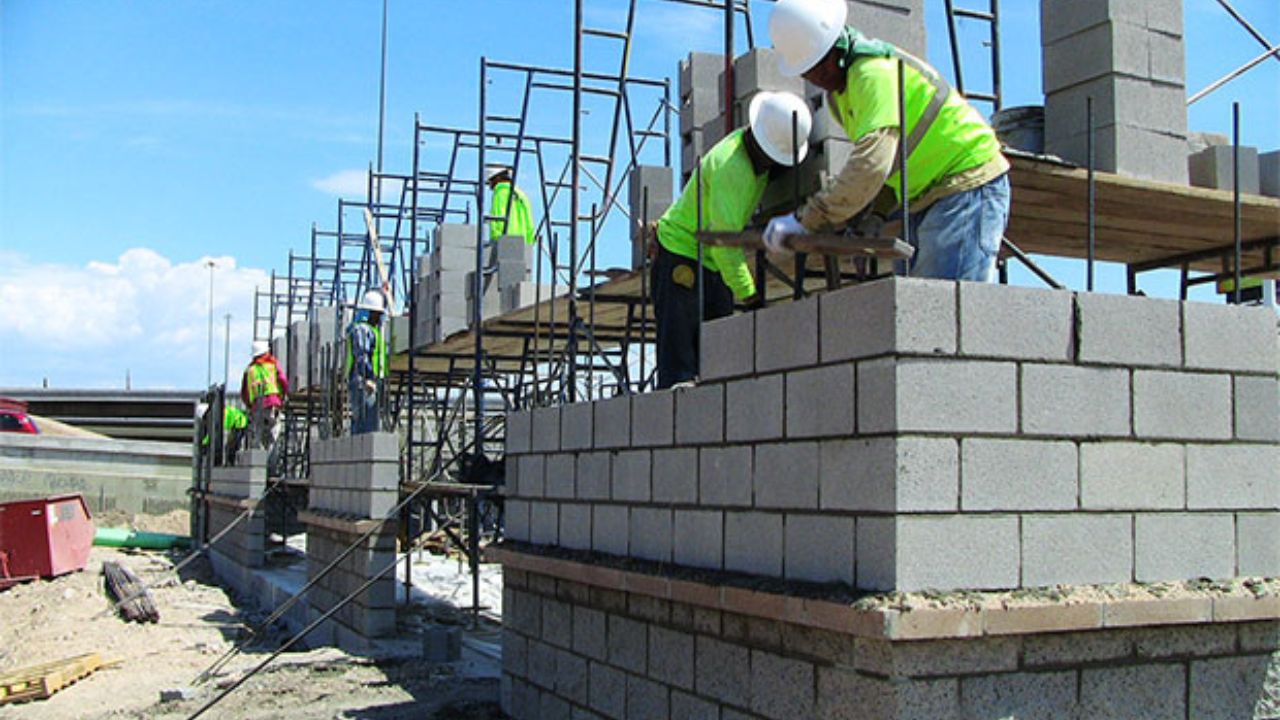
Brickwork estimation involves calculating the number of bricks required for walls or partitions.
Formula:
Number of Bricks = Wall Volume ÷ Volume of One Brick (including mortar)
Example:
If the wall is 10 m long, 3 m high, and 0.2 m thick:
Wall Volume = 10 × 3 × 0.2 = 6 cubic meters
Volume of One Brick with Mortar = 0.00195 m³
Number of Bricks = 6 ÷ 0.00195 = 3,076 bricks
Always add 5%–10% extra for wastage or breakage.
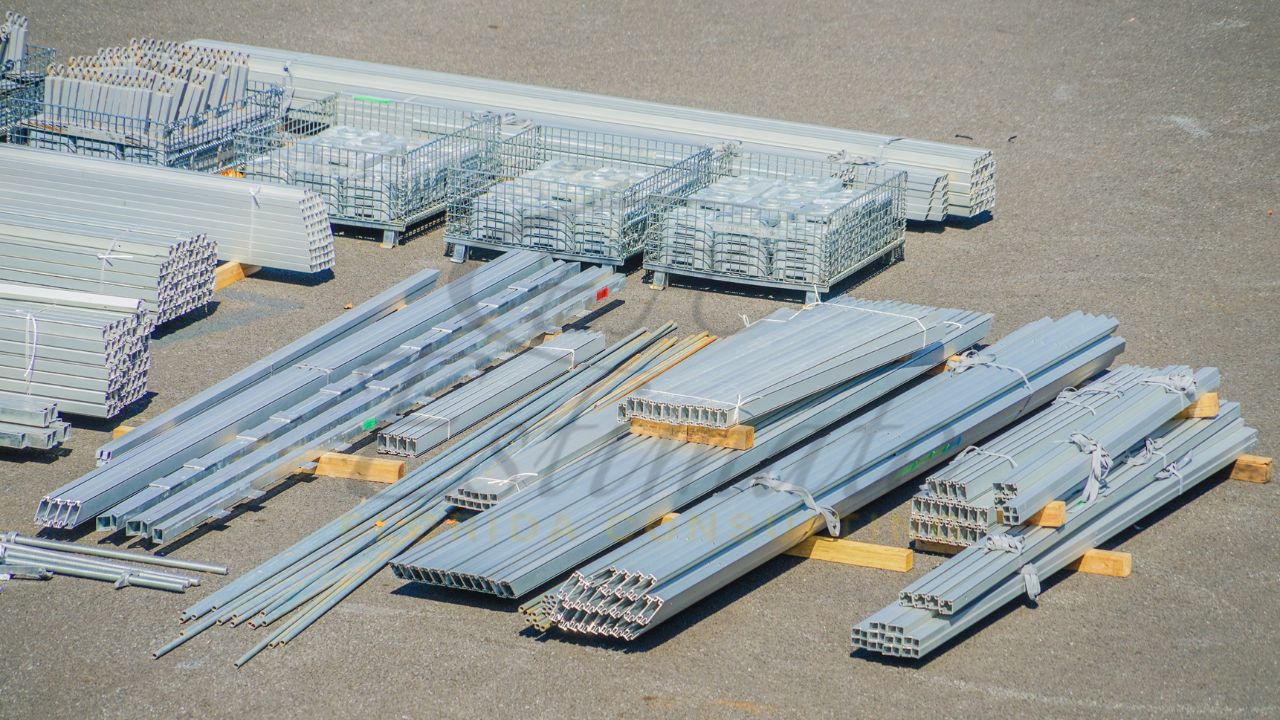
Steel Reinforcement Estimation
Steel estimation depends on the type of structural element—beams, slabs, or columns.
Formula:
Steel Weight = Total Length × Unit Weight
For example, a 12mm bar has a unit weight of 0.888 kg/m.
If total length = 100 m, then
Steel Weight = 100 × 0.888 = 88.8 kg
Plaster Estimation
Plastering is done to give walls and ceilings a smooth finish.
Formula:
Plaster Quantity = Area × Thickness
Example:
For a 10 m × 3 m wall with 12 mm plaster thickness:
Area = 10 × 3 = 30 m²
Thickness = 0.012 m
Volume = 30 × 0.012 = 0.36 m³
Add 15% for wastage = 0.414 m³
Paint Estimation
To estimate paint quantity, calculate the total paintable area and divide it by the coverage rate per gallon (as specified by the manufacturer).
Example:
If the paint covers 350 sq. ft. per gallon and you have 1,000 sq. ft. of area:
1,000 ÷ 350 = 2.85 gallons → Round up to 3 gallons.
4. Using Takeoff Sheets and Digital Tools for Accuracy
In modern construction, digital tools have become essential for quick and accurate material estimation. Takeoff sheets—either in Excel or specialized estimating software—allow estimators to record measurements, apply formulas, and calculate totals efficiently.
Digital tools help with:
- Automatic quantity takeoffs from PDF drawings.
- Integration of cost databases for real-time pricing.
- Easy adjustments if design changes occur.
- Reducing human error and speeding up calculations.
For professionals handling large-scale projects, digital estimation enhances productivity and ensures data accuracy at every stage.
5. Factors Affecting Material Quantities
Several factors can influence material estimation. Ignoring them can result in costly project delays or shortages. Key factors include:
- Site Conditions: Uneven terrain or poor soil conditions may require additional concrete or reinforcement.
- Design Changes: Even small design modifications can increase material needs significantly.
- Construction Methodology: Manual work and mechanized methods consume materials differently.
- Material Quality: Lower-quality materials may require higher quantities to achieve the same strength or finish.
- Human Error: Inaccurate measurements or missing details from drawings can affect precision.
Understanding these variables ensures you build realistic estimates and manage project risk effectively.
Want to Start Your Project with the Best Contractors?
Let’s Take Your Projects to the Next Level.
& What's you will get:
- Connecting You to Top Local Contractors
- Professional Consulting, Contractors Near You
- From Expert Advice to Local Contractor Connections
Contact Now
Let's discuss with a cup of coffee
6. Tips for Accurate Material Estimation
Accuracy in material estimation is built on attention to detail, experience, and data analysis. Here are a few expert tips:
- Always cross-verify drawings before beginning calculations.
- Use standardized formulas and consistent units of measurement.
- Update material prices regularly based on market fluctuations.
- Include a contingency allowance for unforeseen requirements.
- Keep detailed records of all estimations for future reference.
7. Final Thoughts
Accurate material estimation is not just about mathematics—it’s about efficiency, precision, and planning. In Florida’s construction environment, where cost control and speed are key, a well-prepared estimate ensures smooth project execution and financial stability.
By understanding each material’s requirement and applying reliable methods, contractors and developers can build with confidence—reducing waste, saving time, and achieving a higher standard of quality in every project.
Frequently Asked Question
Material estimation ensures that the right quantity of materials is available when needed, helping prevent project delays, cost overruns, and waste. Accurate estimates also allow for better budgeting, scheduling, and resource planning.
Estimators commonly use Excel takeoff sheets, Bluebeam, AutoCAD, and digital quantity takeoff software. These tools help measure dimensions accurately, apply formulas, and generate precise material lists efficiently.
Concrete quantity is calculated using the formula:
Volume = Length × Width × Depth.
After calculating, add 2%–5% for wastage. For example, a slab measuring 5m × 4m × 0.15m = 3 cubic meters. Add 5% wastage → 3.15 cubic meters total concrete required.
Wastage varies by material type:
Concrete & Steel: 2–5%
Bricks & Tiles: 5–10%
Paint, Sand, Plaster: 10–15%
Including these allowances ensures you don’t run short due to cutting losses or on-site handling errors.
Professional estimators provide accurate material takeoffs, cost estimates, and digital reports. This helps contractors and developers control costs, reduce waste, and maintain project timelines, ensuring every phase runs smoothly.
Comprehensive Trade-Specific Estimates
At Estimate Florida Consulting, we offer detailed cost estimates across all major trades, ensuring no part of your project is overlooked. From the foundation to the finishing touches, our trade-specific estimates provide you with a complete and accurate breakdown of costs for any type of construction project.
Our Simple Process to Get Your Estimate
Upload Plans
Submit your project plans, blueprints, or relevant documents through our online form or via email.
Receive Quotation
We’ll review your project details and send you a quote based on your scope and requirements.
Confirmation
Confirm the details and finalize any adjustments to ensure the estimate meets your project needs.
Get Estimate
Receive your detailed, trade-specific estimate within 1-2 business days, ready for your project execution.
Our Clients & Partners
We pride ourselves on building strong, lasting relationships with our clients and partners across the construction industry.
What Our Clients Say?
We take pride in delivering accurate, timely, and reliable estimates that help contractors and builders win more projects. Our clients consistently praise our attention to detail, fast turnaround times, and the positive impact our estimates have on their businesses.
Estimate Florida Consulting has helped us win more bids with their fast and accurate estimates. We trust them for every project!