



















- Homepage
- Solar + Electrical
How Solar + Electrical Contractors Are Powering the Future of Construction?
Leading provider of solar + electrical installation services
As the demand for sustainable buildings grows, solar and electrical contractors are redefining construction by integrating renewable energy and advanced electrical systems. Solar energy, paired with smart electrical infrastructure, reduces carbon footprints, lowers utility costs, and enhances building resilience. From residential solar panel installations to commercial energy management systems, these professionals ensure projects are efficient, compliant, and future-ready. Here’s how solar and electrical contractors are powering the future of construction, driving innovation and sustainability across the industry.
Integrating Solar Energy into Building Designs
Solar and electrical contractors collaborate to seamlessly integrate solar energy systems into new and existing buildings, making renewable energy a cornerstone of modern construction.
How It Shapes the Future:
- Clean Energy Adoption: Solar panels reduce reliance on fossil fuels, cutting greenhouse gas emissions by up to 80% for buildings.
- Cost Savings: Solar systems lower electricity bills, saving businesses and homeowners $5,000-$20,000 annually, depending on system size.
- Increased Property Value: Solar-equipped buildings are 5-10% more marketable, appealing to eco-conscious buyers and tenants.
What Contractors Do:
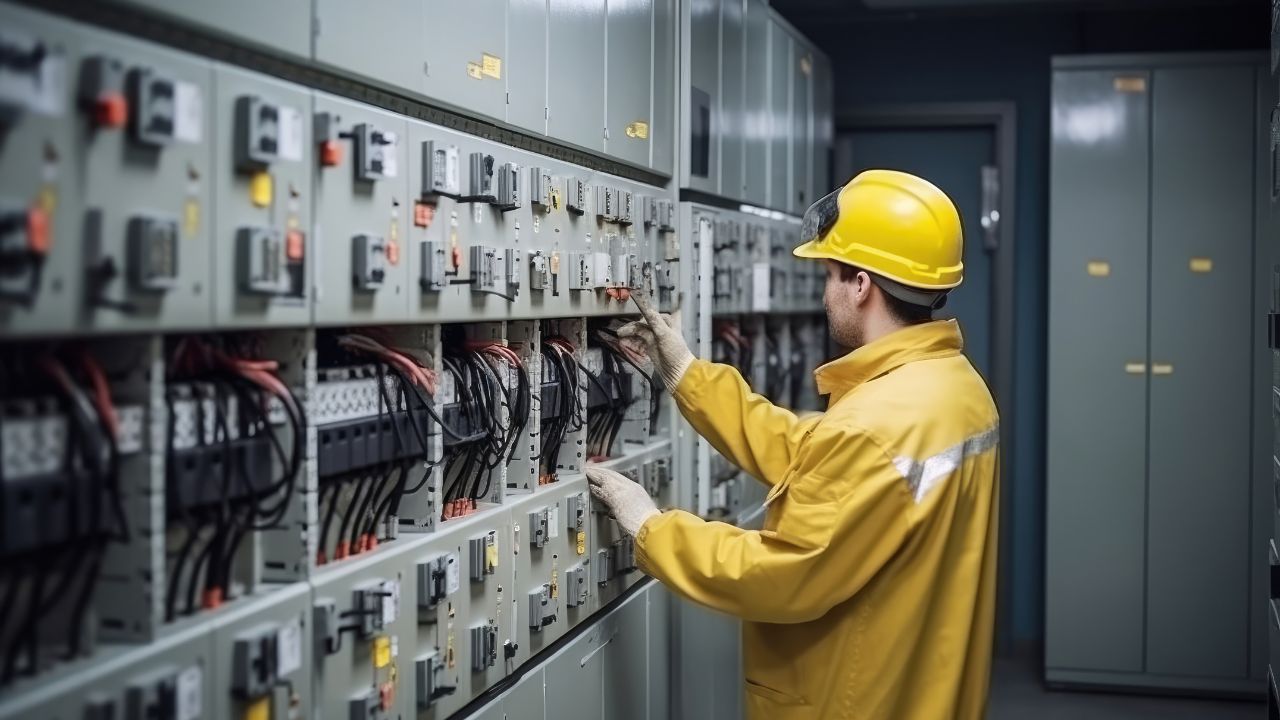
- System Design: Electrical contractors design wiring and load systems to support solar panels, ensuring compatibility with building needs.
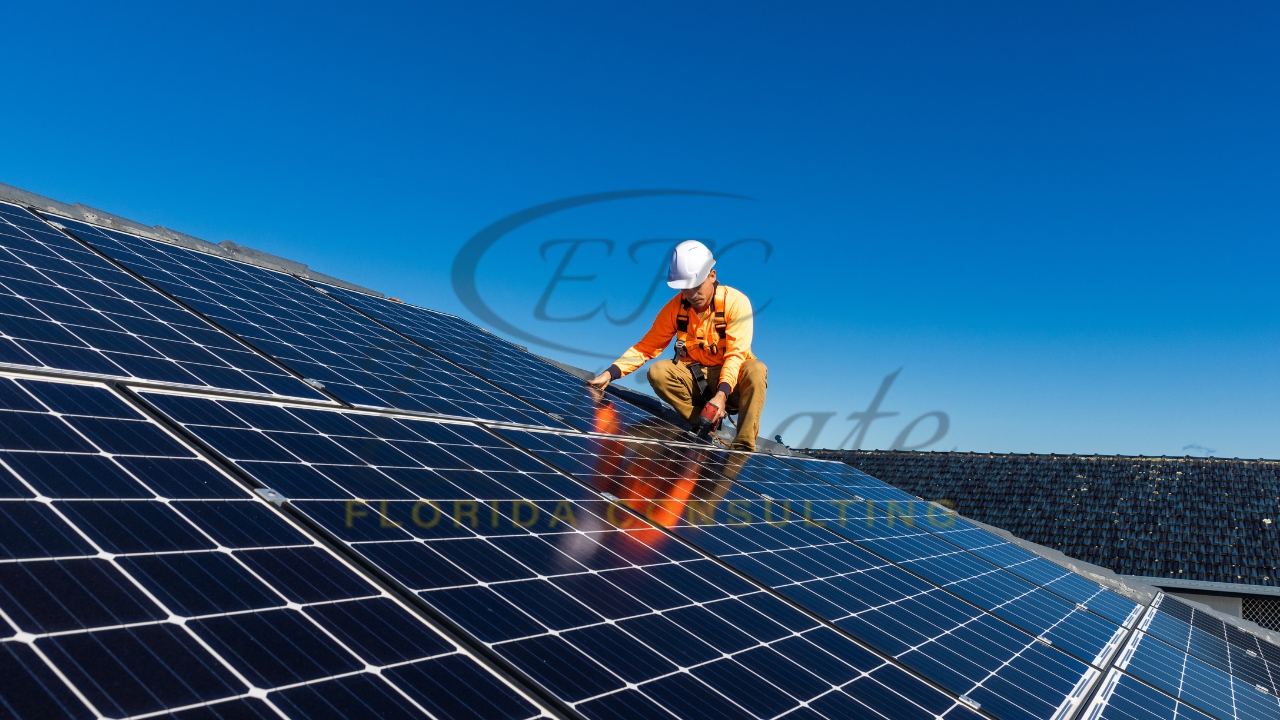
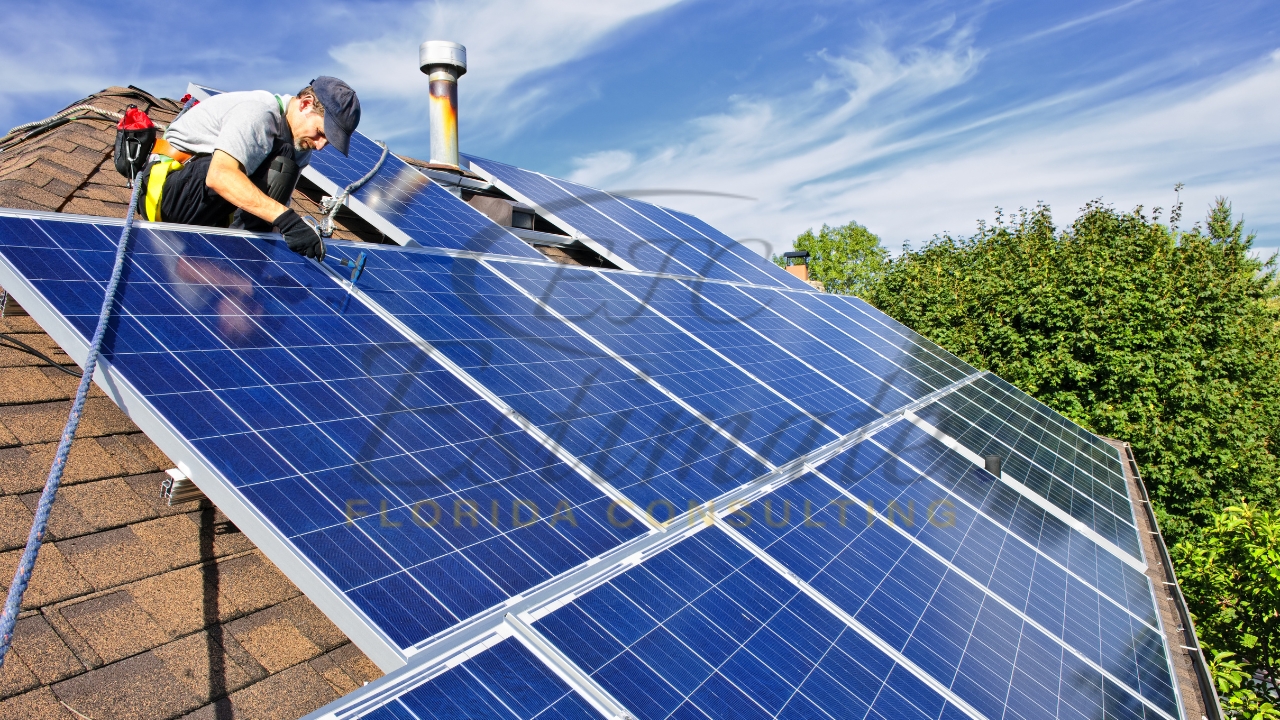
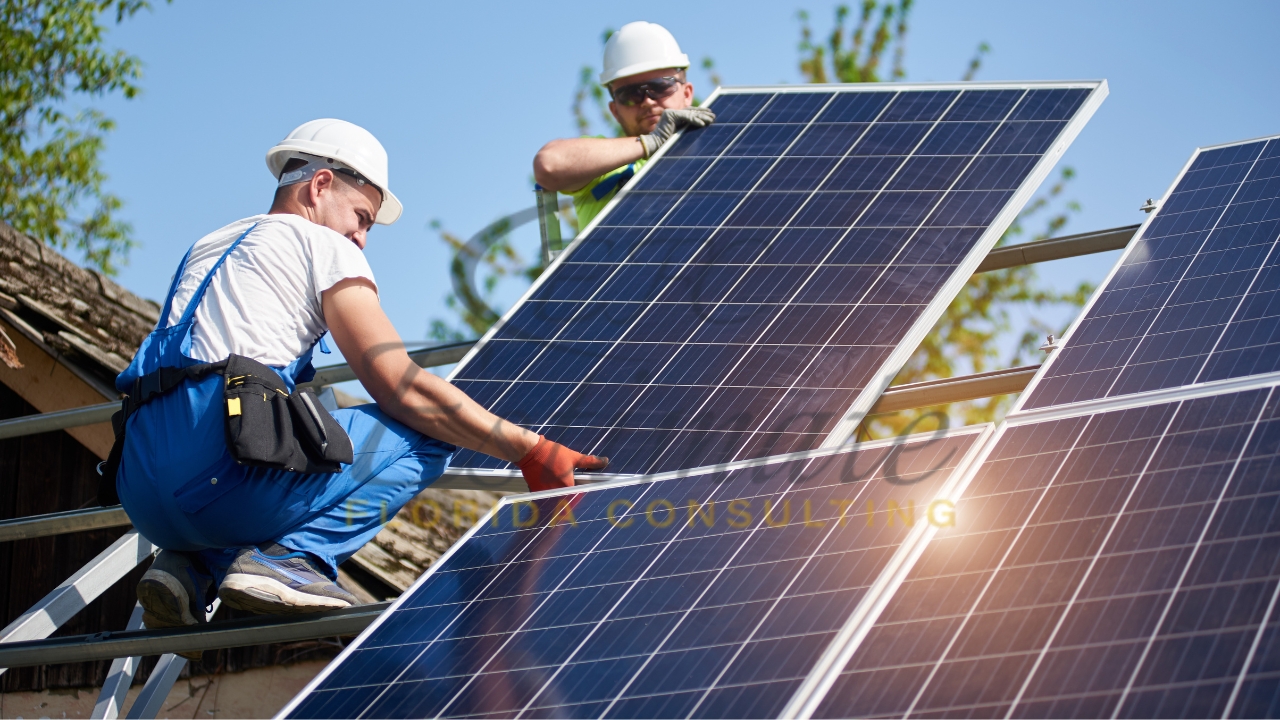
- Solar Installation: Solar contractors install photovoltaic panels, inverters, and battery storage, optimizing energy capture.
- Grid Integration: They connect solar systems to the grid, enabling net metering for energy credits.
Example: A contractor team installs a 20kW solar system for a commercial office, saving $8,000/year in energy costs and earning a $10,000 federal tax credit.
Consequence of Poor Integration: Improper installations can reduce solar efficiency by 20-30%, costing $2,000-$10,000 in lost savings.
Cost Estimate: Solar installations cost $15,000-$50,000 but offer 10-20% ROI through savings and incentives.
Pro Tip: Engage contractors early to align solar designs with electrical infrastructure during planning.
90% More Chances to Win Solar Panal Projects with Our Estimate
Ensuring Electrical Code Compliance for Solar Systems
Solar and electrical contractors ensure compliance with stringent codes, guaranteeing safe and legal renewable energy installations.
How It Shapes the Future:
- Safety Assurance: Compliance with codes like the National Electrical Code (NEC) prevents hazards like electrical fires, ensuring occupant safety.
- Regulatory Approval: Code-compliant systems pass inspections, avoiding delays in construction timelines.
- Sustainability Certifications: Compliance supports certifications like LEED, boosting building marketability by 5-10%.
What Contractors Do:
- Code Knowledge: They adhere to NEC and local regulations for solar wiring, grounding, and inverters.
- Permit Management: Secure permits ($50-$500) and coordinate with inspectors to streamline approvals.
- Safety Systems: Install surge protectors and arc-fault circuit interrupters to protect solar setups.
Example: A contractor ensures a residential solar system meets Florida’s high-velocity hurricane zone (HVHZ) codes, passing inspections and avoiding a $5,000 retrofit.
Consequence of Non-Compliance: Violations can delay projects by 2-4 weeks and cost $1,000-$10,000 in fines or rework.
Pro Tip: Verify contractors’ licensing and experience with solar-specific codes to ensure compliance.
Implementing Energy Management Systems (EMS)
Electrical contractors integrate EMS to optimize energy use, combining solar power with smart controls for maximum efficiency.
How It Shapes the Future:
- Energy Optimization: EMS reduce energy waste by 20-30%, enhancing solar system performance and lowering emissions.
- Cost Efficiency: Automated controls cut utility bills, saving businesses $5,000-$15,000 annually.
- Smart Building Appeal: EMS-equipped buildings attract tenants seeking sustainable, tech-forward spaces.
What Contractors Do:
- Smart Meter Installation: Set up meters to monitor solar and grid energy usage in real time.
- Automation Integration: Connect solar systems to EMS for automated lighting, HVAC, and appliance control.
- Maintenance Support: Provide ongoing checks to ensure EMS and solar systems remain efficient.
Example: A contractor installs an EMS in a retail center, optimizing solar energy use and saving $10,000/year in electricity costs.
Consequence of Poor Implementation: Inefficient EMS can waste 10-20% of energy, reducing solar benefits and costing $1,000-$5,000 in repairs.
Cost Estimate: EMS installation costs $5,000-$20,000 but saves 15-30% on energy bills.
Pro Tip: Choose contractors with expertise in EMS and solar integration for seamless performance.
Enabling Battery Storage and Microgrid Solutions
Solar and electrical contractors install battery storage and microgrids, enhancing energy reliability and independence.
How It Shapes the Future:
- Energy Resilience: Battery storage ensures power during outages, critical for businesses and homes in storm-prone areas.
- Peak Shaving: Batteries reduce demand charges by storing solar energy for high-cost periods, saving 10-20% on bills.
- Grid Independence: Microgrids enable buildings to operate off-grid, supporting sustainability goals.
What Contractors Do:
- Battery Installation: Set up systems like Tesla Powerwall, ensuring proper wiring and safety measures.
- Microgrid Design: Create localized grids integrating solar, batteries, and backup generators.
- System Testing: Verify battery and microgrid performance to ensure reliability during outages.
Example: A contractor installs a 10kWh battery system for a small business, saving $3,000/year by reducing peak demand charges.
Consequence of Poor Installation: Faulty battery setups can fail during outages, costing $2,000-$10,000 in repairs or lost productivity.
Cost Estimate: Battery storage costs $7,000-$15,000 but saves 10-20% on energy costs.
Pro Tip: Ask contractors about battery scalability to support future energy needs.
Get High-Quality 3D Rendering Today!
Transform your space with stunning 3D rendering that blends style, comfort, and functionality.
We Specialize in Both Residential and Commercial 3D Rendering Projects.
- Luxury Villas
- Apartment Complexes
- Modular Kitchens
- Bathrooms
- Office Buildings
- Shopping Malls
- Hospitals
- Hotels & Resorts
Coordinating with Other Trades for Seamless Integration
Solar and electrical contractors collaborate with other trades to ensure renewable energy systems integrate smoothly, keeping projects on schedule and budget.
How It Shapes the Future:
- Project Efficiency: Coordinated efforts prevent delays, ensuring solar and electrical systems align with plumbing, HVAC, and structural work.
- Cost Savings: Seamless integration avoids rework, saving 5-10% on project costs.
- Holistic Sustainability: Coordination ensures all systems, like solar-powered HVAC, work together for maximum efficiency.
What Contractors Do:
- Cross-Trade Planning: Align solar panel placement with roofing and wiring with HVAC layouts to avoid conflicts.
- Project Management Support: Provide timelines and updates to general contractors, ensuring smooth workflows.
- Conflict Resolution: Address issues like space constraints for solar inverters, preventing delays.
Example: A contractor team coordinates solar panel installation with roofing contractors, completing a commercial project on time and within a $100,000 budget.
Consequence of Poor Coordination: Misalignment can delay projects by 1-3 weeks, costing $5,000-$20,000 in labor and materials.
Pro Tip: Include solar and electrical contractors in pre-construction meetings to align plans.
Leveraging Incentives and Rebates
Contractors help businesses and homeowners access financial incentives for solar and energy-efficient systems, reducing upfront costs.
How It Shapes the Future:
- Cost Reduction: Federal tax credits (e.g., 30% for solar) and local rebates lower installation costs, making green projects more accessible.
- Faster ROI: Incentives accelerate payback periods, often within 5-7 years for solar systems.
- Market Appeal: Incentivized upgrades enhance property value, attracting eco-conscious buyers.
What Contractors Do:
- Incentive Guidance: Identify federal, state, and utility programs, like Florida Power & Light rebates, for solar or LED upgrades.
- Application Support: Assist with paperwork to secure credits and rebates, saving $1,000-$15,000.
- Cost Optimization: Design systems to maximize incentive eligibility, such as meeting ENERGY STAR standards.
Example: A contractor secures a $12,000 tax credit for a commercial solar installation, reducing the project cost from $40,000 to $28,000.
Consequence of Missing Incentives: Unclaimed rebates can increase costs by 20-30%, delaying ROI.
Pro Tip: Request a list of applicable incentives from contractors during the planning phase.
Supporting Smart Building Technologies
Electrical contractors integrate solar systems with smart building technologies, enhancing efficiency and functionality.
How It Shapes the Future:
- Optimized Energy Use: Smart systems combine solar power with automated controls, reducing energy waste by 20-30%.
- Enhanced Resilience: Smart technologies monitor solar performance, ensuring reliability during grid disruptions.
- Future-Proofing: Integration prepares buildings for emerging technologies, increasing long-term value.
What Contractors Do:
- IoT Device Installation: Set up smart thermostats, sensors, and lighting tied to solar energy systems.
- Building Automation Systems (BAS): Connect solar power to BAS for centralized control of energy usage.
- Data Integration: Enable real-time monitoring of solar output and energy consumption.
Example: A contractor integrates solar panels with a smart BAS in a hotel, cutting energy costs by $15,000/year and boosting guest appeal.
Consequence of Poor Integration: Inefficient smart systems can reduce energy savings by 10-20%, costing $1,000-$5,000 in fixes.
Cost Estimate: Smart technology integration costs $5,000-$25,000 but saves 15-30% on energy bills.
Pro Tip: Choose contractors with experience in solar and IoT integration for optimal performance.
Additional Contributions to Green Construction
- Maintenance Plans: Contractors offer ongoing support for solar and electrical systems, ensuring long-term efficiency.
- Sustainability Certifications: They align installations with LEED or ENERGY STAR standards, enhancing marketability.
- Client Education: They train owners on maximizing solar and smart system benefits, promoting sustainable practices.
Conclusion
Solar and electrical contractors are powering the future of construction by integrating renewable energy, smart technologies, and efficient electrical systems. From designing solar installations to ensuring code compliance and leveraging incentives, they deliver projects that reduce costs, emissions, and reliance on fossil fuels. These efforts not only save businesses and homeowners thousands annually but also increase property value by 5-10%, making green buildings a smart investment.
For developers and property owners, partnering with skilled contractors is essential to harnessing the full potential of solar energy and smart systems. While costs range from $15,000-$100,000, the ROI through savings, incentives, and marketability is significant. Choose licensed contractors with solar expertise, involve them early, and leverage their knowledge to build sustainable, future-ready structures. With solar and electrical contractors leading the way, the construction industry is brighter—and greener—than ever.
Frequently Asked Question
Solar and electrical contractors play a vital role in integrating renewable energy systems, ensuring code compliance, and supporting smart building technologies. Their expertise drives sustainability, lowers operating costs, and improves building efficiency.
By installing solar panels and connecting them with advanced electrical systems, contractors lower energy bills by 10–30%. They also guide clients through federal tax credits and rebates, reducing upfront installation costs by thousands of dollars.
Contractors follow the National Electrical Code (NEC), secure permits, and install safety systems like surge protectors and AFCIs. Code-compliant systems prevent hazards, pass inspections, and qualify for sustainability certifications like LEED.
Yes. Contractors integrate solar power with Energy Management Systems (EMS), IoT devices, and building automation systems. This reduces energy waste by up to 30% and makes properties more attractive to eco-conscious buyers and tenants.
Battery storage provides backup during outages, reduces peak demand charges, and enhances energy resilience. Microgrids allow buildings to operate independently from the main grid, ensuring reliability in storm-prone areas.
Comprehensive Trade-Specific Estimates
At Estimate Florida Consulting, we offer detailed cost estimates across all major trades, ensuring no part of your project is overlooked. From the foundation to the finishing touches, our trade-specific estimates provide you with a complete and accurate breakdown of costs for any type of construction project.
Our Simple Process to Get Your Estimate
Upload Plans
Submit your project plans, blueprints, or relevant documents through our online form or via email.
Receive Quotation
We’ll review your project details and send you a quote based on your scope and requirements.
Confirmation
Confirm the details and finalize any adjustments to ensure the estimate meets your project needs.
Get Estimate
Receive your detailed, trade-specific estimate within 1-2 business days, ready for your project execution.
Our Clients & Partners
We pride ourselves on building strong, lasting relationships with our clients and partners across the construction industry.
What Our Clients Say?
We take pride in delivering accurate, timely, and reliable estimates that help contractors and builders win more projects. Our clients consistently praise our attention to detail, fast turnaround times, and the positive impact our estimates have on their businesses.
Estimate Florida Consulting has helped us win more bids with their fast and accurate estimates. We trust them for every project!