How Much Does It Really Cost to Rebuild After a Car Hits Your Property?
When a car smashes into your property, the financial fallout can hit harder than you’d expect. Fixing up a house, fence, or even your yard isn’t just about buying materials—you’ve got to deal with hauling away debris, finding reliable contractors, and sometimes wrangling with permits. All told, the cost to get things back to normal after an incident like this usually lands somewhere between a few thousand and tens of thousands of dollars, depending on how bad the damage is. Sometimes, it’s a lot more than people guess at first glance.
So, who actually pays for all this? That’s where insurance and figuring out who’s at fault come into play. Most of the time, the driver’s auto insurance is supposed to pick up the tab for the damage.
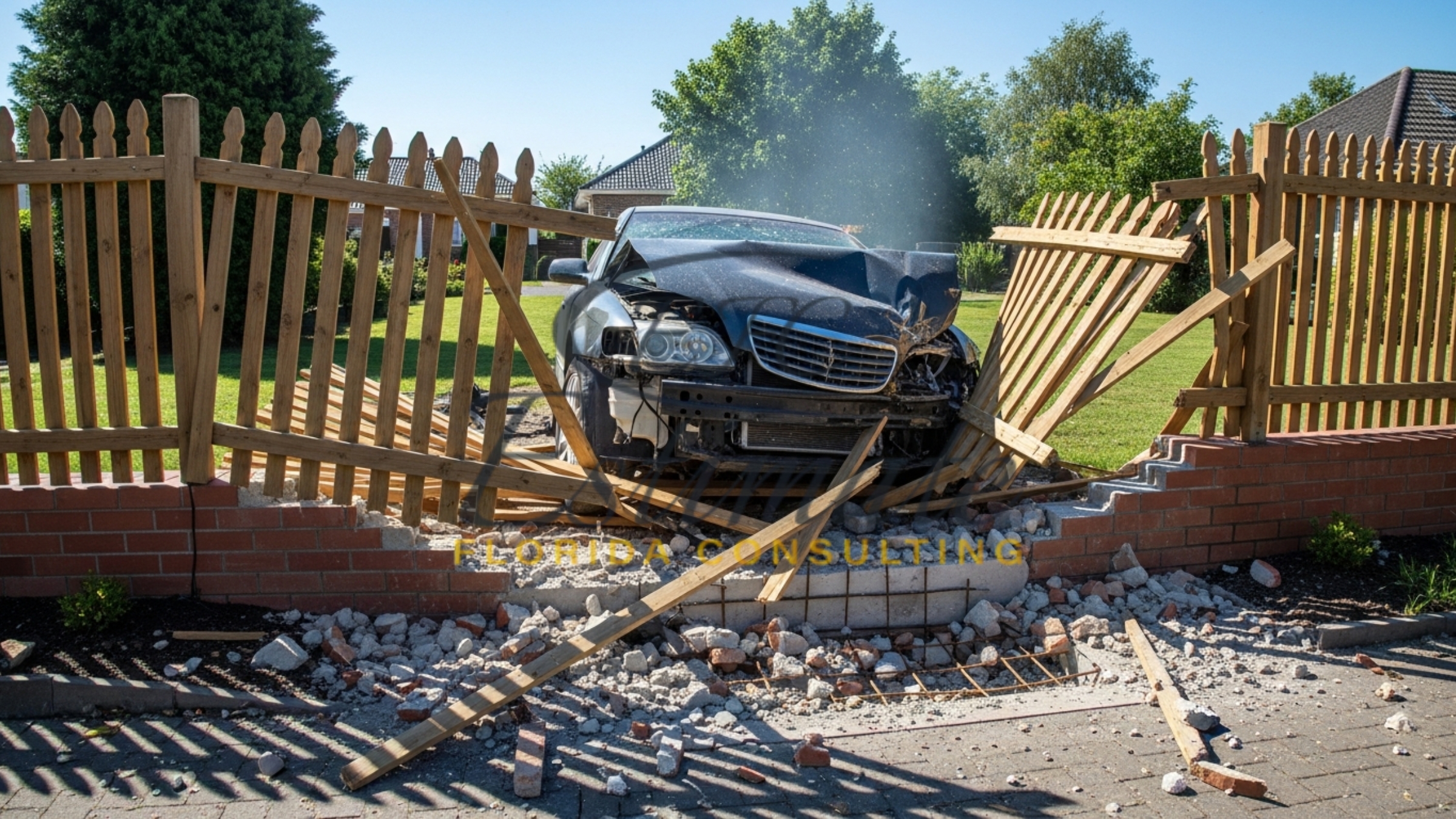
But insurance claims can drag on, get denied, or turn into a headache, which means property owners might have to look at their own homeowners’ insurance or even talk to car accident attorneys if things get complicated.
It’s important to know what you’re getting into—temporary fixes, legal fees, and all the sneaky costs that pop up along the way. A little preparation can spare you a lot of stress and hopefully make the whole compensation process less painful.
Understanding Property Damage and Liability When a Car Hits Your Property
When a car barrels into private property, the mess can be anything from a few scrapes to a full-on structural disaster. Figuring out who’s on the hook for repairs isn’t always straightforward—it depends on the kind of damage, who messed up, what the insurance policies say, and whatever state laws are in play.
Types of Property Damage From Car Accidents
Property damage from a car accident isn’t just about the vehicles. It includes busted fences, shattered mailboxes, cracked walls, torn-up landscaping, and sometimes personal stuff inside a car—like electronics or car seats for kids.
The bigger the mess, the higher the repair bill and the more complicated the insurance claim. If something big and immovable—like a building or utility pole—gets hit, you’ll probably need professionals to fix it. And really, documenting everything right after it happens is key if you want to get paid back properly.
How Fault and Liability Are Determined?
Usually, whoever’s carelessness caused the crash is the one responsible for the property damage. Fault gets assigned based on stuff like speeding, blowing through stop signs, or just not paying attention.
Most places use a fault-based system, so the person who caused the accident (and their insurance) is on the hook for the costs. But it’s not always black and white—some states cut down your payout if you share any blame, or even block you from getting anything if you’re partly at fault. It’s a bit of a minefield.
Insurance Policies That May Cover Damage
There are a few kinds of car insurance that might help with property repairs after a crash. Liability coverage is the basic one—it pays for damage you cause to someone else’s property, and it’s usually the first place insurance companies look. For a quick reference, see the DMV’s explanation of liability coverage.
Collision insurance is for fixing your own car, no matter who’s at fault. If the other driver doesn’t have enough insurance, uninsured or underinsured motorist property damage coverage (UMPD/UMPD) might kick in, but not everyone has it. Comprehensive insurance covers non-crash stuff like hail or theft, but it typically doesn’t apply if a car just plows into your fence.
The Role of State Law in Property Damage Claims
State laws really shape how these claims play out. They set the ground rules for who’s at fault, what damages you can recover, and how much insurance people are required to carry. Some states cap how much you can get from liability insurance, while others let you sue for extra if your costs go over the limit.
It’s worth digging into your state’s rules on things like comparative or contributory negligence, because that can make or break your claim. Filing your claim quickly and by the book is also a big deal if you want to get reimbursed for repairs.
Calculating the True Cost to Rebuild and Handling the Insurance Process
Getting a real sense of what it’ll take to fix your property after a car accident isn’t always simple. There’s paperwork, repair estimates, and a lot of back-and-forth with insurance adjusters. Plus, you’ve got to keep tabs on who’s at fault, what insurance will actually pay, and how to handle any upfront costs while you wait for things to get sorted out.
Filing a Property Damage Claim Step-by-Step
First things first—let your insurance company (or the driver’s) know about the accident as soon as you can. File a claim with all the details, and if you have a police report, send that too. Photos, witness statements, anything that shows what happened—gather it all. It’ll make your case stronger.
After that, an insurance adjuster will come check out the damage and try to figure out how much it’ll cost to fix. They’ll go over the paperwork, maybe ask you some questions, and then come up with an estimate. The faster you respond and provide info, the quicker things usually move along.
It’s important to know which insurance policy you should be using—sometimes it’s your homeowner’s, sometimes it’s the at-fault driver’s auto policy. And don’t forget to check your deductible so you’re not caught off guard by out-of-pocket costs.
Repair Estimates, Total Loss, and How Settlement Amounts Are Determined
Repair estimates are based on what it’ll take to bring your place back to its previous condition—materials, labor, and making sure everything’s up to code. They look at replacement costs, not what your property would sell for, since it’s all about restoring what you had.
If fixing everything costs too much—usually a certain percentage of your home’s insured value—the insurance company might call it a total loss. Then, you’ll get paid based on either the replacement cost minus depreciation or the property’s cash value before the accident. It’s not always clear-cut, honestly.
The final settlement covers approved repairs minus your deductible. Sometimes the first offer is lower than you’d like, so don’t be afraid to ask for a breakdown or even get a second opinion. Adjusters are balancing what’s fair with keeping the insurance company’s costs down—it’s just how it goes.
What Happens if the At-Fault Driver Is Uninsured or Underinsured?
If the driver who hit your property doesn’t have enough insurance (or any at all), you’ll need to look at other options. Your homeowner’s insurance might help, but coverage for car-related damage isn’t always a given—check your policy details.
If you have uninsured motorist property damage coverage, that could help cover the gap, but not everyone pays for that extra protection. If there’s no insurance at all, sometimes your only option is to go after the driver directly, maybe even in court. Not exactly fun.
In these situations, keeping solid records—police reports, photos, witness info—really matters. And check if your state has any programs or funds for victims of uninsured drivers. It’s a hassle, but sometimes it’s the only way to get some of your money back.
Managing Out-of-Pocket Expenses and Temporary Repairs
When you’re in the thick of a claim review or waiting for repairs, those unexpected out-of-pocket costs can sneak up on you. Shelling out for quick fixes—like boarding up a busted window or tossing a tarp over a leaky roof—might seem like a hassle, but it’s usually worth it to prevent more damage. Plus, insurers often pay you back for these stopgap repairs (though it’s always a good idea to double-check your policy first).
If you’ve got rental car reimbursement tucked into your homeowner’s or auto policy, that can be a real lifesaver while your vehicle’s in the shop. It takes the sting out of transportation expenses and helps you avoid dipping into your own pocket just to get around.
Here’s the thing: hang onto every receipt and jot down what you spent on those temporary repairs and rentals. Insurers want proof, and the more organized you are, the smoother the reimbursement process. It doesn’t hurt to keep in touch with your claims adjuster, either—just to make sure you’re in the clear for approvals and not missing out on coverage while your place gets patched up.