- Homepage
- Stucco
How Much Does It Cost to Stucco a House?
Leading provider of stucco estimating services.
Stucco is a popular exterior finish for homes due to its durability, aesthetic appeal, and weather resistance. The cost to stucco a house varies depending on the size of the home, type of stucco, labor costs, and any necessary preparation work. On average, homeowners pay between $7,500 and $20,000, though larger or more complex homes can cost more.
Stucco is typically applied in three layers over a wire mesh, which ensures a long-lasting and strong exterior finish. Its ability to resist fire, insects, and moisture makes it a long-term investment for your property, providing both protection and curb appeal.
Average Stucco Cost Per Square Foot
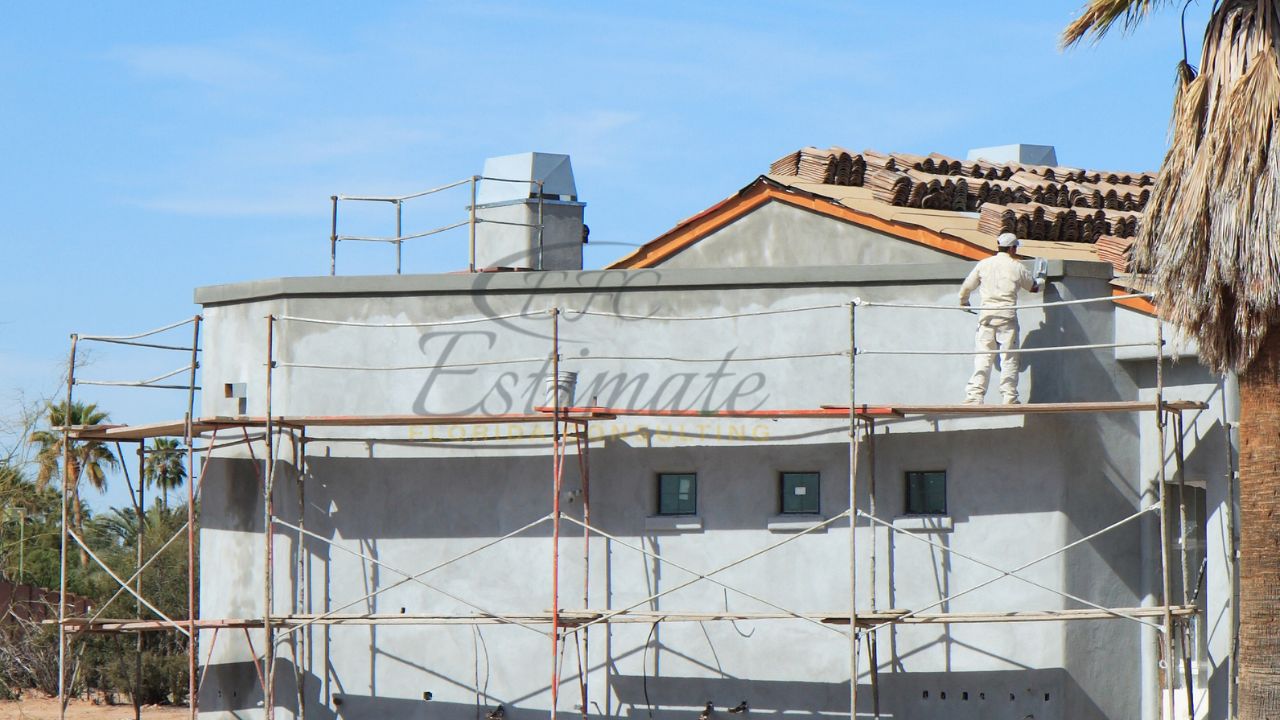
The cost to stucco a house is usually calculated on a per square foot basis, which helps homeowners estimate the total project cost based on the size of their home. On average, stucco costs between $6 and $12 per square foot for labor and materials combined.
- Basic Stucco: $6–$8 per sq ft – Suitable for smaller homes or budget-conscious projects. Includes a standard three-coat application with basic finishes.
- Standard Stucco: $8–$10 per sq ft – A more durable option with better texture and finish, often used in mid-range homes.
- Premium Stucco: $10–$12+ per sq ft – High-quality materials with customized textures, colors, and intricate detailing for upscale homes.
Additional costs may arise if your home requires repairs, reinforcement, or custom colors, as these add to both materials and labor expenses. Larger homes, complex shapes, or high walls will also increase the per square foot cost slightly.
Factors Affecting Stucco Costs
Several factors influence the overall cost of stuccoing a house. Understanding these can help you budget accurately and avoid unexpected expenses.
1. Home Size and Shape
The size of your home is the most obvious factor. Larger homes require more materials and labor, naturally increasing costs. Additionally, homes with complex designs, multiple stories, or intricate architectural features take longer to stucco and require more detailed work, adding to labor expenses.
2. Type of Stucco
There are several types of stucco, each with its own price range and benefits. Traditional three-coat stucco is durable and popular, but synthetic or acrylic stucco offers more color and texture options and is easier to repair. Premium stucco materials cost more but offer better longevity and aesthetic appeal, making them ideal for high-end homes.
Want to Start Your Project with the Best Contractors?
Let’s Take Your Projects to the Next Level.
& What's you will get:
- Connecting You to Top Local Contractors
- Professional Consulting, Contractors Near You
- From Expert Advice to Local Contractor Connections
“
We’re Here
for You –
Reach Out Today!
”
Contact Now
Let's discuss with a cup of coffe
3. Labor Costs
Stucco installation is labor-intensive, requiring skilled professionals to ensure proper application and prevent cracks or water damage. Labor rates vary by location, contractor experience, and the complexity of the job. In some areas, experienced stucco crews charge higher rates, but their work can save money in the long run by preventing issues.
4. Surface Preparation
Before applying stucco, your walls must be clean, smooth, and structurally sound. This may involve removing old siding, repairing damage, adding waterproof barriers, or installing wire mesh. Homes requiring extensive prep work will see a significant increase in costs.
5. Color, Texture, and Finish
The color and texture of your stucco affect both material costs and labor. Custom colors or textured finishes such as sand, lace, or swirl patterns take longer to apply and may require multiple coats, raising the overall price. Simple finishes with standard colors are the most budget-friendly.
6. Regional Factors
Location impacts costs due to variations in labor rates, material availability, and climate considerations. Areas with extreme weather conditions may require additional protective layers or specialized materials, increasing the final cost.
7. Additional Features
Extra features like stucco accents, decorative trim, or integrated insulation also add to the cost. These enhancements can boost curb appeal and energy efficiency but require more labor and materials.
Understanding these factors helps homeowners make informed decisions, prioritize upgrades, and keep their stucco project within budget. Proper planning and consultation with a professional can prevent overspending while achieving a durable, beautiful exterior.
Stucco Cost Breakdown by House Size
When estimating the cost to stucco a house, square footage is a major determinant. Knowing how much it costs for different house sizes helps homeowners plan their budget accurately and make informed decisions. Here’s a detailed breakdown based on average costs:
Small Homes (800–1,200 sq ft)
For smaller homes, the cost of stucco ranges from $6,000 to $14,000, depending on the quality of materials and labor. Smaller homes require less material, but labor still accounts for a significant portion of the cost due to the precision required for proper application. Even with a modest home, using premium materials or custom finishes can push costs higher.
Medium Homes (1,200–2,000 sq ft)
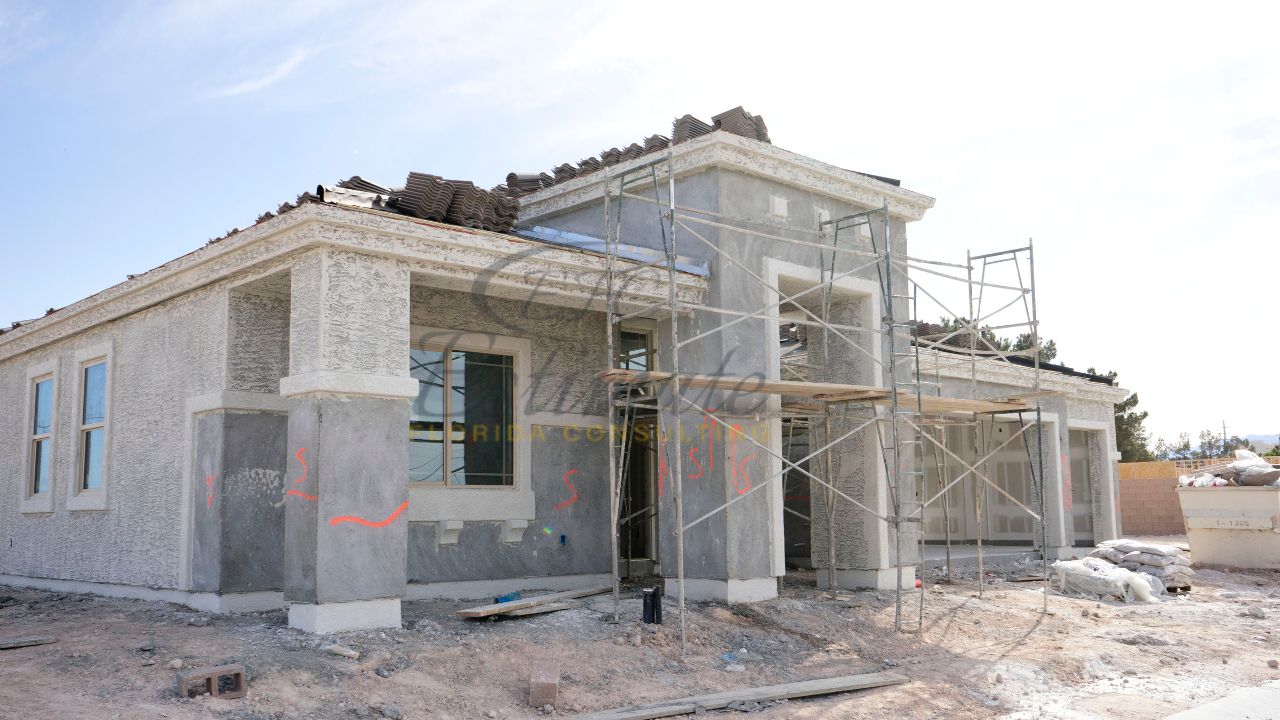
Medium-sized homes typically see stucco costs between $14,000 and $24,000. These homes may include more complex rooflines, corners, and window openings, which require additional preparation and application time. Labor charges increase because crews need more time to ensure consistent coverage, smooth finishes, and crack prevention.
Cost Factors Across All Sizes
- Material Choice: Premium stucco materials like synthetic or acrylic options increase costs by 20–30% compared to traditional three-coat stucco.
- Labor Intensity: More corners, curves, and textured surfaces require skilled workers, increasing labor charges.
- Preparation Needs: Homes with damaged siding, moisture issues, or uneven surfaces require extra prep work, which adds to both labor and material costs.
- Regional Pricing: Local labor rates and material availability can significantly influence the final cost, with urban areas typically being more expensive than rural locations.
By understanding the cost breakdown based on house size, homeowners can accurately plan their stucco project, choose the right materials, and avoid budget surprises. Proper planning and consulting with a professional stucco contractor ensures a smooth and cost-effective process, no matter the home size.
Cost of Stucco Materials
The cost of stucco materials plays a critical role in the total project expense. Stucco is available in multiple types, each with its own durability, finish options, and price range. Understanding the material costs helps homeowners make informed decisions without compromising on quality.
1. Traditional Three-Coat Stucco
This is the most common stucco type, consisting of scratch, brown, and finish coats. It is highly durable, provides excellent weather resistance, and can last decades with minimal maintenance. The material cost typically ranges from $4 to $6 per square foot, not including labor. Choosing this option is ideal for homeowners looking for long-lasting protection and a classic exterior finish.
2. Synthetic or Acrylic Stucco
Synthetic stucco, also known as EIFS (Exterior Insulation and Finish System), is a modern alternative that provides better insulation, lighter weight, and a wide range of textures and colors. Material costs are higher, usually between $6 and $10 per square foot, but many homeowners prefer it for its energy efficiency, flexibility, and aesthetic options.
3. Stucco Additives and Reinforcements
In addition to base stucco, additives like fiber mesh, bonding agents, and waterproofing chemicals may be necessary depending on your home’s condition. These materials prevent cracking, improve adhesion, and enhance durability. Fiber mesh and similar reinforcements typically add $0.50 to $1.50 per square foot to the material cost but significantly extend the life of your stucco.
4. Finishing Materials
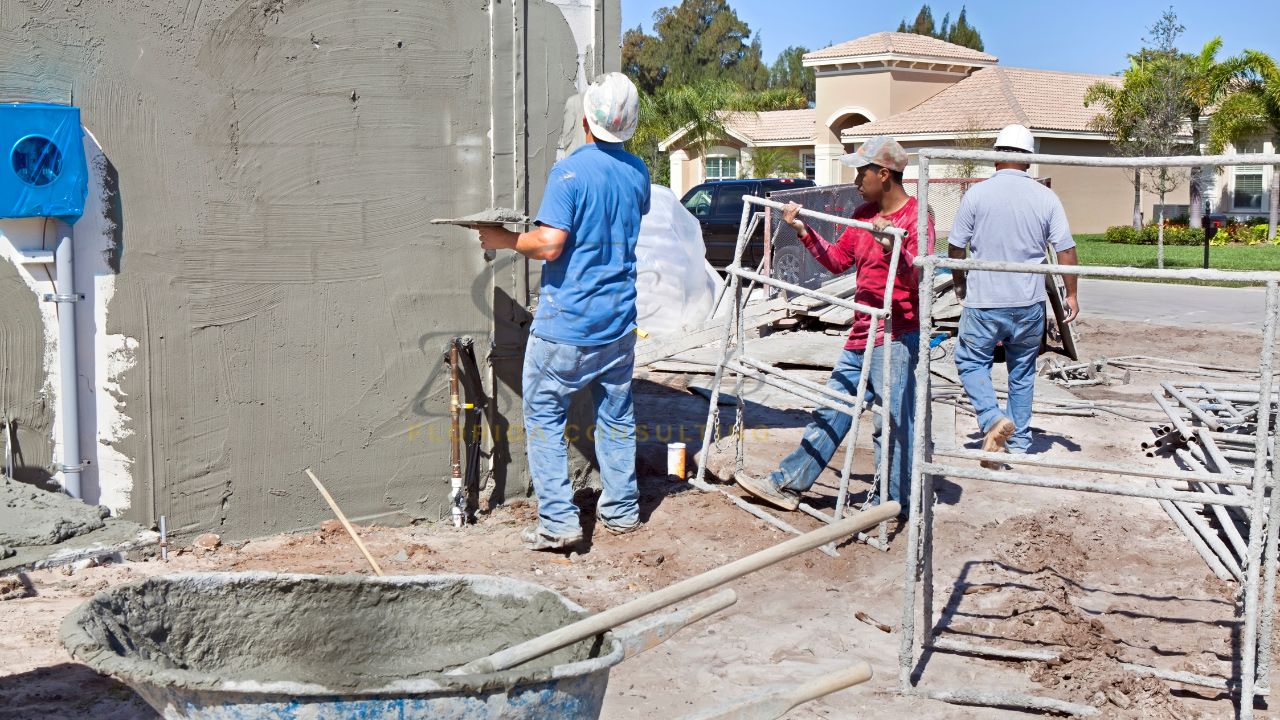
The finish coat provides the final texture and color of your stucco. Options include smooth, sand, lace, and swirl textures. Specialty finishes or custom colors may increase costs further by $1–$3 per square foot, depending on the complexity and brand. Choosing the right finish not only enhances the home’s curb appeal but also adds long-term value.
5. Summary of Material Costs
Stucco Type | Material Cost per Sq Ft | Notes |
Traditional 3-Coat | $4–$6 | Durable, classic finish |
Synthetic/Acrylic | $6–$10 | Better insulation and texture options |
Reinforcements | $0.50–$1.50 | Prevents cracking, improves adhesion |
Specialty Finish | $1–$3 | Smooth, lace, or swirl textures |
Selecting the right materials balances budget, longevity, and visual appeal, ensuring your home is protected and looks stunning for years.
Get High-Quality 3D Rendering Services Today!
Transform your space with stunning 3D Rendering that blends style, comfort, and functionality.
We Specialize in Both Residential and Commercial 3D Rendering Projects.
- Luxury Villas
- Apartment Complexes
- Modular Kitchens
- Bathrooms
- Office Buildings
- Shopping Malls
- Hospitals
- Hotels & Resorts
Labor Costs for Stucco Installation
Labor is a major component of stucco installation costs, often accounting for 50% or more of the total project. Skilled labor is essential because stucco application requires precision, experience, and attention to detail to ensure a durable, crack-free finish that lasts for decades.
1. Labor Rates
Stucco labor costs vary based on location, contractor experience, and project complexity. On average, labor rates range from $35 to $75 per hour. Urban areas or regions with higher living costs often see rates at the upper end of the scale, while rural areas may be lower.
2. Crew Size and Time Needed
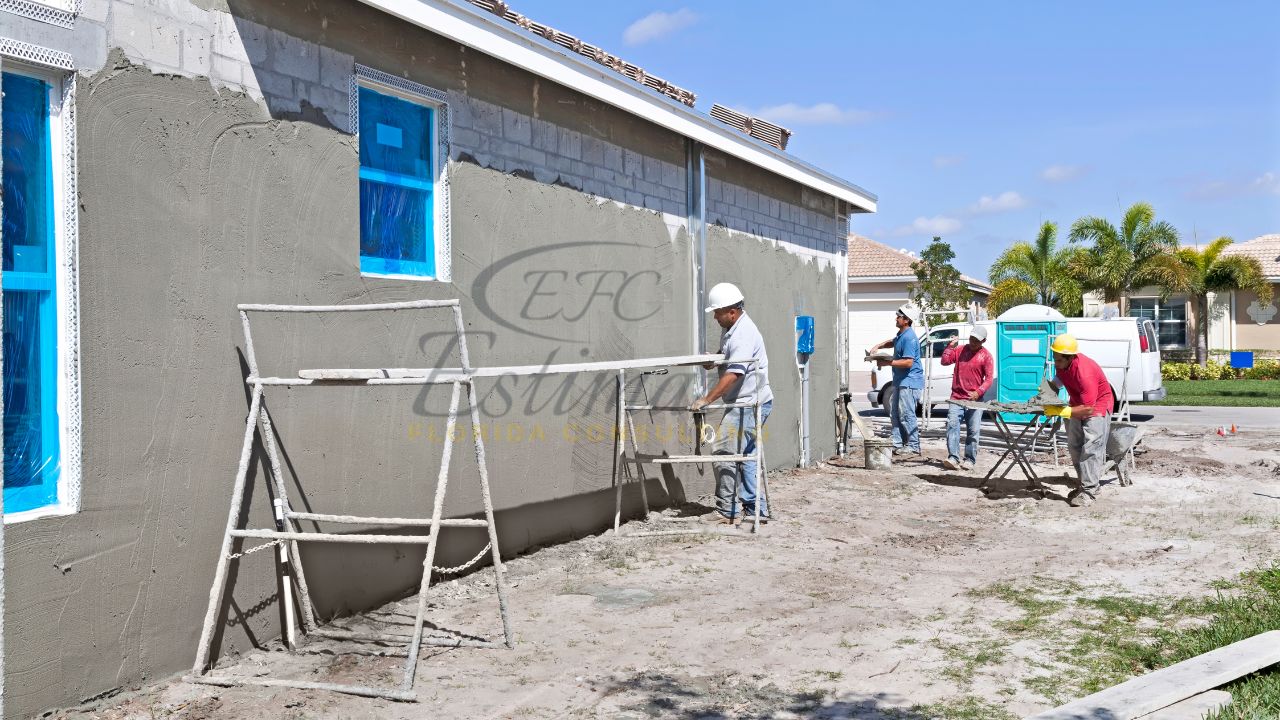
A typical stucco crew consists of 3–5 workers, depending on the size and complexity of the house. For a standard 1,500–2,000 sq ft home, labor can take 1–2 weeks to complete. Larger homes, multi-story homes, or those with intricate architectural features require more time and additional labor, increasing overall costs.
3. Complexity of Work
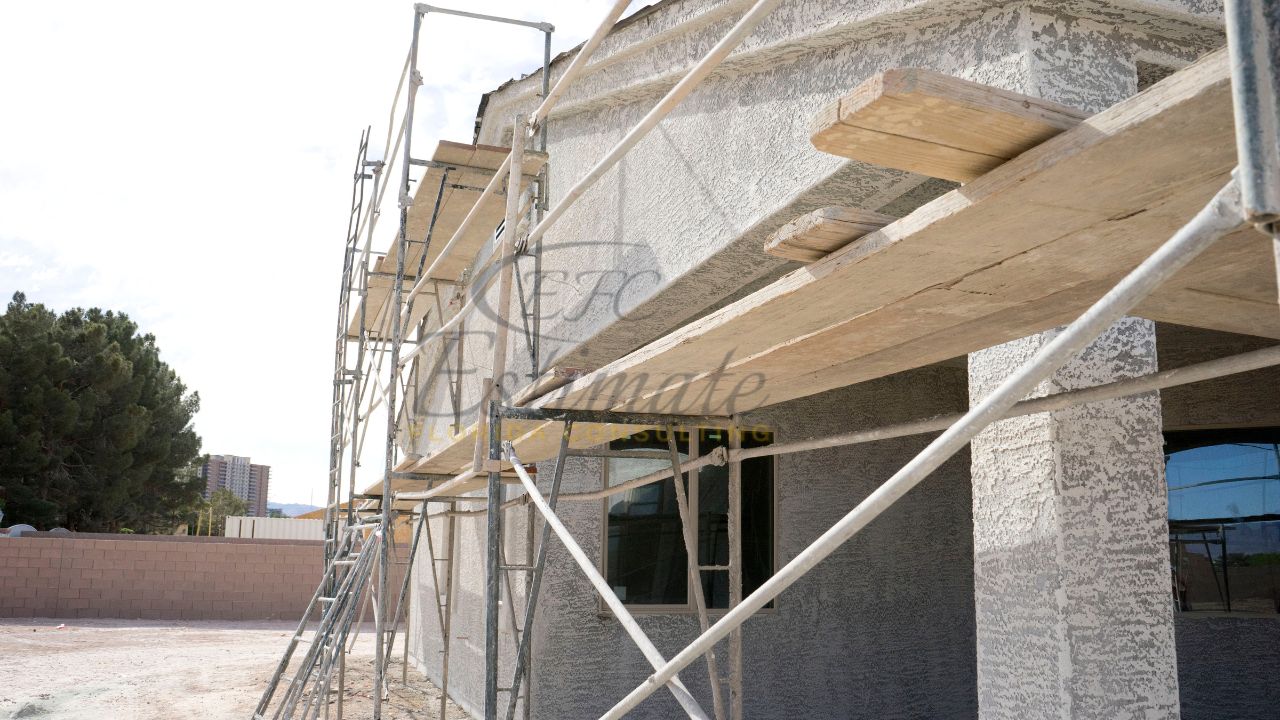
Labor costs are affected by the home’s design complexity. Homes with many corners, arches, windows, and uneven surfaces require extra attention, more prep work, and additional time, which drives up labor expenses. Likewise, multi-story homes may require scaffolding, adding further labor and safety considerations.
4. Preparation Work
Proper preparation is critical to a successful stucco application. This may include removing old siding, repairing damaged walls, adding wire mesh, or waterproofing surfaces. Preparation work can account for 10–20% of total labor costs, but it prevents long-term problems like cracking, peeling, or moisture damage.
5. Cost Range for Labor
On average, homeowners can expect $4 to $8 per square foot for labor, depending on the factors above. For a 1,500 sq ft home, this translates to roughly $6,000–$12,000 in labor costs alone, excluding materials.
6. Why Skilled Labor Matters?
Hiring experienced stucco installers may cost more upfront but saves money in the long run by reducing the risk of repairs, cracks, and rework. A properly applied stucco finish improves home durability, aesthetic appeal, and long-term property value, making skilled labor a worthwhile investment.
Additional Costs for Stuccoing a House
Beyond materials and labor, several additional costs can affect the total price of stuccoing a house. These costs are often overlooked but are important to budget for to avoid surprises during the project.
1. Surface Preparation and Repairs
Before stucco can be applied, walls must be clean, level, and free from damage. This may involve removing old siding, repairing cracks or rot, reinforcing walls, or adding a waterproof barrier. Extensive prep work can add $1,000–$5,000 depending on the home’s condition and size. Proper preparation ensures that the stucco adheres correctly and lasts for decades without cracking or water damage.
2. Scaffolding and Equipment Rental
For multi-story homes or high walls, scaffolding is required to allow workers safe access to upper levels. Renting scaffolding and other specialized equipment can cost $500–$1,500, depending on the duration of the project. In some cases, more complex scaffolding setups are necessary for curved or irregular walls, which may increase costs further.
3. Permits and Inspection Fees
Some regions require building permits or inspections before stucco installation can begin, especially if it involves structural changes or multi-story applications. Permit fees vary widely, generally ranging from $200 to $1,000, depending on local regulations. Securing permits ensures that your project complies with safety standards and local building codes.
4. Cleanup and Waste Disposal
Stucco projects generate a significant amount of construction debris, including old siding, wire mesh, and excess material. Contractors often charge for cleanup and waste disposal, which can add $300–$800 to the overall cost. Proper cleanup ensures your property remains safe and visually appealing during and after the project.
5. Optional Upgrades
Homeowners may choose additional features or upgrades such as decorative stucco accents, integrated insulation, or premium textured finishes. These upgrades enhance curb appeal and energy efficiency but can increase costs by $1–$3 per square foot depending on the level of customization.
6. Seasonal and Regional Considerations
Labor availability and material prices can vary by season and region. Winter months may require special techniques or slower application times, increasing labor costs. Likewise, regions with extreme weather may require additional protective coatings or waterproofing, which raises both material and labor expenses.
Accounting for these additional costs ensures that homeowners can accurately estimate their budget and avoid unexpected expenses during the stucco project. Planning ahead and consulting with a professional contractor will help in scheduling, material selection, and overall project efficiency.
DIY vs Hiring a Contractor for Stucco
When planning a stucco project, homeowners often wonder whether they can do it themselves (DIY) or if they should hire a professional contractor. Both options have pros and cons, and understanding them can help you save money while ensuring a high-quality finish.
1. DIY Stucco Projects
For small projects, repairs, or touch-ups, DIY stucco application can save money on labor costs. Materials for a DIY project, including stucco mix, trowels, and mesh, can be purchased from local suppliers at $3–$7 per square foot for materials alone.
DIY-friendly tasks may include:
- Patch repairs on cracked or damaged areas
- Applying small stucco finishes to limited wall sections
- Painting or texturing previously applied stucco
However, large-scale stucco installation for an entire house is labor-intensive and technically challenging. Improper application can lead to cracks, water damage, or uneven finishes, which may require costly repairs later. Multi-story homes, intricate designs, or textured finishes are generally not recommended for DIY unless you have prior experience.
2. Hiring a Professional Contractor
Hiring a licensed stucco contractor ensures:
- Expertise in surface preparation to prevent future cracks or adhesion issues
- Accurate application of multiple coats and textures for a flawless finish
- Proper handling of scaffolding, safety equipment, and permits
Professional labor costs usually range from $4 to $8 per square foot, depending on complexity and region. While hiring a contractor is more expensive upfront, it saves money in the long run by reducing the likelihood of repairs and increasing your home’s curb appeal and durability.
3. Hybrid Approach
Some homeowners choose a hybrid approach, doing minor tasks themselves—like painting or small patch repairs—while hiring professionals for:
- Base stucco application
- Large wall sections
- Multi-story or complex architectural features
This approach balances cost savings and quality, allowing you to participate in the project without compromising the overall finish.
4. Key Considerations Before Deciding
- Skill Level: Only attempt DIY if you have experience with masonry or stucco techniques.
- Time Commitment: Stucco installation is time-consuming, especially for larger homes.
- Tools and Equipment: Professionals have access to specialized tools, scaffolding, and safety gear.
- Long-Term Value: Properly applied stucco enhances curb appeal, home value, and weather resistance.
Choosing the right approach ensures your stucco project is completed efficiently, within budget, and with lasting results.
90% More Chances to Win Stucco Bids with Our Estimate!
Stucco Maintenance Costs
Once your stucco has been installed, regular maintenance is essential to keep it looking great and to prevent costly repairs. Stucco is durable, but it can develop cracks, chips, or discoloration over time due to weather, moisture, or settling of the home. Understanding maintenance costs helps homeowners budget for the long-term care of their stucco exterior.
1. Routine Inspections
Homeowners should conduct annual inspections to check for cracks, moisture intrusion, or damaged areas. A basic inspection can cost $150–$300 if performed by a professional, while DIY inspections are free but require a careful eye. Identifying small issues early can prevent them from becoming larger, more expensive problems.
2. Minor Repairs
Small cracks or chips in the stucco can often be repaired without replacing large sections. Professional patching costs between $200 and $600 per repair, depending on the size and depth of the damage. DIY patching kits are available for smaller areas at $50–$150, but proper technique is critical to ensure the repair blends seamlessly with existing stucco.
3. Cleaning
Stucco can accumulate dirt, mold, mildew, and algae, especially in humid or rainy climates. Professional power washing costs around $300–$800, depending on home size and complexity. Regular cleaning not only maintains curb appeal but also prolongs the life of the stucco by preventing surface degradation.
4. Repainting or Re-coating
If your stucco is painted or has a finish coat, it may require repainting or re-coating every 5–10 years. Painting costs range from $1.50 to $4 per square foot, depending on paint quality and preparation work. Re-coating helps maintain color vibrancy, weather resistance, and overall appearance.
5. Moisture and Waterproofing Treatments
Adding a waterproof sealant or protective coating every few years can prevent water damage, mold growth, and efflorescence (white powdery deposits). Professional treatments generally cost $0.50–$1.50 per square foot, depending on the product and home size.
6. Long-Term Considerations
While stucco is low-maintenance compared to other siding options, ignoring small repairs or routine upkeep can lead to larger expenses, including replacing entire sections or dealing with structural damage from water infiltration. Budgeting $500–$2,000 every few years for maintenance ensures your stucco stays durable, attractive, and protective.
Final Estimated Cost to Stucco a House
Calculating the total cost to stucco a house involves combining material costs, labor, additional charges, and optional upgrades. While individual elements like stucco mix, labor, or scaffolding each have separate costs, the final estimate gives homeowners a clear picture of what to expect for their entire project.
1. Material Costs
As discussed earlier, stucco materials vary based on type and finish. Traditional three-coat stucco costs $4–$6 per square foot, while synthetic or acrylic options range from $6–$10 per square foot. Specialty finishes and reinforcement materials may add another $1–$3 per square foot, depending on the desired texture and durability. For an average 2,000 sq ft home, material costs can range between $10,000 and $22,000.
2. Labor Costs
Labor is one of the largest components of a stucco project. Skilled contractors charge between $4 and $8 per square foot, depending on home complexity, crew size, and location. For a 2,000 sq ft home, labor costs may total $8,000–$16,000, including preparation, application, and finishing touches. Homes with intricate designs, multi-story layouts, or uneven walls may require more labor, increasing costs further.
3. Additional Costs
Beyond materials and labor, additional expenses such as scaffolding, permits, surface prep, cleanup, and optional upgrades can add $2,000–$6,000 to the total. These costs ensure safety, code compliance, and a professional-quality finish. Investing in quality prep work and scaffolding also reduces the risk of cracks or failures in the long run.
4. Optional Upgrades and Finishes
Homeowners may choose premium finishes, decorative textures, or integrated insulation. These upgrades enhance curb appeal, energy efficiency, and long-term durability, adding $1–$3 per square foot. For larger homes, these optional costs can add several thousand dollars to the total project cost.
5. Total Estimated Cost Range
Considering all factors—materials, labor, additional costs, and optional upgrades—the total cost to stucco a typical 2,000 sq ft home ranges between $20,000 and $44,000. High-end homes with complex designs, premium finishes, or multi-story layouts can exceed $50,000 or more, depending on choices made. This range gives homeowners a realistic budget framework to plan their project effectively.
6. Value and Benefits of Stucco
Investing in stucco not only protects the home from weather, moisture, and pests, but also improves aesthetic appeal, resale value, and longevity. While the upfront costs may seem significant, stucco provides a durable, low-maintenance exterior that can last decades, making it a worthwhile investment for homeowners focused on long-term value.
Want to Start Your Project with the Best Contractors?
Let’s Take Your Projects to the Next Level.
& What's you will get:
- Connecting You to Top Local Contractors
- Professional Consulting, Contractors Near You
- From Expert Advice to Local Contractor Connections
“
We’re Here
for You –
Reach Out Today!
”
Contact Now
Let's discuss with a cup of coffe
Tips to Save Money When Stuccoing a House
Stuccoing a house can be a significant investment, but there are several ways homeowners can reduce costs without sacrificing quality. Careful planning, smart material choices, and strategic labor management can help keep the project within budget.
1. Compare Material Options
Stucco comes in various types, including traditional three-coat, synthetic, and acrylic finishes. Each has different price points. While premium finishes may look luxurious, selecting cost-effective materials for areas less visible can save money. Additionally, purchasing materials in bulk or during seasonal sales can reduce overall material expenses.
2. Maintain the Existing Wall Footprint
Altering the structure of your home, like adding new walls or changing window placements, significantly increases costs due to additional labor, framing, and material requirements. Keeping the existing wall layout intact allows contractors to work efficiently and reduces the need for complex prep work.
3. Do Some Prep Work Yourself
Certain preparation tasks, such as removing debris, trimming plants, or cleaning surfaces, can be done by homeowners. This reduces labor hours billed by the contractor and keeps the project moving smoothly. Simple DIY tasks like masking windows and doors can also save time and money.
4. Hire Local Contractors
Local stucco contractors often have lower travel costs and better knowledge of regional building codes. Getting multiple quotes ensures competitive pricing and helps you understand the market rate for your area. Verify licenses, experience, and references to avoid future quality issues.
5. Avoid Peak Season Delays
Contractor availability can fluctuate throughout the year. Scheduling your project during off-peak seasons may help you negotiate lower labor costs and avoid delays. Less busy months can mean faster project completion and better pricing on materials.
6. Limit Optional Upgrades
While decorative finishes, integrated insulation, or specialty textures enhance the home’s appearance, prioritize necessary upgrades over purely aesthetic ones. Focus on durability and weather protection first, and add decorative features later if the budget allows.
7. Regular Maintenance to Reduce Long-Term Costs
Investing in routine inspections and minor repairs can prevent large-scale damage that is costly to fix. Regularly cleaning, patching small cracks, and maintaining sealants prolongs the life of stucco and reduces long-term expenses.
By following these tips, homeowners can maximize value, control costs, and still achieve a professional, long-lasting stucco finish. Careful planning and strategic decisions during the project help save thousands while ensuring a visually appealing and durable exterior.
Conclusion: Is Stucco Worth the Investment?
Investing in stucco for your home is a smart decision for durability, aesthetics, and long-term value. While the upfront costs may seem significant, stucco provides a weather-resistant, low-maintenance exterior that can last decades without major repairs. It enhances curb appeal, increases resale value, and protects against moisture, pests, and fire. With proper installation and routine maintenance, homeowners enjoy a beautiful, energy-efficient, and long-lasting exterior, making stucco a worthwhile investment for both function and style.
Question Answer
Frequently Asked Question
The average cost to stucco a house ranges from $7,500 to $20,000, depending on size, materials, and labor. On a per-square-foot basis, expect to pay $6–$12 including both materials and labor. Larger or more complex homes with custom finishes can exceed $30,000–$40,000.
Several factors influence stucco costs, including:
- Home size and shape – Larger homes or complex designs increase labor and material needs.
- Type of stucco – Traditional, synthetic, or acrylic options vary in cost and performance.
- Labor rates – Skilled professionals charge more but ensure durability and crack prevention.
- Surface preparation – Damaged or uneven walls need repair before applying stucco.
- Texture and finish – Custom colors and decorative finishes raise overall costs.
On average:
Basic stucco: $6–$8 per sq ft
Standard stucco: $8–$10 per sq ft
Premium stucco: $10–$12+ per sq ft
This estimate includes materials and labor. Costs can rise if your project involves custom finishes, complex architecture, or multi-story structures.
Here’s an approximate breakdown:
- Small home (800–1,200 sq ft): $6,000–$14,000
- Medium home (1,200–2,000 sq ft): $14,000–$24,000
- Large home (2,000–3,000+ sq ft): $24,000–$36,000+
These prices vary based on design complexity, finish type, and regional labor rates.
Labor typically makes up 50% or more of total stucco expenses. Skilled labor costs average $4–$8 per sq ft, or $35–$75 per hour.
For a 2,000 sq ft home, labor may total $8,000–$16,000, depending on project complexity, preparation needs, and region.
Comprehensive Trade-Specific Estimates
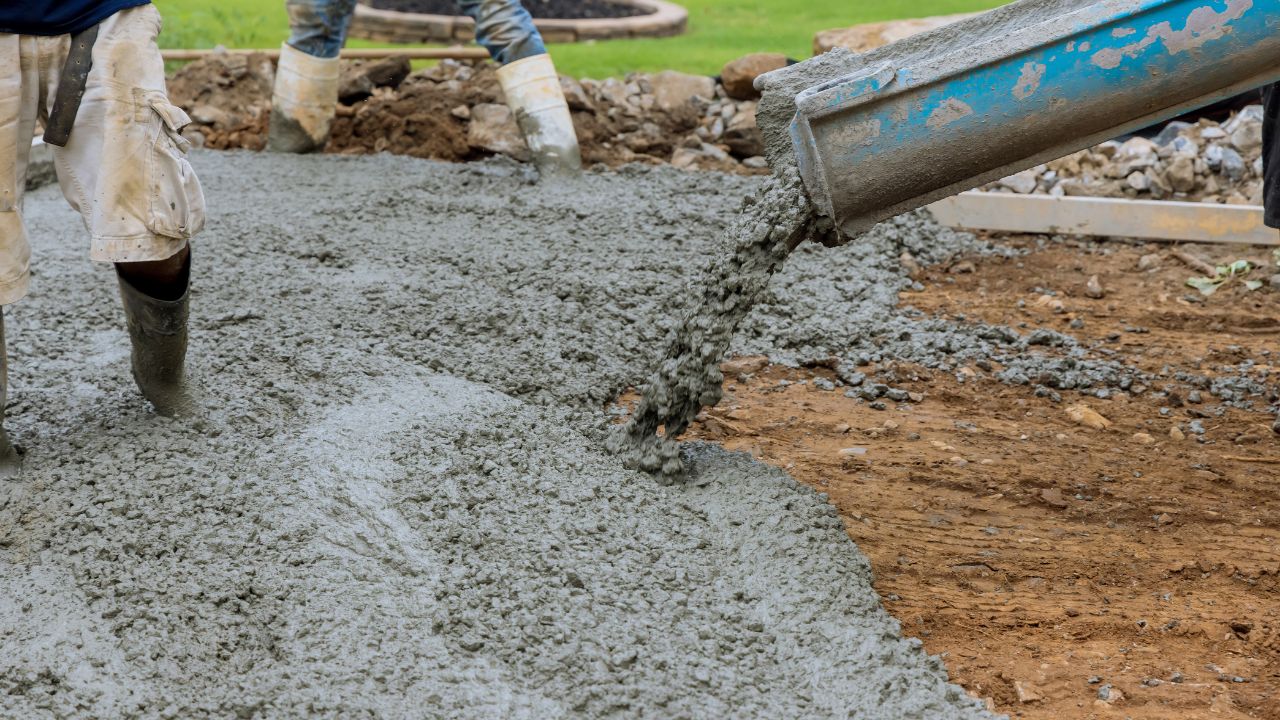
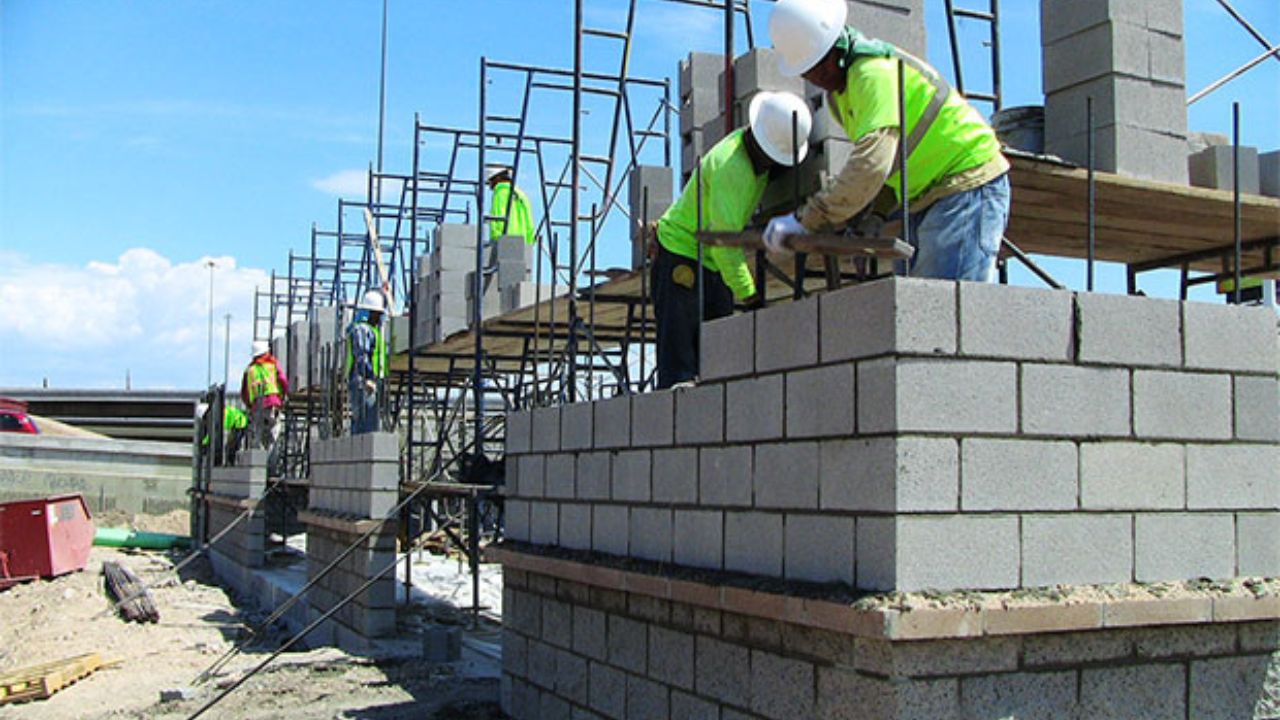
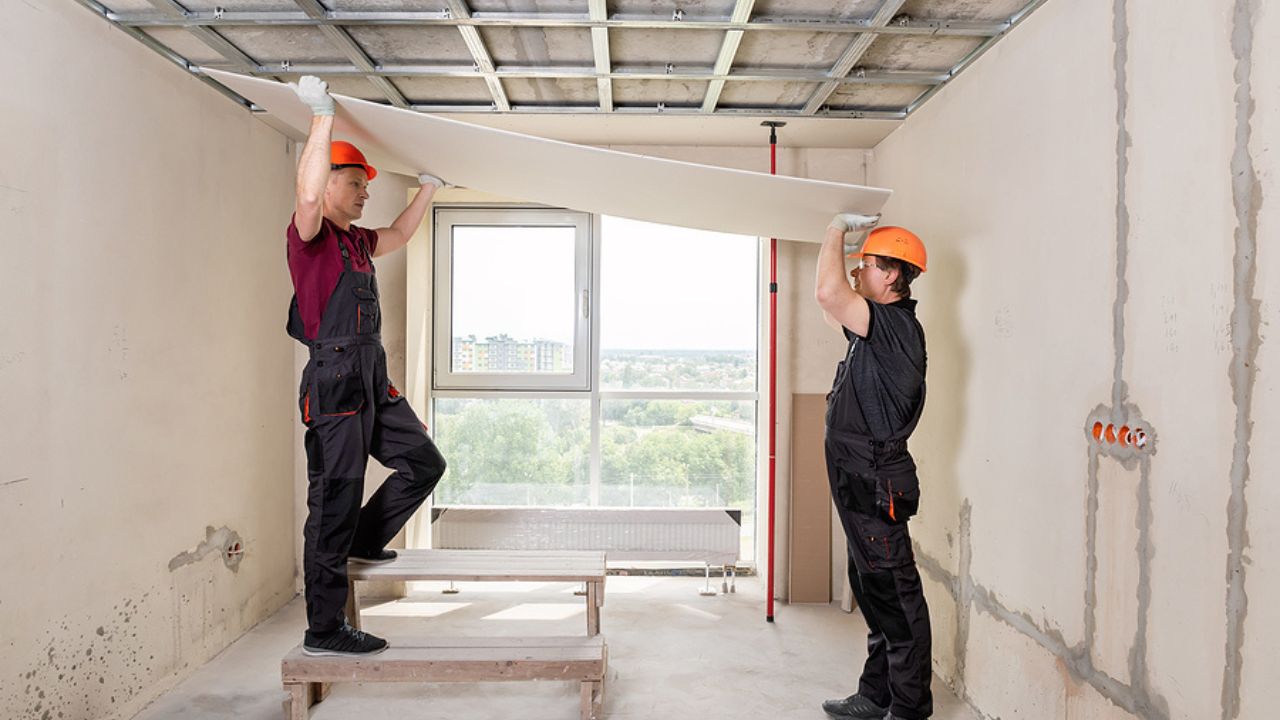
At Estimate Florida Consulting, we offer detailed cost estimates across all major trades, ensuring no part of your project is overlooked. From the foundation to the finishing touches, our trade-specific estimates provide you with a complete and accurate breakdown of costs for any type of construction project.















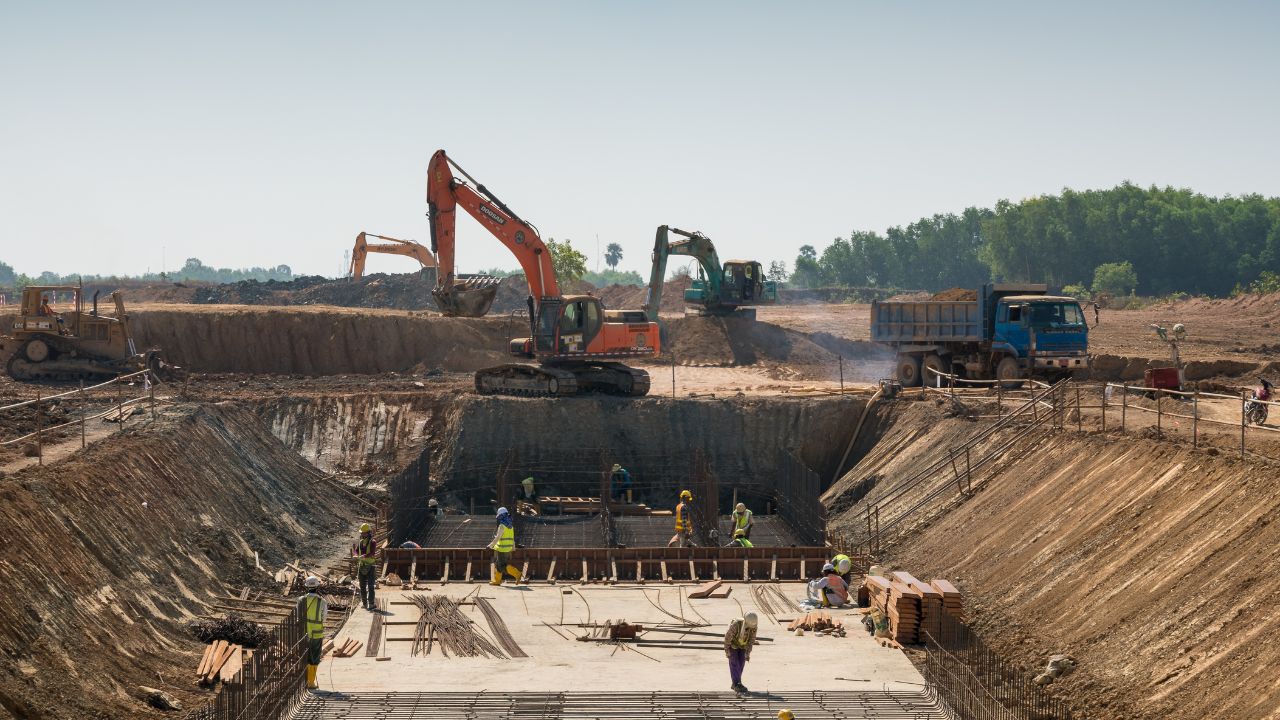

Our Simple Process to Get Your Estimate
01
Upload Plans
Submit your project plans, blueprints, or relevant documents through our online form or via email.
02
Receive Quotation
We’ll review your project details and send you a quote based on your scope and requirements.
03
Confirmation
Confirm the details and finalize any adjustments to ensure the estimate meets your project needs.
04
Get Estimate
Receive your detailed, trade-specific estimate within 1-2 business days, ready for your project execution.


Client Trust Us

Our Clients & Partners
We pride ourselves on building strong, lasting relationships with our clients and partners across the construction industry.








Testimonials
What Our Clients Say?
We take pride in delivering accurate, timely, and reliable estimates that help contractors and builders win more projects. Our clients consistently praise our attention to detail, fast turnaround times, and the positive impact our estimates have on their businesses.
Estimate Florida Consulting has helped us win more bids with their fast and accurate estimates. We trust them for every project!

Marvelous Marble
Manager