Bid Strong, Bid Smart – Try Our Hospital Construction Cost Estimating Service!
- Accurancy
- Efficiency
- Transparency
- Customization
- Time Saving
- Professionalism
- Cost Control

Hospital construction is a complex and critical endeavor, requiring meticulous planning and attention to detail. One of the fundamental components of any construction project is the cost associated with materials, and concrete stands out as a primary building material for hospital infrastructure. In this article, we will delve into the factors influencing concrete costs in hospital construction, providing insights into the considerations that project managers, architects, and stakeholders should bear in mind.
Navigating hospital construction concrete costs is crucial for various reasons, encompassing financial considerations, project management efficiency, and the overall success of healthcare infrastructure development. Here are key aspects highlighting the importance of effectively managing and understanding concrete costs in hospital construction:
Fully Insured License
Hire Contractor For Hospital Construction
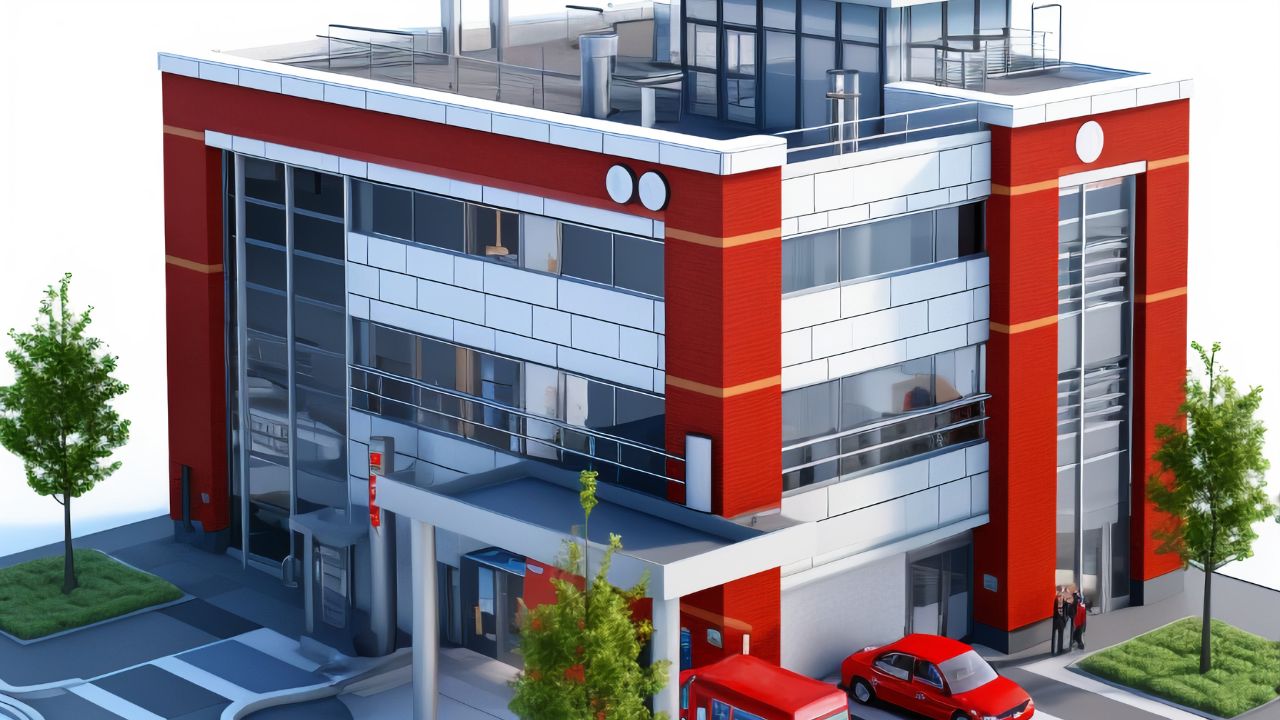
Make Informed Design Decisions Showcase Your Design Ideas
Get RenderingEfficiently navigating concrete costs is a cornerstone of effective budget management in hospital construction projects. The judicious allocation of financial resources is paramount to prevent cost overruns and ensure alignment with project financial objectives. Detailed cost analysis, including procurement, transportation, and labor expenses related to concrete, allows project managers to create a realistic and comprehensive budget. This meticulous budgeting not only establishes a financial roadmap but also enhances accountability, transparency, and the overall financial health of the construction project.

Thoroughly assessing concrete costs is integral to determining the viability and feasibility of hospital construction projects. This comprehensive analysis serves as a crucial factor in securing funding approvals and garnering support from stakeholders. By understanding the intricacies of concrete costs, project managers can present a clear and realistic financial picture, aiding decision-makers in evaluating the project’s financial sustainability, potential return on investment, and alignment with broader strategic goals.
Properly managing concrete costs extends beyond financial considerations; it encompasses the critical aspect of quality assurance. Investing in high-quality materials and adhering to rigorous testing standards is paramount for the long-term durability and safety of hospital structures. By understanding how concrete costs impact the quality of construction materials, project managers can ensure that the final product meets or exceeds industry standards, providing a safe and resilient healthcare environment.
Concrete costs are subject to various external factors, and navigating them effectively aids in identifying and mitigating potential risks. Market fluctuations in material prices and unexpected delays can pose challenges to construction projects. Project managers, armed with a clear understanding of concrete costs, can develop proactive contingency plans to minimize the impact of unforeseen challenges. This risk mitigation strategy enhances the project’s resilience, ensuring that it stays on course even in the face of unexpected events.
Delays in construction timelines can have profound implications for healthcare facilities, affecting their ability to serve the community promptly. Effectively managing concrete costs involves optimizing construction processes and considering time-sensitive factors. This includes coordinating material deliveries, scheduling concrete pours efficiently, and ensuring that all aspects of the construction timeline are carefully planned. By aligning concrete costs with the project timeline, construction managers can contribute to an efficient and timely completion of the hospital.
Transparent communication with stakeholders is fundamental in hospital construction projects. Understanding and effectively managing concrete costs allow project managers to communicate openly about budgetary constraints, potential challenges, and the steps taken to ensure responsible financial stewardship. This transparency fosters trust and collaboration among investors, government agencies, and the community, creating a positive and informed environment for the successful execution of the project.
The cost of concrete is intricately tied to the prices of its raw materials, primarily cement, aggregates (such as sand and gravel), and water. These constituents form the backbone of concrete production. The volatility in the prices of these materials can significantly influence overall construction costs. Moreover, the quality and sourcing of these raw materials are pivotal determinants in the durability and strength of the concrete produced. Opting for high-quality raw materials may entail additional costs, but it is a strategic investment in ensuring the longevity and robustness of the hospital infrastructure.
Hospitals, being critical infrastructure, demand specific structural attributes, including high load-bearing capacities. The mix design of concrete, encompassing the precise proportions of cement, aggregates, and water, is tailored to meet these stringent requirements. Higher strength concrete mixes, often necessitated by the structural demands of hospitals, come at a higher cost due to increased cement content and the incorporation of specialized additives. The careful calibration of these elements is essential to meet the unique needs of healthcare construction projects.
Admixtures and additives are integral components of concrete construction, serving to enhance specific properties or overcome particular challenges. These additives include accelerators, retarders, water reducers, and air-entraining agents. While these substances can improve concrete performance and expedite construction processes, they may contribute to elevated material costs. The decision to incorporate such additives requires a careful balance between achieving enhanced performance and managing overall construction expenditures.
The logistics of transporting concrete from the batching plant to the construction site constitute a critical aspect of construction costs. Variables such as distance, traffic conditions, and the availability of transportation infrastructure can markedly impact transportation expenses. Opting for a batching plant in close proximity to the construction site can be a strategic decision, minimizing transportation costs and contributing to overall cost-efficiency in the delivery of concrete.
The formwork utilized in shaping concrete structures and the reinforcement materials, such as steel bars, are indispensable elements in hospital construction. The intricacy of the formwork design, the quantity of reinforcement required, and the quality of the materials all contribute significantly to the overall cost of the project. Efficient formwork design not only ensures structural integrity but also reduces material waste and, consequently, labor costs, making it a crucial factor in optimizing construction expenses.
Skilled labor is a fundamental requirement for precise concrete placement, finishing, and curing in hospital construction. The specialized expertise demanded by healthcare infrastructure may influence labor costs. Additionally, the construction schedule and the need for specific skills can impact labor expenses. Efficient project management practices, combined with a well-trained and specialized workforce, are instrumental in achieving cost savings in the labor component of hospital construction projects.
Hospitals demand construction of the highest quality to ensure long-term durability and safety. Rigorous quality control and testing during concrete production and placement are indispensable processes. The costs associated with these measures, including testing equipment, personnel training, and third-party inspections, should be meticulously factored into the overall budget. While these costs contribute to the upfront investment, they are critical for ensuring that the hospital infrastructure meets the stringent quality standards required for the healthcare sector.
Given the myriad variables influencing concrete costs in hospital construction, arriving at a precise figure is an elusive task. However, a realistic estimation can be sketched:
Ready-mixed concrete: Anticipate a fluctuation between $60 and $180 or more per cubic yard, factoring in delivery to the job site. It’s important to note that this range pertains solely to the material itself, excluding additional expenses like labor, forms, and equipment.
Total concrete cost: For a standard mid-sized hospital spanning approximately 200,000 square feet, concrete expenditures may extend from $6 million to $18 million or more.Â
Keep in mind that this is a very generalized estimate, and actual costs can vary significantly based on various factors, including project location, size, design complexity, labor costs, and fluctuations in raw material prices. For a more precise estimate, it is advisable to consult with construction professionals or use construction cost estimation services that have access to up-to-date and localized data.
Hospital construction involves a complex interplay of factors, with concrete costs serving as a crucial component. Navigating these costs is paramount for effective budget management, resource optimization, and ensuring the long-term durability of healthcare infrastructure. From raw material considerations to labor costs and quality control measures, a comprehensive understanding of these factors is essential. While providing a broad estimate, it’s imperative to recognize the inherent variability in costs influenced by project-specific dynamics. Consulting construction professionals and leveraging up-to-date data remain key strategies for achieving precise and informed cost estimations in hospital construction projects.
Raw material costs, mix design and strength requirements, admixtures and additives, transportation and logistics, formwork and reinforcement, labor costs, and quality control/testing are key factors that influence concrete costs.
Efficient navigation is crucial for effective budget management, ensuring project viability, optimizing resources, maintaining quality assurance, mitigating risks, managing timelines, and fostering transparent communication with stakeholders.
Raw material costs, including cement, aggregates, and water, form the basis of concrete production. Fluctuations in their prices can significantly influence construction costs, and opting for high-quality raw materials is considered a strategic investment for the longevity of hospital infrastructure.
Admixtures and additives enhance specific properties of concrete but may contribute to increased material costs. Their incorporation requires a careful balance between achieving enhanced performance and managing overall construction expenditures.
Efficient project management involves coordinating material deliveries, scheduling concrete pours, and aligning concrete costs with the project timeline. This contributes to an efficient and timely completion of hospital construction projects.
For a standard mid-sized hospital spanning approximately 200,000 square feet, concrete expenditures may range from $6 million to $18 million or more. It’s important to note that actual costs can vary based on various factors, and consulting construction professionals for a more precise estimate is recommended.
Here I am going to share some steps to get your hospital construction concrete cost estimate report.
You can send us your plan on info@estimatorflorida.com
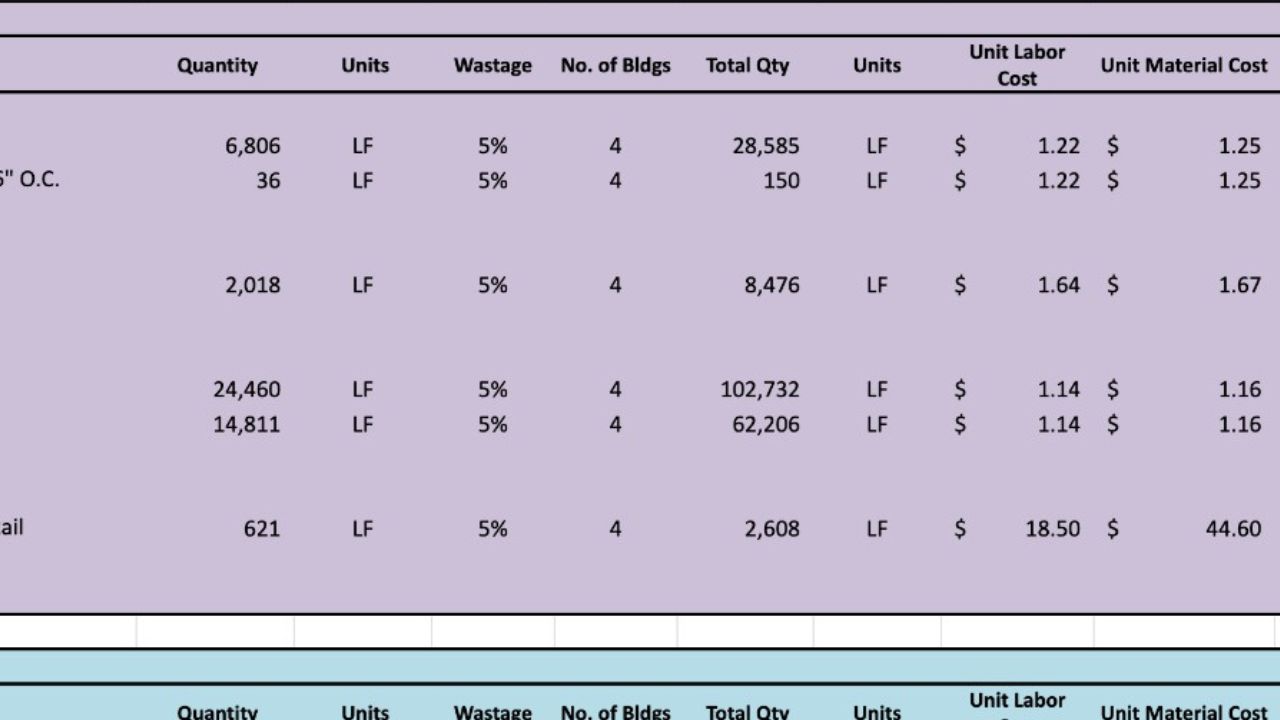
Before starting your project, we send you a quote for your service. That quote will have detailed information about your project. Here you will get information about the size, difficulty, complexity and bid date when determining pricing.
Our team will takeoff and estimate your project. When we deliver you’ll receive a PDF and an Excel file of your estimate. We can also offer construction lead generation services for the jobs you’d like to pursue further.
561-530-2845
info@estimatorflorida.com
Address
5245 Wiles Rd Apt 3-102 St. Pete Beach, FL 33073 United States
561-530-2845
info@estimatorflorida.com
Address
5245 Wiles Rd Apt 3-102 St. Pete Beach, FL 33073 United States
All copyright © Reserved | Designed By V Marketing Media | Disclaimer