Home Improvement Trends That Do and Don’t Add Value to Your Home
Home renovation trends move fast. One year, everyone wants bold tile and statement lighting. The next year, buyers want calmer finishes and cleaner lines. That can make planning upgrades feel tricky, especially if the goal includes resale value.
The good news is that value-adding renovations follow a few steady rules. Buyers pay for comfort, reliability, and a home that feels easy to move into. They hesitate when a remodel looks too personal, too fussy, or too expensive to maintain. The trends below help you sort upgrades into “worth it,” “maybe,” and “skip it.”
Start With Value Drivers Before You Start Shopping
Before picking finishes, be clear on what value means in your situation. A renovation that helps you sell quickly can be just as valuable as a renovation that adds a higher price. Local demand and buyer expectations matter, so look at recent comparable sales and note what those homes offered. If you plan to sell soon, ask a few local pros for candid input. Cash home buyers in Kansas City, for instance, revealed to us that buyers pay for certainty: functioning systems, a clean look, and repairs done right, so inspections do not turn into price cuts.
Next, separate structural value from style value. Structural value comes from roof condition, drainage, HVAC performance, electrical capacity, and plumbing reliability. Style value comes from kitchens, baths, flooring, and paint. Style changes are visible and satisfying, but structural issues can scare buyers away or trigger price reductions during inspection.
Finally, track “value” as a full package. A beautiful kitchen inside a house with old wiring or recurring moisture problems will not perform the way you want. Start with the fundamentals, then spend on the spaces buyers judge fastest.
Trends That Add Value: Kitchens That Feel Practical, Not Precious
Kitchens often make the strongest first impression, but the highest returns tend to come from smart, mid-range improvements. Think durable counters, clean cabinetry, upgraded lighting, and a layout that supports real cooking. Buyers like storage that makes sense, soft-close hardware, and thoughtful details like a pull-out bin cabinet or a pantry system.
Appliance upgrades can help when they fit the home’s price band. A consistent suite that matches in finish and quality can make the kitchen feel finished, even if you did not change every cabinet. If the budget is limited, focus on the items people touch daily: cabinet fronts, pulls, lighting, and the main work surfaces.
What usually does not pay back? Ultra-trendy choices that date quickly. Overly bold patterns, high-gloss surfaces that show every fingerprint, or fragile materials can look impressive on day one and stressful by day thirty.
Trends That Add Value: Bathrooms That Prioritise Comfort and Cleanliness
Bathrooms add value when they look clean, bright, and easy to maintain. Updated fixtures, better ventilation, fresh tilework, and a modern vanity can move the perception of the whole home. In many markets, a well-maintained primary bath and an updated secondary bath signal “well cared for,” helping buyers feel confident.
Walk-in showers remain popular because they look modern and feel convenient. The key is good waterproofing, proper slope, and a finish that stays attractive with normal cleaning. Frameless glass can look great, but it should feel sturdy and fit the space. A well-designed shower with a simple niche and quality hardware often performs better than a complex spa-style build.
Avoid improvements that make the room harder to use. Tiny floating vanities with no storage, dramatic vessel sinks that splash, and dark finishes that show water spots can frustrate buyers during showings.
Trends That Often Add Value: Energy Efficiency and Everyday Comfort
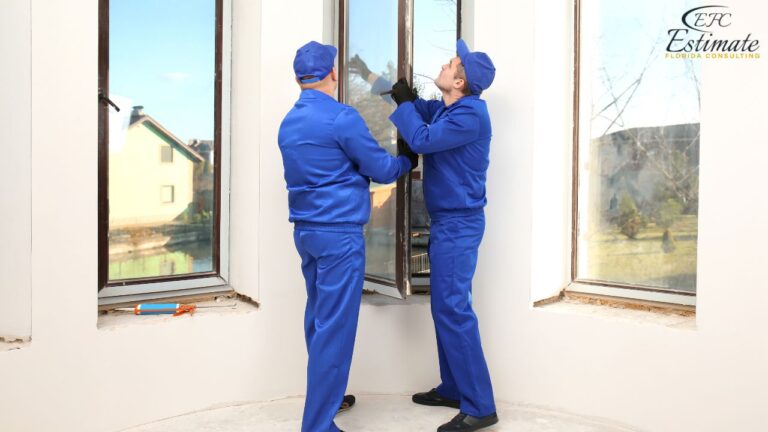
Energy and comfort upgrades can add value in two ways. They reduce operating costs and they make the house feel better during a walkthrough. Efficient windows, improved insulation, and updated heating and cooling can make rooms feel quieter and more stable in temperature. That comfort reads as quality.
Smaller upgrades can still matter. A smart thermostat, weather-stripping, and sealing drafts can improve day-to-day living and support stronger inspection outcomes. If you have an older home, upgrading electrical capacity or replacing outdated panels can remove a major buyer concern. It is not glamorous, but it can keep deals from falling apart late in the process.
Focus on upgrades you can document. Buyers respond well to clear receipts, warranty information, and a simple list of what was improved and when. A comfort upgrade feels more credible when it is proven, not guessed.
Trends That Can Go Either Way: Open Plans, Outdoor Living, and Smart-Home Features
Some trends add value in one neighbourhood and fall flat in another. Open-plan layouts can feel modern, but removing walls is risky if it harms the structure, reduces usable space, or removes storage. In many homes, a better approach is selective opening: wider doorways, better sightlines, improved lighting, and smoother flow, without turning everything into one large room.
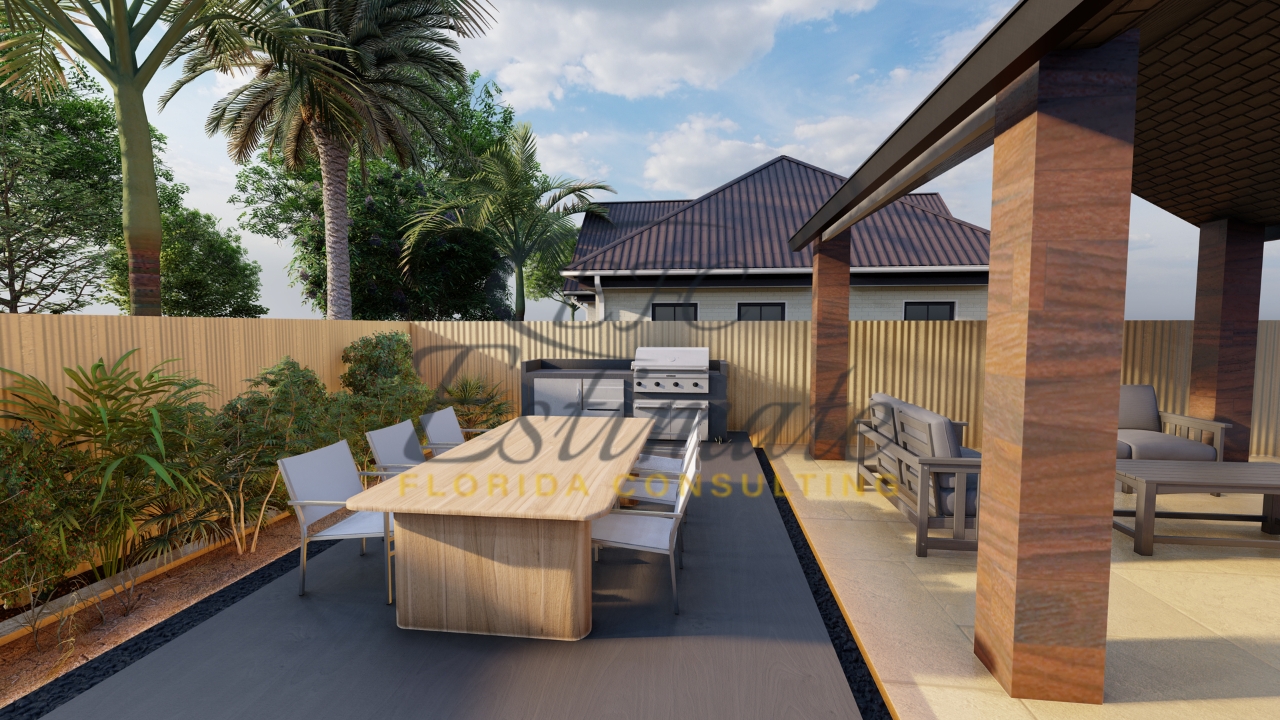
Outdoor upgrades can help when they create usable, low-maintenance space. A clean patio, good lighting, and a simple seating area can show well. Outdoor kitchens and elaborate features can work in higher-end markets, but they can also become “one more thing to maintain.” Keep outdoor improvements aligned with your local climate and the home’s target buyer.
Smart-home additions can be valuable when they are simple and reliable. A few well-chosen upgrades like smart locks, cameras, and lighting can feel modern. Overcomplicated systems that require special apps, subscriptions, or constant troubleshooting can turn into a negative.
Trends That Commonly Do Not Add Value: Over-Personalisation and Luxury Niches
Some upgrades feel exciting but do not translate into resale value. Highly specific design themes, bold colour schemes in permanent finishes, and custom built-ins that only suit one lifestyle can reduce your buyer pool. The same is true for rooms that become too specialised, such as turning a bedroom into a permanent studio with fixed equipment.
Luxury niches often disappoint on return. A high-end home cinema, a complicated wet bar, or exotic materials can cost a lot and still fail to raise the sale price proportionally. Buyers may admire it, then quietly calculate the maintenance and replacement cost.
Another value-killer is low-quality workmanship. DIY can be great for paint and small cosmetic upgrades, but poor tile alignment, uneven floors, or questionable electrical work can create inspection red flags. Buyers do not forgive shortcuts when they see them up close.
How to Choose the Right Trends for Your Home and Your Market
Start by matching upgrades to the home’s price range. A modest home with sensible improvements often sells faster than a modest home with one expensive showpiece and several ignored basics. Put money into the areas buyers judge quickly: kitchens, baths, flooring condition, paint, lighting, and curb appeal.
Next, plan the renovation order to keep work efficient. Fix water and structural concerns first. Then handle mechanical systems. Finish with surfaces and fixtures. This sequence reduces rework and protects new finishes from damage. It also keeps your renovation story clean when buyers ask what was done.
Finally, document everything and keep choices timeless. Neutral does not mean boring. It means flexible. Clean lines, durable materials, and quality installation tend to outlast trend cycles. If you want to express personality, do it with décor and easy-to-change elements, not permanent finishes that a future buyer must live with.