Fence Maintenance Tips for Coastal Areas
Enjoying the breathtaking views, refreshing breezes, and access to the ocean makes living near the coast a dream for many. Yet, as any coastal homeowner would know, the same environment that makes the location so desirable also poses challenges for maintaining your property.
High humidity, strong winds, and salt-laden air can take a toll on outdoor structures, particularly on windows, metal materials, and fences. If you happen to live near the shore and have invested in a fence for privacy, security, or even just the aesthetic appeal, taking extra care in its upkeep is essential. Let’s explore practical fence maintenance tips in detail, which can help you extend the lifespan of your investment.
1. Understand the Challenges of Coastal Environments
Recognizing threats helps homeowners understand why ordinary fence care routines may not be enough near the coast. Unlike inland locations, coastal properties face three main environmental stressors:
- Salt exposure: Salt particles from ocean spray or air currents cling to surfaces, causing corrosion in metal fences and accelerating deterioration in wood.
- Moisture and humidity: High levels of moisture promote mold, mildew, and rot in wood fences, and also degrade paints and coatings over time.
- Wind damage: Coastal winds are often strong and persistent, which can loosen fence posts, warp panels, or topple improperly secured structures.
2. Choose the Right Material From the Start
Material choice is your first line of defense when planning a new fence. Not all fencing materials perform equally in coastal climates. Consider:
- Wood: While wood offers natural charm, it requires heavy sealing and frequent maintenance in coastal areas to prevent rot and insect damage. Cedar and redwood are better options than pine due to their natural resistance.
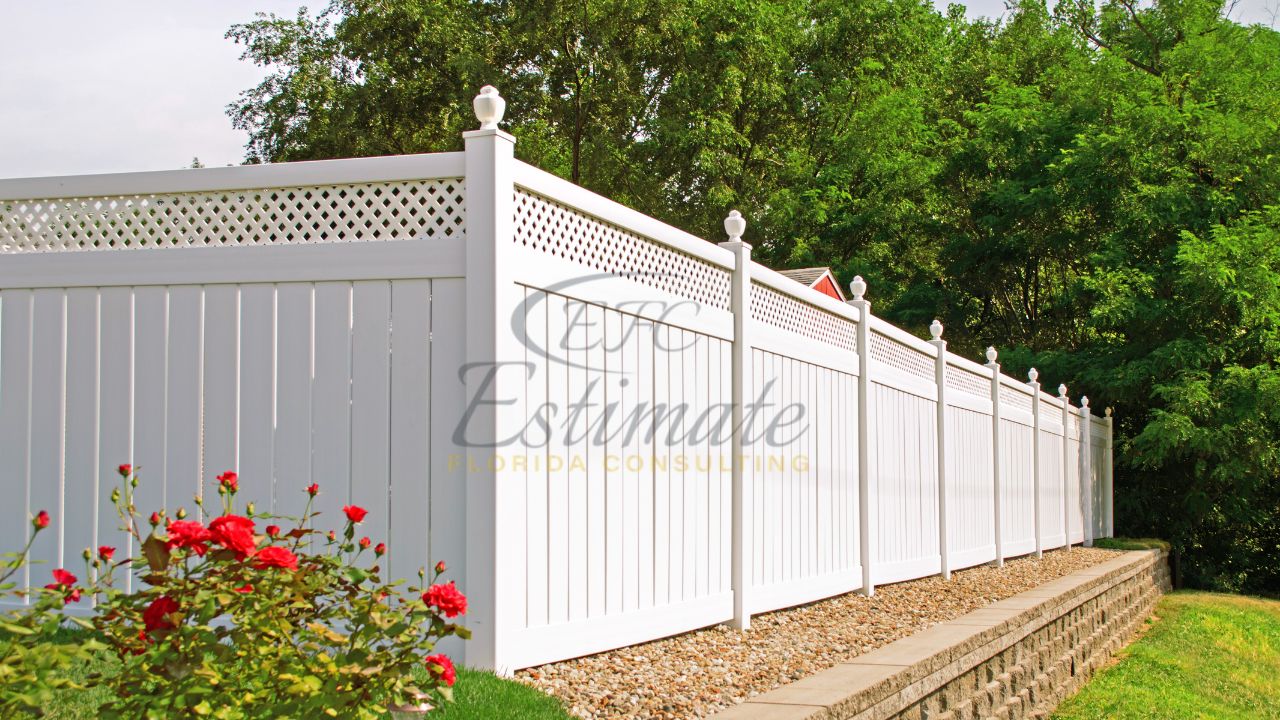
- Vinyl/PVC: This is one of the most popular options for coastal properties since it resists moisture, doesn’t corrode, and requires minimal upkeep.
- Aluminum: A great choice for coastal fencing, aluminum doesn’t rust like iron (it can still corrode) and can be powder-coated for additional protection.
3. Inspect and Repair After Storms
Coastal properties are more vulnerable to storms and hurricanes, which can wreak havoc on fencing. After severe weather, make it a habit to inspect your fence. Ensure that fence posts are still firmly set in the ground. Loose posts are more likely to fail in future storms. You must examine hinges, fasteners, and joints in metal or aluminum fences for signs of corrosion, cracks, rust, or wear.
Remember that you should fix small cracks, chips, or loose boards immediately. Postponing repairs often leads to larger structural failures. If the damage is extensive, reaching out to professionals such as Power Fence ensures the repairs are done correctly and built to last.
4. Regular Washing
Salt and sand build up quickly on surfaces near the ocean. If left unchecked, they eat away at coatings, finishes, and structural integrity. The simplest solution is regular cleaning. This consistent effort can keep your fence looking new and functioning longer.
- Rinse monthly: Spray down your fence with a garden hose once or twice a month to wash away salt, sand, and grime.
- Pressure wash annually: Use a pressure washer on a low setting to deep clean your fence once or twice a year. Be careful with wood, as too much pressure can damage it.
- Mildew treatment: For wood and vinyl fences, treat visible mildew with a mixture of water and white vinegar or a specialized outdoor cleaner.
Endnote
Owning property near the coast means balancing beauty with upkeep, and your fence is no exception. By making the correct decisions when installing and maintaining your fence and understanding the unique challenges of coastal environments, you can protect your investment and preserve your property’s appeal for a long time.