Commercial roofing in Florida is a critical component of commercial property maintenance, capital improvement planning, and asset lifecycle management. A properly designed and installed commercial roof directly impacts building envelope integrity, tenant operations, insurance compliance, storm resilience, and long-term real estate value. Whether serving retail centers, office buildings, warehouses, healthcare facilities, hospitality properties, or industrial complexes, experienced commercial roofing contractors Florida property owners trust play a decisive role in cost control, risk reduction, and roof performance.
Florida’s construction environment presents some of the most challenging conditions for commercial roofing systems nationwide. Prolonged UV exposure, heavy rainfall, coastal corrosion, high humidity, thermal expansion, tropical storms, and hurricane-force winds demand roofing assemblies that meet strict Florida Building Code, wind uplift resistance, HVHZ standards, energy-efficiency requirements, and waterproofing criteria. This professional guide, developed with insight from Estimate Florida Consulting, explains commercial roofing pricing, contractor selection factors, roofing material costs, and how accurate estimating supports predictable, cost-controlled roofing decisions.
Commercial Roofing Cost Overview in Florida
The typical commercial roofing cost in Florida generally ranges from $12.50 to $33.50 per square foot, depending on roofing system type, building footprint, roof slope, deck condition, insulation R-value, wind zone classification, and overall project complexity. Commercial roofing contractors calculate pricing based on labor intensity, material performance ratings, fastening patterns, waterproofing details, safety compliance requirements, staging logistics, and site accessibility.
Lower-cost commercial roofing projects often involve roof leak repairs, flat roof restoration, membrane patching, flashing replacement, or elastomeric coating systems, where the existing roof structure remains serviceable. Mid-range projects typically include full membrane replacement, tapered insulation installation, improved roof drainage, curb flashing, and code upgrades. High-end commercial roofing installations frequently require structural deck repairs, hurricane-rated metal roofing systems, enhanced edge securement, fire-rated assemblies, and long-term waterproofing solutions, all of which increase durability and service life.
Commercial Roofing Cost per Square Foot – Florida
| Roofing System | Typical Cost Per Sq Ft |
| Modified Bitumen Commercial Roofing | $12.60 – $20.30 |
| TPO Flat Roof Systems | $14.70 – $25.20 |
| EPDM Rubber Roofing | $14.00 – $24.50 |
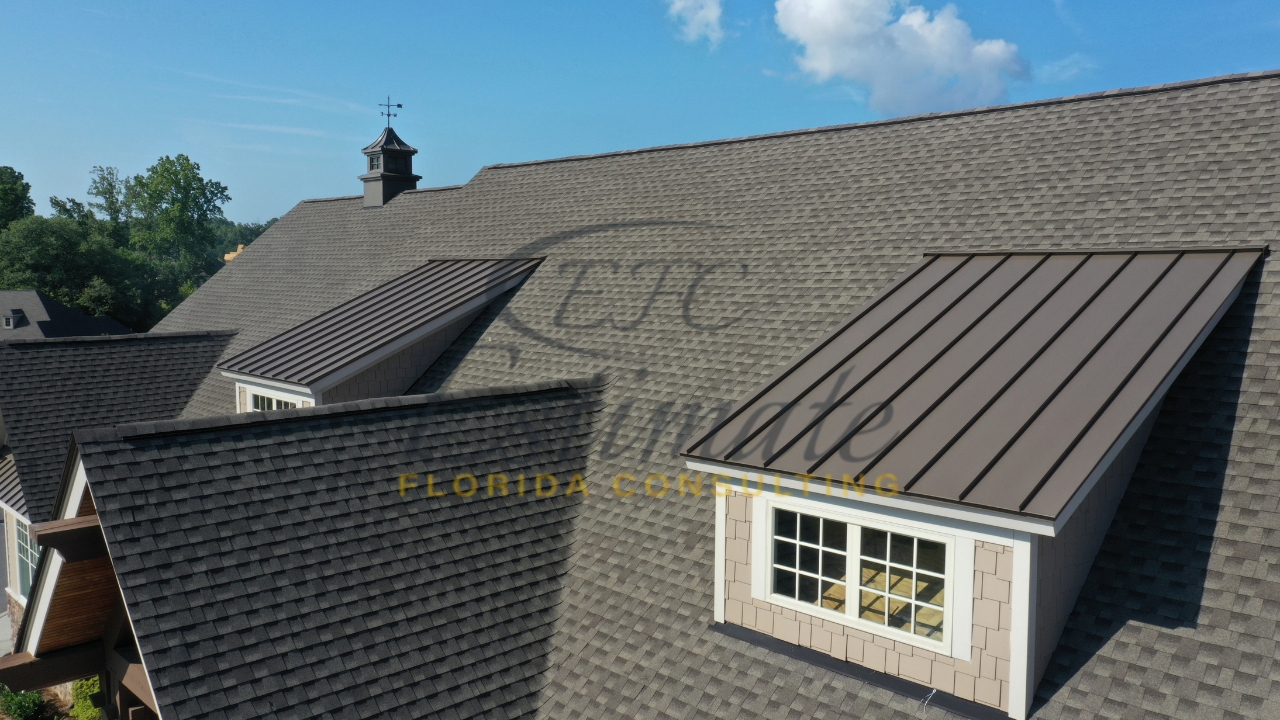
| Metal Commercial Roofing Systems | $19.60 – $33.60 |
| Roof Coating and Restoration Systems | $6.30 – $12.60 |
| Built-Up Roofing (BUR) | $15.40 – $27.30 |
Commercial roofing pricing varies based on geographic location, roof height, insulation thickness, wind uplift requirements, permitting jurisdiction, safety standards, and skilled labor availability throughout Florida.
Roof Repair, Roof Restoration, or Full Roof Replacement
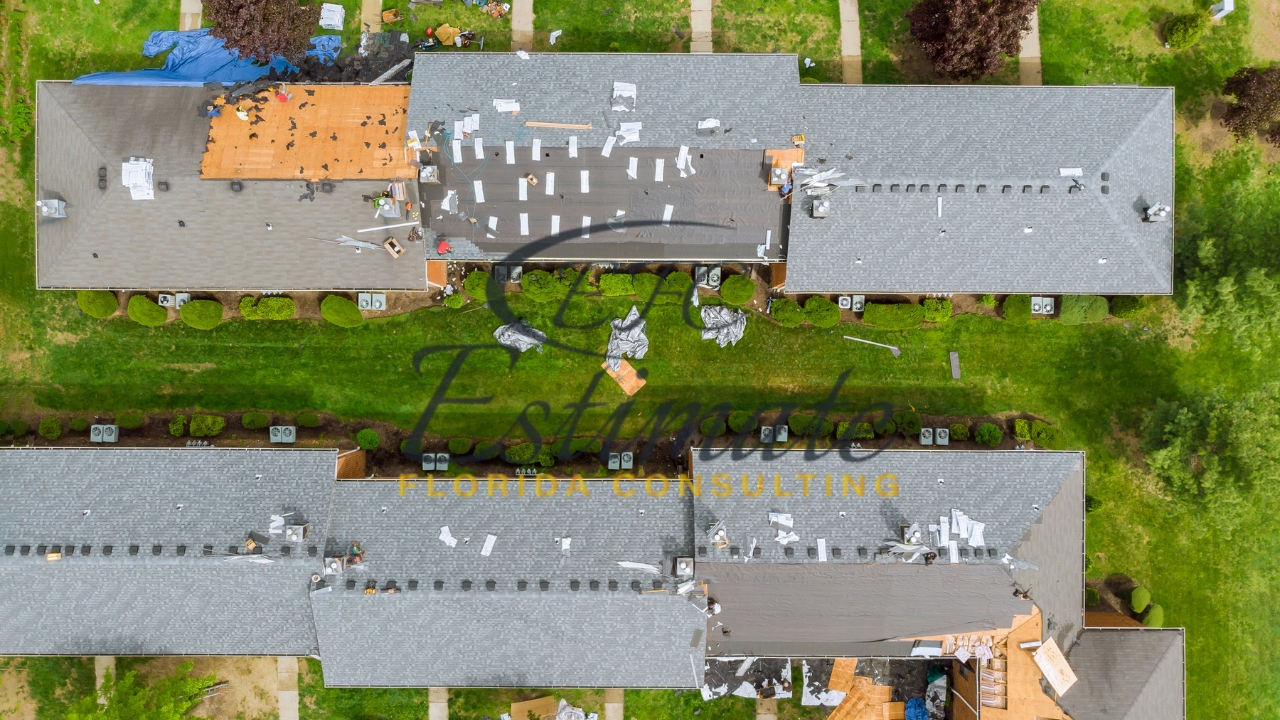
One of the most important decisions property owners face when working with commercial roofing contractors Florida businesses rely on is whether the roof qualifies for repair, restoration, or full replacement. Roof repairs typically address localized membrane damage, seam separation, flashing deterioration, punctures, drainage blockages, and minor water intrusion, offering lower upfront costs but limited lifecycle extension.
Roof restoration systems, including elastomeric coatings and reinforcement membranes, can extend roof performance when the underlying assembly remains structurally sound. Full commercial roof replacement involves complete system removal, substrate inspection, insulation replacement, new membrane or panel installation, flashing systems, and compliance with current Florida Building Code requirements. Although replacement has higher initial cost, it significantly reduces long-term maintenance expenses, emergency repairs, insurance exposure, and storm-related risk.
Commercial Roof Repair vs. Replacement Cost Comparison
| Scope of Work | Cost Per Sq Ft | Expected Outcome |
| Targeted Commercial Roof Repairs | $3.50 – $9.10 | Short-term leak mitigation |
| Roof Coating & Restoration | $6.30 – $12.60 | 5–10 year life extension |
| Partial Roof Replacement | $11.90 – $19.60 | Sectional system renewal |
| Full Commercial Roof Replacement | $16.80 – $33.50+ | 20–40 year service life |
Building Size, Roof Design, and Cost Impact
Commercial roofing costs do not scale proportionally with square footage due to fixed mobilization expenses, crane usage, fall protection systems, permitting fees, inspections, and contractor overhead. Smaller commercial buildings often experience higher per-square-foot costs, while larger facilities benefit from scale efficiencies but require greater coordination, staging areas, and safety planning.
Roof design complexity significantly affects pricing. Multiple penetrations, rooftop HVAC units, exhaust fans, skylights, parapet walls, slope transitions, drainage systems, and edge conditions increase labor hours and detailing requirements. Efficient roof design, early system selection, and comprehensive preconstruction assessments reduce installation delays, material waste, rework, and cost overruns.
Estimated Commercial Roofing Cost by Building Size
| Building Size | Estimated Total Cost |
| 5,000 sq ft | $77,000 – $168,000 |
| 10,000 sq ft | $154,000 – $336,000 |
| 25,000 sq ft | $385,000 – $840,000 |
| 50,000 sq ft | $770,000 – $1.68M |
| 100,000+ sq ft | $1.54M – $3.36M+ |
Final project pricing is influenced by wind exposure category, structural conditions, roof height, access limitations, and code compliance requirements.
Florida Building Code, Wind Uplift, and Hurricane Requirements
Commercial roofing contractors in Florida must meet some of the strictest roofing regulations in the country. Roofing systems must comply with wind uplift resistance, wind-driven rain protection, impact resistance, and High Velocity Hurricane Zone (HVHZ) standards. South Florida properties require approved product systems, reinforced fastening schedules, enhanced edge metal, and tested assemblies under Florida Product Approval and Miami-Dade NOA guidelines.
These requirements increase material quantities, labor hours, engineering documentation, inspections, and permit coordination, but they are essential for insurance acceptance, legal compliance, and long-term roof performance. Non-compliant roofing systems often result in failed inspections, denied insurance claims, accelerated deterioration, and premature roof failure.
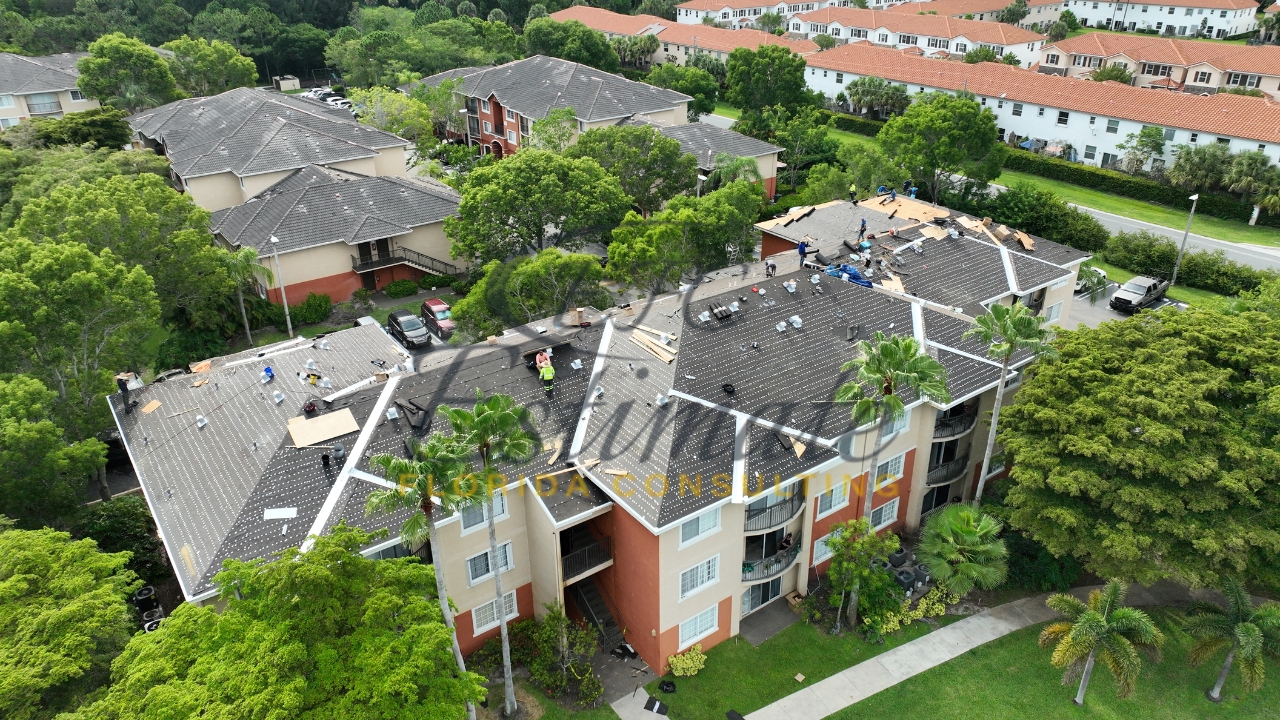
Energy-Efficient Commercial Roofing and Operating Cost Savings
Energy-efficient commercial roofing systems play an increasingly important role in Florida construction. Cool roof TPO membranes, insulated metal roofing panels, higher R-value insulation, vapor barriers, and reflective roof coatings reduce heat absorption and HVAC demand. While these systems may increase initial commercial roofing costs, they generate long-term operational savings, reduced energy consumption, improved indoor comfort, and extended equipment life.
Many Florida municipalities and utility providers offer energy rebates, tax incentives, and sustainability credits for qualifying roofing upgrades. Over the lifespan of the roof, these savings improve total cost of ownership and return on investment.
Labor Costs and Florida Commercial Roofing Market Conditions
Labor represents a significant portion of commercial roofing installation costs in Florida. Demand remains high for licensed roofing contractors, manufacturer-certified installers, safety-trained crews, project supervisors, and quality control inspectors, particularly during peak construction seasons and post-hurricane recovery periods.
Labor shortages often lead to higher bid pricing, extended schedules, and limited contractor availability. Early planning and professional cost estimating help stabilize budgets by accounting for labor market conditions, scheduling constraints, and regional pricing fluctuations.
Risk Management, Warranties, and Contingency Planning
Every commercial roofing project carries risk, including hidden deck deterioration, trapped moisture, material price escalation, weather delays, and scope changes. Without contingency planning, these risks frequently lead to cost overruns and project disruptions.
Professional roofing estimates include contingency allowances, escalation factors, system-specific risks, warranty coordination, and long-term maintenance considerations. Reputable contractors provide manufacturer-backed warranties, workmanship guarantees, and preventive maintenance programs that protect roof performance over time.
Why Accurate Commercial Roofing Cost Estimating Matters?
Many commercial roofing projects exceed budget because they rely on generic cost averages instead of project-specific construction data. Incomplete estimates often omit permits, inspections, crane rentals, safety compliance costs, temporary weather protection, and coordination with occupied facilities.
Accurate commercial roofing cost estimating improves pricing transparency, contractor bid evaluation, lender confidence, and budget predictability. It allows property owners to make data-driven decisions rather than reacting to unexpected cost increases during construction.
How Estimate Florida Consulting Supports Commercial Roofing Projects?
Estimate Florida Consulting delivers Florida-specific commercial roofing cost estimates that reflect real contractor pricing, regional labor conditions, code requirements, and current material market trends. Their estimating services help property owners compare bids accurately, identify financial risk early, and align roofing scope with budget and performance goals.
With improved cost visibility and planning, many clients achieve 10–20% overall cost efficiency, fewer change orders, and smoother project execution.
FAQs: Commercial Roofing Contractors Florida
What is the average commercial roofing cost in Florida?
Most projects range between $16.80 and $33.50 per square foot, depending on roofing system, building size, and wind zone requirements.
Which roofing systems are best for Florida’s climate?
TPO and metal roofing systems perform well due to durability, reflectivity, wind resistance, and moisture protection.
Are permits required for commercial roofing in Florida?
Yes. Most commercial roofing projects require permits, inspections, and code approvals.
How long does a commercial roof last?
Commercial roofing systems typically last 20 to 40 years with proper installation and maintenance.
Can roof coatings delay replacement?
Yes. Roof coatings can extend service life by 5 to 10 years when conditions are suitable.
Conclusion: Making Informed Commercial Roofing Decisions
Hiring experienced commercial roofing contractors Florida property owners trust is essential for managing installation costs, meeting regulatory requirements, and protecting long-term building value. Commercial roofing should be approached as a strategic capital investment, not a reactive expense.
With professional guidance from Estimate Florida Consulting, property owners gain clarity, cost control, and confidence, ensuring roofing decisions are compliant, durable, and financially sound.