California Construction Cost Disputes That Start With an Injury Claim
When someone gets hurt on a construction site, it’s rarely just about the medical bills or the long road to recovery—you’re suddenly staring down a whole mess of cost disputes that all trace back to that one incident. It’s crucial to understand how an injury claim can throw project budgets off balance, spark heated contractor-versus-owner arguments, and shake up insurance payouts—basically, all the things that could hit your wallet or your rights if you’re not careful. Here’s a look at how these financial battles tend to erupt in California and what sets them off.
You’ll get a sense of how an injury claim can fuel disagreements over workmanship, lead to arguments about delay penalties or withheld payments, and what your actual options are to sort out these disputes under California law.
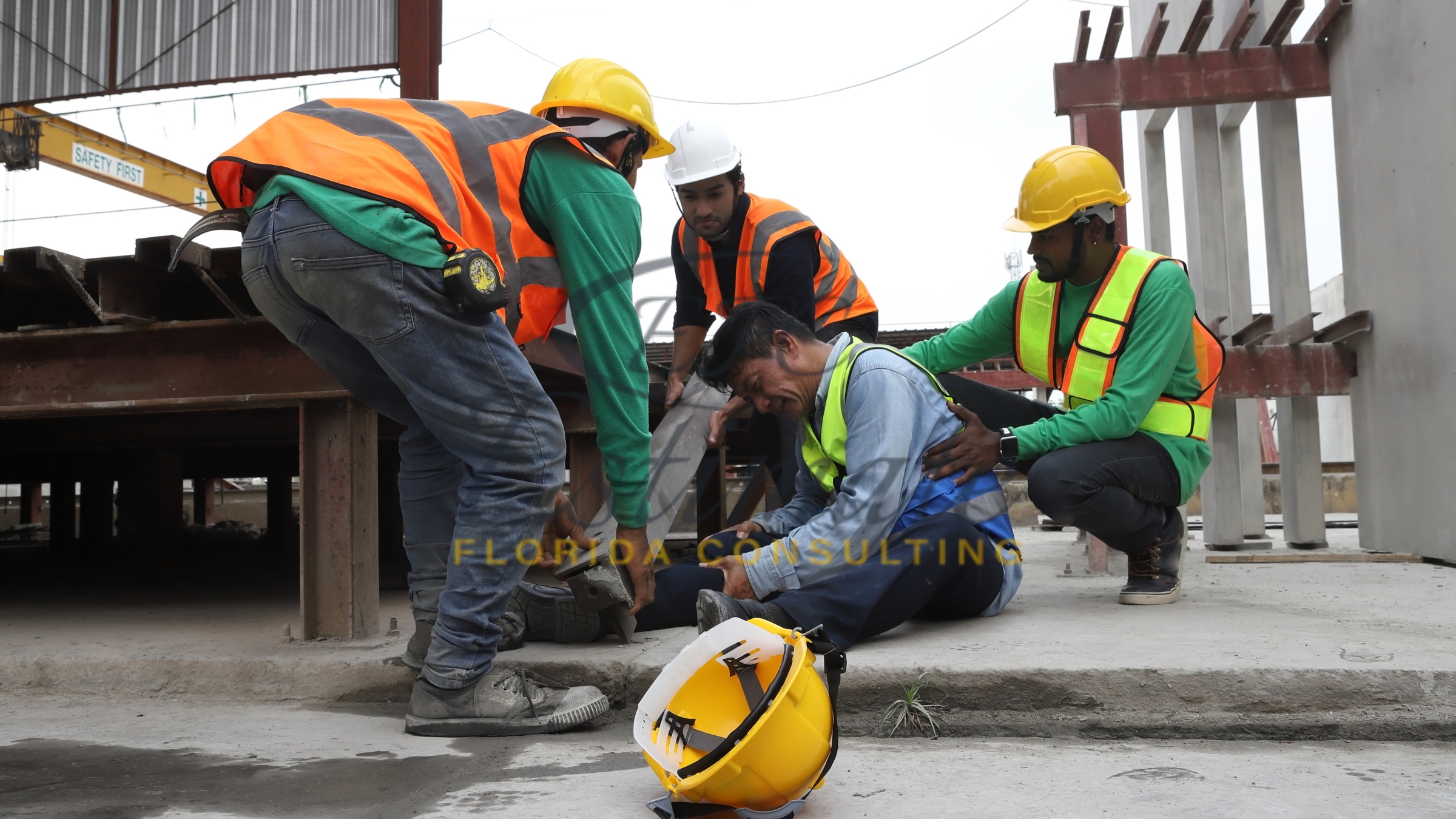
If you’re thinking about legal help after an injury, don’t wait too long—reaching out to California injury attorneys could make a real difference in protecting your claims and meeting important deadlines.
How Injury Claims Trigger Construction Cost Disputes?
When someone files an injury claim on a jobsite, it usually exposes hidden flaws, contract loopholes, and payment pressures that drag everyone into formal cost fights. It’s not just the injured worker—contractors and owners start pointing fingers about who’s actually on the hook for repairs, lost productivity, and all the ripple-effect financial fallout.
Common Scenarios: From Injury to Construction Dispute
Imagine a worker or even a visitor gets hurt because a scaffold wasn’t stable, a foundation edge was faulty, or guardrails were missing. That injury turns into a workers’ comp claim, or maybe a third-party lawsuit, and suddenly everyone’s focused on what went wrong with the work or materials.
Contractors might halt the job while an investigation unfolds. Owners, understandably, want things fixed right away, which leads to arguments over repair bills and lost time on the schedule. Subcontractors often get pulled in, too, facing claims about who’s responsible and who pays for what. Before you know it, there are separate claims flying around—repair costs, delay losses, and damages tied to the whole project being thrown off track.
Connection Between Injury Claims and Construction Defects
It’s pretty common for an injury claim to spark a thorough investigation into the site, uncovering shoddy workmanship or design mistakes. Lawyers for the injured party will document every defect they can find to build their case, which means a safety incident can quickly morph into a full-blown construction defect dispute.
Once a defect claim starts to stick, insurers, sureties, and contractors all start combing through the contracts and warranty terms. Things get complicated when one defect could trigger multiple insurance policies, or different trades might have contributed to the problem. The key question—did the defect actually cause the injury?—ends up driving who pays for repairs and any other damages that pile on.
Cost Recovery Challenges After Jobsite Injuries
Trying to recover repair costs after an injury isn’t simple. You have to prove what caused the problem, show exactly what needs fixing, and connect the dots between the defect and any knock-on financial losses. There’s usually a tug-of-war over whether something needs to be completely redone or just patched, and whether delay-related costs are even recoverable.
Insurance limits, anti-waiver clauses, and strict legal timelines can all get in the way. Contractors risk suspension rights and interest penalties if payments aren’t handled correctly. Owners, meanwhile, worry about padded repair bills and a flood of third-party claims. Getting your money back (or avoiding extra costs) really depends on having solid documentation, clear contract terms, and everyone—insurers, contractors, lawyers—staying coordinated.
Resolving California Construction Cost Disputes Following Injury
So, what can you actually do when extra costs pop up after a job site injury? This part walks through the practical steps: pre-filing notices, settlement talks, what happens if you end up in court, and some ways to protect yourself going forward.
Pre-Litigation and Notice Requirements
First step: dig out the construction contract and check for any clauses about notice requirements or deadlines for injury-related claims, change orders, or repair costs. In California, a lot of public works and even private contracts want written notice pretty quickly after a loss is discovered—miss that window, and you might lose your shot at recovery.
The injured worker’s employer, their insurer, and the property owner all need to pull together records as things happen: incident reports, medical bills, payroll, and daily logs showing labor and materials tied to repairs or delays. Mechanics lien rights can hinge on timely billing and sending out preliminary notices for unpaid work, so don’t let those deadlines slip. Usually, a lawyer will send a demand letter spelling out damages, the contractual reasons for extra costs, and a possible settlement to get talks started and lock down the evidence.
Alternative Dispute Resolution: Mediation and Arbitration
Most folks try mediation before anything else—it’s a way to hash out payment disputes, repair responsibilities, and lost productivity claims without dragging everything into the public eye. A neutral mediator works to help everyone find middle ground on medical costs, change order pricing, and schedule delays. Mediation is especially useful if people want to keep working together or just keep things quiet.
If the contract has mandatory arbitration, disputes go to a private panel—usually folks who know construction law—who’ll make the call on breaches, contract interpretation, or who’s owed extra costs. Arbitration skips some of the formal discovery that comes with court, which can speed things up when you’re dealing with technical stuff like shoddy work or scope changes. Just make sure you know the contract’s rules about when and how arbitration happens, how arbitrators are picked, and what you can (or can’t) appeal afterward.
Litigation, Appeals, and Enforcing Construction Claims
If talks break down, someone’s probably heading to court with a civil action for breach of contract, delay damages, or indemnity related to the injury. California courts allow full discovery—think depositions, document demands, motions to force evidence—all focused on what caused the injury and what extra costs actually tie back to it. The lawsuit needs to lay out facts supporting the contract, specific change orders, and a clear link between the injury and the extra expenses.
Winning a judgment opens up enforcement options: mechanics liens, wage or payment collection, or bond claims on public jobs. If you lose, you can appeal, but only on certain legal issues like whether the arbitration clause holds up or how the contract was interpreted—plus, those appeal deadlines come up fast. Always keep an eye on the statute of limitations and any contract terms that shorten your window to appeal or enforce a claim, or you could lose out before you even realize it.
Risk Management and Protecting Your Rights
Project stakeholders really ought to have written change-order procedures in place, stay on top of incident reporting, and keep all records in one spot—especially when it comes to connecting injuries with later cost increases. Both owners and contractors stand to gain from having crystal-clear payment terms, quick notice requirements, and insurance endorsements that actually cover those unexpected construction costs that can crop up after workplace injuries.
It’s smart to have legal counsel take a close look at any proposed settlement language, just to make sure you’re not accidentally waiving construction claims you didn’t mean to. Getting lawyers or maybe even an ADR neutral involved early on can help you figure out whether you’re stuck with mandatory arbitration, and if you should hang onto lien or bond rights. Doing regular contract audits and giving folks training on notice obligations? That’s a solid way to cut down on risk and put yourself in a better spot if you ever have to chase—or defend—extra construction costs.