












Bag Concrete Estimator

Leading provider of estimate services.

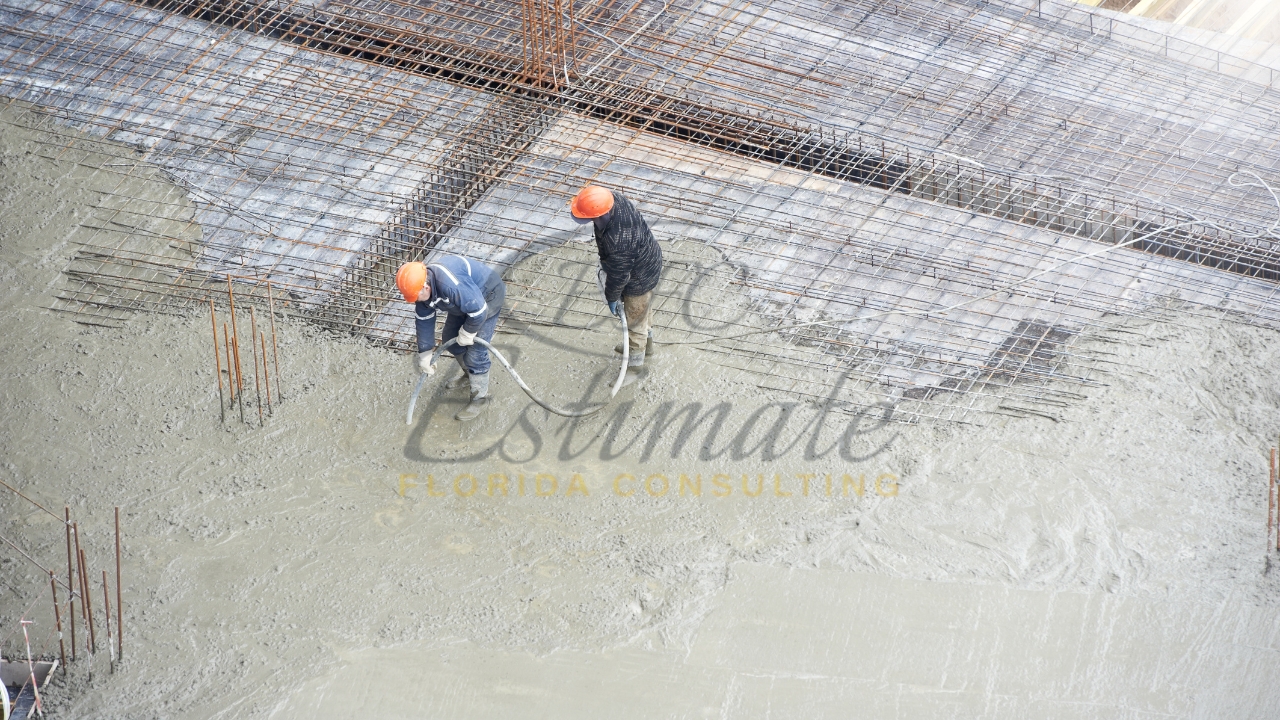
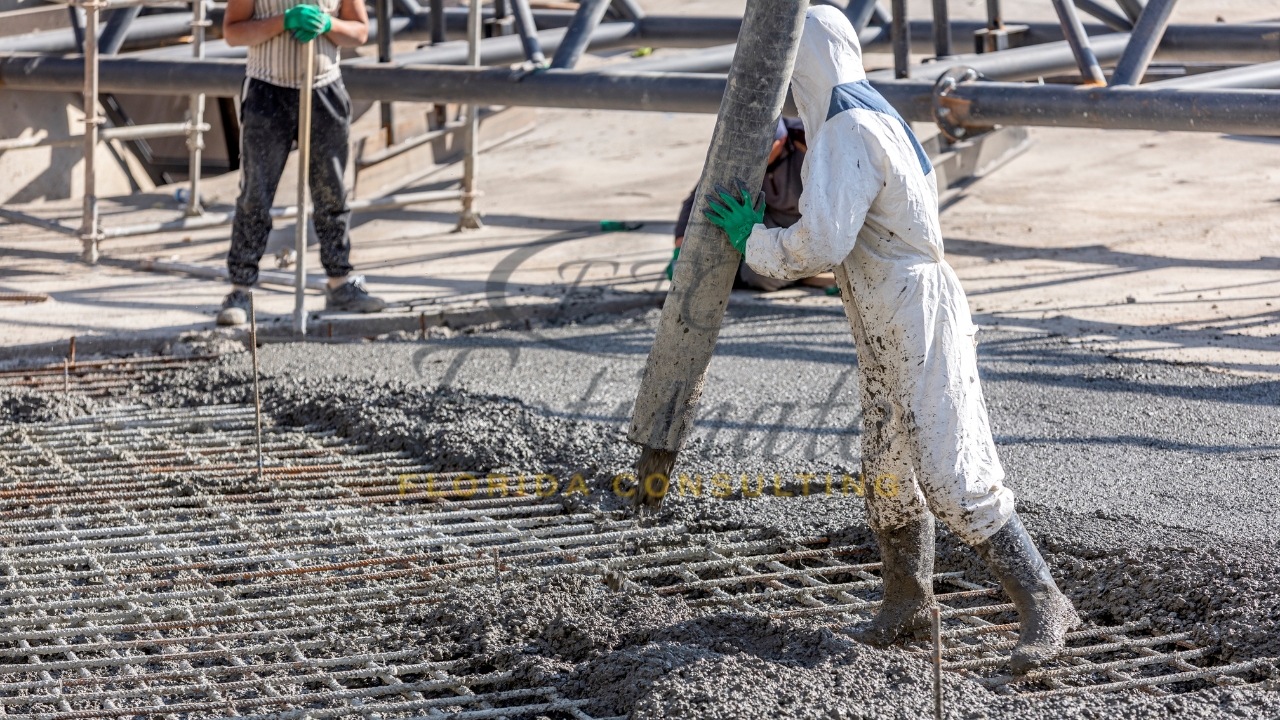
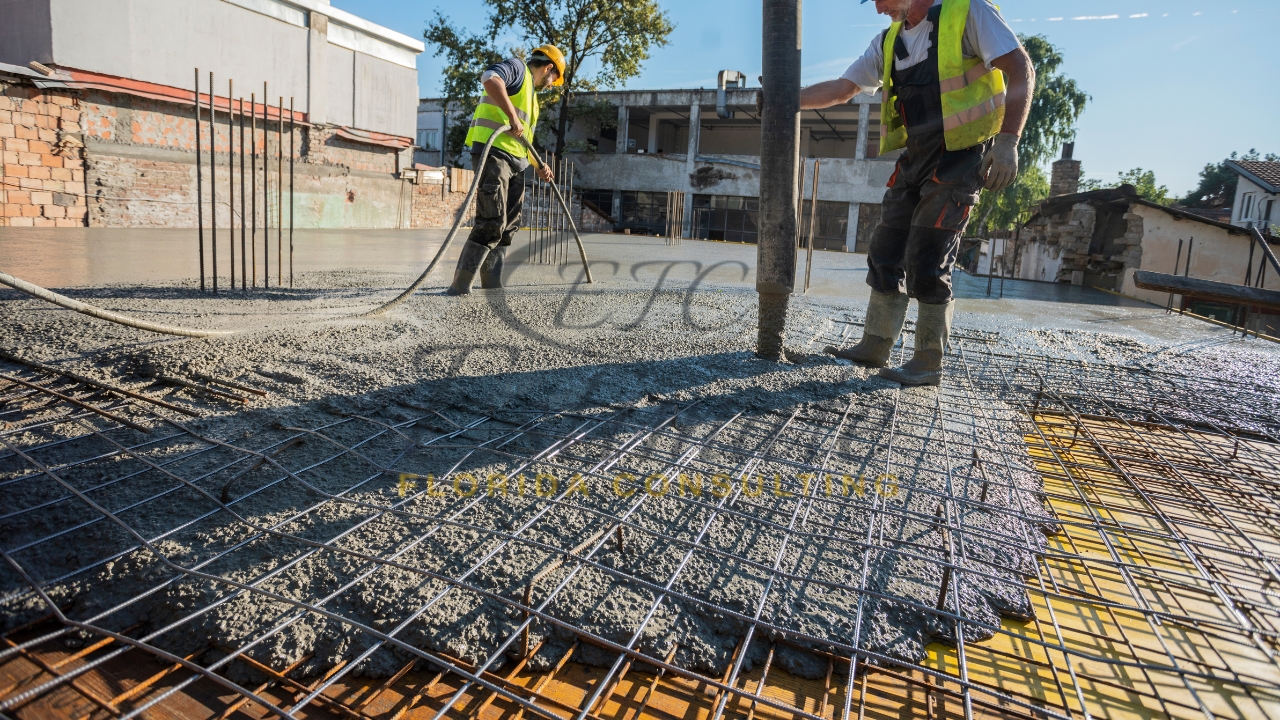
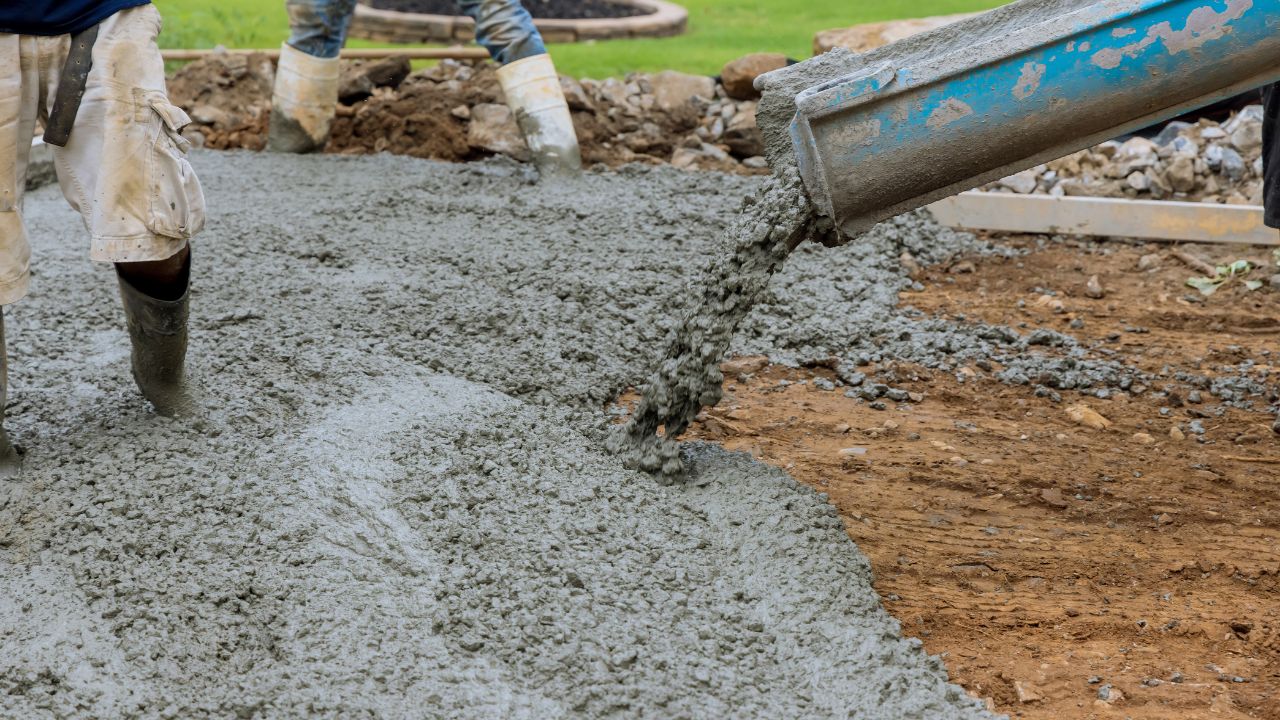
Estimating concrete correctly is one of the most important steps in any building or home improvement project. Whether you are pouring a small patio, installing fence posts, repairing a slab, or constructing a full driveway, knowing how many bags of concrete are required prevents both material shortages and unnecessary overspending. Unlike large-scale projects where ready-mix concrete is commonly delivered by truck, many residential and medium–scale projects in Florida rely on bagged concrete mixes because they are easy to transport, store, and mix. A bag concrete estimator helps calculate the right number of bags based on project size, thickness, reinforcement, and type of concrete being used.

Bag Concrete Estimator

Florida’s climate makes accurate bag estimating even more important. Heat, humidity, storms, and soil moisture influence curing time, mixing water, and reinforcement decisions. If too little concrete is purchased, work may stop midway, creating weak joints or cold seams. If too much is purchased, unused bags may harden due to moisture exposure. A detailed bag concrete estimate ensures the right quantity is purchased based on cubic volume—not rough guesswork.

Get a Quick
Estimate For Projects

What Is a Bag Concrete Estimator?

A bag concrete estimator is a calculation method or tool used to determine how many bags of ready-mix concrete are required for a project. Instead of ordering concrete by cubic yard, bag estimating converts the volume needed into the number of 40 lb, 50 lb, 60 lb, 80 lb, or 90 lb bags depending on the product selected.

A proper bag concrete estimate includes:

  • Total project volume in cubic feet or cubic yards

  • Bag size being used

  • Coverage capacity per bag

  • Waste factor

  • Reinforcement requirements

  • Water ratio and mixing method

  • Labor time based on number of batches

Estimating correctly reduces material waste, prevents inconsistency between batches, and ensures the project meets structural strength requirements.

Bag Concrete Sizes and Their Coverage

Bagged concrete comes in different sizes, and each provides a specific amount of volume when mixed. The table below shows typical coverage per bag:

Bag Size

Volume per Bag (Cubic Feet)

Approx Coverage

40 lb bag

0.30 cu.ft.

Small repairs & posts

50 lb bag

0.37 cu.ft.

Light slab work

60 lb bag

0.45 cu.ft.

Most DIY slabs & mixes

80 lb bag

0.60 cu.ft.

Driveways, slabs, walkways

90 lb bag

0.67 cu.ft.

High-strength large pours

Because coverage differs, choosing the right bag size affects the final quantity and total cost.

Get High-Quality 3D Rendering Services Today!

Transform your space with stunning 3D Rendering that blends style, comfort, and functionality.

We Specialize in Both Residential and Commercial 3D Rendering Projects.

Bag Concrete Cost in Florida

Prices vary slightly between cities and suppliers, but these are realistic averages across Florida:

Bag Size

Price per Bag

40 lb

$4.40 – $6.60

50 lb

$5.50 – $8.25

60 lb

$6.60 – $9.90

80 lb

$8.80 – $13.20

90 lb

$9.90 – $15.40

Specialty mixes (fast-setting, high-strength, fiber-reinforced, crack-resistant) cost more.

How to Calculate the Number of Bags Needed?

Bag calculation is based on volume, not square footage. The basic formula is:

Volume = Length × Width × Thickness

Then:

Number of Bags = Total Volume ÷ Volume Per Bag

A 10% waste factor is typically added to account for spillage, uneven ground, or mixing loss.

Example:

  • A 4 ft × 6 ft patio


  • Thickness: 4 inches (0.33 ft)

Volume = 4 × 6 × 0.33 = 7.92 cu.ft.

Using 80 lb bags (0.60 cu.ft. each):

7.92 ÷ 0.60 = 13.2 bags

+ 10% waste = 15 bags total

Bag Concrete Requirements by Project Type

Different concrete applications require different depths, reinforcement, and mix strength. A bag concrete estimator becomes useful when matching the project type with the correct formula so calculations remain consistent and realistic. Below are typical Florida use-cases and estimated bag quantities based on common thickness standards.

Project Type

Typical Thickness

Concrete Needed

80 lb Bags Needed (Per Sq.Ft.)

Fence or mailbox posts

Varies (6–12 in. diameter × 2–3 ft deep)

0.25–0.50 cu.ft. per hole

1–2 bags per post

Small repair patches

1–2 inch fill

Depends on repair area

Varies — typically 1–3 bags

AC pad / appliance pad

4 inches

0.33 cu.ft. per sq.ft.

1 bag per 2 sq.ft.

Shed / generator pad

4–5 inches

Standard slab calculation

1 bag per 1.5–2 sq.ft.

Patio slab

4 inches

0.33 cu.ft. per sq.ft.

40 bags per 60 sq.ft. approx.

Walkway

4 inches

Based on walkway length & width

1 bag per 1.5–2 sq.ft.

Driveway

5–6 inches

0.42–0.50 cu.ft. per sq.ft.

1 bag per ~1–1.3 sq.ft.

Footings / load-bearing slab

6–12 inches

Based on engineering specs

Usually bulk quantity (100+ bags)

Why project type affects quantity?

Concrete strength and thickness requirements depend on:

  • Vehicle weight

  • Soil stability

  • Reinforcement needs

  • Freeze-thaw risk (minimal in Florida but moisture matters)

  • Structural load

The more load-bearing the structure, the more concrete bags are required per square foot.

Bag Concrete Estimator

Bag Estimate Examples for Real Projects (Florida)

Here are real-world bag estimates using standard Florida construction dimensions.

Example A — 10 ft × 10 ft Patio at 4" Thickness

Volume = 10 × 10 × 0.33 = 33 cu.ft.

Divide by 0.60 cu.ft. per 80 lb bag:

33 ÷ 0.60 = 55 bags

Add 10% waste = 61 bags

Bag Size

Quantity Needed

60 lb bags

~74–78 bags

80 lb bags

~60–62 bags

90 lb bags

~54–56 bags

Example B — 12 ft × 20 ft Driveway at 5" Thickness

Volume = 12 × 20 × 0.42 = 100.8 cu.ft.

100.8 ÷ 0.60 = 168 bags

+10% waste = 185 bags

Example C — 4 Fence Posts (12" Diameter × 3' Deep)

Volume per hole = π × 0.5² × 3 = 2.35 cu.ft.

Total volume = 2.35 × 4 = 9.4 cu.ft.

9.4 ÷ 0.60 = 15.7 bags → round up to 18 bags

These examples demonstrate why bag estimates must be based on volume, not guesswork.

90% More Chances to Win Bids with Our Estimate!

Labor Cost for Bag Concrete Installation in Florida

Labor varies depending on whether the concrete is hand-mixed, mixed in a mechanical mixer, or poured from multiple small batches. Bag-mixed concrete often requires more effort than ready-mix concrete delivery.

Labor Type

Cost per Hour (Florida)

General concrete laborer

$22 – $38/hr

Skilled finisher

$30 – $55/hr

Mixer equipment operator

$30 – $50/hr

Crew minimum charge

$220 – $660 per job

Labor cost usually converts to:

Project Size

Installed Labor Cost per Sq.Ft.

Small jobs (<100 sq.ft.)

$6.60 – $13.20 per sq.ft.

Medium jobs (100–400 sq.ft.)

$4.40 – $9.90 per sq.ft.

Larger slab work

$3.85 – $8.25 per sq.ft.

Bag concrete takes longer because:

  • Mixing is slower

  • Water quantities must be precise

  • Batch consistency must be maintained

  • Wheelbarrow transport is manual

So labor cost may be higher than truck-delivered concrete.

Tools & Equipment to Include in a Bag Concrete Estimate

Equipment

Rental / Cost Range (Florida)

Concrete mixer rental (day rate)

$55 – $110

Wheelbarrow & hand tools

$25 – $55

Vibrating screed (optional)

$85 – $275/day

Reinforcement tools & cutters

$25 – $110

Delivery pallet fee

$55 – $165

Including these costs prevents underestimation, especially for DIY projects.

Florida Climate Considerations: Curing, Moisture & Storage

Florida’s climate plays a major role in how bagged concrete should be stored, mixed, poured, and cured. High humidity, heavy rainfall, salt exposure near coastal areas, and intense heat can affect both the working time and long-term strength of the concrete. A proper bag concrete estimate should factor in Florida-specific environmental considerations because they may increase labor time, reinforcement needs, curing strategy, or sealing requirements.

Bagged concrete must be stored carefully in Florida because humidity can harden or clump the mix even before opening. Once mixed, concrete sets faster in hot weather, which means additional labor may be required to spread, level, and finish before the surface stiffens. Rain can also wash away cement components or weaken early curing concrete if not protected. For larger pours using bags, breaks must be minimized because concrete dries unevenly when exposed to Florida heat and sunlight, which can increase the risk of cold joints.

Proper curing is essential. Without protection, rapid moisture loss from Florida heat can create surface cracks or reduce structural strength. 

Bag Concrete Estimator

Moist curing, shade cloths, curing blankets, or sealant sprays are often required to keep the slab hydrated as it cures. When estimating cost using bagged concrete, it’s important to include weather-related labor adjustments, storage precautions, temporary covering materials, and curing supplies to ensure a durable final product that aligns with Florida’s environmental conditions.

Common Mistakes When Estimating Bagged Concrete

Estimating bag concrete may seem simple, but several common oversights can result in shortages, overbuying, or weak structural performance. One of the most frequent mistakes is estimating based only on square footage without converting to volume or accounting for thickness. Another common error is failing to include a waste factor, which is essential to cover mixing spills, uneven soil absorption, or bag measurement inconsistencies.

Another mistake is choosing the wrong bag size. While the 60 lb and 80 lb bags are the most commonly used, some DIY users mistakenly buy smaller bags and end up increasing labor time significantly. Additionally, many calculations ignore reinforcement, sub-base compaction, or mixing water variations — all of which impact the final strength of the concrete.

Below are the most frequent estimating errors:

Mistake

Result

Not converting area to cubic volume

Shortage of bags

Forgetting 10–15% waste factor

Partial or mismatched batches

Using inconsistent bag sizes

Uneven strength and curing behavior

Ignoring reinforcement requirements

Slab cracks or deflection

Underestimating labor time

Higher-than-expected project cost

Not accounting for climate impact

Fast drying, cracks, weak finish

Correct estimating ensures a consistent, predictable project outcome and prevents quality issues during installation.

Mixing Bagged Concrete: Labor & Production Speed

Unlike ready-mix concrete delivery, bag concrete must be mixed in batches. The mixing speed depends on the method chosen:

Mixing Method

Productivity Rate

Best Use

Mixing by hand in wheelbarrow

4–6 bags per hour

Small repairs or post footing

Small portable mixer

15–25 bags per hour

Small patios, pads, repairs

Tow-behind or larger mixer

30–60 bags per hour

Driveways, walkways, shed slabs

Continuous on-site mixing system

100+ bags per hour

Larger slab installations

Estimators should match equipment with project scale. The slower the mixing method, the higher the labor cost — especially during Florida heat when concrete stiffens faster.

Reinforcement & Add-Ons Required in Bag Estimates

Concrete strength depends not only on the concrete mix, but also reinforcement, sub-base, and environmental protection materials. When estimating bag quantities, reinforcement and additional materials should be included in the cost breakdown.

Add-On Component

Price Range (Florida)

Rebar (No. 3 or No. 4)

$0.90 – $1.65 per ft.

Wire mesh

$0.55 – $1.10 per sq.ft.

Gravel or crushed stone base

$35 – $55 per ton

Concrete bonding adhesive

$6.60 – $22 per bottle

Expansion joints

$22 – $66 each

Surface sealer

$22 – $110 per gallon

These items are important for durability and should be included in a complete bag estimate.

Florida Bag Concrete Cost Examples by Project Size

Below are realistic Florida project estimates combining concrete bags, labor, equipment, reinforcement, and curing materials.

Project Size

Bag Count Estimate

Total Installed Cost Range

Small AC or generator pad (3×3 ft)

6–10 bags

$165 – $550

Walkway section (3×10 ft)

25–40 bags

$440 – $1,210

Patio (10×10 ft)

55–75 bags

$1,210 – $3,300

Large patio (12×20 ft)

140–200 bags

$3,850 – $7,700

Driveway (20×20 ft at 5″ thick)

220–300 bags

$5,500 – $12,100

These numbers vary depending on labor method, climate conditions, reinforcement, and finish requirements.

Final Summary

Bag concrete estimating is a step-by-step process based on calculating project volume, selecting the correct bag size, including reinforcement, accounting for waste, and considering climate conditions. Florida’s weather — including heat, moisture, and rain — adds additional planning factors that affect mixing, storing, curing, and finishing. A proper bag concrete estimate ensures accurate budgeting, consistent batching, reliable strength, and a durable finished surface.

Whether used for footings, fence posts, patios, walkways, or full driveway slabs, bag concrete estimation helps prevent material shortages, minimize waste, and plan for the correct tools and labor. With accurate calculation and proper construction planning, bagged concrete becomes a dependable option for small to mid-sized concrete applications across Florida.

Question Answer

Frequently Asked Question

A cubic yard contains 27 cubic feet. Using 80 lb bags (0.60 cu.ft. each), one yard requires 45 bags on average.

Only for small projects. Large projects usually cost less per square foot when ordering trucked concrete.

No — consistency matters. Always stick to the same bag size and mixing method for the entire project.

Initial set: 24–48 hours
Full cure: 28 days

Comprehensive Trade-Specific Estimates

At Estimate Florida Consulting, we offer detailed cost estimates across all major trades, ensuring no part of your project is overlooked. From the foundation to the finishing touches, our trade-specific estimates provide you with a complete and accurate breakdown of costs for any type of construction project.

Our Simple Process to Get Your Estimate

01

Upload Plans

Submit your project plans, blueprints, or relevant documents through our online form or via email.

02

Receive Quotation

We’ll review your project details and send you a quote based on your scope and requirements.

03

Confirmation

Confirm the details and finalize any adjustments to ensure the estimate meets your project needs.

04

Get Estimate

Receive your detailed, trade-specific estimate within 1-2 business days, ready for your project execution.

Get Started
Construction Cost Estimator
Client Trust Us

Our Clients & Partners

We pride ourselves on building strong, lasting relationships with our clients and partners across the construction industry.

Testimonials

What Our Clients Say?

We take pride in delivering accurate, timely, and reliable estimates that help contractors and builders win more projects. Our clients consistently praise our attention to detail, fast turnaround times, and the positive impact our estimates have on their businesses.

Estimate Florida Consulting has helped us win more bids with their fast and accurate estimates. We trust them for every project!

Marvelous Marble
Marvelous Marble Manager

Their estimates are always on time and on point, making budgeting much easier. We've saved time and money thanks to their services.

6 Star Contractors
6 Star Painting Contractor

Since using their services, we’ve secured more projects. Their attention to detail is second to none.

Patio Pools Driveways
Patio Pools and Driveway Contractor

Upload Plans Here