












Apartment Building Construction Cost Estimator in Los Angeles

Leading provider of estimating services.

Building an apartment building in Los Angeles is a complex, multifaceted project that requires careful planning, accurate cost estimation, and understanding of local regulations. From obtaining permits to selecting materials, choosing the right contractors, and coordinating labor, every phase of the project requires clear budget planning.

Los Angeles is one of the largest real estate markets in the U.S., with a high demand for multifamily housing. However, it also has one of the highest construction costs, driven by factors such as high labor rates, expensive materials, and stringent building codes.

Apartment Building Construction Cost Estimator in Los Angeles

Estimate Florida Consulting provides professional estimating services, helping developers, contractors, and property owners obtain accurate and reliable cost estimates for apartment building construction. We work to ensure that your project stays on budget, meets regulatory requirements, and delivers the desired outcomes.

Get a Quick
Estimate For Projects

Factors Affecting Apartment Building Construction Costs in Los Angeles

The cost of building an apartment complex in Los Angeles varies widely based on a number of factors. These include the size of the building, the number of units, the materials used, and the site conditions. Understanding these factors can help you better estimate the potential expenses involved in your project.

1. Building Type

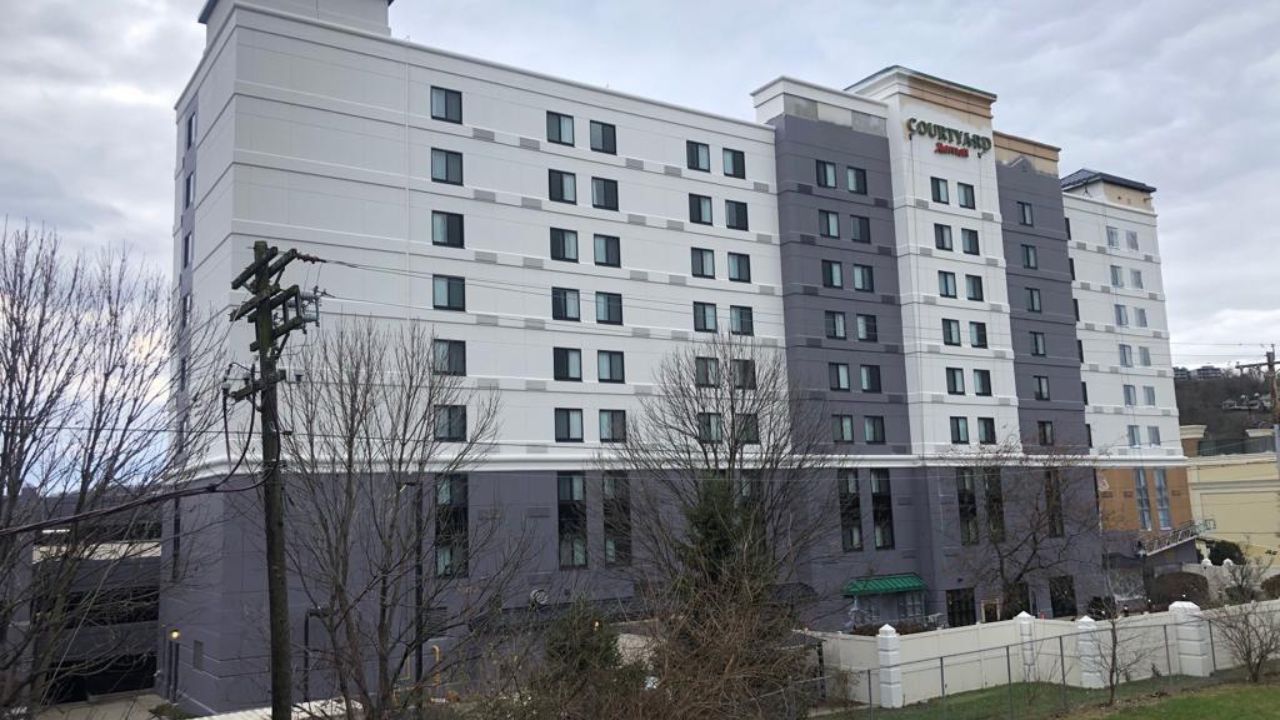
The type of apartment building you’re constructing will significantly impact the cost. Los Angeles apartment buildings can range from simple low-rise complexes to high-end mid-rise or high-rise towers.

Building Type

Estimated Cost per Sq.Ft. (Los Angeles)

Low-Rise (1-3 stories)

$200 – $350 per sq.ft.

Mid-Rise (4-8 stories)

$250 – $500 per sq.ft.

High-Rise (9+ stories)

$350 – $750 per sq.ft.

Low-rise buildings are generally less expensive to construct because they don’t require specialized structural work or complex engineering. However, as you increase the building’s height or the number of floors, the cost increases due to more complex foundation work, structural systems, and elevator installation.

2. Apartment Size and Units

The size of the building and the number of apartment units directly impacts the construction cost. Larger buildings with more units require more materials, labor, and potentially more specialized systems. The complexity of the apartment layouts (studio, 1-bedroom, 2-bedroom, etc.) can also impact costs.

Apartment Size

Estimated Cost per Unit (Los Angeles)

Studio

$100,000 – $200,000

1-Bedroom

$150,000 – $300,000

2-Bedroom

$200,000 – $400,000

Luxury Units

$350,000 – $700,000+

Luxury apartments, especially in high-demand areas of Los Angeles, can exceed $500,000 per unit, particularly if they are equipped with high-end finishes, smart home technologies, and extensive amenities.

Get High-Quality 3D Rendering Services Today!

Transform your space with stunning 3D Rendering that blends style, comfort, and functionality.

We Specialize in Both Residential and Commercial 3D Rendering Projects.

3. Foundation and Structural Systems

The foundation and structural system required for your apartment building will have a large impact on costs. The soil conditions in Los Angeles can vary significantly, and buildings located near fault lines or in seismic zones require specialized foundation work.

For example, buildings in seismic zones may require deep foundations such as caissons or pile foundations, which are much more expensive than shallow foundations.

Foundation Type

Estimated Cost per Sq.Ft.

Shallow Foundation (standard)

$5 – $15 per sq.ft.

Deep Foundation (caissons or piles)

$20 – $50 per sq.ft.

Seismic retrofitting may also be required for buildings in earthquake-prone areas, adding significant costs.

4. Materials and Finishes

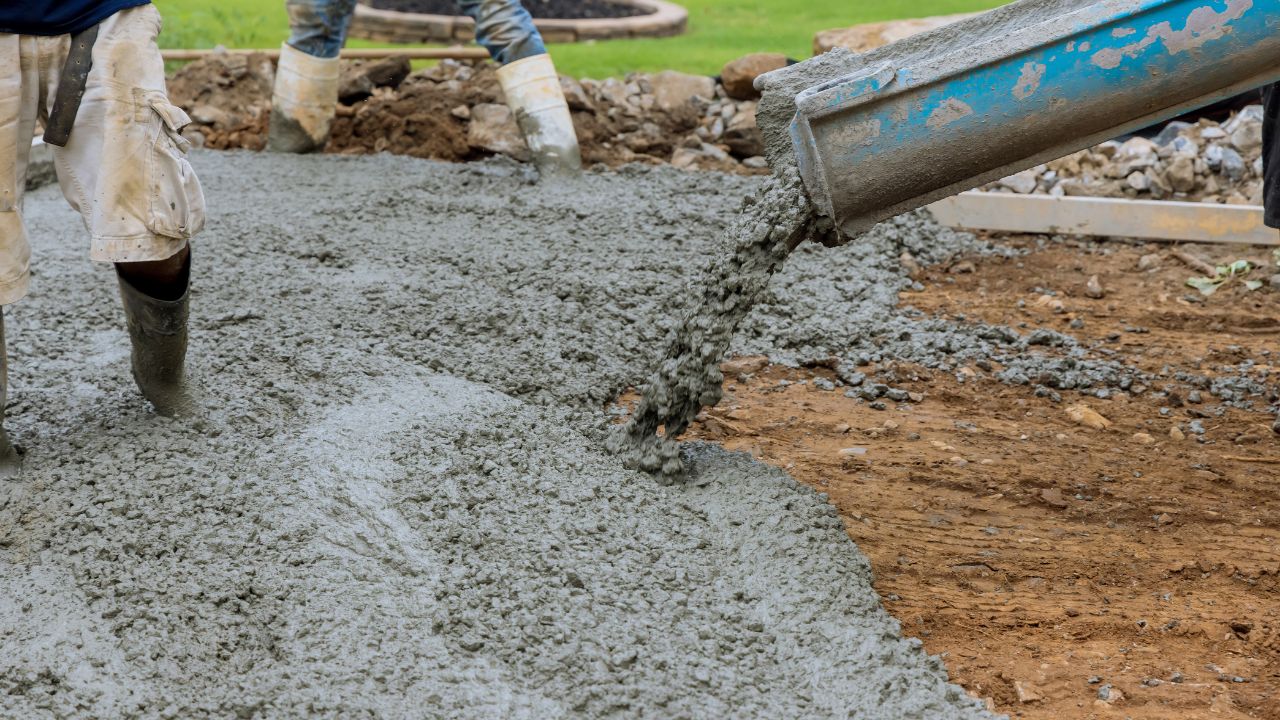
The materials you choose for the construction of your apartment building will significantly impact costs. For example, the cost of concrete, steel, wood framing, and insulation varies based on market availability, and the quality of finishes for both interior and exterior surfaces can raise or lower the overall budget.

Material Type

Cost Impact

Wood Framing

Least expensive

Steel Framing

Medium cost

Concrete (Precast or Cast-in-Place)

High cost

High-end finishes, such as marble countertops, custom cabinetry, premium flooring, and high-efficiency HVAC systems, can add a considerable amount to the budget. On the other hand, more basic finishes, such as laminate countertops, standard flooring, and less advanced mechanical systems, can lower overall costs.

5. MEP Systems (Mechanical, Electrical, and Plumbing)

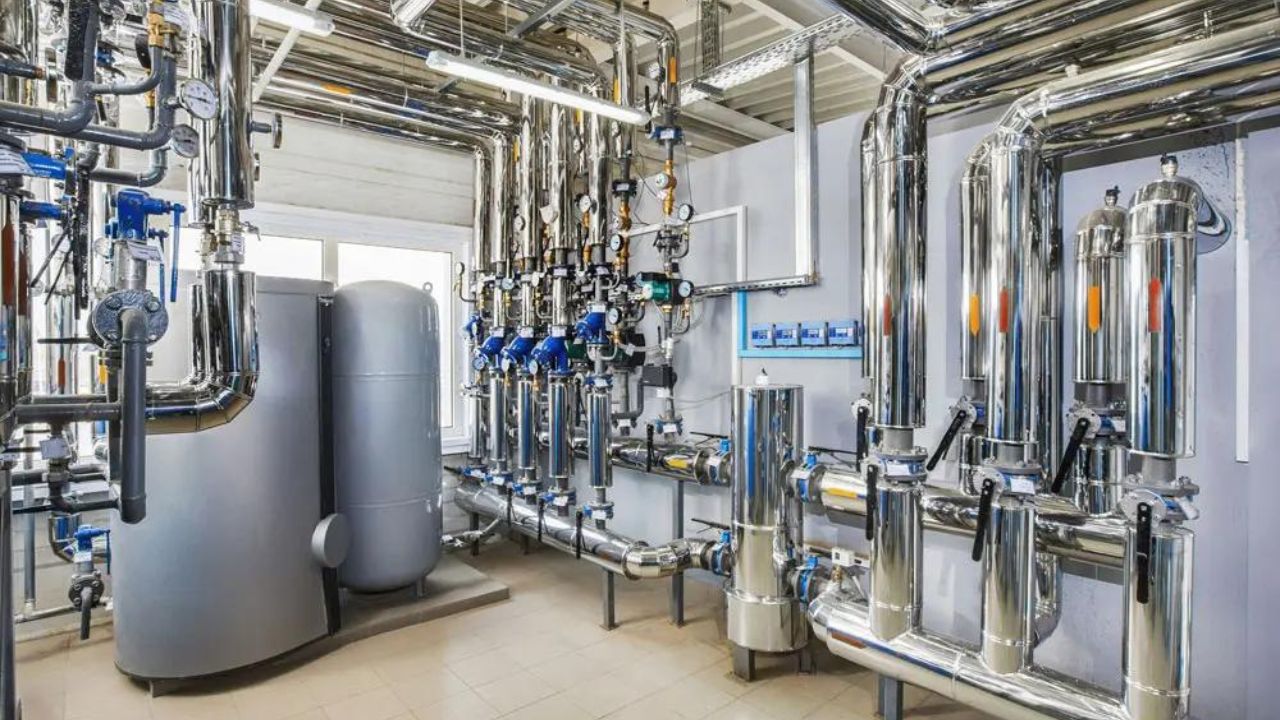
Apartment buildings require complex mechanical, electrical, and plumbing systems, all of which come with a significant price tag. Depending on the building’s size and usage, MEP systems may cost anywhere from $15 to $45 per square foot of space, with additional costs for energy-efficient systems or advanced building technologies.

System Type

Estimated Cost per Unit

Basic HVAC (standard units)

$5,000 – $20,000

Energy-efficient HVAC system

$10,000 – $30,000

Electrical Systems (low-rise)

$20,000 – $50,000

Plumbing Systems

$25,000 – $75,000+

High-rise apartment buildings or those with more advanced amenities (such as smart home systems) will require more advanced MEP systems and equipment, leading to higher costs.

6. Labor Costs

Labor costs in Los Angeles are among the highest in the nation, largely due to the high demand for skilled construction workers in the area. The cost of labor depends on the complexity of the building and the number of subcontractors involved.

  • General Contractors typically charge around $50 – $150 per hour for their services.

  • Skilled Tradesmen (carpenters, electricians, plumbers) charge $50 – $100 per hour on average, but rates can be higher during peak construction periods or in high-demand areas.

Labor costs may account for 30% – 40% of the total construction budget, depending on the scale of the project.

Permitting, Zoning, and Regulatory Considerations in Los Angeles

Los Angeles has strict building codes and zoning regulations, particularly for apartment buildings. Obtaining permits and ensuring that the project complies with these regulations is a crucial step in the construction process.

Permit Requirements

Building permits for apartment buildings in Los Angeles typically include:

  • Building permit

  • Plumbing, electrical, and mechanical permits

  • Fire safety permits

  • Seismic and foundation reviews

The permitting process in Los Angeles can take 3 to 12 months, depending on the project complexity, building height, and specific site considerations. Permit costs typically range from $10,000 to $50,000, with larger projects incurring higher fees.

Apartment Building Construction Cost Estimator in Los Angeles

Cost Examples for 10K, 50K, 100K Sq.Ft. Apartment Buildings in Los Angeles

The cost to build an apartment building in Los Angeles can vary dramatically depending on its size, location, and the complexity of the design. Below are estimated costs for constructing apartment buildings of varying sizes. These estimates consider factors such as structural systems, MEP installations, labor, sitework, and permitting.

10,000 Sq.Ft. Apartment Building (Small to Medium-Sized Complex)

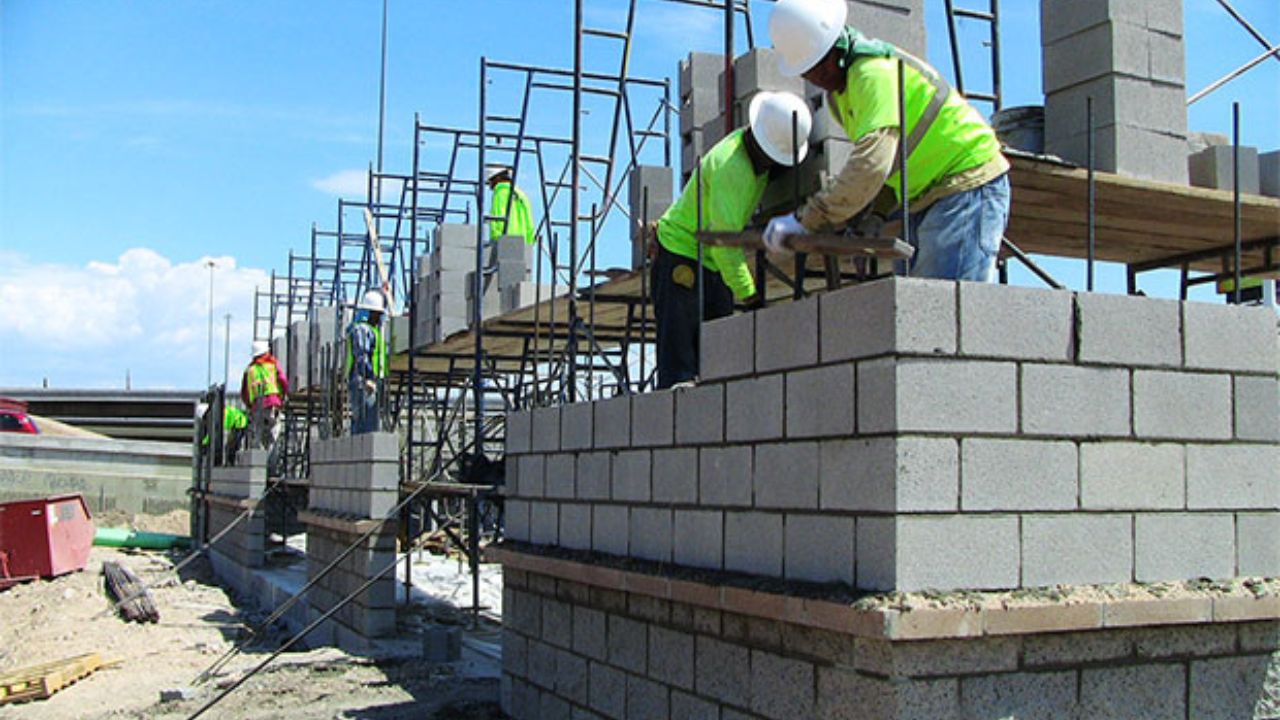
A 10,000 sq.ft. apartment building typically consists of 8–20 apartment units, with a low-rise structure or mid-rise development. For a building of this size, construction will focus on efficient use of space, affordable finishes, and basic MEP systems.

Cost Component

Estimated Cost

Site Preparation & Grading

$40,000 – $150,000

Concrete Foundation & Slab

$100,000 – $200,000

Steel or Wood Framing

$300,000 – $600,000

Exterior Cladding

$150,000 – $300,000

MEP Systems (HVAC, Plumbing, Electrical)

$250,000 – $600,000

Interior Finishes (Basic)

$150,000 – $300,000

Permits and Zoning

$10,000 – $50,000

Estimated Total:
👉 $850,000 – $2.2M

This cost range reflects an apartment building with basic finishes, without high-end features or advanced energy-efficient systems.

Want to Start Your Project with the Best Contractors?

Let’s Take Your Projects to the Next Level.

EMAIL info@estimatorflorida.com
PHONE 561-530-2845

& What's you will get:

  • Connecting You to Top Local Contractors
  • Professional Consulting, Contractors Near You
  • From Expert Advice to Local Contractor Connections 
We’re Here for You – Reach Out Today!

Contact Now

Let's discuss with a cup of coffee

50,000 Sq.Ft. Apartment Building (Medium-Sized Complex)

A 50,000 sq.ft. apartment building typically includes 50–100 units and may consist of several floors. These buildings require more intricate structural systems, increased MEP capacity, and enhanced interior features to meet the demands of a larger complex.

Cost Component

Estimated Cost

Site Preparation & Grading

$100,000 – $400,000

Concrete Foundation & Slab

$500,000 – $1.25M

Steel Framing & Exterior

$1M – $3M

Roofing & Windows

$200,000 – $500,000

MEP Systems

$800,000 – $2M

Interior Finishes

$400,000 – $900,000

Permits and Zoning

$25,000 – $75,000

Estimated Total:
👉 $3M – $8.75M

The price difference is attributed to the size of the project, more sophisticated systems, and additional interior upgrades.

100,000 Sq.Ft. Apartment Building (Large Complex or High-Rise)

For large-scale apartment buildings, such as a high-rise in central Los Angeles or a luxury apartment complex, the cost can be considerably higher. These buildings typically have 100–200 units, advanced HVAC, structural engineering, and luxury finishes.

Cost Component

Estimated Cost

Site Preparation & Grading

$200,000 – $750,000

Concrete Foundation & Slab

$1M – $3M

Steel Framing & High-Rise Systems

$5M – $15M

Exterior Envelope (Glass, Insulation)

$2M – $5M

MEP Systems

$1M – $5M

Interior Finishes (Luxury)

$1.5M – $4M

Permits and Zoning

$50,000 – $250,000

Estimated Total:
👉 $10M – $33M+

High-rise buildings have substantial additional costs related to vertical construction, elevator systems, fire protection, and building codes specific to Los Angeles’ seismic activity and urban density.

Cost Summary Table for Apartment Building Construction

Building Size

Estimated Total Cost

10,000 sq.ft.

$850,000 – $2.2M

50,000 sq.ft.

$3M – $8.75M

100,000 sq.ft.

$10M – $33M+

As you can see, the cost of construction increases not only with the size of the building but also with the complexity of the design, the number of units, and the finishes involved.

90% More Chances to Win Bids with Our Estimate!

Shipping Container Apartment Buildings vs Traditional Apartment Buildings

When considering building apartment complexes, developers may also consider shipping container buildings as a viable alternative. Shipping container apartments are more modular and can be a cost-effective way to create functional living spaces. Here’s a comparison:

Feature

Shipping Container Apartments

Traditional Apartments

Construction Cost

$55 – $250 per sq.ft.

$200 – $750 per sq.ft.

Speed of Construction

Faster (3–6 months)

Slower (6–18 months)

Scalability

Highly scalable (easy to add units)

Limited scalability (requires major construction)

Sustainability

High (recycled materials, energy efficiency)

Varies (depends on materials and design)

Maintenance

Higher maintenance due to rust and wear

Lower maintenance (stronger, long-lasting materials)

Shipping container buildings can provide affordable, sustainable, and flexible housing solutions, particularly for developers on a tight budget or in areas with high demand for smaller units.

Key Considerations for Choosing Between Shipping Container Apartments and Traditional Apartment Buildings

When planning to build an apartment building, deciding between shipping container apartments and traditional construction (steel, concrete, wood frame) involves evaluating several factors that influence the long-term viability of the project. While shipping container buildings offer affordability, speed, and flexibility, traditional buildings provide durability, scalability, and a larger range of customization.

Here are key factors to consider when making this decision.

1. Project Timeline and Speed of Construction

The speed at which you need your project completed is an essential factor.

  • Shipping Container Apartments: These projects typically take 3 to 6 months to complete, especially when you’re working with pre-made containers that require minimal assembly. Modular construction allows you to quickly stack or arrange containers and add necessary finishes, making them a great option for developers looking to meet short-term housing demands or rapidly expanding urban populations.

  • Traditional Apartment Buildings: Construction for a standard apartment complex, especially a mid-rise or high-rise building, can take anywhere from 9 months to 2 years, depending on complexity, height, and the permitting process. High-rise buildings in particular can take longer due to the need for detailed structural engineering, specialized trades, and complex infrastructure systems.

  • Consideration: If you’re on a strict timeline, shipping container apartments provide faster build-out times and can start generating revenue sooner.

2. Design Flexibility and Customization

Traditional apartment buildings generally offer far more design flexibility than shipping container apartments. With a conventional construction approach, you can create custom facades, diverse unit layouts, and expansive common areas that are difficult to achieve with containers.

  • Shipping Container Apartments: While shipping containers offer some degree of design flexibility, they still have limitations. Modifying containers requires cutting doors, windows, and ensuring the structural integrity of the container is maintained. The modular nature of containers allows for stacking and arranging, but the aesthetic and spatial limitations may not appeal to every project or developer.

  • Traditional Apartments: Traditional buildings allow for limitless customization. Architects can work with a wide variety of materials (e.g., concrete, steel, glass) to achieve the desired look, functionality, and efficiency. Traditional buildings can be designed for larger, more intricate floor plans, luxury units, and energy-efficient systems.

  • Consideration: If your project requires high-end finishes or highly customized spaces, traditional construction offers far more flexibility.

3. Building Codes and Permits

Building codes and regulations play a huge role in determining whether a shipping container or traditional apartment project will proceed smoothly.

  • Shipping Container Apartments: Shipping container buildings may face challenges meeting local building codes. Many cities, including Los Angeles, have not fully adapted their building codes to accommodate shipping containers as permanent structures. Developers need to obtain special permits, potentially modify the containers to meet local codes (seismic, fire, electrical), and ensure compliance with zoning laws.

  • Traditional Apartments: Conventional apartment buildings are subject to standard building codes and regulations that have been well-established and tested. Although the permitting process may be lengthy, it’s generally easier to navigate since the guidelines and requirements are well-known.
Apartment Building Construction Cost Estimator in Los Angeles
  • Consideration: If your building needs to meet very specific codes or is being built in a city with rigorous regulations, traditional construction may be a simpler route to ensure compliance.

4. Sustainability and Environmental Impact

If sustainability is a key part of your development strategy, both shipping container apartments and traditional buildings offer unique opportunities.

  • Shipping Container Apartments: Containers are recycled materials, making them an environmentally friendly option for developers looking to reduce waste and repurpose existing structures. Additionally, container buildings can be designed to be energy-efficient through proper insulation, solar panel integration, and smart systems. Their modular nature also allows for easy expansion without creating significant environmental disturbance.

  • Traditional Apartments: Traditional buildings can also be sustainable, especially if they incorporate green building certifications such as LEED or Passive House standards. With energy-efficient designs, advanced insulation, and eco-friendly materials, traditional construction can meet or exceed sustainability expectations. However, the embodied energy of building from scratch and the waste produced during construction can be higher than in shipping container projects.

  • Consideration: If sustainability is a primary concern, shipping containers may provide an edge due to their recyclable nature and minimal environmental impact compared to new construction.

5. Long-Term Durability and Maintenance Costs

While shipping containers are known for their strength, they do require ongoing maintenance, especially in areas with high humidity, saltwater exposure, or extreme weather conditions.

  • Shipping Container Apartments: Shipping container buildings are durable, but they require regular maintenance to prevent rust, corrosion, and moisture damage, especially in areas like Los Angeles that experience salt air near the coast. Insulation, sealing, and rust prevention coatings must be applied periodically to ensure the longevity of the structure.

  • Traditional Apartments: Steel and concrete buildings are highly durable and typically require less frequent maintenance. Their fire-resistant nature, combined with the materials’ resistance to weather damage, means they often have a longer lifespan without major repairs. However, they are not immune to wear and tear, especially on finishes and mechanical systems.

  • Consideration: If long-term durability and low maintenance are top priorities, traditional construction may offer a lower total cost of ownership over time.

6. Overall Cost-Effectiveness

Both options have cost advantages, but the final choice often depends on the scale, complexity, and location of the project.

  • Shipping Container Apartments: Shipping container projects tend to be more affordable for smaller or modular builds. However, they often require more upfront work in terms of cutting, welding, and sealing containers, as well as ensuring they meet code. Maintenance costs may also be higher over time if rust and corrosion are not properly managed.

  • Traditional Apartments: The initial cost for traditional apartment buildings is generally higher due to material, labor, and design complexity. However, the long-term value, particularly in high-density areas like Los Angeles, often outweighs these initial costs. Traditional buildings offer more scalable solutions for large projects, with better financing options available due to their proven track record.

  • Consideration: For small-scale or quick-to-market projects, shipping containers can offer a more affordable and fast solution. However, for large developments or projects with high customization requirements, traditional construction may provide better long-term cost-effectiveness.

Get 5 New Projects in the Next 7 Days With Our System

Conclusion

Choosing between shipping container apartments and traditional apartment construction depends on the goals of your project, the market you are serving, and the specific conditions of the site. Shipping containers offer flexibility, quick build-out, and lower upfront costs, making them ideal for temporary or modular housing solutions. However, traditional apartment buildings are better suited for larger projects, high-end finishes, and long-term investments in high-demand urban locations like Los Angeles.

Both options have their advantages, and Estimate Florida Consulting is here to help you navigate the complexities of cost estimation, permitting, zoning, and construction for your apartment building project. We provide accurate and comprehensive estimates that ensure your project stays within budget while meeting your design and functionality goals.

Question Answer

Frequently Asked Question

The cost to build an apartment building in Los Angeles can vary significantly depending on factors such as size, location, and the type of building being constructed. On average, apartment buildings cost between $200 to $750 per sq.ft. for traditional construction. Shipping container-based buildings can be a more affordable option, typically costing between $55 to $250 per sq.ft..

The biggest cost drivers in apartment building construction include:

  • Land acquisition: Real estate prices in Los Angeles are high, especially in areas close to the city center.

  • Materials: The choice of materials, such as concrete, steel, and wood, can significantly affect costs.

  • Labor: Skilled labor in Los Angeles is costly due to high demand and strict labor laws.

  • Permitting and zoning: Navigating Los Angeles' complex permitting process can take time and result in additional costs.

  • MEP systems (mechanical, electrical, plumbing): These systems can be a significant portion of the budget, especially for high-rise buildings.

The timeline for building an apartment complex depends on the size and complexity of the project. A small apartment building (5,000–10,000 sq.ft.) can take 6–12 months to complete, while larger buildings (50,000–100,000 sq.ft.) may take 1–2 years or longer. High-rise buildings with complex engineering and specialized systems may take up to 3 years to complete.

Yes, building a high-rise apartment building in Los Angeles involves several additional costs, including:

  • Structural systems: More complex foundation and structural work, such as core systems and elevator shafts.

  • Seismic requirements: Los Angeles is in a high-risk earthquake zone, which means that high-rise buildings require specific seismic reinforcement.

  • Elevators and vertical transportation: High-rise buildings require multiple elevators, which add both installation and maintenance costs.

  • Fire protection: High-rise buildings need advanced fire suppression systems and emergency evacuation plans, which can be costly.

Shipping container apartment buildings are generally more affordable upfront compared to traditional apartment buildings. They require fewer materials, are faster to construct, and involve lower labor costs. However, shipping container buildings may have additional maintenance costs due to rust and wear, and may require more modifications to meet local building codes. Traditional buildings offer better long-term durability and more design flexibility but have higher initial construction costs.

Building permits are required for most construction projects in Los Angeles, including apartment buildings. Key permits include:

  • Building Permit: Covers the overall structure and systems.

  • Mechanical, Electrical, and Plumbing (MEP) Permits: Required for HVAC, electrical systems, and plumbing installations.

  • Fire Safety Permit: For fire alarms, sprinklers, and fire-rated systems.

  • Zoning and Land Use Permits: Ensures the project complies with local zoning laws.

The permitting process in Los Angeles can take 3–12 months, and permit costs typically range from $10,000 to $50,000, depending on the size and complexity of the project.

Comprehensive Trade-Specific Estimates

At Estimate Florida Consulting, we offer detailed cost estimates across all major trades, ensuring no part of your project is overlooked. From the foundation to the finishing touches, our trade-specific estimates provide you with a complete and accurate breakdown of costs for any type of construction project.

Our Simple Process to Get Your Estimate

01

Upload Plans

Submit your project plans, blueprints, or relevant documents through our online form or via email.

02

Receive Quotation

We’ll review your project details and send you a quote based on your scope and requirements.

03

Confirmation

Confirm the details and finalize any adjustments to ensure the estimate meets your project needs.

04

Get Estimate

Receive your detailed, trade-specific estimate within 1-2 business days, ready for your project execution.

Get Started
Construction Cost Estimator
Client Trust Us

Our Clients & Partners

We pride ourselves on building strong, lasting relationships with our clients and partners across the construction industry.

Testimonials

What Our Clients Say?

We take pride in delivering accurate, timely, and reliable estimates that help contractors and builders win more projects. Our clients consistently praise our attention to detail, fast turnaround times, and the positive impact our estimates have on their businesses.

Estimate Florida Consulting has helped us win more bids with their fast and accurate estimates. We trust them for every project!

Marvelous Marble
Marvelous Marble Manager

Their estimates are always on time and on point, making budgeting much easier. We've saved time and money thanks to their services.

6 Star Contractors
6 Star Painting Contractor

Since using their services, we’ve secured more projects. Their attention to detail is second to none.

Patio Pools Driveways
Patio Pools and Driveway Contractor

Upload Plans Here