Addressing the Gap Between Vision and Budget in Rental Design
One of the best things a good landlord can offer their tenants is a place that makes them feel at home and encourages them to stay. With the right budget and design, a rental home can do exactly this. However, the confusion that often accompanies balancing your design ideas and your budget is one of the most difficult aspects of rental design.
You approach your project with bustling enthusiasm and several moodboards, only to find that your lovely vision is much beyond your financial means. What then do you do? Continue reading as this guide aims to answer the question of how to bridge the gap between vision and budget in rental design.
Understanding the Vision vs Budget Challenge
1. Property Goals
Setting property goals helps determine which features and improvements will offer the highest appeal and profit within a budget. That’s why the tension between vision and budget in a rental project is best understood by establishing clear property goals. It is important to define the demographic profile of the target tenants and design a set of features that target that demographic. It’s also key to create a functional and attractive property within the budget, ensure durability and maintenance are efficient, and protect long-term ownership investments.
Defining the target tenant profile will set the stage for what property features align with what renters value most, whether it is the number of available rooms, amenities, or being near schools or transit. The profile and resultant vision will allow one to avoid spending money on features that add value to the property for marketability or increase rents, while adhering closer to a financial scope of work or budget. You can work with experienced property managers to align these upgrades with your long-term rental goals.
2. Budget Realities
Budget realities in the vision vs. budget challenge for leasing design result from realizing what the landlord or designer would like to see compared to what is financially feasible. In this situation, the location of the rental property greatly impacts construction costs, as well as any income generation from the rental property. Therefore, it will require a landlord or designer to assess what the costs are for land and any potential construction, relative to the local market.
Streamlined and straightforward designs will also minimize construction-related costs without sacrificing tenant pots and functionality. Materials need to balance durability, ease of maintenance, and cost, with a trend toward using pre-fab and energy-efficient materials to minimize labor and long-term costs. Hiring experience is costly upfront, but it keeps the project on budget and limits more costly mistakes.
Cost-Effective Design Strategies
1. Using Rental-Friendly Materials
Utilizing rental-friendly products is an extremely effective cost-saving design strategy, and one that offers you options for durability, ease of maintenance, tenant satisfaction, and a cost-effective choice.
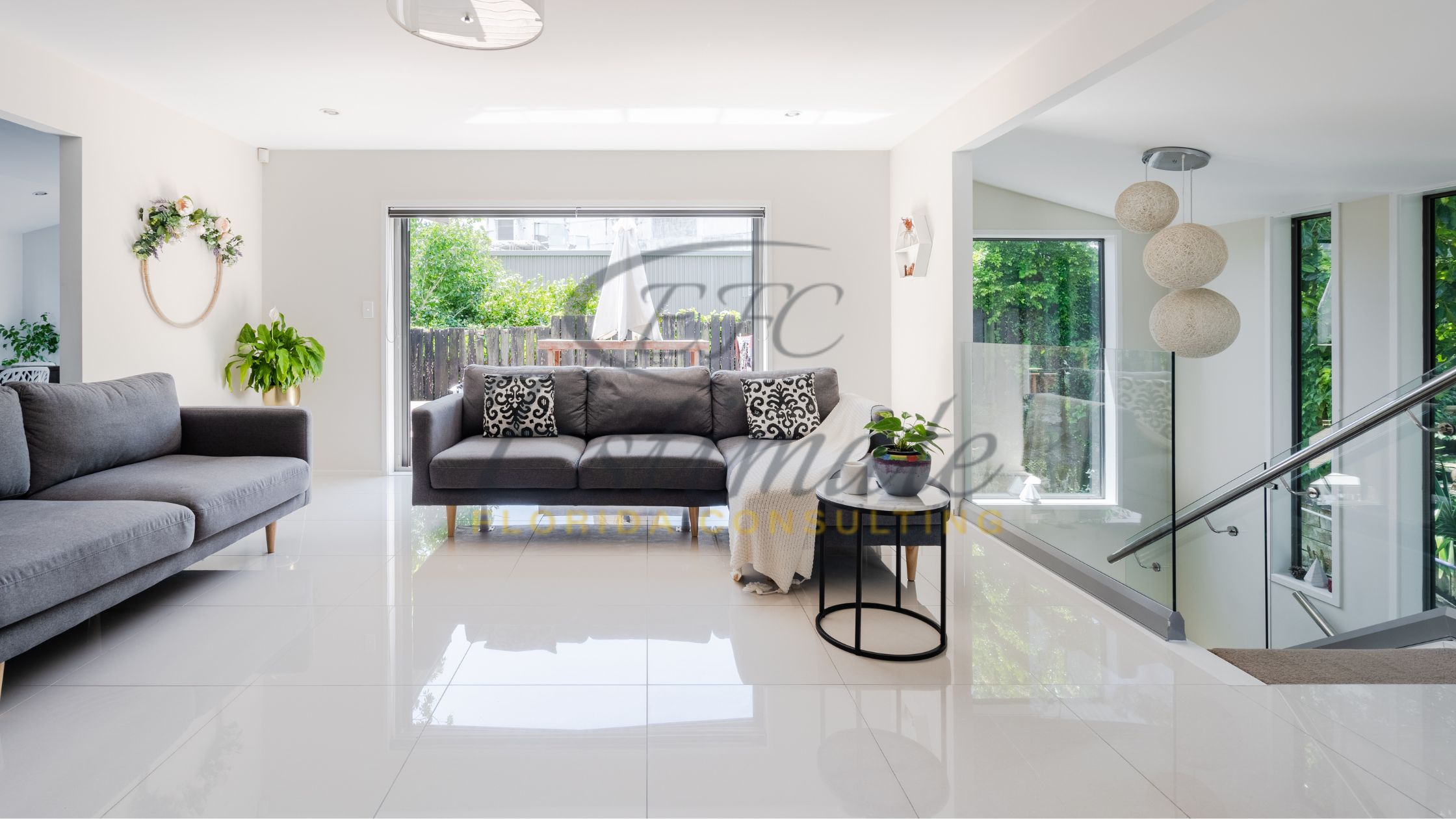
For flooring, particularly, there are economical and durable options for all sorts of living spaces. Vinyl flooring is one of the most inexpensive yet durable products for flooring, since it is water-resistant and scratch-resistant, simple to clean, and comes with various options for design available, including peel-and-stick for easy installation. Meanwhile, laminate flooring is generally found to be affordable and easy to install, provides a reasonable aesthetic and simplicity of maintenance, though it isn’t as water-resistant as vinyl.
Tile flooring is an option available in more durable and water-resistant applications, and is great for kitchens and bathrooms. However, tile flooring can sometimes be expensive and noisy if installed upstairs. Tile flooring is an eco-friendly flooring choice and can somewhat escalate the property value of the residence.
2. Repurposing Instead of Replacing
Repurposing is the process of using existing materials, furniture, or architectural elements for a new function. It could also be to simply update the look or feel without incurring the total cost of purchasing or constructing the new items. Repurposing creates less waste, offers a great benefit to the environment, and keeps usable items from going to a landfill, thereby reducing the need for new raw materials. It can also create a unique feature that offers charm and character to the rental, especially if reclaimed or adapted from something “old”.
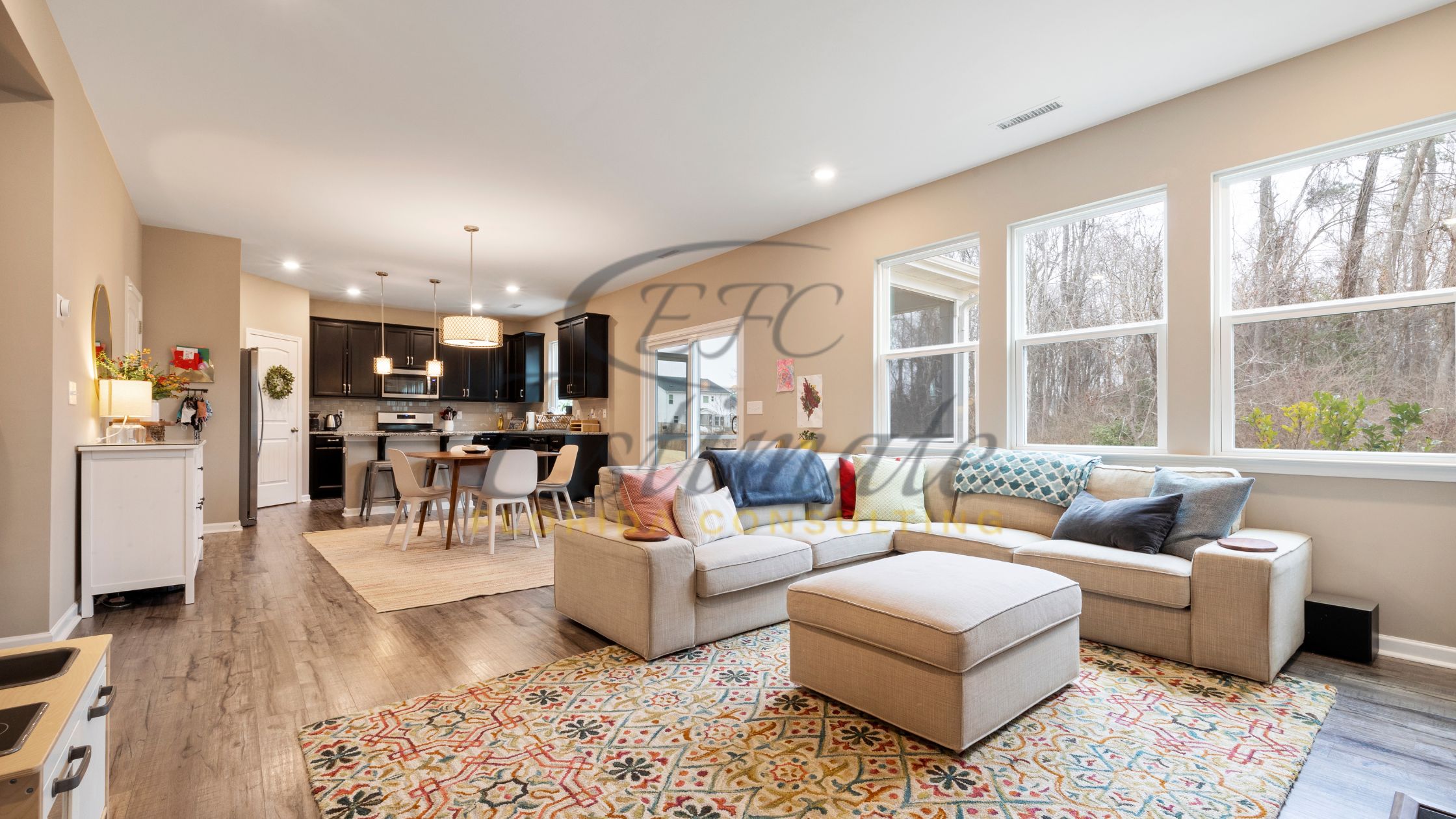
One aspect of repurposing in rental design is using reclaimed wood furniture or flooring made by craftsmen, which creates charm and sustainability. Another consideration is to repurpose old furniture or decorative items into functionally new items, such as turning a dresser into a kitchen island or creating outdoor seating with crates. Additionally, identifying sustainable upgrades, such as energy-efficient windows or water-efficient fixtures, in the existing framework is another option.
3. Setting Realistic Budgets and Expectations
Realistic budgets and expectations are an important aspect of ensuring a rental project can start out in a financially sound place, and no costly surprises along the way. It is truly about understanding what the budget is really for, which is often far from the initial wish list hopes/preconceptions, and then finding a way to prioritize those design wishes/services in a way that fits within financial constraints.
That’s why you need to identify what the budget is for. To develop a proper budget, you need to work through the actual design development process so you know what you want to include, to accurately budget, and not just make up an arbitrary number at the outset. Then have the design team create a shortlist of must-haves vs. nice-to-haves, which allows for better budget allocation. If you are restricted in budget, master planning and construction can be done in phases that break the costs up over time.
Final Thoughts
To close the gap between vision and budget in rental design, you must begin the budgeting process upfront in a clear and structured way that aligns with your design intentions. This means defining your priorities, a deeper understanding of the actual costs of your desired design features, and the ability to be flexible and adjust items accordingly.
Implementing more efficient designs that improve space and functionality, using more standard sizes and materials, and targeting more cost-effective upgrades that possess the broadest appeal to tenants will allow you to remain creative while keeping an eye on budget constraints.