

Lumber Cost Estimator in Cape Coral, FL
Estimate Florida Consulting specializes in providing comprehensive lumber cost estimation services in Cape Coral. Our estimates typically range from $140,000 to $210,000, with a cost per square foot ranging between $9.56 and $12.15. Whether you’re planning a renovation, construction project, or any lumber-related endeavor, we ensure accurate and detailed assessments to assist you in budgeting effectively. Our team employs advanced techniques and industry knowledge to deliver precise estimates tailored to your specific needs. With our commitment to excellence, clients can trust in our expertise to guide them through the financial aspects of their projects.
Trim Carpenter Prices
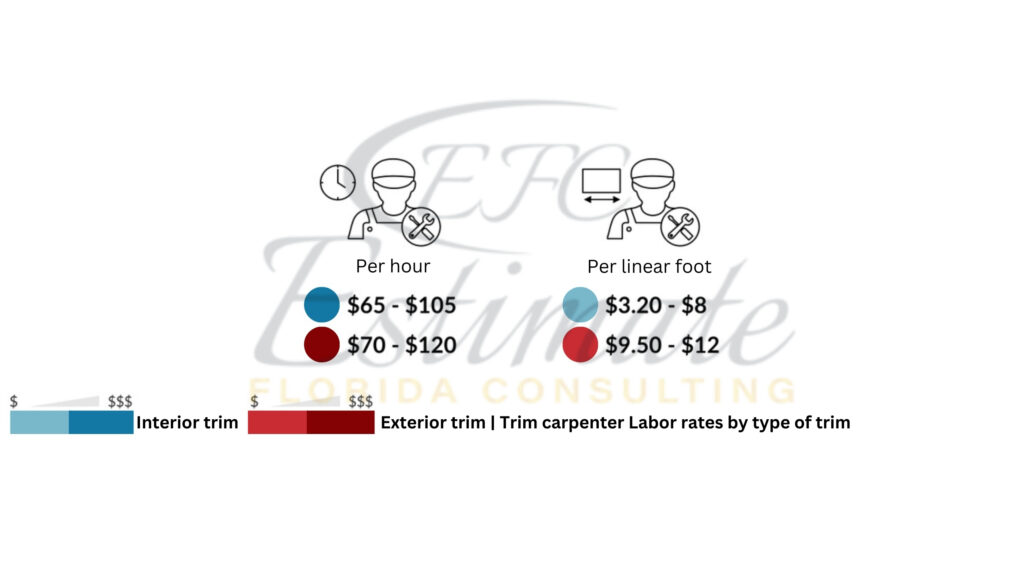
As a Lumber Cost Estimator, I understand the nuances of both interior and exterior trim projects. Interior trim jobs necessitate the precision of skilled carpenters or trim specialists, while exterior tasks are often best left to siding installers due to their specialized nature. Achieving seamless integration and precision mitering requires expertise honed through practice, a factor compounded by the lack of specialized tools in most homeowners’ arsenals. Hourly rates for interior trim projects typically range from $65 to $105, while exterior endeavors command slightly higher rates, typically falling between $70 to $120. These rates reflect the expertise and quality assurance professionals bring to every project, ensuring optimal results.
| Rates Only for Labor | Interior Trim | Exterior Trim |
|---|---|---|
| Price per Hour | $65 – $105 | $70 – $120 |
| Price per Linear Foot | $3.20 – $8 | $9.5 – $12 |
90% More Chances to Win Projects With Our Estimate!
- Multi-Family Building
- Hotel Building
- Hospital Building
- Warehouse Building
- School & University Building
- High-Rise Building
- Shopping Complex
- Data Center Building
Cost Breakdown for Lumber
The breakdown of lumber costs in Cape Coral includes various components such as raw material expenses, transportation fees, labor costs, and overhead expenses. Additionally, market demand and supply fluctuations play a significant role in determining the final estimate for construction or project budgets.
Cost Component | Cost |
Raw Material | $90,000 |
Transportation | $15,000 |
Labor | $80,000 |
Overhead Expenses | $25,000 |
Factors Affecting Lumber Costs
Wood Type
The choice of wood species significantly impacts the overall cost and performance of a project. Softwoods like pine and cedar are favored for their affordability and widespread availability, commonly used in framing and outdoor structures. In contrast, hardwoods such as oak and maple, though pricier, offer exceptional durability and aesthetic appeal, ideal for high-end furniture and flooring. Selection between softwoods and hardwoods depends on budget, project needs, and desired aesthetics, each offering unique advantages.
Quality and Grade
Lumber quality and grade are vital determinants of price and suitability for various applications. Higher grades, like clear and select, boast uniform appearance and fewer defects, ideal for fine woodworking and interior finishing. Lower grades, while more affordable, may contain more imperfections suited for structural framing. Choosing the right grade ensures optimal performance while balancing budget constraints.
Market Fluctuations
Lumber prices fluctuate due to global and local market dynamics, trade policies, and seasonal demand shifts. Economic factors and regulatory changes influence lumber costs, requiring contractors to stay informed and adjust estimates accordingly. Collaboration with suppliers and monitoring market trends help mitigate financial risks.
Size and Dimensions
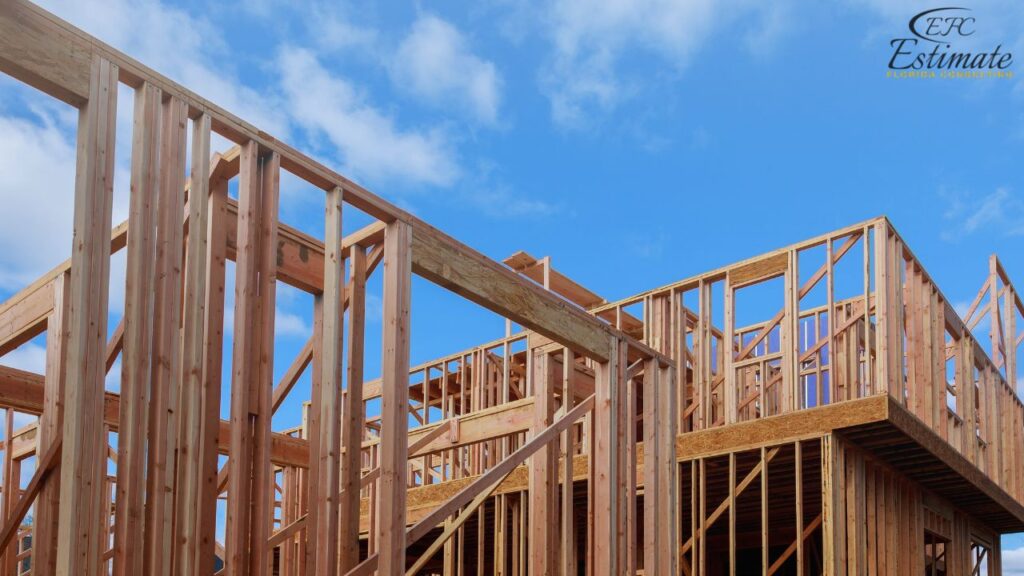
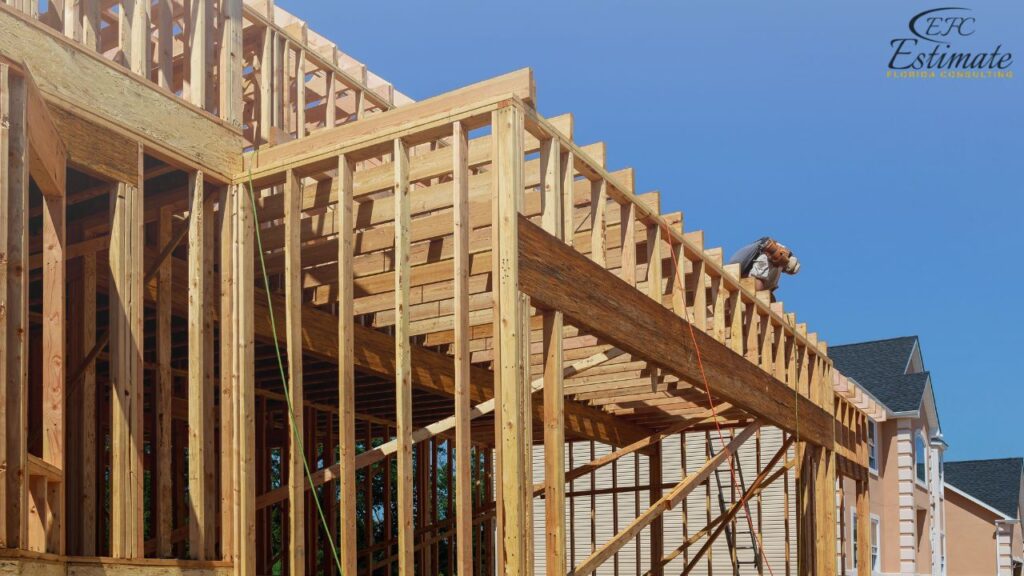
Lumber size and dimensions affect cost and suitability for projects. Standard sizes like 2x4s are cost-effective for framing, while custom sizes may incur higher costs. Balancing specific dimensions with budget constraints is crucial for project efficiency and cost-effectiveness, necessitating careful planning and material sourcing.
- Multi-Family Building
- Hotel Building
- Hospital Building
- Warehouse Building
- High-Rise Building
- Shopping Complex
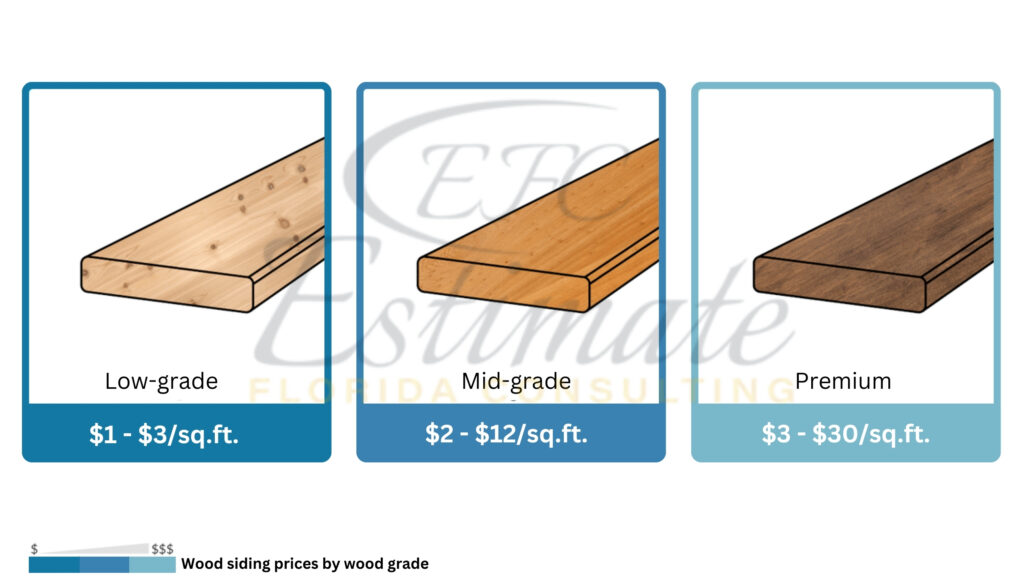
Wood Siding Prices by Wood Grade
As a Lumber Cost Estimator, it’s crucial to understand the concept of wood grades, which primarily pertain to the appearance of the wood. Various associations, such as the Western Wood Products Association (WWPA), National Lumber Grades Authority (NLGA) in Canada, West Coast Lumber Inspection Bureau (WCLIB), and National Hardwood Lumber Association (NHLA), have collaborated to establish and regulate wood grading standards. These grading systems serve dual purposes: facilitating the marketing of wood products and determining their pricing. By familiarizing oneself with these grading systems, accurate cost estimations can be made, ensuring transparency and reliability in lumber-related projects.
| Grade | Average Cost per Sq.Ft. (Material Only) |
|---|---|
| Low-Grade | $1 – $3 |
| Mid-Grade | $2 – $12 |
| Premium | $3 – $30 |
Download Template For Lumber Project Breakdown
- Materials list updated to the zip code
- Fast delivery
- Data base of general contractors and sub-contractors
- Local estimators
Lumber Videos
Pole Barn Construction
House Building
Building a bARNDOOR
Understanding Lumber Costs by Type
Softwoods
Softwoods are known for their fast growth and versatility, making them popular choices for various construction and woodworking projects. Pine, one of the most widely used softwoods, is favored for its accessibility, affordability, and ease of workability. It’s commonly utilized in framing, furniture making, and crafting due to its straight grain and light color, which readily accepts stains and finishes. Cedar, another popular softwood, stands out for its natural resistance to decay and insects, making it ideal for outdoor applications like decking, fencing, and siding. Douglas Fir, valued for its strength, dimensional stability, and straight grain, is frequently employed in structural framing, flooring, and trim work. Spruce shares many similarities with pine but is slightly stronger, making it suitable for a variety of construction projects, including framing, sheathing, and paneling.
Here’s a breakdown of average costs per board foot for common softwood types:
Softwood Type | Average Cost per Board Foot |
Pine | $1.50 – $7.50 |
Cedar | $3 – $9 |
Douglas Fir | $6 – $10.50 |
Spruce | $3 – $7.50 |
Hardwoods
Hardwoods offer greater density and durability compared to softwoods, making them prized for their strength and aesthetic appeal. Oak, available in both red and white varieties, is renowned for its durability, distinctive grain patterns, and versatility. Red oak, characterized by its pinkish hue and prominent grain lines, is commonly used in furniture making, flooring, and cabinetry. White oak, with its light to medium brown color and tighter grain, is highly valued for its strength, making it suitable for applications such as boat building, barrels, and outdoor furniture.Â
Maple, known for its smooth texture and uniform appearance, is favored for its workability and ability to take on a variety of finishes, making it a popular choice for cabinetry, flooring, and musical instruments. Cherry wood, prized for its rich color that deepens with age, is often used in high-end furniture making, architectural millwork, and interior trim. Walnut, celebrated for its dark hues and distinctive grain patterns, is sought after for its luxurious appearance and is commonly used in fine furniture, gunstocks, and decorative veneers.
Here are the average costs per board foot for popular hardwood species:
Hardwood Type | Average Cost per Board Foot |
Oak (Red) | $4.50 – $10.50 |
Oak (White) | $7.50 – $15 |
Maple (Soft) | $4.50 – $9 |
Maple (Hard) | $7.50 – $15 |
Cherry | $9 – $15 |
Walnut | $12 – $22.50 |
Business Finance Loan
Find out if you're pre-qualified in seconds
Get Prequalified Now
IMPORTANT: Make sure the email and phone number you enter are correct. We will email and text you a link to get started.
Exotic and Specialty Woods
Exotic and specialty woods offer unique characteristics and exceptional durability, often at higher costs. Teak, prized for its exceptional durability, resistance to moisture, and beautiful golden brown color, is a popular choice for outdoor furniture, boat building, and decking. Mahogany, revered for its rich reddish-brown hue, straight grain, and workability, has been a favorite among furniture makers and craftsmen for centuries. Ipe, also known as Brazilian Walnut, is celebrated for its extreme hardness, resistance to decay, and deep brown color. It’s commonly used in demanding outdoor applications where durability and longevity are paramount, such as decking, boardwalks, and outdoor furniture.
Here are the average costs per board foot for select exotic woods:
Wood Type | Average Cost per Board Foot |
Teak | $30 – $45 |
Mahogany | $12 – $30 |
Ipe | $30 – $37.50 |
Understanding the costs associated with different types of lumber is essential for planning and budgeting construction or woodworking projects effectively in Cape Coral, FL.
Lumber Sourcing: Local vs. Imported
Considerations for Imported Lumber
While imported lumber may provide opportunities for cost savings and access to specific wood types not readily available locally, buyers must carefully consider the potential challenges and additional costs associated with this sourcing option. One key consideration is the imposition of tariffs or duties on imported lumber, which can significantly elevate the overall cost of the materials. These supplementary fees need to be included in the budgeting process to accurately evaluate the true cost of imported lumber and ascertain its feasibility compared to domestic alternatives.Â
Furthermore, importing lumber typically involves longer lead times, as shipments may need to traverse greater distances and navigate customs clearance procedures, potentially causing delays in construction schedules and project timelines.
Eco-Friendly Lumber Options
Sustainable Wood Choices
Opting for lumber from sustainably managed forests certified by organizations like the Forest Stewardship Council (FSC) offers an eco-friendly option with long-term environmental benefits. Although these sustainable wood choices may initially come at a premium compared to conventional lumber, they provide significant advantages in terms of environmental conservation and responsible resource management. By choosing FSC-certified lumber, buyers can support the health of forest ecosystems, preserve biodiversity, and uphold the rights of indigenous communities. Additionally, sustainably managed forests play a crucial role in mitigating climate change by sequestering carbon dioxide, promoting soil and water conservation, and minimizing habitat destruction.
Reclaimed Wood
Using reclaimed or recycled wood in construction projects not only adds distinctive character and historical charm but also represents a cost-effective and eco-friendly alternative to conventional lumber. Reclaimed wood, sourced from salvaged materials such as old barns, warehouses, or buildings, offers a sustainable solution that diverts usable wood from landfills and reduces the demand for virgin timber extraction. The price of reclaimed lumber can vary widely depending on factors such as rarity, condition, and historical significance. While some reclaimed wood may command premium prices due to its unique characteristics or historical value, other sources may offer more affordable options suitable for various budgetary constraints. Beyond its environmental benefits, reclaimed wood contributes to a project’s aesthetic appeal, providing warmth, authenticity, and a sense of heritage to interior and exterior spaces.
Need Template For Your Lumber Business
We provide services for Brochure, Banner, Business Card, Envelope, Invoice, etc.
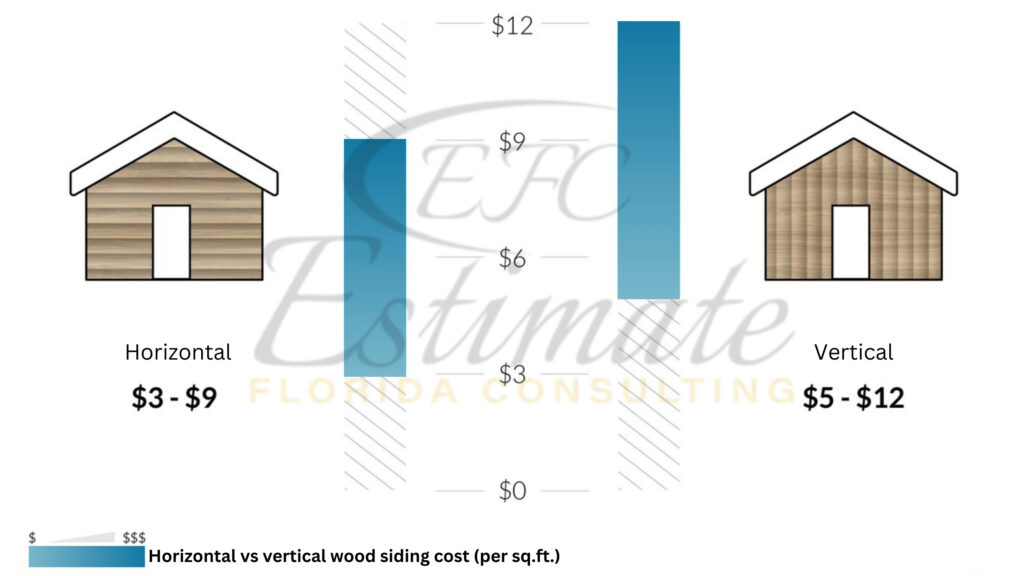
Horizontal Wood Siding vs Vertical Wood Siding Cost
As a Lumber Cost Estimator, it’s crucial to consider both stylistic and structural factors when choosing between horizontal and vertical wood siding. While horizontal siding boasts ease of installation and widespread availability, vertical siding offers a unique appearance and enhanced durability. However, finding professionals experienced in vertical siding installation may be more challenging due to its less common usage. Vertical siding’s superior water runoff capabilities contribute to its increased durability compared to horizontal siding, which may trap moisture along its edges. Assessing these factors guides homeowners in making informed decisions about their siding options.
| Type | Cost per Sq.Ft. (Installed) |
|---|---|
| Horizontal | $3 – $9 |
| Vertical | $5 – $12 |
Are You Looking For?
Make Informed Design Decisions Showcase Your Design Ideas
Get RenderingCall Us To Discuss More at 561-530-2845

Conclusion
Understanding the intricacies of lumber costs and sourcing options is crucial for successful construction and woodworking projects in Cape Coral, FL. Estimate Florida Consulting offers comprehensive lumber cost estimation services tailored to the specific needs of clients, ensuring accurate budgeting and effective project planning. From sustainable wood choices to the advantages of local sourcing versus imported lumber, various factors influence the overall cost and environmental impact of lumber procurement. By considering factors such as wood type, quality, market fluctuations, size, and dimensions, stakeholders can make informed decisions to optimize project efficiency and cost-effectiveness. Whether it’s supporting local businesses, embracing eco-friendly practices, or exploring reclaimed wood options, making well-informed choices ensures not only project success but also contributes to environmental conservation and community development in Cape Coral and beyond.
Choose Your Trade & Get a Sample Project
FAQs
Lumber costs in Cape Coral, FL can vary depending on factors such as wood type, quality, and market fluctuations. On average, estimates range from $140,000 to $210,000 for projects, with a cost per square foot ranging between $9.56 and $12.15.
Several factors influence lumber costs, including the type of wood selected, its quality and grade, market demand and supply fluctuations, and the size and dimensions of the lumber required for the project.
The cost of lumber is typically broken down into various components, including raw material expenses, transportation fees, labor costs, and overhead expenses. Understanding these components can help in accurately estimating project budgets.
Yes, there are differences in cost between softwoods and hardwoods. Softwoods like pine and cedar are generally more affordable, with costs ranging from $1.50 to $10.50 per board foot. Hardwoods such as oak and walnut tend to be pricier, with costs ranging from $4.50 to $22.50 per board foot.
Lumber prices are subject to fluctuations influenced by global and local market dynamics, trade policies, supply chain disruptions, and seasonal demand shifts. These fluctuations can affect the overall cost of lumber and should be considered when budgeting for projects.
Process To Get Lumber Cost Estimate Report
Here I am going to share some steps to get your lumber cost estimate report.
-
You need to send your plan to us.
You can send us your plan on info@estimatorflorida.com
-
You receive a quote for your project.
Before starting your project, we send you a quote for your service. That quote will have detailed information about your project. Here you will get information about the size, difficulty, complexity and bid date when determining pricing.
-
Get Estimate Report
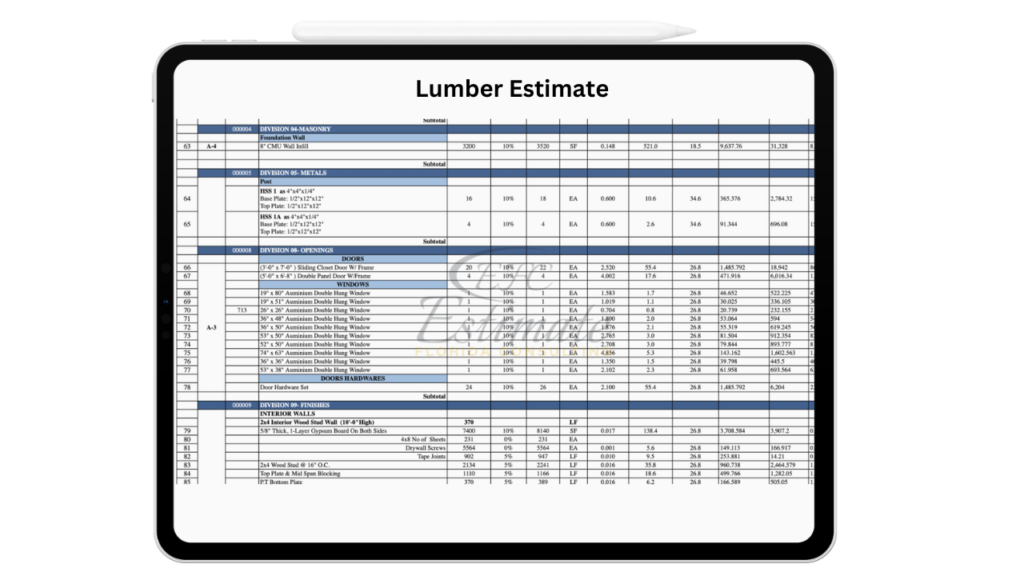
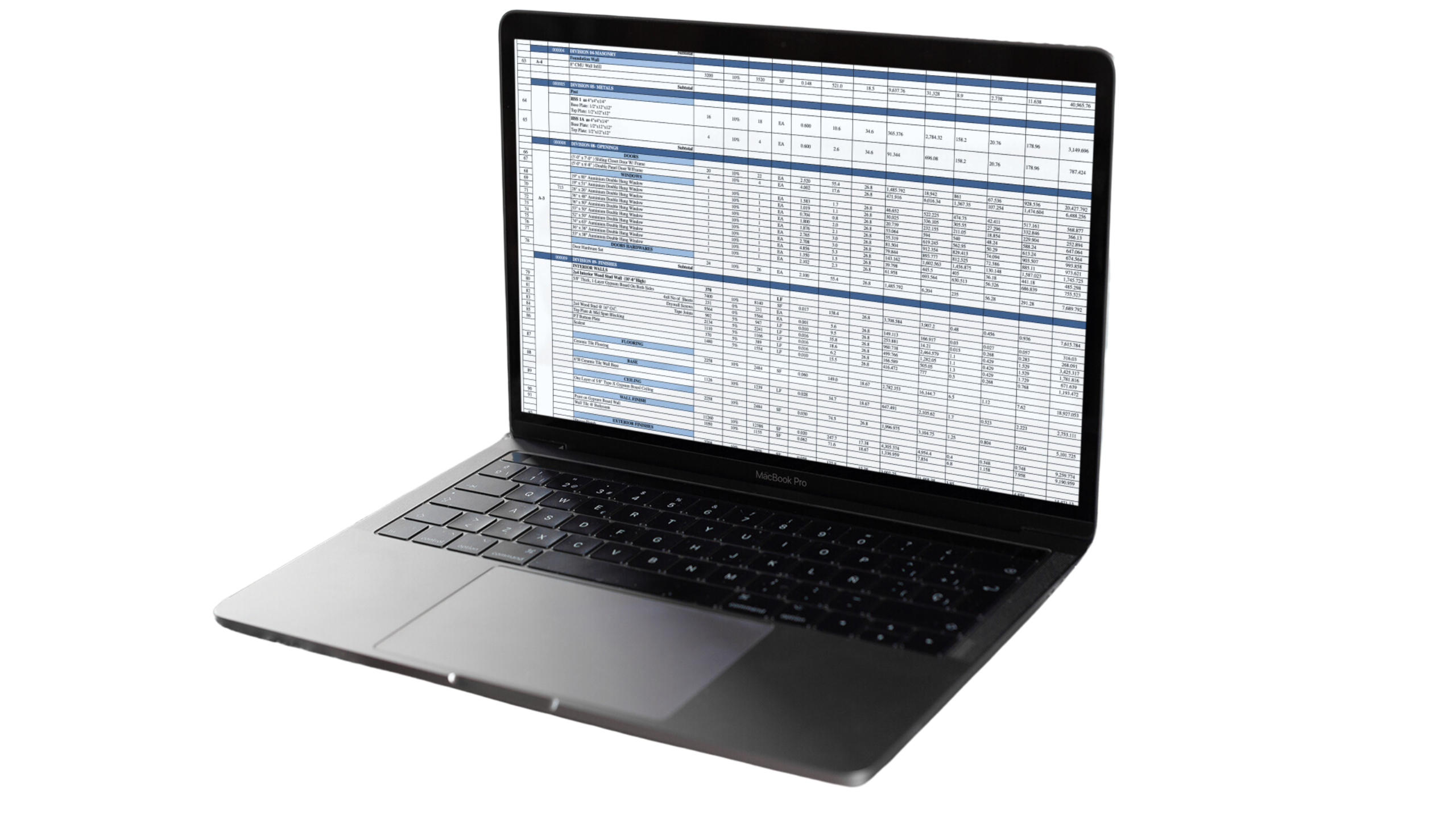
Our team will takeoff and estimate your project. When we deliver you’ll receive a PDF and an Excel file of your estimate. We can also offer construction lead generation services for the jobs you’d like to pursue further.
Google Reviews