







- Homepage
- Drywall
How Much Drywall for a 1500 sq ft House?
Leading provider of drywall estimating services
To estimate the drywall expenses for a 1,500 square foot house, Estimate Florida Consulting provides detailed insights. Considering standard 4×8 feet panels, each covering 32 square feet, approximately 47 panels are needed for 8-foot ceilings. With costs ranging from $1.50 to $4.00 per square foot, including labor and materials, the total drywall expenses for the house could amount to $1,050 to $2,800. Variations in prices stem from location, labor rates, and material quality. For accurate estimates tailored to your specific needs, contact Estimate Florida Consulting. It’s recommended to seek quotes from local suppliers or contractors to obtain precise estimates tailored to specific requirements. For a 1,500 sq ft house, estimate drywall costs for homes including quantity and installation.
What Is Drywall?
Drywall, also known as gypsum board, is a crucial component in wall construction, commonly used for interior finishing in buildings.
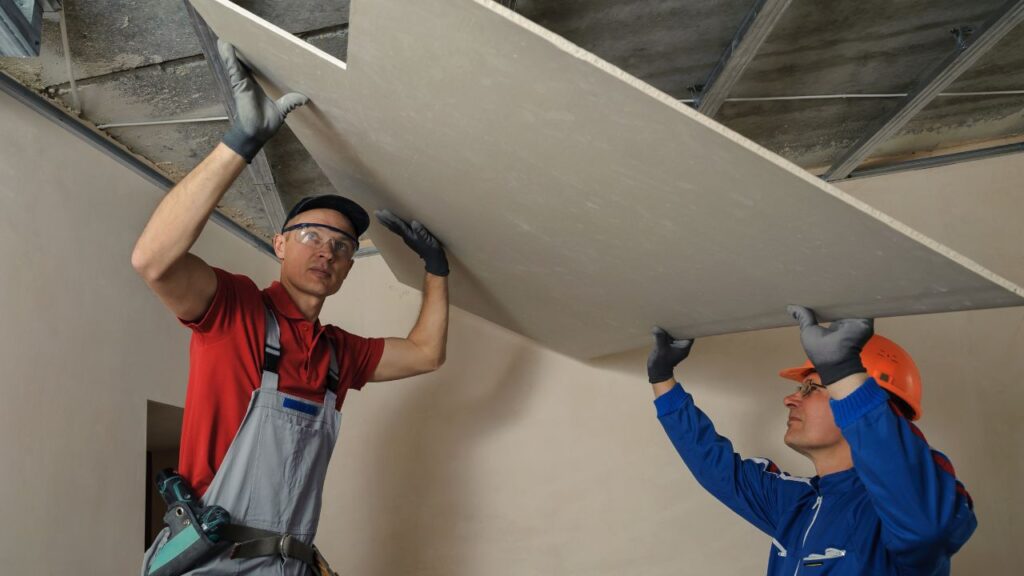
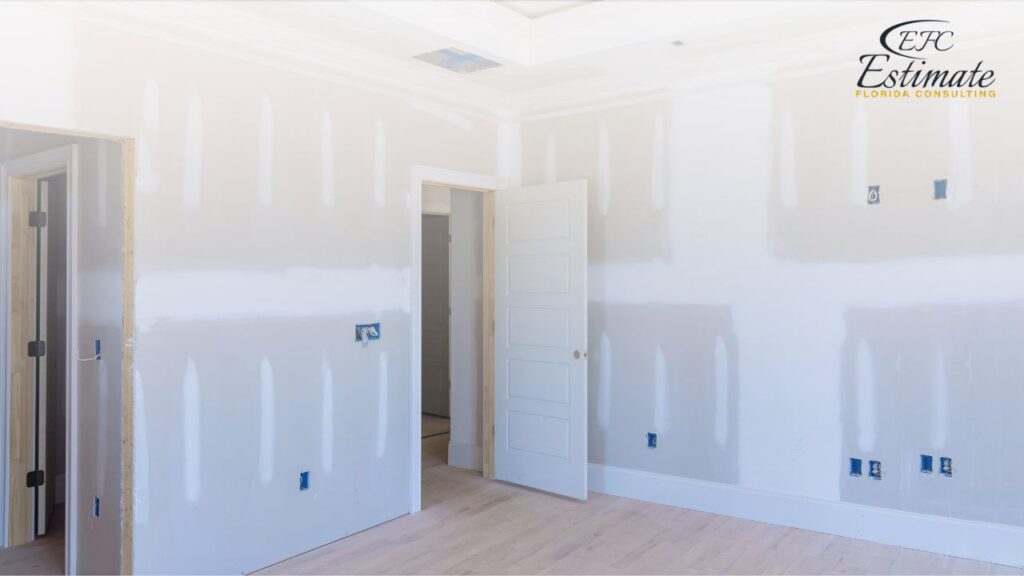
Comprised of gypsum plaster wrapped in a paper exterior, drywall serves as a smooth and flat surface for paint, wallpaper, or texture applications on interior walls. It is lightweight and easily installed, making it a popular choice for residential and commercial projects. Drywall plays a vital role in providing structure and insulation to interior spaces while also aiding in soundproofing. Its versatility allows for customization through different thicknesses and types, catering to the specific needs of various building projects. It is fire-resistant, enhancing the safety features of a structure.
How Much Drywall Is Needed for a 1,500 sq ft House?
Calculating the amount of drywall required for a 1,500 sq ft house involves considering the total square footage of the area undergoing renovation or housing upgrades.
The size of the house plays a crucial role in determining the quantity of drywall needed. Larger houses will naturally require more drywall to cover all the walls and ceilings.
The scope of renovation or housing upgrades influences the amount of drywall needed. If the project involves expanding the living area or adding new rooms, the square footage of drywall required will increase accordingly. Upgrading features like crown molding or wainscoting also impact the quantity of drywall needed to achieve a seamless finish.
Want to Start Your Project with the Best Contractors?
Let’s Take Your Projects to the Next Level.
& What's you will get:
- Connecting You to Top Local Contractors
- Professional Consulting, Contractors Near You
- From Expert Advice to Local Contractor Connections
Contact Now
Let's discuss with a cup of coffe
What Factors Affect the Amount of Drywall Needed?
Several factors influence the quantity of drywall required for a project, including the materials used, installation method, construction scope, renovation extent, budget constraints, pricing considerations, contractor expertise, and initial estimates.
The choice of materials such as standard drywall, moisture-resistant drywall, or fire-rated drywall can significantly impact the amount needed. Different installation techniques, like hanging vertically or horizontally, also affect how much drywall is necessary. The complexity of construction, whether it’s a simple room addition or a complete house renovation, plays a crucial role in determining the quantity of drywall required. Budget limitations may lead to adjustments in the amount of drywall used, as cheaper options might be favored to reduce costs. Price variations in materials further influence the total drywall needed. Selecting a skilled contractor can help in accurate estimation and efficient use of drywall throughout the project.
What Are the Different Types of Drywall?
Various types of drywall are available in the market, including gypsum panels, plasterboard, and specialized building supplies tailored for different construction needs.
Gypsum panels, also known as drywall or sheetrock, are widely used in residential and commercial construction for their affordability and ease of installation. Plasterboard, on the other hand, is a type of drywall that offers superior fire resistance and soundproofing properties, making it ideal for areas where safety and noise control are crucial. Specific building supplies such as joint compound, corner beads, and screws play essential roles in creating seamless and durable drywall installations.
Which Type of Drywall Is Best for a 1,500 sq ft House?
Selecting the optimal drywall type for a 1,500 sq ft house involves considering factors like construction materials, interior wall requirements, and potential building improvements.
- For a house of this size, drywall options such as standard gypsum board offer a cost-effective solution with easy installation.
- Moisture-resistant green board can be suitable for areas like bathrooms or kitchens where humidity levels are higher.
3.For those seeking enhanced durability, fiberglass mat gypsum panels provide added strength and impact resistance.
Considering the interior design, drywalls with smooth finishes allow for sleek paint application while textured drywalls can add depth and character to the walls, creating a unique ambiance within the space.
Unraveling the Complexities of Drywall Costs
Understanding the costs associated with drywall installation is paramount for homeowners and contractors alike. Whether embarking on a renovation project or constructing a new home, estimating drywall expenses involves a comprehensive analysis of various factors.
Breaking Down the Drywall Equation
To estimate the drywall expenses for a 1,500 square foot house, meticulous calculations are essential. Leveraging standard 4×8 feet panels, each covering 32 square feet, approximately 47 panels are indispensable for ceilings with 8-foot dimensions. This foundational calculation serves as a cornerstone in gauging the quantity of drywall required for the project.
Exploring Cost Parameters
The cost of drywall installation spans a spectrum, typically ranging from $1.50 to $4.00 per square foot. This range encompasses not only the cost of materials but also labor expenses. Therefore, for a 1,500 square foot house, the total drywall expenses may vary significantly, falling within the range of $1,050 to $2,800.
Factors Influencing Price Fluctuations
Several determinants contribute to the variability in drywall costs. Location stands as a primary factor, with urban areas often commanding higher labor rates and material costs compared to rural locales. Labor rates themselves play a pivotal role, reflecting the expertise and experience of skilled workers. Additionally, the quality of materials employed can significantly impact the final cost, with higher-quality options typically commanding a premium.
Get High-Quality 3D Rendering Today!
Transform your space with stunning 3D rendering that blends style, comfort, and functionality.
We Specialize in Both Residential and Commercial 3D Rendering Projects.
- Luxury Villas
- Apartment Complexes
- Modular Kitchens
- Bathrooms
- Office Buildings
- Shopping Malls
- Hospitals
- Hotels & Resorts
Navigating the Complexity
Navigating the intricate landscape of drywall expenses necessitates careful consideration of multiple variables. To ensure accurate estimates, homeowners and contractors alike should obtain quotes from several sources. Additionally, factoring in ancillary costs such as demolition, disposal, and specialized finishes is paramount for a comprehensive budgeting approach.
Drywall Cost by Type
Description | Cost per Square Foot (USD) |
Standard Drywall | $1.50 – $4.00 |
High-Quality Drywall | $2.50 – $5.50 |
Fire-Rated Drywall | $2.00 – $4.50 |
Moisture-Resistant Drywall | $2.00 – $4.50 |
Soundproof Drywall | $2.50 – $6.00 |
Textured Drywall | $2.00 – $4.00 |
Green Board Drywall | $2.00 – $4.50 |
Mold-Resistant Drywall | $2.50 – $5.00 |
Paperless Drywall | $2.00 – $4.50 |
Note: The costs provided are approximate and may vary depending on factors such as location, supplier, quantity purchased, and specific project requirements. It’s recommended to obtain quotes from contractors or suppliers to determine the exact pricing for your project.
What Are the Benefits of Using Drywall?
Using drywall offers numerous advantages, including efficient wall finishing, streamlined construction projects, and simplified building renovations. The enhanced wall finishing achieved through drywall applications ensures a smooth and polished look, ideal for creating modern and professional interiors. The use of drywall can significantly speed up construction timelines by enabling quick and simple installation processes, ultimately leading to cost savings and increased project efficiency.
The versatility of drywall allows for easy building upgrades and modifications, providing flexibility for future design changes or functional enhancements without extensive construction work.
What Are the Potential Drawbacks of Using Drywall?
Despite its benefits, drywall usage can present drawbacks such as the need for periodic wall repairs, complexities in housing construction, and potential expenses related to wall renovation costs.
Drywall repairs can disrupt the aesthetics of a room and may require professional intervention, leading to additional expenses. In construction projects, drywall installation can be time-consuming and requires skilled labor for proper fitting and finishing. The costs associated with renovating walls covered in drywall can escalate due to the need for specialized equipment and materials. These challenges highlight the limitations of drywall, despite its widespread use in the construction industry.
What Are the Benefits of Using Drywall?
Using drywall offers numerous advantages, including efficient wall finishing, streamlined construction projects, and simplified building renovations. The enhanced wall finishing achieved through drywall applications ensures a smooth and polished look, ideal for creating modern and professional interiors. The use of drywall can significantly speed up construction timelines by enabling quick and simple installation processes, ultimately leading to cost savings and increased project efficiency.
How Can I Save Money on Drywall Installation?
Implementing cost-saving strategies for drywall installation involves exploring options like DIY repair solutions, obtaining competitive building estimates, and optimizing installation expenses.
One efficient way to minimize costs during drywall installation is to consider repurposing or salvaging materials from previous projects to use in the current endeavor. This approach can significantly reduce expenses without compromising the quality of the finished project.
Another effective strategy is to invest time in learning basic drywall repair techniques to address minor damages or imperfections on your own, eliminating the need for professional assistance and associated costs. By adopting these proactive measures and staying vigilant for opportunities to save money, you can successfully lower the overall expenses of your drywall installation project.
Can I Install Drywall Myself?
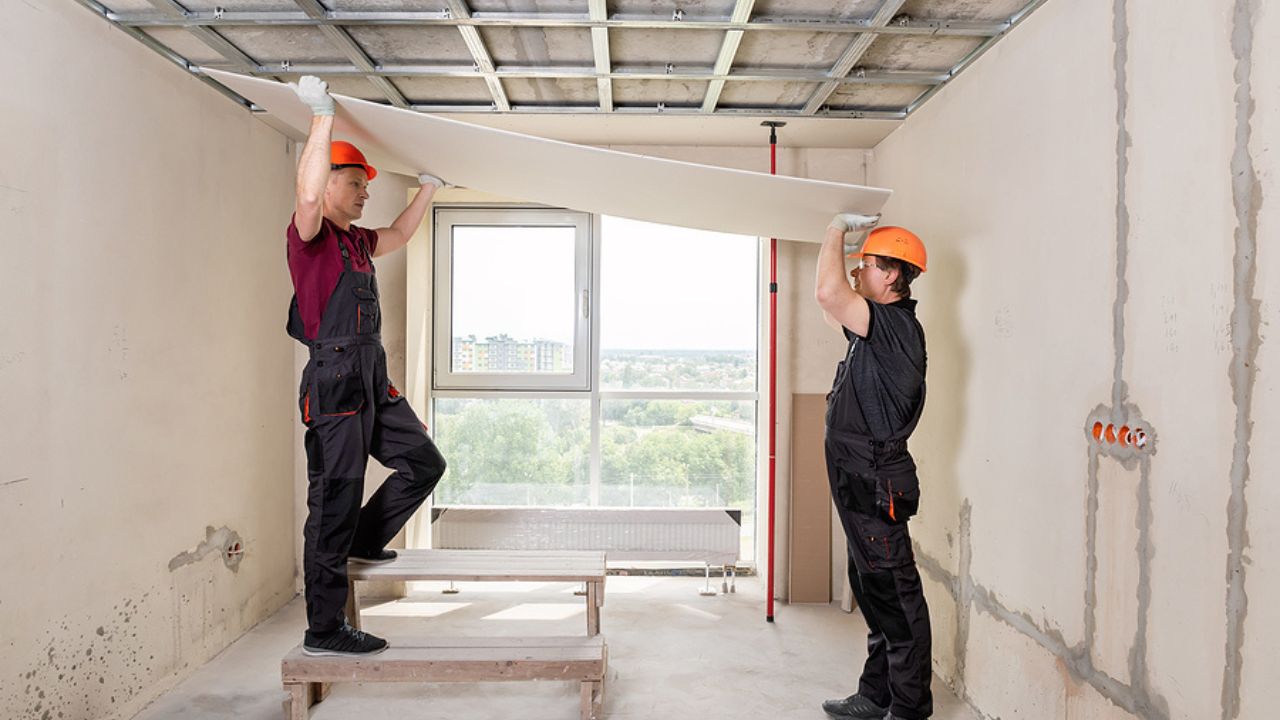
DIY drywall installation is a feasible option for individuals looking to save on labor costs by purchasing construction supplies and wall construction materials for self-installation.
Taking on the project yourself allows you to have control over the quality and timeline of the construction process. DIY drywall installation can be a rewarding experience, giving you a sense of accomplishment and satisfaction in seeing your own hard work come together.
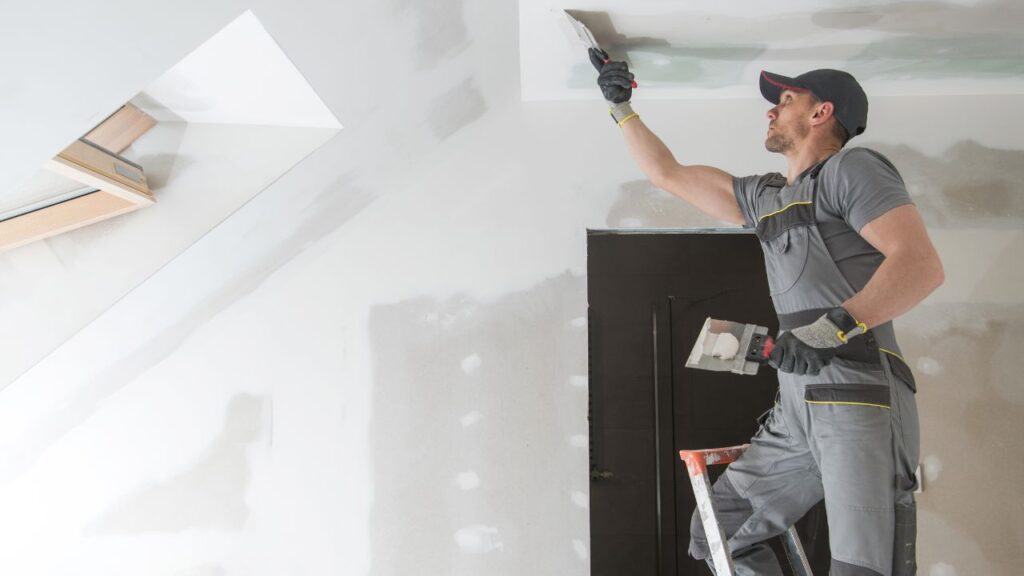
It’s essential to acknowledge the challenges that may arise, such as precise measuring and cutting of drywall sheets, proper mudding and taping techniques, and ensuring a smooth finish. To successfully complete the job, be prepared with the necessary tools like a utility knife, drywall saw, joint compound, drywall screws, and sandpaper.
90% More Chances to Win Drywall Bids with
Our Estimate!
How Long Does It Take to Install Drywall in a 1,500 sq ft House?
The duration for installing drywall in a 1,500 sq ft house can vary based on factors like project complexity, construction project timelines, and housing renovation estimates.
Factors such as the intricacy of the project, the availability of materials, and the skill level of the workers all play a role in determining the installation time. Construction schedules can also impact the overall timeline, as some projects may have strict deadlines to meet. For housing renovations, the drywall installation time needs to be factored into the overall timeframe to ensure that the project stays on track. It’s crucial for homeowners and contractors to communicate effectively to set realistic expectations for when the work will be completed.
Conclusion
Understanding the intricacies of drywall costs is essential for both homeowners and contractors undertaking renovation or construction projects. The detailed analysis provided reveals the multifaceted nature of estimating expenses, considering factors such as material quality, labor rates, and geographical location. By recognizing the range of costs associated with various types of drywall, individuals can make informed decisions when budgeting for their projects. Moreover, the variability in pricing underscores the importance of obtaining multiple quotes and conducting thorough research to ensure accuracy and transparency in financial planning. With careful consideration and attention to detail, navigating the complexities of drywall expenses empowers stakeholders to embark on their ventures with confidence and clarity, ultimately achieving successful outcomes.
FAQs:
Determining the amount of drywall required involves considering factors like house size, renovation scope, and desired finishes. Larger houses and extensive renovations may require more drywall.
Several factors impact drywall quantity, including material choice, installation method, construction complexity, and budget constraints. Skilled contractors can help estimate and optimize drywall usage.
Drywall options vary, from standard gypsum board to moisture-resistant and fire-rated variants. Each type caters to specific needs such as durability, moisture protection, or soundproofing.
Drywall installation costs depend on factors like labor rates, material quality, and project size. Estimates typically range from $1.50 to $4.00 per square foot for labor, with material costs varying.
DIY drywall installation is possible but requires precision and skill. Homeowners can save on labor costs but must be equipped with the necessary tools and knowledge for successful installation.
Comprehensive Trade-Specific Estimates
At Estimate Florida Consulting, we offer detailed cost estimates across all major trades, ensuring no part of your project is overlooked. From the foundation to the finishing touches, our trade-specific estimates provide you with a complete and accurate breakdown of costs for any type of construction project.
Our Simple Process to Get Your Estimate
Upload Plans
Submit your project plans, blueprints, or relevant documents through our online form or via email.
Receive Quotation
We’ll review your project details and send you a quote based on your scope and requirements.
Confirmation
Confirm the details and finalize any adjustments to ensure the estimate meets your project needs.
Get Estimate
Receive your detailed, trade-specific estimate within 1-2 business days, ready for your project execution.
Our Clients & Partners
We pride ourselves on building strong, lasting relationships with our clients and partners across the construction industry.
What Our Clients Say?
We take pride in delivering accurate, timely, and reliable estimates that help contractors and builders win more projects. Our clients consistently praise our attention to detail, fast turnaround times, and the positive impact our estimates have on their businesses.
Estimate Florida Consulting has helped us win more bids with their fast and accurate estimates. We trust them for every project!