Bid Strong, Bid Smart – Try Our Concrete Cost Estimating Service!
- Accurancy
- Efficiency
- Transparency
- Customization
- Time Saving
- Professionalism
- Cost Control

Hotel construction involves numerous elements, and one crucial aspect is the use of concrete formwork. Formwork is the temporary mold or structure into which concrete is poured and shaped, providing the foundation for various structural components. Understanding the factors influencing concrete formwork costs is essential for effective budget management and successful project execution. In this article, we delve into the intricacies of concrete formwork costs in the context of hotel construction, offering valuable insights for developers, architects, and project managers.
Concrete formwork serves as the framework that supports freshly poured concrete until it attains sufficient strength to stand independently. It plays a pivotal role in shaping the structural elements of a hotel, including walls, columns, slabs, and other components. The quality and efficiency of formwork directly impact the overall construction timeline, the finish of concrete surfaces, and, consequently, the aesthetics and structural integrity of the hotel.
Fully Insured Licensed
Hotal Construction Contractor
Make Informed Design Decisions Showcase Your Design Ideas
Get RenderingSeveral key factors contribute to the overall cost of concrete formwork, and understanding these variables is crucial for accurate budgeting:
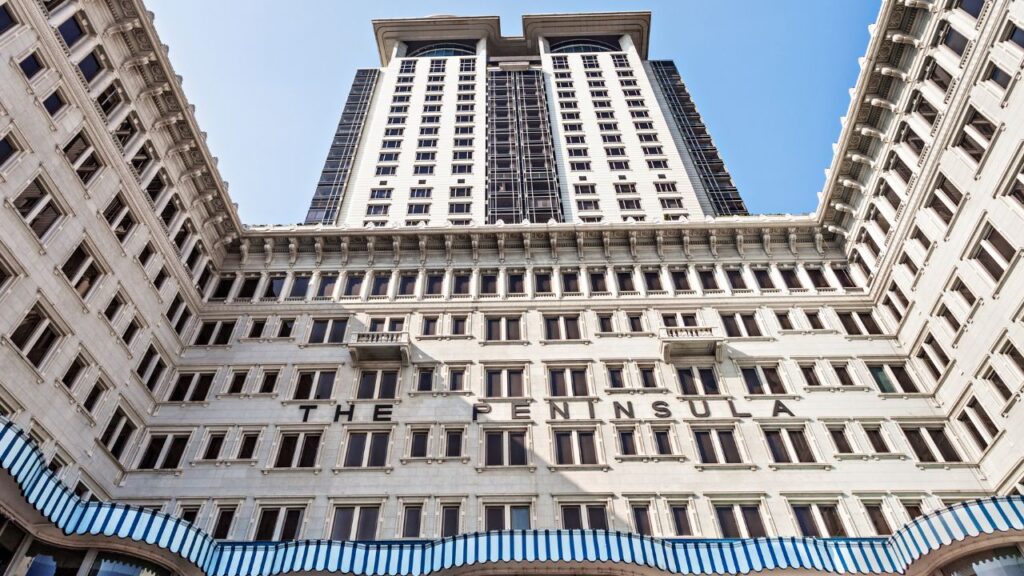
Choosing the appropriate formwork type and material is a critical decision that reverberates throughout the entire construction process. Traditional timber, although cost-effective, may have limitations in terms of reusability and speed of installation. Engineered wood and steel, on the other hand, offer advantages such as faster assembly and increased durability, potentially impacting long-term costs. Modular systems provide a versatile solution, allowing for adaptability and reusability across various sections of the project. The material selected not only influences immediate expenses but also plays a pivotal role in shaping the efficiency and sustainability of the construction endeavor.
The intricate dance between architectural aesthetics and practical construction considerations significantly influences formwork costs. As architectural designs become more complex with unique shapes, curves, and non-standard features, the formwork requirements become more specialized, leading to increased expenses. The collaboration between architects and formwork specialists becomes paramount in striking a delicate balance between realizing artistic visions and implementing cost-effective solutions. It is in this synergy that the true potential of a design is unlocked, ensuring that the formwork not only fulfills its structural role but also aligns seamlessly with the project’s aesthetic aspirations.
The sustainability and cost-effectiveness of a construction project can be significantly enhanced by maximizing formwork reusability. Modular systems and certain engineered materials are designed with this efficiency in mind, allowing for multiple uses across different phases of construction. While the initial investment in reusable formwork may be higher, the long-term savings become evident over successive pours. This strategic approach not only contributes to cost-effectiveness but also aligns with sustainable construction practices, reducing waste and environmental impact.
The sheer size and scale of a hotel construction project introduce unique considerations into the formwork equation. While larger projects may benefit from economies of scale, the intricacy of designs in such endeavors can potentially offset these advantages. Balancing the benefits of scale with the challenges posed by intricate designs becomes a key strategy in managing formwork costs effectively. The formwork plan needs to be scalable, ensuring that it meets the demands of the project’s volume while accommodating the nuances of the architectural design, thus optimizing both efficiency and cost-effectiveness.
Construction sites are diverse and dynamic, presenting varying conditions that directly impact formwork costs. Challenging terrains, limited accessibility, and environmental factors all play a role in determining the formwork solutions required. In challenging sites, specialized formwork may be necessary, potentially leading to increased labor and material expenses. Proactive assessment of site conditions and thoughtful planning become essential in adapting the formwork strategy to the unique challenges presented by the construction site.
Skilled labor is the linchpin of successful formwork installation. The expertise and efficiency of the labor team directly influence overall formwork expenses. Labor costs, availability of skilled workers, and adherence to construction timelines are pivotal factors. Investing in efficient and experienced labor teams can positively impact project costs by ensuring the precise and timely installation of formwork. The human element in formwork becomes not just a component of construction but a strategic factor in controlling costs and ensuring the success of the project.
Optimizing the use of concrete formwork involves implementing strategic approaches to manage costs effectively:
The collaborative efforts between architects and formwork specialists stand as a linchpin in achieving both aesthetic brilliance and cost-effectiveness in construction projects. By designing structures with simplicity in mind while preserving aesthetic appeal, the complexity of formwork can be minimized. This thoughtful collaboration ensures that formwork meets not only structural requirements but also aligns with budget considerations. Architects bring their creative vision to the table, and formwork specialists contribute their technical expertise, fostering a symbiotic relationship that results in efficient designs and cost savings without compromising the project’s visual impact.
The choice of formwork materials is a pivotal decision that necessitates a delicate balance between cost-effectiveness, durability, and reusability. Evaluating the lifecycle costs of materials becomes a guiding principle in making informed decisions that align with both short-term budget constraints and long-term project viability. Opting for materials that strike this balance ensures that the formwork not only meets immediate needs but also contributes to the project’s sustainability and long-term cost-effectiveness.
Utilizing modular or prefabricated formwork systems that allow for reusability across different sections of the project stands as a strategic and cost-effective approach. While the initial investment in such systems may be higher, the long-term savings derived from their repeated use can offset these costs significantly. This investment in reusable systems becomes not just a financial consideration but an investment in sustainable construction practices, reducing waste and minimizing environmental impact.
Exploring efficient construction methods is a proactive strategy that can significantly impact formwork costs. Prefabrication or advanced formwork systems, for instance, can streamline the installation process, reducing labor costs and construction timelines. Prefabricated formwork components, assembled off-site, represent a time-saving and resource-efficient approach. By adopting optimized construction methods, developers can align the construction process with the broader goal of enhancing cost-effectiveness without compromising the structural integrity of the formwork.
Addressing site challenges during the preparation phase becomes a foundational step in achieving cost savings in formwork installation. Adequate groundwork, including addressing soil conditions and ensuring a well-prepared foundation, sets the stage for streamlined formwork processes. Proactive site preparation is an investment in minimizing potential challenges that may arise during construction, contributing significantly to overall cost control and the project’s long-term success. This strategic approach anticipates and mitigates issues, ensuring that formwork installation proceeds smoothly and efficiently.
Offering a precise cost estimate without specific project details is challenging. Nevertheless, here’s a general cost range to provide a rough idea:
Small hotel (less than 100 rooms): $5-8 or more per square meter of formwork surface
Medium-sized hotel (100-200 rooms): $7-10 or more per square meter of formwork surface
Large hotel (over 200 rooms): $8-12 or more per square meter of formwork surface or potentially higher
It’s essential to recognize that these figures serve as initial reference points, and the actual cost may vary based on factors such as project intricacy, site conditions, material choices, and local market variations. Consulting with construction professionals or formwork specialists is recommended for more accurate and tailored cost estimates based on specific project parameters.
Understanding the dynamics of concrete formwork costs in hotel construction is crucial for effective project management. The choice of formwork type and material, intricacy of design, reusability, project scale, site conditions, and labor efficiency are pivotal factors influencing overall costs. Implementing cost-saving strategies, such as efficient design collaboration, balanced material selection, investment in reusable systems, optimized construction methods, and proactive site preparation, ensures a harmonious blend of aesthetics and cost-effectiveness. While providing specific cost estimates is challenging without project details, the outlined general cost range serves as a starting point. For accurate and tailored estimates, consulting with construction professionals is recommended. By navigating these considerations thoughtfully, developers and project managers can achieve both efficient formwork installation and successful hotel construction projects.
Concrete formwork in hotel construction refers to the temporary mold or structure into which concrete is poured and shaped, providing the foundation for various structural components like walls, columns, and slabs. It is essential as it plays a crucial role in shaping the structural elements of a hotel, influencing the overall construction timeline, finish of concrete surfaces, and the aesthetics and structural integrity of the building.
The choice of formwork type (e.g., traditional timber, engineered wood, steel, modular systems) and material significantly influences costs. Traditional timber may be cost-effective, while engineered systems and steel offer advantages like faster installation and reusability. The material selected not only affects immediate expenses but also plays a crucial role in shaping the efficiency and sustainability of the construction process.
The complexity of architectural designs, including unique shapes, curves, and non-standard features, can lead to specialized formwork requirements, increasing costs. Collaborative efforts between architects and formwork specialists are essential in striking a balance between artistic visions and cost-effective solutions, ensuring the efficient fulfillment of both structural and aesthetic aspects.
Maximizing formwork reusability, facilitated by modular systems and certain engineered materials, enhances cost-effectiveness and aligns with sustainable construction practices. While the initial investment in reusable formwork may be higher, the long-term savings realized over successive pours contribute to both cost-effectiveness and reduced environmental impact.
Cost-saving strategies include efficient design collaboration to minimize formwork complexity, balancing material selection for economy and durability, investing in reusable systems for long-term efficiency, adopting optimized construction methods like prefabrication, and proactive site preparation to address challenges beforehand. These strategies ensure a harmonious blend of aesthetics and cost-effectiveness in hotel construction projects.
Here I am going to share some steps to get your concrete formwork cost in hotel construction cost estimate report.
You can send us your plan on info@estimatorflorida.com
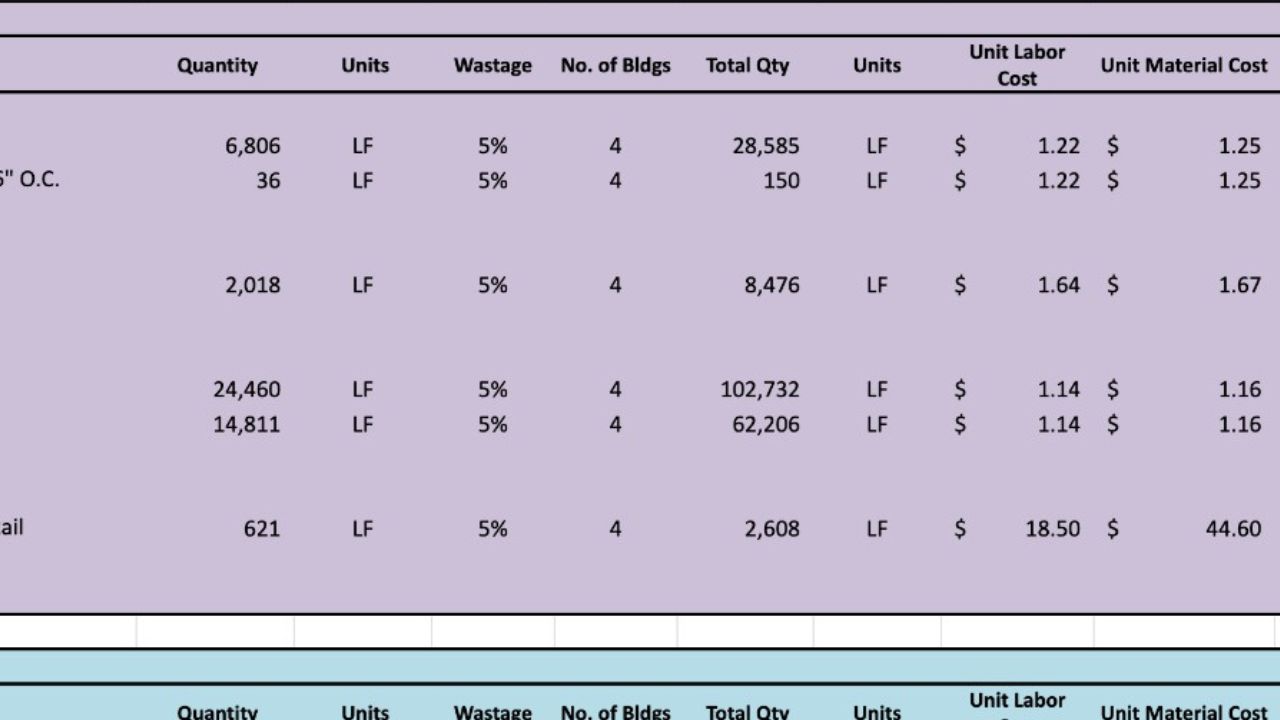
Before starting your project, we send you a quote for your service. That quote will have detailed information about your project. Here you will get information about the size, difficulty, complexity and bid date when determining pricing.
Our team will takeoff and estimate your project. When we deliver you’ll receive a PDF and an Excel file of your estimate. We can also offer construction lead generation services for the jobs you’d like to pursue further.
561-530-2845
info@estimatorflorida.com
Address
5245 Wiles Rd Apt 3-102 St. Pete Beach, FL 33073 United States
561-530-2845
info@estimatorflorida.com
Address
5245 Wiles Rd Apt 3-102 St. Pete Beach, FL 33073 United States
All copyright © Reserved | Designed By V Marketing Media | Disclaimer