There is a growing number of people who are 65 years or older living in Florida. They represent a big, underserved demographic target in the housing market. As a result, senior living facilities should focus on upgrades to cater to the specific accessibility needs of seniors. A variety of accessibility improvements, from minor adjustments to renovations, will create a safer and more valuable property for this influx of residents.
Make sure you plan your investment wisely, given the growing demand. Understand the key costs driving preliminary estimates, and ensure your accessibility projects are both effective and financially sustainable.
Why Accessibility Is a Smart Investment?
Florida is experiencing a Silver Tsunami. There is a rapid increase in the senior population as baby boomers hit retirement and head south. Accessibility projects can boost a facility’s value and position it as a top choice among competitors. However, the benefits of these upgrades are only effective through a sound financial plan.
The Fair Housing Act allows residents to request necessary modifications. However, following each and every request can result in rush jobs, premium labor prices, and little control over project scope and expense. Budget proactively in order to control costs — plan capital expenditures, bulk purchase materials and schedule labor during low-demand periods. These investments are worthwhile to prevent long vacancies and losing out on prospective residents.
Solving the Stairs Situation
Stairs are one of the biggest challenges in aging. They can be an obstacle for those with mobility issues, such as muscle loss and bone fragility. The risk of falling is also a huge concern. Elevators and stair lights are the most common solutions for multilevel senior living facilities. Their up-front costs can deter many from upgrading. Budgeting wisely for these major capital expenses can significantly boost accessibility at the facility.
Home elevators are a great long-term solution that significantly boost a property’s value and provide the ultimate convenience. They give residents total freedom of movement, including people using walkers or wheelchairs. Elevators make multifloor facilities accessible to the growing population of seniors. Your preliminary estimate should include the total costs of ownership. This will depend on the company, but here are the typical expenses:
- Planning costs: Structural engineering assessment fees, design, municipal permits
- Construction and installation: Elevator unit price, demolition costs, new framing, mechanical hookups, drywall, finishing
- Operational costs: Service and maintenance, energy consumption
As one of the best home elevator companies in Florida, Residential Elevators handles everything — from sales, design and manufacturing to installation and service. It has a reputation for delivering high-quality work using the most cutting-edge technology on the market. The company engineers elevators to fit into a facility’s unique space and structural needs.
Stairlifts are devices in which a chair or platform attached to a rail glides along the side of the stairs, transporting people up and down. The cost will depend on rail quality, custom electrical outlets, maintenance and battery replacement expenses. Stairlifts typically have a lower initial price but are ineffective when it comes to wheelchair users. Make sure to compare vendor quotes, check long-term warranties and avoid rush jobs to make these major investments worth it.
Using High-Impact, Low-Cost Modifications
The bathroom is often a risky zone for seniors, as it is a relatively tight space with significant water use. As such, fixtures must be added to prevent trips and falls due to slippery floors. Low-cost items still need to be budgeted accurately since they add up when scaled across a facility.
Place ADA-compliant grab bars, such as those made by Moen, into wall studs in the areas surrounding the toilet, shower and bathtub. These provide support and stability when sitting down or navigating the room and can prevent life-threatening injuries. Improper installation is a safety hazard and can lead to costly drywall repairs. To save money and ensure long-term use, bulk purchase commercial-grade bars and hire an experienced contractor for installation.
Install lever-handle fixtures from companies such as Schlage and Kwikset to make turning doorknobs and faucets easier. They are great for people who have issues with their grip strength. This simple change has a significant daily impact. To keep expenses under control, replace the knobs in phases. Start with common areas and frequently-used doors.
Since older adults experience age-related vision problems, adding task and ambient lighting can help them to see clearly. Install bright and targeted lights on cabinets and shelves. Replace single-bulb fixtures with brighter lights in hallways and stairways. General Electric has plenty of reliable and energy-efficient solutions. LEDs use less energy and last longer, saving you money over time on maintenance and replacement costs.
Making Midrange Upgrades for Enhanced Safety and Comfort
Various renovation projects can help solve mobility challenges. One key solution is to widen doorways so people in walkers or wheelchairs can comfortably navigate through rooms. Create a comprehensive estimate for this expense by including labor for demolition, cutting studs, installing a new header and finishing work, such as drywall, trim and paint. For a more hassle-free renovation process, consider high-quality prehung doors from manufacturers like Jeld-Wen or Masonite.
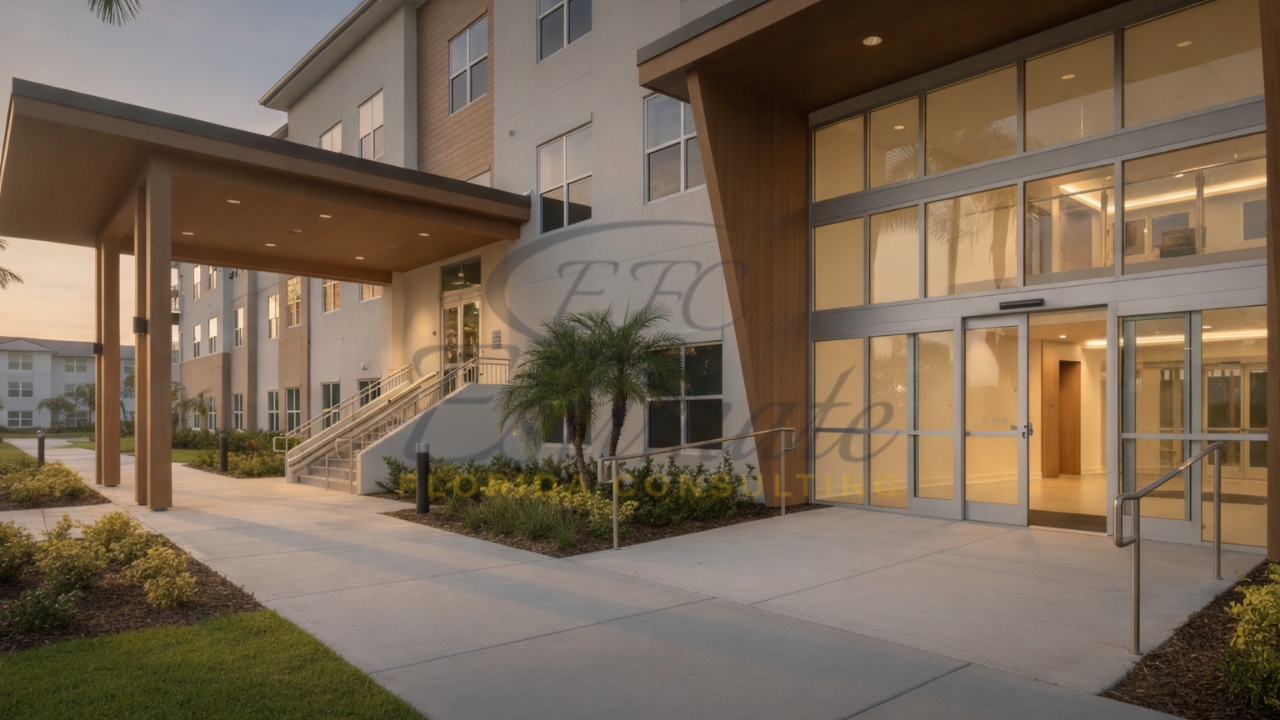
A zero-threshold entry also greatly improves accessibility. It creates a seamless transition that helps wheelchair users enter the facility. This project may require regrading walkways, installing a custom ramp, or rebuilding the threshold and landing. Choose between custom-built solutions by local contractors or safe and nonslip ramp products from trusted companies like EZ-ACCESS. Consider an estimate dubious if it doesn’t provide key details. For example, it should include costs for proper flashing, waterproofing and drainage solutions to avoid potential water damage.
Conducting a Professional Accessibility Audit
Make sure to hire a certified aging-in-place specialist before starting any major renovation projects. Their assessment is critical for identifying significant hazards in the property. The audit will detail a comprehensive action plan per room, ordered based on the most impactful modifications. This investment can prevent facility operators from making costly missteps and ensure a truly accessible space. Ultimately, this step should be considered as an investment toward cost mitigation and not as an additional expense.
Break down the process into steps to make it less overwhelming. First, contact professionals to get a clear roadmap for how to improve accessibility. Their assessment will help you get more accurate and comparable estimates from contractors. Then, invest in high-impact and critical safety needs first. Implement low-cost safety measures after — these efforts all add up to creating a safe space for seniors.
Building a Future-Proof Facility
Investing in accessibility is a great move for senior facility operators. These upgrades enhance safety for the growing senior population while also boosting property values in Florida’s real estate market. By focusing on the total preliminary estimates, you can make effective investments that serve your residents well. Creating spaces that provide a safe living experience is one of the most empowering things operators can do.