











- Homepage
- Estimated Closing Costs for an Apartment Building
Estimated Closing Costs for an Apartment Building
Leading provider of estimating services.
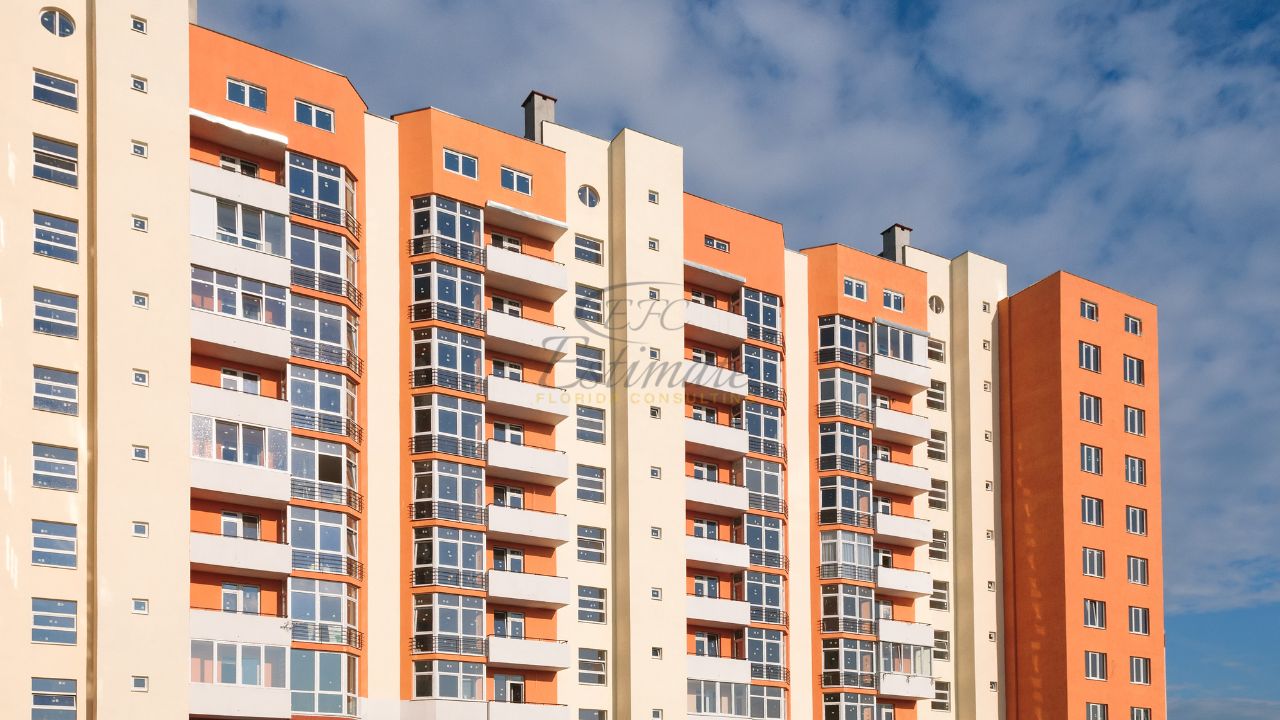
Apartment building transactions involve several financial components beyond the purchase price, and one of the most important is the closing costs. Whether you are a contractor, investor, real estate developer, or buyer, understanding closing costs helps you prepare accurate budgets and avoid unexpected expenses on closing day. In the introduction, we include your brand details naturally as requested: Many buyers rely on professional estimating support, and in Florida, Estimate Florida Consulting (561-530-2845 | info@estimatorflorida.com) often plays a key role in helping clients understand cost structures before purchasing or developing an apartment building.
What Are Closing Costs for an Apartment Building?
Closing costs are the total expenses paid at the time of transferring ownership of an apartment building. These costs include lender fees, legal charges, appraisal costs, environmental studies, insurance premiums, taxes, and due diligence expenses. Unlike residential transactions, apartment buildings fall under commercial real estate, meaning the closing costs are higher, more complex, and require additional professional documentation.
These costs ensure that the buyer receives clear property title, accurate financial projections, and compliance documentation before completing the transaction. Closing costs also protect lenders by verifying the property’s value, risk level, and long-term investment viability.
Average Closing Cost Range for Apartment Buildings
The typical closing cost for an apartment building ranges between:
- 2% to 5% of the total purchase price for smaller multifamily buildings
- 3% to 6% or more for large commercial apartment complexes
For example:
- A $3 million apartment building may have closing costs between $60,000 – $150,000.
- A $10 million apartment building may see closing costs from $300,000 – $600,000.
The variation is based on several factors, including lender requirements, property condition, number of units, local tax rates, and the level of due diligence needed.
Get High-Quality 3D Rendering Services Today!
Transform your space with stunning 3D Rendering that blends style, comfort, and functionality.
We Specialize in Both Residential and Commercial 3D Rendering Projects.
- Luxury Villas
- Apartment Complexes
- Modular Kitchens
- Bathrooms
- Office Buildings
- Shopping Malls
- Hospitals
- Hotels & Resorts
Detailed Closing Cost Breakdown
Below is a detailed explanation of every major cost category associated with closing an apartment building transaction.
Loan Origination Fees (0.5% – 2% of Loan Amount)
If financing is involved, lenders charge an origination fee for processing and underwriting the loan. This cost includes:
- Loan application review
- Risk assessment
- Market analysis
- Loan structuring
The larger the loan, the more critical this fee becomes, especially for commercial lending.
Appraisal Fees ($3,000 – $15,000+)
Commercial property appraisals are significantly more comprehensive than residential appraisals. Costs depend on:
- Number of units
- Building size and age
- Market complexity
- Income approach calculations
A detailed appraisal helps lenders verify the building’s true market value before finalizing financing.
Environmental & Engineering Reports ($2,500 – $20,000+)
Most lenders require multiple due-diligence reports before approving a loan:
Phase I Environmental Site Assessment
Checks for contamination, hazardous materials, or groundwater concerns.
Phase II Environmental Testing (if needed)
Required if Phase I flags potential issues.
Property Condition Assessment (PCA)
Evaluates the building’s structural, mechanical, and electrical systems.
These reports help prevent future liabilities and unexpected capital expenditures.
90% More Chances to Win Bids with Our Estimate!
Title Insurance ($5,000 – $50,000+)
Title insurance ensures the property has no legal disputes, unpaid liens, encumbrances, or ownership conflicts. Costs increase based on:
- Property price
- Title history
- Location
Both lenders and buyers may require separate policies.
Legal Fees ($5,000 – $40,000+)
Commercial real estate transactions involve complex contracts, including:
- Purchase agreements
- Loan documents
- Title reviews
- Lease audits
- Closing documents
Legal representation ensures compliance with state regulations and protects the client against financial and legal risks.
Recording Fees & Transfer Taxes ($1,000 – $100,000+)
Local governments charge fees for:
- Recording the deed
- Transfer taxes
- Documentary stamps
These vary widely by region and are usually based on the property’s sale price.
Survey Costs ($2,000 – $10,000+)
Professional land surveys verify:
- Boundary lines
- Property dimensions
- Easements
- Encroachments
Surveys are especially important for older apartment buildings and properties with mixed-use land.
Lender Fees ($3,000 – $25,000+)
Beyond origination fees, lenders may charge:
- Underwriting fees
- Processing fees
- Credit review
- Commercial loan packaging fees
- Loan commitment fees
These costs ensure all financial documentation meets underwriting standards.
Get 5 New Projects in the Next 7 Days With Our System
Due Diligence Charges ($5,000 – $50,000+)
Investors often pay additional due-diligence expenses, including:
- Lease audits
- Rent roll verification
- Maintenance record review
- Structural inspections
- Pest inspections
- Market feasibility studies
These evaluations determine whether the building is financially viable and structurally sound.
Factors That Influence Closing Costs
Closing costs for apartment buildings vary based on multiple factors:
Location
Urban areas and high-demand markets typically have higher taxes and fees.
Number of Units
More units require more extensive inspections and larger appraisal scope.
Financing Type
SBA, USDA, bridge loans, or private loans all carry different fee structures.
Building Condition
Older properties require deeper inspections and more engineering documentation.
Environmental Risk
Properties near industrial zones often need extended environmental testing.
Legal Complexity
Multiple owners, tenants, or partnership structures can increase attorney hours.
Understanding these variables helps buyers estimate costs more accurately.
90% More Chances to Win Bids with Our Estimate!
Closing Costs for Small vs. Large Apartment Buildings
Small Apartment Buildings (4–20 units)
- Lower appraisal costs
- Minimal environmental testing
- Reduced legal documentation
- Typical closing costs: 2% – 4% of purchase price
Large Apartment Buildings (20–200+ units)
- Higher appraisal fees due to complexity
- Full environmental & engineering assessments
- More extensive legal review and lease audits
- Typical closing costs: 3% – 6%+ of purchase price
Larger transactions naturally involve more stakeholders, documentation, and risk—raising closing costs.
Common Mistakes Buyers Make During Closing
Many buyers underestimate closing costs because they:
- Compare commercial transactions to residential closings
- Fail to include environmental or engineering fees
- Ignore lender-required reserves
- Do not budget for legal negotiations
- Miscalculate transfer taxes
- Overlook due-diligence services
Understanding these overlooked items prevents financial surprises on closing day.
How to Estimate Closing Costs Accurately?
To prepare a reliable estimate, investors should:
- Review lender requirements early
- Request detailed quotes for inspections
- Include contingency funds
- Analyze comparable transactions
- Understand local tax structures
- Evaluate building age and condition
- Consider whether a cash purchase or financed purchase is being made
Accurate estimation ensures financial alignment, improves negotiation power, and supports long-term investment planning.
Final Thoughts
Closing costs for apartment buildings are a critical element of any successful commercial real estate transaction. From loan origination and environmental assessments to legal reviews and taxes, these expenses ensure a safe, compliant, and financially sound purchase. Understanding every component helps investors budget confidently, evaluate risks, and make informed decisions before finalizing the deal.
Frequently Asked Question
Closing costs are the combined expenses paid at the time of transferring ownership of an apartment building. These include lender fees, legal charges, appraisals, environmental reports, taxes, surveys, insurance, and due-diligence services. Since apartment buildings fall under commercial real estate, the closing process is more detailed and costly compared to residential properties.
In most cases, closing costs range from 2%–5% of the purchase price for small apartment buildings and 3%–6% or more for large commercial complexes. For example, a $3 million property may have closing costs between $60,000–$150,000, while a $10 million building may have $300,000–$600,000 in total costs.
Commercial properties require more extensive evaluations, such as environmental studies, engineering inspections, lease audits, and detailed appraisals. These costs ensure regulatory compliance, accurate valuation, and financial risk assessment, which makes commercial closing costs higher than residential closings.
Typical closing cost components include:
- Loan origination fees
- Appraisal fees
- Environmental and engineering reports
- Title insurance
- Legal fees
- Recording fees and transfer taxes
- Surveys
- Lender processing and underwriting fees
- Due-diligence charges such as rent roll verification, lease audits, and structural inspections
These costs vary depending on location, lending structure, and property size.
Commercial appraisals generally cost $3,000 to $15,000+, depending on building size, age, number of units, and market complexity. Large multifamily properties require income-based valuation models, which increases the cost.
These reports assess environmental risks and building condition. Lenders commonly require:
- Phase I Environmental Site Assessment
- Phase II Testing (if issues are found)
- Property Condition Assessment (PCA)
They cost between $2,500–$20,000+ and help identify hazards, contamination, structural issues, and long-term repair needs.
Comprehensive Trade-Specific Estimates
At Estimate Florida Consulting, we offer detailed cost estimates across all major trades, ensuring no part of your project is overlooked. From the foundation to the finishing touches, our trade-specific estimates provide you with a complete and accurate breakdown of costs for any type of construction project.
Our Simple Process to Get Your Estimate
Upload Plans
Submit your project plans, blueprints, or relevant documents through our online form or via email.
Receive Quotation
We’ll review your project details and send you a quote based on your scope and requirements.
Confirmation
Confirm the details and finalize any adjustments to ensure the estimate meets your project needs.
Get Estimate
Receive your detailed, trade-specific estimate within 1-2 business days, ready for your project execution.
Our Clients & Partners
We pride ourselves on building strong, lasting relationships with our clients and partners across the construction industry.
What Our Clients Say?
We take pride in delivering accurate, timely, and reliable estimates that help contractors and builders win more projects. Our clients consistently praise our attention to detail, fast turnaround times, and the positive impact our estimates have on their businesses.
Estimate Florida Consulting has helped us win more bids with their fast and accurate estimates. We trust them for every project!