




















- Homepage
- How Much Does a Yard of Concrete Weigh?
How Much Does a Yard of Concrete Weigh?
Leading provider of estimate services.
Concrete may appear simple from the outside—just a gray, durable material poured to create driveways, slabs, sidewalks, and foundations. But beneath the surface, understanding the weight of concrete is one of the most important pieces of information when planning a construction project. Whether you’re estimating delivery costs, checking load limits, preparing formwork, designing footings, or planning equipment requirements, the weight of a cubic yard of concrete influences nearly every stage of the project.
In Florida, where many homes are built on slab foundations and concrete is used extensively for patios, driveways, pool decks, and coastal structures,
knowing how much concrete weighs helps avoid issues like cracking, foundation settlement, overloaded trucks, soil instability, or premature structural wear. The weight of concrete also affects delivery logistics, especially in neighborhoods with soft soil, wet conditions, or limited truck access.
Standard Weight of a Cubic Yard of Concrete
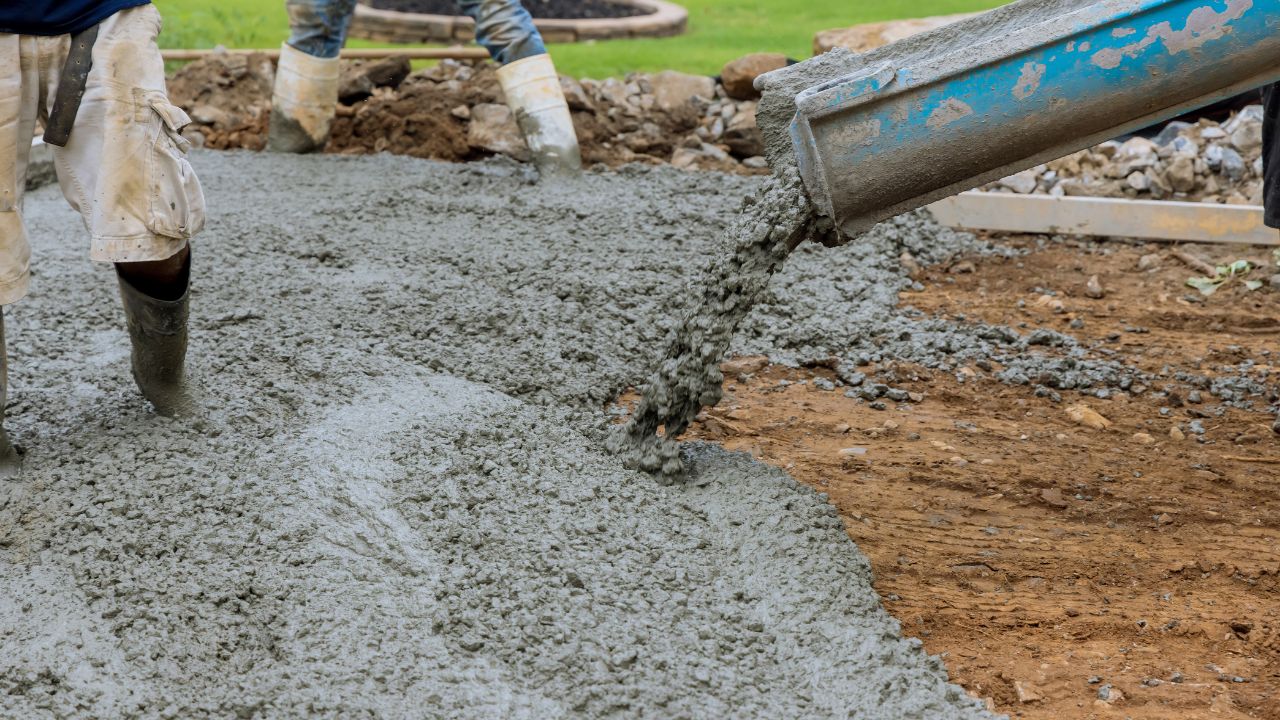
A standard 1 cubic yard of normal concrete weighs approximately 4,050 pounds when wet and 3,950 pounds when fully cured. However, weights can vary based on density, water content, aggregate type, and reinforcement.
Concrete State | Approximate Weight |
Wet concrete (freshly poured) | 4,050 lbs per cubic yard |
Dry / cured concrete | 3,900 – 4,100 lbs per cubic yard |
High-density or reinforced concrete | 4,200 – 6,500+ lbs per cubic yard |
The common reference number used in construction estimating is:
1 cubic yard of concrete ≈ 4,000 pounds
This number is used in engineering load calculations, equipment planning, delivery logistics, and building code compliance.
Why Concrete Weight Varies
Not all concrete weighs the same. The density changes depending on the mixture and purpose.
Concrete weight is influenced by:
- Aggregate type (river gravel, limestone, granite, lightweight aggregates)
- Water-to-cement ratio
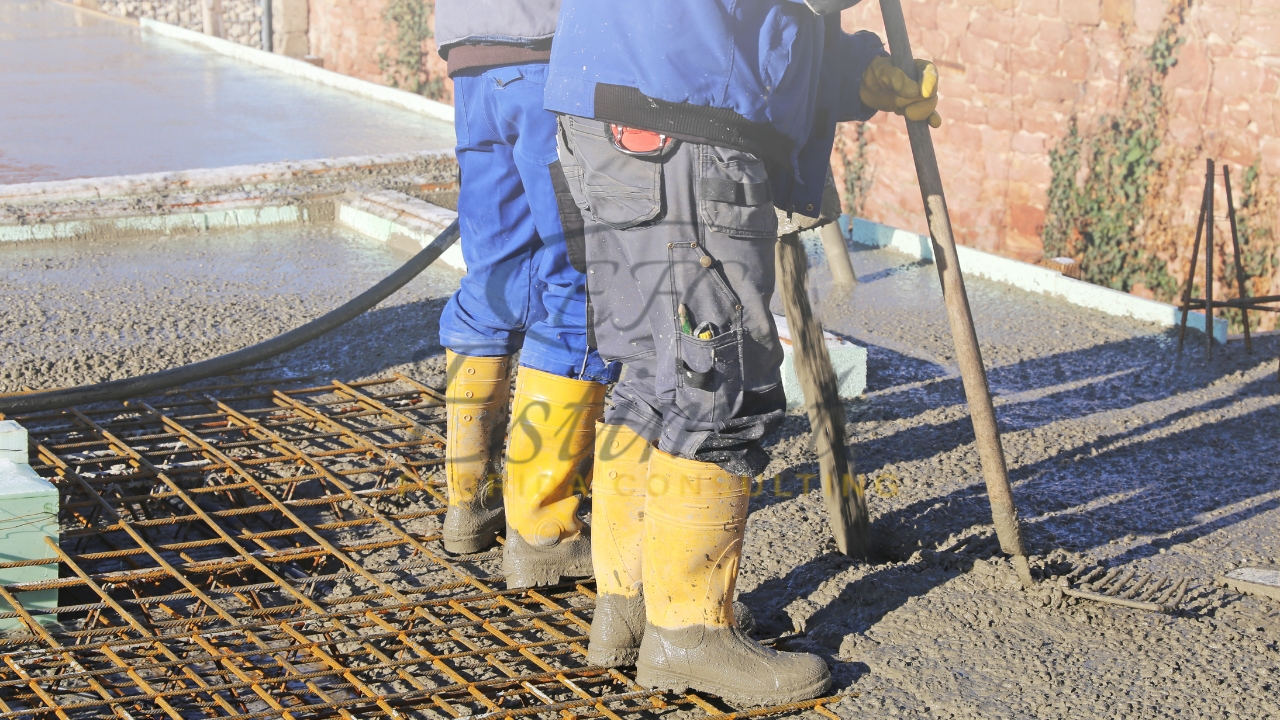
- Reinforcement materials (rebar, wire mesh, fibers)
- Additives (fly ash, air-entrainment, densifiers)
- Trapped moisture levels
- Compaction and curing method
Because Florida is prone to high humidity, moisture retention may temporarily increase the weight of newly placed concrete.
Get High-Quality 3D Rendering Services Today!
Transform your space with stunning 3D Rendering that blends style, comfort, and functionality.
We Specialize in Both Residential and Commercial 3D Rendering Projects.
- Luxury Villas
- Apartment Complexes
- Modular Kitchens
- Bathrooms
- Office Buildings
- Shopping Malls
- Hospitals
- Hotels & Resorts
Reinforced vs. Non-Reinforced Concrete Weight
Concrete used for structural slabs, driveways, and load-bearing areas often contains rebar or wire mesh, increasing overall weight.
Concrete Type | Weight per Cubic Yard |
Standard concrete, no reinforcement | ~4,000 lbs |
Concrete with wire mesh | ~4,150 – 4,350 lbs |
Concrete with rebar grid | ~4,300 – 4,900 lbs |
Heavy-duty or structural concrete | 5,000 – 6,500+ lbs |
The more reinforcement included, the stronger and heavier the final product becomes.
Wet vs. Dry Concrete Weight
Concrete changes weight during the curing process. When water evaporates, total weight decreases slightly—but structural density increases.
Stage | Weight Behavior |
Wet (fresh mix) | Heavier due to excess water content |
Initial set (24–48 hrs) | Begins losing water weight |
Fully cured (28 days) | Stabilizes at its permanent density |
Florida’s warm and humid climate accelerates setting time but slows full moisture evaporation, meaning fully cured concrete may take longer to reach final weight.
90% More Chances to Win Bids with Our Estimate!
Weight by Mix Type
Different concrete mixes have different densities based on aggregate and intended use.
Mix Type | Weight per Cubic Yard | Typical Use |
Lightweight concrete | ~2,800 – 3,500 lbs | Multi-story structures, block fill, roof decks |
Standard concrete | ~3,900 – 4,100 lbs | Driveways, patios, floors, sidewalks |
High-strength concrete | ~4,200 – 5,000 lbs | Industrial slabs, structural, commercial |
Ultra-dense / heavy concrete | ~5,000 – 7,000 lbs | Radiation shielding, specialty applications |
Most residential Florida projects use standard concrete.
How Weight Translates to Slab Size?
Concrete is commonly installed by square footage, not cubic yards—but weight must be converted when estimating load capacity or delivery requirements.
Use this reference table based on slab thickness:
Slab Thickness | Sq.Ft. Covered per Yard | Weight per Sq.Ft. (Approx.) |
3 inches | 108 sq.ft. | ~37 lbs per sq.ft. |
4 inches | 81 sq.ft. | ~50 lbs per sq.ft. |
5 inches | 65 sq.ft. | ~62 lbs per sq.ft. |
6 inches | 54 sq.ft. | ~75 lbs per sq.ft. |
8 inches | 40.5 sq.ft. | ~100 lbs per sq.ft. |
This is especially useful for estimating:
- Vehicle load capacity
- Formwork strength
- Equipment needs
- Structural reinforcement
- Hauling disposal weight
Weight Impact on Delivery and Equipment Costs
Transporting concrete requires heavy trucks that operate under roadway weight regulations. In Florida, a full concrete truck typically carries 8–10 cubic yards, weighing up to:
30,000–40,000 pounds (15–20 tons) loaded.
Delivery Factor | Cost Impact |
Distance from plant | Affects fuel charge |
Access limitations | May require small-load truck |
Pump truck usage | Extra cost if direct chute pour is not possible |
Multiple loads | Needed for large or multi-stage pours |
Tight Florida neighborhoods, coastal communities, or soft sand lots may require pump trucks or smaller loads, increasing logistics cost.
Soil Conditions and Structural Load Considerations in Florida
Concrete weight interacts with soil conditions differently depending on regional geology.
Common Florida soil conditions affecting load bearing:
Soil Type | Impact on Concrete Weight |
Soft sand | May require compaction or base reinforcement |
Clay pockets | Can cause moisture-driven expansion and cracking |
Coastal soils | May require corrosion-resistant reinforcement |
Wet or low-lying sites | Need thicker base or drainage |
For heavy loads such as RV pads or structural slabs, reinforcement and base depth must match weight demands.
Final Summary
A cubic yard of concrete typically weighs about 4,000 pounds, but the exact weight depends on reinforcement, moisture content, and mix design. Understanding concrete weight is crucial when planning construction logistics, delivery, formwork, load-bearing design, and site preparation — especially in Florida, where soil and environmental conditions require careful engineering and installation.
Whether planning a driveway, patio, foundation, sidewalk, retaining wall, or commercial slab, knowing the true weight of concrete ensures safer, more efficient project planning and helps prevent structural failures or cost overruns.
Frequently Asked Question
Approximately 150 pounds.
Approximately 30,000–40,000 pounds depending on load size.
Yes — rebar, mesh, and additives increase overall weight.
Slightly — water evaporates, lowering weight by 2–5%.
Comprehensive Trade-Specific Estimates
At Estimate Florida Consulting, we offer detailed cost estimates across all major trades, ensuring no part of your project is overlooked. From the foundation to the finishing touches, our trade-specific estimates provide you with a complete and accurate breakdown of costs for any type of construction project.
Our Simple Process to Get Your Estimate
Upload Plans
Submit your project plans, blueprints, or relevant documents through our online form or via email.
Receive Quotation
We’ll review your project details and send you a quote based on your scope and requirements.
Confirmation
Confirm the details and finalize any adjustments to ensure the estimate meets your project needs.
Get Estimate
Receive your detailed, trade-specific estimate within 1-2 business days, ready for your project execution.
Our Clients & Partners
We pride ourselves on building strong, lasting relationships with our clients and partners across the construction industry.
What Our Clients Say?
We take pride in delivering accurate, timely, and reliable estimates that help contractors and builders win more projects. Our clients consistently praise our attention to detail, fast turnaround times, and the positive impact our estimates have on their businesses.
Estimate Florida Consulting has helped us win more bids with their fast and accurate estimates. We trust them for every project!