








Why Vertical Siding Is More Expensive?

Leading provider of siding installation services.

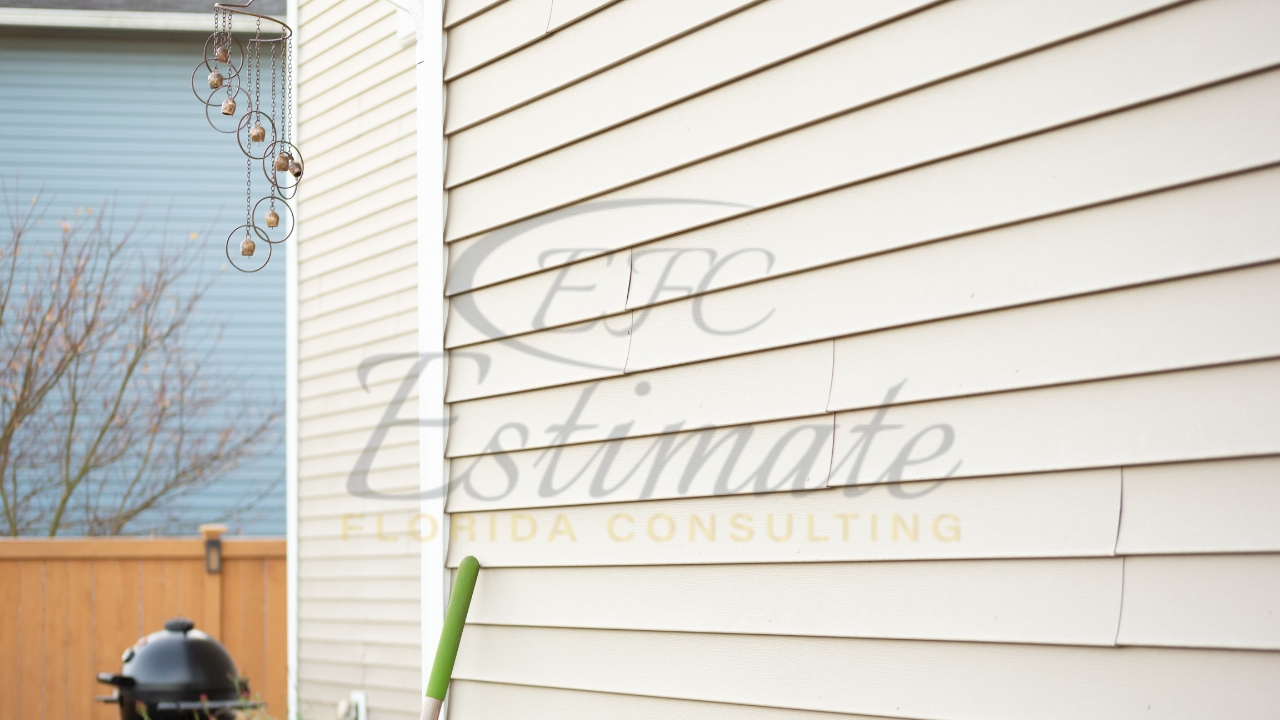
Vertical siding has become a popular architectural choice across Florida due to its clean, modern appearance and striking curb appeal. Unlike traditional horizontal siding, vertical layouts draw the eye upward and create a taller, more contemporary look on both residential and commercial buildings. However, many homeowners, contractors, and developers quickly notice that vertical siding tends to be more expensive than horizontal siding. The higher cost is not due to the material alone — installation complexity, structural reinforcement, sealing requirements, and additional design components all contribute to a steeper price. Understanding these factors helps anyone planning a Florida construction or remodeling project estimate the Cost To Install or Replace Siding more accurately and avoid unexpected expenses.

Why Vertical Siding Is More Expensive

Hire Contractor For
Your Siding Projects

Vertical vs. Horizontal Siding — Cost Comparison in Florida

The first step toward understanding vertical siding pricing is comparing it to standard horizontal siding. Both use similar materials — vinyl, fiber cement, wood, engineered wood, metal, and more — but installation methods differ significantly. Vertical siding requires extra trim, battens, caulking, and waterproofing steps that increase both material and labor cost.

Siding Type

Horizontal Cost per Sq.Ft. Installed

Vertical Cost per Sq.Ft. Installed

Vinyl

$7.15 – $12.65

$8.25 – $14.85

Fiber Cement

$9.35 – $14.85

$10.45 – $17.60

Wood

$10.45 – $20.90

$12.10 – $24.20

Stucco (panel format)

$9.90 – $19.25

$11 – $22

Engineered Wood

$9.35 – $15.95

$10.45 – $18.15

Metal (Aluminum / Steel)

$11 – $22

$12.10 – $24.75

Hardie Board

$10.45 – $21.45

$11.55 – $24.20

Brick / Stone accents combined with siding

$14,300 – $26,400 (average total)

$16,500 – $30,800 (average total)

In nearly all cases, vertical siding comes with a higher price tag because it takes longer to install, requires additional components to prevent water intrusion, and demands greater installer precision. These factors especially matter in Florida, where wind-driven rain and humidity require exterior systems to be fully sealed and reinforced.

Why Vertical Siding Costs More — Full Breakdown

Vertical siding is not automatically expensive because of the material itself — the added cost comes from the way it must be installed, waterproofed, and finished. Unlike horizontal siding, which overlaps in a way that naturally sheds water, vertical siding creates multiple straight seams that run from top to bottom. In Florida’s humid and hurricane-prone climate, these seams require extra protection to prevent moisture penetration, mold, and long-term damage. This protection requires more labor time, more materials, and higher installer skill, which increases total cost.

Below is a detailed explanation of the key reasons vertical siding costs more than horizontal siding:

Get High-Quality 3D Rendering Services Today!

Transform your space with stunning 3D Rendering that blends style, comfort, and functionality.

We Specialize in Both Residential and Commercial 3D Rendering Projects.

1. Special Waterproofing Requirements

Vertical siding must be reinforced with waterproof layers because rain travels directly down the seams. Without added sealing, water can slip behind the panels and soak into the wall.

Extra required materials include:

  • Weather-resistant barrier

  • Vertical furring strips

  • Caulking along every seam

  • Flashing around windows, doors, and edges

  • Drip management components

Each layer increases installation time and material cost.

2. More Trim and Battens Are Needed

Vertical siding usually requires additional trim pieces to cover joints and protect seams. Board-and-batten siding is a common example — where battens (thin vertical strips) must be installed over each seam.

More trim and battens =

  • More material cost

  • More cutting and measuring

  • More fastening points

This adds hours of labor and extra supply cost to the project.

3. Slower Installation Process

Horizontal siding follows a predictable pattern and installs quickly. Vertical siding requires more:

  • Measurement

  • Panel alignment

  • Leveling

  • Rechecking

Installers must ensure every panel is perfectly vertical — an error of a few millimeters becomes very visible across the full wall height. This precision slows installation and raises labor cost.

4. Higher Skill Requirement

Not all siding crews specialize in vertical siding. Installers must understand:

  • Moisture control

  • Structural reinforcement

  • Wind-load installation pattern

  • Vertical fastening layout

  • Trim and batten spacing requirements

Fewer qualified installers = higher labor cost.

5. Structural Support May Be Required

Some homes need reinforcement before vertical siding can be installed — especially heavier materials like fiber cement, engineered wood, or metal.

Reinforcement may include:

  • Sheathing upgrades


  • Additional fasteners for high-wind zones


  • Added wall leveling for perfect panel alignment

Properties in coastal Florida often require extra bracing because of hurricane wind zones, which increases cost.

Why Vertical Siding Is More Expensive

6. More Waste Material

Vertical siding often creates more leftover pieces because:

  • Panels are cut lengthwise and crosswise

  • Custom lengths are needed around windows and architecture

  • Battens and trim cuts add extra waste

More waste = higher total material requirement.

7. Architectural Appeal Increases Demand

Demand also affects pricing. Vertical siding has gained strong popularity for modern and luxury homes, and manufacturers often price premium vertical-profile panels higher than standard horizontal formats.

Vertical Siding Cost in Florida by Material

The cost of vertical siding varies widely depending on the siding material chosen. While the installation method is a major cost driver, each material brings different pricing, durability, and maintenance considerations — especially in Florida’s humid and coastal climate. Below is a full breakdown of vertical siding pricing across commonly used materials.

Vinyl Vertical Siding Cost

Vinyl is one of the most affordable vertical siding materials and is popular for modern exterior styles like board-and-batten. It is lightweight and performs well in humidity but may fade faster in intense Florida sunlight.

Cost per sq.ft. installed

$8.25 – $14.85

Best for

Budget projects, traditional & modern styles

Lifespan

20 – 40 years

Fiber Cement Vertical Siding Cost

Fiber cement is widely used in Florida because it resists moisture, heat, pests, and fire. Vertical fiber cement panels require extra flashing and waterproofing, which increases labor cost.

Cost per sq.ft. installed

$10.45 – $17.60

Best for

Hurricane-resistant homes, coastal architecture

Lifespan

30 – 50 years

Wood Vertical Siding Cost

Vertical wood siding gives homes a warm, natural appearance that stands out. However, wood requires consistent sealing or painting because Florida’s climate increases risks of moisture damage and termite exposure.

Cost per sq.ft. installed

$12.10 – $24.20

Best for

Rustic, cabin, and luxury architectural styles

Lifespan

20 – 40 years with high maintenance

Want to Start Your Project with the Best Contractors?

Let’s Take Your Projects to the Next Level.

EMAIL info@estimatorflorida.com
PHONE 561-530-2845

& What's you will get:

  • Connecting You to Top Local Contractors
  • Professional Consulting, Contractors Near You
  • From Expert Advice to Local Contractor Connections 
We’re Here for You – Reach Out Today!

Contact Now

Let's discuss with a cup of coffee

Stucco Panel Vertical Siding Cost

Although most stucco is applied horizontally, panel-style stucco can also be installed vertically. This method adds unique texture and avoids horizontal cracking but requires careful sealing.

Cost per sq.ft. installed

$11 – $22

Best for

Mediterranean + contemporary homes

Lifespan

50 – 80 years

Engineered Wood Vertical Siding Cost

Engineered wood provides the look of natural wood with better resistance to moisture and pests. Vertical installation requires precision alignment and extra sealing.

Cost per sq.ft. installed

$10.45 – $18.15

Best for

Modern and transitional design homes

Lifespan

25 – 40 years

Metal Vertical Siding Cost (Aluminum / Steel)

Metal vertical siding has become popular for modern architectural designs. It is low-maintenance and performs well in salt air when coated properly. Steel offers better impact resistance than aluminum but is heavier to install.

Cost per sq.ft. installed

$12.10 – $24.75

Best for

Contemporary, farmhouse, commercial exteriors

Lifespan

40 – 70 years

Hardie Board Vertical Siding Cost

Hardie Board, a specialized form of fiber cement, is engineered to resist harsh weather and humidity. It is one of the most durable vertical siding options for Florida properties.

Cost per sq.ft. installed

$11.55 – $24.20

Best for

Maximum weather protection and long-term value

Lifespan

30 – 50 years

Why Vertical Siding Is More Expensive

Cost Comparison Table — Vertical Siding Materials in Florida

Siding Material

Cost per Sq.Ft. Installed

Lifespan

Vinyl

$8.25 – $14.85

20 – 40 yrs

Fiber Cement

$10.45 – $17.60

30 – 50 yrs

Wood

$12.10 – $24.20

20 – 40 yrs

Stucco (Panel Format)

$11 – $22

50 – 80 yrs

Engineered Wood

$10.45 – $18.15

25 – 40 yrs

Metal (Aluminum / Steel)

$12.10 – $24.75

40 – 70 yrs

Hardie Board

$11.55 – $24.20

30 – 50 yrs

Labor Cost: Vertical vs. Horizontal Siding Installation in Florida

Labor plays a major role in the price difference between vertical and horizontal siding. Even when the same material is used, vertical installation requires more precision, extra sealing steps, and slower progress — all of which increase labor hours and total project cost. Florida contractors must also follow strict moisture-control and hurricane-resistant fastening standards, adding to the complexity.

Why Labor Costs Are Higher for Vertical Siding?

Vertical siding requires:

  • More detailed measurements to ensure perfectly straight alignment

  • Additional flashing and sealing along seams

  • Battens or trim pieces to cover vertical joints

  • Extra fastening points for hurricane wind-load codes

  • Increased surface preparation to prevent water intrusion

Every added step means more professional time on-site, extra verification during installation, and more materials used.

Labor Cost Comparison — Florida

Siding Style

Labor Cost per Sq.Ft. Installed

Horizontal Siding

$2.75 – $8.25

Vertical Siding

$3.85 – $11.55

On average, vertical siding labor costs approximately 30–40% more than horizontal because of the complexity and installation time. For a typical home, this difference alone can add thousands of dollars to a project — even before material upgrades or decorative design choices are applied.

Two-Story Homes Cost More

Florida has many two-story houses, and labor increases further when installing vertical siding on taller structures. Raised properties, waterfront homes, and elevated foundations sometimes require:

  • Specialty scaffolding

  • Fall-protection anchoring

  • Safety bracing in high-wind coastal zones

These elevated-access conditions increase installer time and therefore increase total labor cost.

90% More Chances to Win Siding Bids with Our Estimate!

How Florida’s Climate and Weather Contribute to Higher Vertical Siding Costs?

Florida’s environment plays a major role in siding performance and installation requirements. While vertical siding offers a modern and attractive look, its design must work harder to protect walls against water, heat, and wind — especially compared to horizontal siding.

1. Heavy Rainfall and Humidity

Florida experiences frequent heavy rain and year-round humidity. Because rainwater travels downward, vertical seams become direct pathways for moisture. To prevent water from penetrating walls, vertical siding requires:

  • Additional flashing

  • Vapor or weather-resistant barriers

  • Seam-by-seam caulking

  • Battens or trim pieces

These moisture-control steps increase both installation time and total cost.

2. Wind-Driven Rain and Hurricanes

Florida’s hurricane seasons bring strong winds that push rain up and sideways against exterior walls. Vertical siding needs stronger fastening systems to prevent panels from shifting or separating during storms. This often includes:

  • Added fasteners per panel

  • Reinforced nail patterns

  • Hurricane-approved fastening strips

Such requirements increase material usage and labor.

3. Salt Air in Coastal Areas

Homes near Florida’s coastline are exposed to salt air. Salt accelerates corrosion on metal fasteners and flashing. To prevent long-term damage:

  • Stainless steel or coated fasteners are required

  • Heavier-duty trim metals may be recommended

Salt-resistant components cost more but extend siding durability in coastal environments.

4. High UV Exposure

Florida has intense sunlight for most of the year. While all siding types experience color fading over time, vertical siding is more likely to require:

  • UV-resistant paint or factory coating


  • Touch-ups on exposed trim and battens

This adds to the material and maintenance cost across the lifespan of vertical siding.

Why Vertical Siding Is More Expensive

5. Mildew and Mold Growth

Because Florida has high humidity, exterior mold growth is common. Vertical siding requires additional measures to prevent moisture buildup behind panels, including:

  • Stronger ventilation systems

  • Proper drainage pathways

  • Expanded flashing design for vertical joints

These measures protect the home but add complexity and cost to the installation.

Cost Estimator — Vertical Siding for a 1,500 sq.ft. Home in Florida

To understand how all cost factors come together, the table below shows estimated pricing for installing vertical siding on a 1,500 sq.ft. Florida home, including both materials and labor. These prices reflect the added cost of vertical installation such as waterproofing, battens, trim, and increased installation time.

Vertical Siding Material

Estimated Cost for 1,500 sq.ft. Installed

Vinyl Vertical Siding

$12,375 – $22,275

Fiber Cement Vertical Siding

$15,675 – $26,400

Wood Vertical Siding

$18,150 – $36,300

Stucco (Panel Style Vertical)

$16,500 – $33,000

Engineered Wood Vertical Siding

$15,675 – $27,225

Metal Vertical Siding (Aluminum / Steel)

$19,250 – $38,500

Hardie Board Vertical Siding

$18,150 – $37,950

What affects the final project price?

Even within the estimates above, the total cost can shift due to:

  • One-story vs two-story home


  • Coastal vs inland location


  • Wind-zone fastening requirements


  • Trim style and material upgrades


  • Decorative accent siding (board-and-batten look)


  • Condition of existing siding or sheathing


  • Custom window/door framing details

Vertical siding on two-story Florida homes is typically 15–25% more expensive than on one-story structures because of accessibility and equipment requirements.

Extra Expenses That Increase the Cost of Vertical Siding

Beyond the base price of materials and labor, several other factors contribute to the higher overall cost of vertical siding in Florida. These added expenses are related to waterproofing, reinforcement, trim work, and project conditions. Understanding these elements helps homeowners and contractors plan accurate budgets before installation begins.

Additional Waterproofing Layers

Because Florida receives heavy rain and moisture year-round, vertical siding requires extra waterproofing underlayment to prevent water penetration behind panels.

Added cost range

$1,100 – $4,400

Includes

Weather-resistant barrier, flashing tape, seam sealing

Battens, Trims & Edge Treatments

Vertical siding uses more trim pieces than horizontal siding. Board-and-batten installations require individual battens placed over every seam.

Added cost range

$1,650 – $6,600 depending on house size and trim material

Removal of Old Siding

If existing siding must be taken off before installing vertical panels, labor and disposal fees apply.

Added cost range

$1,100 – $7,700 depending on material removed


Custom Exterior Design Elements

Many Florida homes mix vertical siding with accents such as:

  • Gables and dormers
  • Porch columns
  • Entryway façades
  • Stone or brick detailing

These enhancements increase installation time and require more cutting and alignment.

Added cost range

$2,200 – $12,650

Why Vertical Siding Is More Expensive

UV-Resistant Coating or Finish

Because of Florida’s extreme sunlight, some siding types require a UV-resistant factory finish or top-coat sealant to prevent fading and warping.

Added cost range

$1.10 – $3.85 per sq.ft. depending on material

Maintenance & Long-Term Cost — Vertical vs. Horizontal Siding

Although vertical siding is more expensive to install, many homeowners and builders consider it a worthwhile investment because its long-term maintenance requirements are often lower than horizontal siding. This advantage becomes especially valuable in Florida, where humidity, wind-driven rain, and salt air can affect exterior materials more aggressively.

Why Vertical Siding Can Be Cheaper to Maintain Over Time?

  • Water drains downward naturally instead of getting trapped in horizontal laps

  • Dirt and debris collect less on vertical surfaces

  • Fewer opportunities for mildew buildup compared to horizontal seams

  • Better long-term ventilation when properly waterproofed

While upfront installation costs are higher, long-term maintenance can balance out the total investment for some materials.

Maintenance Comparison Table — Florida Climate

Siding Type

Maintenance Level (Vertical)

Maintenance Level (Horizontal)

Vinyl

Low

Medium

Fiber Cement

Low

Low / Medium

Wood

Medium / High

High

Stucco (panel format)

Low

Medium

Engineered Wood

Medium

Medium / High

Metal (Aluminum / Steel)

Very Low

Low

Hardie Board

Low

Low / Medium

Note: Wood requires the most care in Florida regardless of direction because of moisture and termites.

Annual Maintenance Cost Expectations in Florida

Siding Material

Expected Annual Maintenance Cost (Vertical Installation)

Vinyl

$110 – $385

Fiber Cement

$110 – $330

Wood

$440 – $1,320

Stucco (Panel Style)

$165 – $495

Engineered Wood

$275 – $660

Metal (Aluminum / Steel)

$55 – $275

Hardie Board

$110 – $330

Homes close to the beach may require more frequent washing to remove salt buildup — especially for metal, Hardie Board, and fiber cement — but overall maintenance remains manageable.

90% More Chances to Win Siding Bids with Our Estimate!

Additional Considerations in Florida — Permits, Wind Zones, Moisture Barriers & HOA Design Rules

When planning a vertical siding installation in Florida, cost and material selection are important, but regulatory and environmental requirements can also influence the budget and timeline. Florida has some of the strictest exterior construction rules in the United States because the state must protect homes from heavy rain, heat, moisture, and hurricanes. These factors affect the way vertical siding is designed, installed, and approved.

Permit Requirements

Most Florida counties require a permit for exterior siding projects because siding is part of the building envelope. Permit fees vary depending on municipality and scope of work.


Typical permit cost

$220 – $1,100

Required for

New siding or complete replacement

Some jurisdictions have additional requirements if siding installation changes the architectural appearance of the property.

Wind Zone & Hurricane Standards

Florida building codes are designed around hurricane safety. Depending on the county, the home may fall in:

  • Standard wind zone

  • High-velocity hurricane zone (HVHZ) — common in South Florida and coastal cities

Vertical siding in these zones must use:

  • Approved fastening patterns

  • Hurricane-rated screws or nails

  • Reinforced trim and corner treatments

These requirements add to the project cost but strengthen long-term resilience.

Moisture Barrier Requirements

Because heavy rainfall is common, Florida inspectors pay close attention to moisture control. Vertical siding requires:

  • Weather-resistant barrier (WRB)

  • Flashing tape at all penetrations

  • Drip flashing at horizontal transitions

  • Continuous caulking on vertical seams

Improper moisture control can trap water behind the siding and cause mold or structural damage, so installation precision is critical.

HOA Rules and Architectural Approvals

Many Florida neighborhoods — especially new developments — have HOA design standards that regulate:

  • Siding styles allowed

  • Materials and panel width

  • Color schemes

  • Combination of horizontal vs. vertical layout

If an HOA approval is required, the design must be submitted before installation begins. This does not affect the material cost but may affect design choices and timeline.

Want to Start Your Project with the Best Contractors?

Let’s Take Your Projects to the Next Level.

EMAIL info@estimatorflorida.com
PHONE 561-530-2845

& What's you will get:

  • Connecting You to Top Local Contractors
  • Professional Consulting, Contractors Near You
  • From Expert Advice to Local Contractor Connections 
We’re Here for You – Reach Out Today!

Contact Now

Let's discuss with a cup of coffee

Question Answer

Frequently Asked Question

Vertical siding costs more because it requires extra waterproofing, more trim pieces, precise alignment, added fastening steps, and longer installation time. Florida’s humidity and heavy rain further increase the need for seam sealing and moisture protection.

Vertical siding is generally 15–30% more expensive than horizontal siding when using the same material. This difference comes mostly from labor and extra installation components.

Fiber cement, Hardie Board, metal, and engineered wood perform best in Florida’s coastal climate because they resist moisture, insects, heat, and wind. Vinyl is cost-effective but can fade faster in intense UV.

No. Vertical siding often requires less maintenance than horizontal because rainwater drains more efficiently and dirt collects less on vertical surfaces.

Yes. Many Florida homes combine vertical siding on gables or entryways with horizontal siding on the rest of the home for a balanced look and optimized cost.

Comprehensive Trade-Specific Estimates

At Estimate Florida Consulting, we offer detailed cost estimates across all major trades, ensuring no part of your project is overlooked. From the foundation to the finishing touches, our trade-specific estimates provide you with a complete and accurate breakdown of costs for any type of construction project.

Our Simple Process to Get Your Estimate

01

Upload Plans

Submit your project plans, blueprints, or relevant documents through our online form or via email.

02

Receive Quotation

We’ll review your project details and send you a quote based on your scope and requirements.

03

Confirmation

Confirm the details and finalize any adjustments to ensure the estimate meets your project needs.

04

Get Estimate

Receive your detailed, trade-specific estimate within 1-2 business days, ready for your project execution.

Get Started
Construction Cost Estimator
Client Trust Us

Our Clients & Partners

We pride ourselves on building strong, lasting relationships with our clients and partners across the construction industry.

Testimonials

What Our Clients Say?

We take pride in delivering accurate, timely, and reliable estimates that help contractors and builders win more projects. Our clients consistently praise our attention to detail, fast turnaround times, and the positive impact our estimates have on their businesses.

Estimate Florida Consulting has helped us win more bids with their fast and accurate estimates. We trust them for every project!

Marvelous Marble
Marvelous Marble Manager

Their estimates are always on time and on point, making budgeting much easier. We've saved time and money thanks to their services.

6 Star Contractors
6 Star Painting Contractor

Since using their services, we’ve secured more projects. Their attention to detail is second to none.

Patio Pools Driveways
Patio Pools and Driveway Contractor

Upload Plans Here