Asphalt Overlay vs. Resurfacing: How to Choose the Right Fix for Your Pavement?
Keeping pavement in top condition is about more than curb appeal—it’s about safety, durability, and protecting a property’s long-term value. When your driveway, parking lot, or access road starts showing wear, two common repair options come up: asphalt overlay and asphalt resurfacing. They sound similar, but they address very different problems. This guide walks you through what each method actually does, the pros and cons, and how to decide which fix makes fiscal and functional sense for your pavement.
The Basics: What Each Option Means
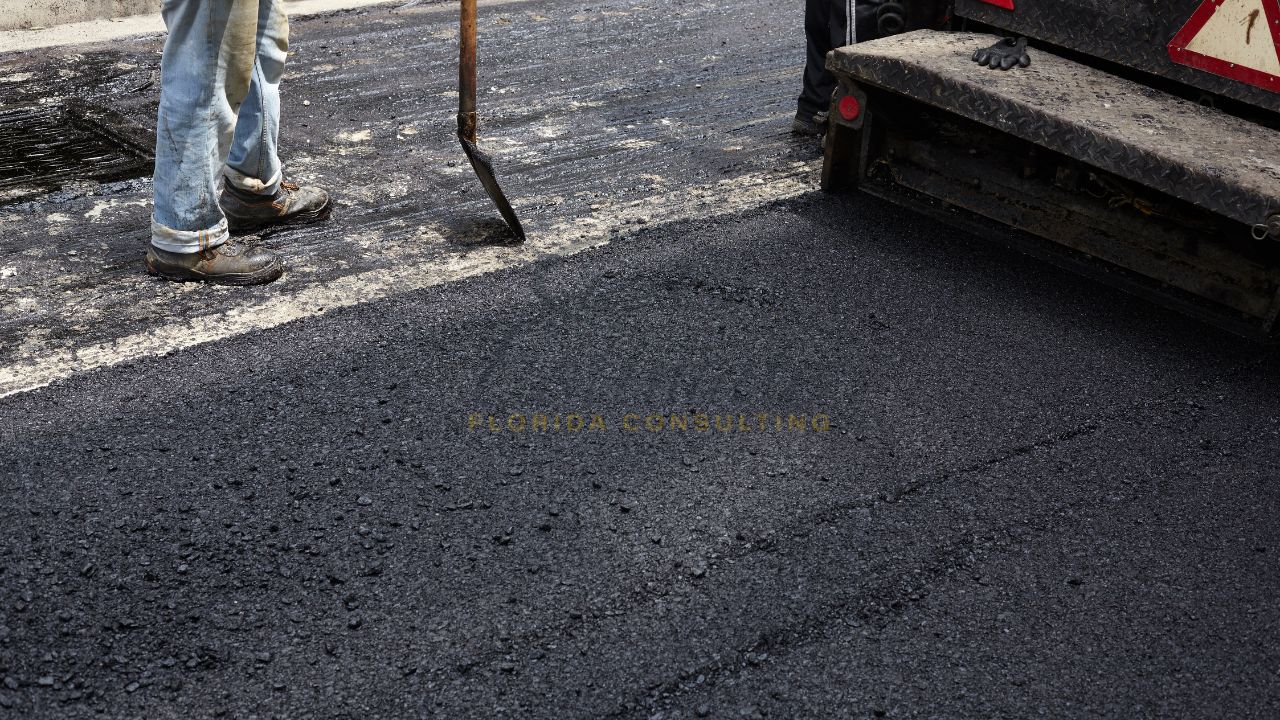
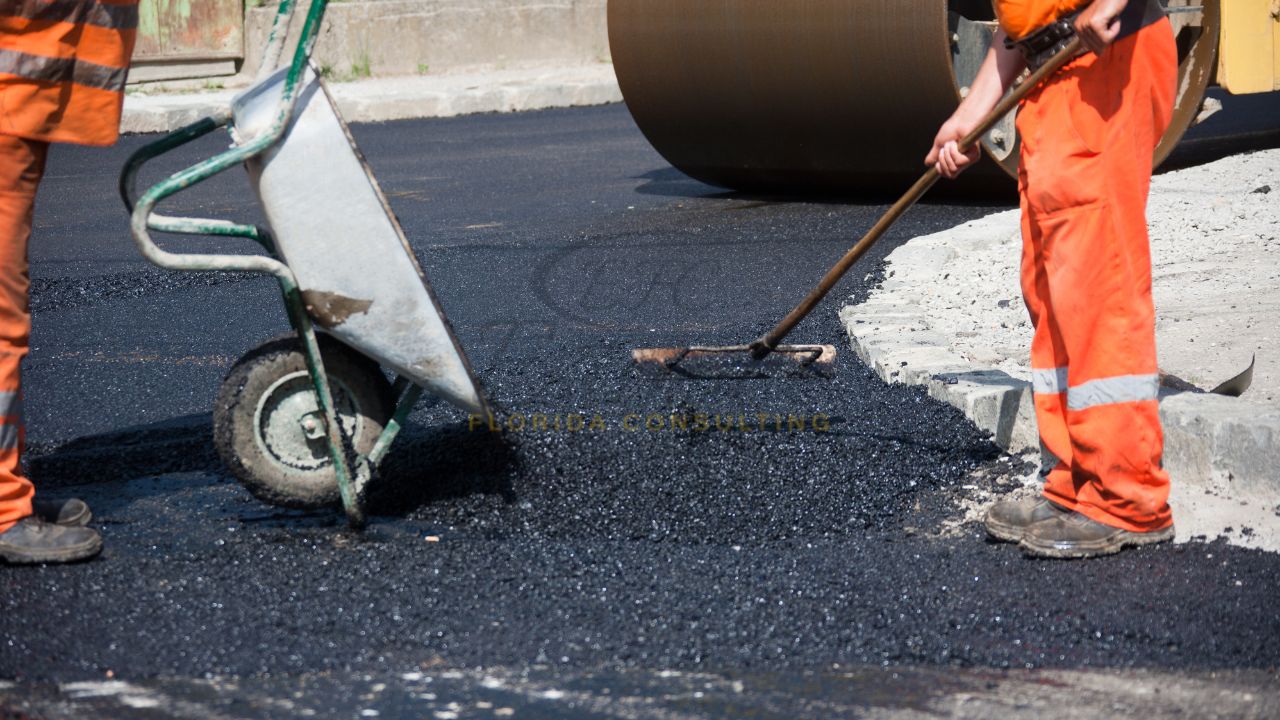
Asphalt overlay is essentially adding a new layer of asphalt on top of the existing surface. It’s a surface-level repair designed to cover minor cracking, faded pavement, and shallow ruts. Overlaying old asphalt is often chosen when the underlying base is still structurally sound. The process usually involves cleaning, spot-repairing problem areas, and applying the new wearing course.
Resurfacing (sometimes called mill-and-fill or removal-and-replacement) involves removing the top portion of the existing asphalt and then installing a fresh layer. Because it addresses the upper structure of the pavement rather than just the top coat, resurfacing is better suited to situations where the surface shows deeper distress or where minor structural correction is needed. Milling can correct small grade or drainage problems and provides a clean substrate for the new surface.
Key Differences You Should Know
Depth of repair is the headline distinction: overlay is a surface treatment; resurfacing removes and replaces the damaged layer. That difference affects lifespan, cost, and what kinds of problems each method can fix.
Overlay is fast and less invasive—less excavation, fewer traffic disruptions, and usually a shorter cure time. Resurfacing is more labor-intensive but tackles problems overlay cannot: severe cracking patterns (like alligator cracking), patched areas that are failing, and minor grading or drainage corrections that require removing the compromised surface.
Pros and Cons of Asphalt Overlay
Pros
- Quicker application and reopening to traffic.
- Lower upfront cost than full removal or significant resurfacing.
- Ideal for cosmetic improvement and sealing minor surface defects.
- Can be an effective short-to-medium term solution for commercial sites that need quick turnaround.
Cons
- Won’t correct structural issues or deep-seated damage.
- Can trap moisture or underlying defects if the base is failing.
- May have a shorter effective lifespan compared with a proper resurfacing when used inappropriately.
A sensible use case for overlay: a commercial lot with surface oxidation, light cracking, and a structurally intact base—where a fresh wearing course restores appearance and skid resistance without the expense of deeper repair.
Pros and Cons of Resurfacing
Pros
- Removes badly-weathered top layers and allows for a higher-quality new surface.
- Can correct subtle grade or drainage issues during the process.
- Generally provides a longer-lasting fix than a simple overlay when structural wear is present.
Cons
- Higher cost and more downtime than overlay.
- Requires more planning and heavier equipment.
- Still not a full-depth rebuild—if the base is badly compromised, a full replacement may be required.
Resurfacing is the safer bet when you see interconnected cracking, frequent patch failures, or signs that water is undermining the pavement.
Environmental & Usage Factors That Affect the Choice
Climate and traffic load matter. Regions with freeze-thaw cycles, frequent heavy truck traffic, or poor drainage will stress pavement faster. In those cases, a quick overlay may get you through a season but fail earlier than expected. Conversely, a milder climate with mostly passenger vehicles can extend the life of either solution. Consider how the pavement is used daily—parking lots with high maneuvering loads often need more robust fixes than a low-traffic residential driveway.
How to Decide: Practical Signs to Guide Your Choice?
- Choose overlay if the pavement shows surface-level problems: faded asphalt, light cracks, minor rutting, and the area drains properly. Overlay buys time and value when the base is sound.
- Choose resurfacing if you notice structural distress: alligator cracking (network cracking), deep rutting, repeated potholes, or patches that have returned. Resurfacing lets you correct the top structural layer and improve long-term performance.
Inspect for drainage problems, edge failures, and base softness. If puddles persist or the pavement feels spongy, those are warning signs that overlay won’t last.
Questions to Ask Before You Commit
Before you authorize work, ask prospective contractors:
- Have you inspected the base, and what did you find?
- Can you show photos or a report of the problem areas?
- Will the work include corrections to drainage or grade if needed?
- What materials and compaction methods will you use?
- How long before the surface can be used safely?
- Do you offer any workmanship warranty or maintenance recommendations?
These questions help you assess whether a contractor is looking beyond the cosmetic surface and planning for long-term performance.
Cost Considerations & Long-Term Value
While overlaying is typically less expensive up front, it may need replacement sooner—so think in terms of cost-per-year, not just the initial invoice. Resurfacing costs more today but often delivers better longevity and fewer emergency repairs over time. The right call minimizes disruption and lifecycle expense: a targeted resurfacing now can avoid a full rebuild later, which is almost always the most expensive outcome.
Aftercare: Maintenance Tips to Extend Pavement Life
Regardless of which method you choose, maintenance preserves your investment:
- Schedule regular inspections, especially after winter or heavy rains.
- Apply sealcoating when recommended by your contractor; it helps protect against oxidation and UV damage.
- Fix localized issues (crack sealing, targeted patching) before they grow into structural problems.
- Manage drainage: clear gutters, ensure slopes shed water, and avoid standing water that accelerates deterioration.
Final Takeaway
There’s no one-size-fits-all answer. Overlay is a pragmatic, budget-friendly choice for sound pavements with surface wear, while resurfacing is the more robust option when structural trouble is evident. The smartest move is a professional assessment—get an experienced contractor to evaluate both base and surface conditions so you pick the option that balances performance, downtime, and long-term cost. Done right, the right repair method keeps your pavement safe, functional, and looking sharp for years.