6 Costly Construction Budgeting Blunders (And How to Fix Them)
Are construction budgeting nightmares keeping you up at night? You are not alone. Nearly nine out of ten construction projects run over budget, turning promising jobs into stressful financial problems.
Construction budgeting is more than basic number crunching. It sets the foundation for every successful build. Each dollar needs a clear purpose, yet even experienced professionals make mistakes that can quietly derail projects and erode profit.
The consequences add up quickly. Inaccurate budgets invite delays, scope creep, and constant revisions. Even small miscalculations create major pressure for project managers, while change orders amplify the damage and strain timelines.
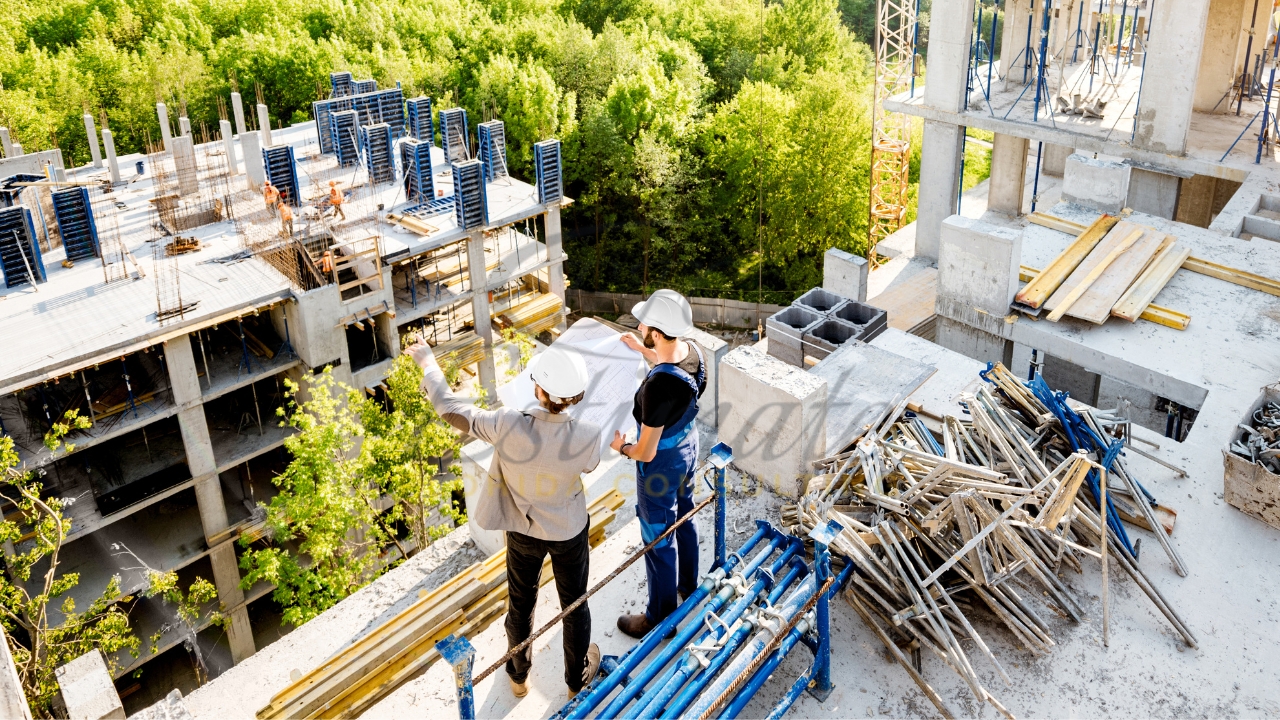
This article breaks down 6 costly budgeting mistakes that appear again and again across the construction industry. More importantly, it shows how to correct them so budgets become clearer, more reliable, and far easier to manage.
Treating Site Information as “Good Enough”
Site information makes or breaks a construction budget’s accuracy. Many project managers accept early data without proper checks. This mistake can get pricey in construction project budgeting.
Here’s a real situation: You budget a commercial building project using a five-year-old topographical survey. The documents show a flat site, but erosion created big grade changes over time. Your team starts digging only to find they need lots more fill material and retaining walls. None of these costs were in your original budget.
These surprises hurt your wallet. Industry analyzes show that poor site information causes 15-20% of all construction cost overruns. Projects also face delays of 1-3 months, which drives costs even higher.
The answer lies in complete site investigation. Smart construction managers don’t just take existing information at face value. They:
- Conduct updated surveys with current technology
- Perform thorough geotechnical investigations
- Document existing utilities with precision
- Verify boundary lines and setback requirements
- Assess environmental conditions and potential contaminants
These steps might look like overkill at first, especially with tight pre-construction deadlines. They’re budget-friendly compared to finding problems mid-project.
Let’s talk about soil testing. Spending an extra $5,000-$10,000 on complete soil borings might reveal bad soil that needs special foundations. Finding this during planning adds $50,000 to your budget—tough but manageable. The same issue found after breaking ground could cost $200,000 or more in redesigns, demolition, delays, and new construction.
Site conditions affect logistics and staging too. Limited access points, small laydown areas, or nearby sensitive facilities might need special equipment or different construction methods. These hit your bottom line hard if found late.
A systematic approach needs a site verification checklist covering:
- Physical Conditions: Topography, soil conditions, drainage patterns, existing structures
- Legal Constraints: Easements, rights-of-way, deed restrictions, zoning requirements
- Environmental Factors: Wetlands, protected species, contamination history
- Utilities: Both above and below ground, including capacity and connection requirements
- Community Factors: Noise restrictions, traffic limitations, neighbor concerns
Pricing Structural Materials Without Verifying Performance Requirements
Material specification errors are among the most overlooked and financially devastating mistakes in construction budgeting. Estimators often chase the lowest price without checking if materials meet required performance standards. This gap between price and performance creates budget overruns, schedule delays, and safety risks.
Materials that don’t match specifications create huge problems. The construction industry loses millions per project due to mismatches between specified and delivered materials. These errors can weaken structural integrity, break building codes, and create serious safety risks at the jobsite.
I’ve seen many projects where wrong performance specifications led to budget disasters. A commercial project used standard concrete for a foundation. The team later found out that soil conditions needed special high-performance concrete. The performance requirements weren’t checked before pricing, so the team had two bad choices: take massive losses or risk structural failure.
Market swings make everything harder. Recent data shows construction material prices went up 3.4% since last year. Monthly changes bounced between 3.24% and 1.5%. These small-looking percentages add up to $1-$2 per cubic yard each month just for concrete. Such changes can kill a project’s profits.
Here are red flags that your pricing data might be wrong:
- Using old labor or material rates without checking
- Pricing based on national averages instead of local markets
- Taking one supplier’s quote instead of getting multiple bids
- Copying markups from unrelated projects
- Making price guesses that don’t match required schedules
Good material management starts with checking performance needs before locking in prices. Construction teams can dodge budget-breaking surprises this way. But it takes discipline, good systems, and looking past the price tag to make sure materials work like they should.
Budgeting Site Work Without Confirming What’s Actually Underground
Budget-killing surprises lurk underground in construction projects. Excavation reveals hidden truths beneath the surface that weren’t part of the original project budgets. Even experienced professionals often fail to grasp the financial toll of what lies below.
The numbers paint a stark picture. Utility strikes alone cost the construction industry over $30 billion each year in direct and indirect costs. These accidents claim roughly 400 lives and leave 2,000 people injured annually. Projects grind to a halt for 2-14 days during investigations, piling up unexpected expenses.
Geotechnical investigations might seem expensive upfront, but skimping on testing costs way more down the road. A standard commercial site’s soil borings run $3,000-$7,000. Finding unsuitable soil during construction can drive foundation costs up by $75,000-$150,000.
Hitting an unmarked utility creates a cascade of costs:
- Direct costs: Repair expenses ($2,500-$15,000 per incident)
- Indirect costs: Schedule delays, worker downtime, equipment damage
- Secondary damages: Road closures, business disruptions, emergency response
- Legal liabilities: Potential lawsuits, insurance increases, regulatory penalties
Contaminated soil poses huge financial risks. Finding contamination during digging typically costs 200-300% more to fix than catching it early. Teams need specialized equipment, licensed handlers, and approved disposal sites—expenses missing from original budgets.
Here are proven strategies to reduce underground budget risks:
- Complete subsurface investigation: Start with detailed soil borings, ground penetrating radar surveys, and private utility locating near me. A $10,000-$15,000 investment usually saves ten times that amount.
- Selective pre-construction potholing: Exposing critical utility crossings costs about $500-$1,000 per spot but eliminates dangerous surprises.
- Selective pre-construction potholing: Exposing critical utility crossings costs about $500-$1,000 per spot but eliminates dangerous surprises.
- Progressive excavation approach: Starting shallow and watching carefully helps find unknown objects before damage occurs.
- Appropriate contingencies: Smart budgeting needs different buffers—15-20% for complex brownfield sites versus 5-10% for untouched greenfield projects.
- Contractual risk allocation: Clear agreements about subsurface finds prevent later disputes. Define “unforeseen conditions” explicitly for financial clarity.
Underestimating the Cost of Schedule Disruptions
Schedule disruptions silently kill profits, yet many construction professionals don’t measure their true cost. The numbers paint a grim picture. Projects face delays 98% of the time, with timelines stretching 37% beyond their original scope. Megaprojects fare even worse – 80% run at least 40% behind schedule.
Money slips away quickly in construction when schedules fall behind. A 30-day delay on a typical $10 million project can add $300,000 in labor costs alone. Project costs typically rise by 5-20% due to delays. This means a $10 million project could face cost overruns between $500,000 and $2 million.
Schedule disruptions demonstrate their costly effects in several ways:
- Extended overhead costs: Projects that run longer shrink profits through higher overheads. Duration-based general conditions mean schedule extensions directly raise these costs.
- Material price escalation: Delays leave projects vulnerable to market changes that drive up material costs.
- Liquidated damages: Missing guaranteed completion dates triggers penalty clauses.
- Labor cost increases: Extended work demands continued wage payments, often at overtime rates that inflate budgets.
- Equipment rental extensions: Delays mean more equipment rental time and wasted money on idle machinery.
Material access problems disrupt projects heavily. Backordered materials, weather delays, or shortages can stretch timelines. Recent global events have complicated supply chain management and made it harder to spot potential problems. Supply chain issues affect 70% of all projects and worry contractors worldwide.
One trade’s delay creates a ripple effect throughout the project. Later trades get pushed back if they depend on earlier work, which compounds the problem. Even a half-day setback can trigger delays across multiple trades.
Cutting Corners on Material Preparation and Treatment
Proper material preparation is a vital yet often overlooked part of construction budgeting. Many contractors rush to install materials and skip important preparation steps that end up causing expensive failures, rework, and schedule delays.
Take engineered wood products that need specific acclimation periods. When these materials are installed without proper conditioning, they warp, cup, or buckle after installation. This means complete replacement at 2-3 times the original cost. Paint jobs on poorly prepared surfaces will fail early, and removing and reapplying them costs more than 150% of the original work.
Concrete is another great example. Rushing the curing process or skipping surface preparation before pouring often leads to less strength, more cracks, and poor bonding between pours. The same risks apply to steel and critical mechanical components that require controlled treatment processes to perform as designed. Contractors that plan for precision heat treatment services, such as those provided by TEAM Inc. through its Heat360 solutions, reduce fatigue failures, extend component life, and avoid costly replacements later in the project lifecycle.
Good scheduling and clear quality control checkpoints before installation prevent expensive mistakes. These inspection points verify that:
- Materials have been properly stored and protected
- Required acclimation periods have been observed
- Surface preparation meets manufacturer specifications
- Environmental conditions (temperature, humidity) fall within acceptable ranges
- Required primers, sealants, or bonding agents have been correctly applied
Material preparation is an investment, not a cost. Each dollar spent on proper preparation saves $4-$7 in potential rework, warranty issues, and schedule impacts. Few areas offer better returns than ensuring materials get proper preparation before installation, especially for contractors working with tight margins.
Rushing Estimates to Meet Bid Deadlines
Estimators often sacrifice accuracy for speed in their race to win projects—a decision that usually hits them hard financially. Tight bidding deadlines in the construction industry create huge pressure. Teams rush through calculations that need careful thought.
The price tag for such hurried work can shock you. A contractor once rushed a warehouse bid in just two days to impress a client. They missed permit delays and steel costs, which left them $50,000 over budget. This happens every day in construction projects nationwide.
Time pressure hurts the estimation process in several ways:
- Neglected materials: Teams completely miss critical components
- Misjudged labor expenses: Hours and rates don’t get enough attention
- Regulatory oversights: Local building codes and requirements slip through
Rushing through estimates hits profitability directly. Manual estimating becomes risky under tight deadlines. Estimators might skip vital steps when they gather material prices, labor rates, and project specs under pressure. Shaky project budgets stem from this incomplete data.
Successful firms use a systematic approach to estimation. They create standard processes that stay accurate even under pressure. While deadlines matter, rushed errors cost way more than taking time to submit right.
Turning Budget Chaos Into Control
Construction budgets fall apart when unknowns pile up and small decisions get rushed or ignored. Each blunder covered here shares a common thread. Problems that seem manageable early grow expensive once crews are on site and schedules are locked. Better budgets come from slowing down at the right moments, validating assumptions, and treating preparation as protection rather than overhead.
Strong budgeting habits do more than limit overruns. They create confidence across teams, improve decision making, and protect margins when conditions change. Projects stay healthier when risks are identified early, materials perform as expected, schedules reflect reality, and estimates are built with discipline. Construction will always carry uncertainty, but careful planning turns that uncertainty into something manageable instead of costly.