5 Things to Know Before Buying a Used Mobile Home on Private Land
The dream of affordable homeownership draws many buyers toward used mobile homes on private land. This combination offers something increasingly rare in today’s housing market: a path to owning both a home and property without the six-figure price tags that have become standard in most regions.
However, this type of purchase involves complexities that differ significantly from traditional real estate transactions. A used mobile home on private land represents two distinct assets, each with its own legal considerations, valuation challenges, and potential pitfalls.
The home might not even sit on the land you want to buy, which means you’ll need to determine whether you can move a mobile home or budget for relocation costs that could exceed $15,000.
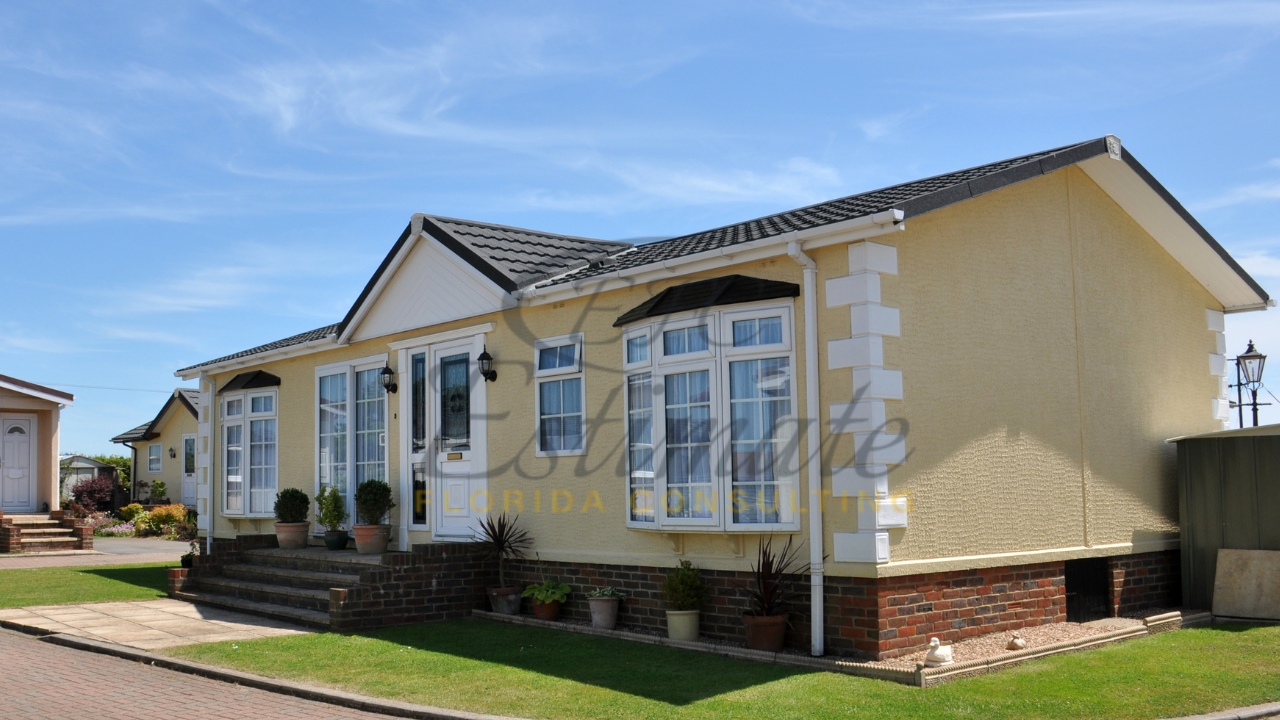
Buyers who approach these purchases with the same mindset as conventional home buying often encounter costly surprises. The following five considerations will help you navigate this process with clarity and confidence.
1. Verify Legal Ownership of Both the Home and the Land Separately
Mobile home purchases on private land involve two separate ownership structures that buyers must investigate independently. The land typically transfers through a standard real estate deed. At the same time, the mobile home itself may have a separate certificate of title similar to a vehicle, or it may have been converted to real property and included in the land deed.
Start by requesting the mobile home’s certificate of title from the seller. This document proves ownership and reveals any outstanding liens against the house. In many states, mobile homes retain their vehicle-like titles unless the owner has formally converted them to real property through a process called “retirement of title” or “affixation.”
If the seller claims the home has been restored to real property, ask for documentation proving the conversion was correctly completed with the state.
For the land, conduct a thorough title search through a title company or real estate attorney. This search will uncover any liens, easements, or encumbrances that could affect your ownership rights.
Pay particular attention to easements that grant utility companies or neighbors access across the property, as these can limit where you place structures or how you use certain areas.
One common issue involves sellers who purchased the mobile home through financing but never obtained a clear title after paying off the loan.
The original lender may still appear as a lienholder on the title, complicating your attempt to register the home in your name. Resolve any title discrepancies before closing, as these problems become your responsibility once you take ownership.
2. Understand Zoning Laws and Land Use Restrictions Before You Commit
Private land ownership does not guarantee the right to place or maintain a mobile home on that property. Local zoning ordinances, county regulations, and even deed restrictions can prohibit mobile homes entirely or impose strict requirements on their placement and condition.
Contact the local planning or zoning department before making an offer. Ask specifically whether mobile homes are permitted on the property in question. Some jurisdictions allow mobile homes only in designated mobile home parks or zones, while others permit them on agricultural or rural residential land but not in suburban subdivisions. Age restrictions also apply in many areas, with some counties prohibiting mobile homes older than 10 or 15 years.
Beyond zoning, investigate whether the property is subject to any homeowners’ association rules or deed restrictions. Previous landowners sometimes recorded covenants that run with the land and bind all future owners. These restrictions prohibit mobile homes, mandate specific aesthetic standards, or require approval from an architectural review committee.
Setback requirements determine how far the home must sit from property lines, roads, wells, and septic systems. A property that appears spacious enough may not accommodate a mobile home once you account for required setbacks.
Additionally, some areas require mobile homes to meet specific foundation standards, such as permanent perimeter foundations rather than simple pier-and-beam foundations.
3. Assess the Home's Structural Condition and Compliance with HUD Standards
Used mobile homes vary dramatically in quality and condition depending on their age, manufacturing standards, and maintenance history. Homes built before June 15, 1976, predate federal HUD construction standards and often present significant safety and habitability concerns.
These older units, technically classified as “mobile homes” rather than “manufactured homes,” may contain outdated electrical systems, inadequate insulation, and materials that fail to meet modern safety codes.
Hire a qualified inspector who specializes in manufactured housing. General home inspectors may lack the specific knowledge needed to evaluate mobile home construction, which differs substantially from site-built homes.
A specialized inspector will examine the chassis and frame for rust, bending, or damage that could indicate structural compromise. They will also assess the condition of the marriage line in double-wide units, where two sections join together.
The roof deserves particular scrutiny on older mobile homes. Many feature flat or low-slope roofs that develop leaks over time, leading to hidden water damage in walls and floors. Sealing a mobile home roof typically costs between $1,950 and $6,250, so factor potential repairs into your offer price. Walk through the home and check for soft spots in the flooring, which often indicate prolonged moisture exposure and subfloor deterioration. Examine the ceiling for stains, warping, or sagging that suggest ongoing leaks.
Electrical and plumbing systems in pre-HUD mobile homes frequently require updates to meet current safety standards. Aluminum wiring, common in homes from this era, poses fire risks and may affect your ability to obtain insurance.
Rewiring a home can run $4,000 to $20,000, depending on the home’s size and accessibility, making electrical condition a significant negotiating point. Similarly, older plumbing materials, such as polybutylene pipes, have high failure rates and typically require replacement.
4. Factor in Relocation, Setup, and Site Preparation Costs
The purchase price of a used mobile home tells only part of the financial story. If the home is currently on a different property, you must budget for transportation and installation to your new site. Even if the house already occupies the land you are purchasing, it may require releveling, new skirting, or foundation repairs.
Mobile home relocation costs depend on the home’s size, the distance traveled, and the complexity of the move. Single-wide homes cost less to transport than double-wides, which require separation into two units, transportation on separate trailers, and reassembly at the destination.
Permits, escort vehicles, and route surveys add to the expense. Professional moving services for a single-wide typically range from $3,000 to $8,000 for local moves, while double-wide relocations can cost more than $15,000.
Site preparation on raw land requires additional investment. You may need to clear vegetation, grade the surface, and install a proper foundation or pad. Foundation costs vary by type, with slab foundations running $4 to $8 per square foot and pier-and-beam systems costing $9 to $13 per square foot.
Utility connections for electricity, water, and sewer or septic add thousands to your budget. If the property lacks municipal sewer access, sewer line installation or septic system expenses can range from $10,000 to $30,000 or more, depending on soil conditions and local requirements.
After placement, most jurisdictions require a setup inspection before you can occupy the home. The home must be properly anchored to resist wind uplift, leveled to prevent structural stress, and connected to utilities in accordance with code.
Budget for professional setup services rather than attempting these tasks yourself, as improper installation can void warranties, create safety hazards, and cause long-term structural damage.
5. Secure Appropriate Financing and Insurance Coverage
Financing a used mobile home on private land presents challenges that buyers of conventional homes rarely face. Many traditional mortgage lenders refuse to finance mobile homes, particularly older units or those that have not been converted to real property.
This limitation often forces buyers toward chattel loans, which treat the mobile home as personal property rather than real estate.
Chattel loans typically carry higher interest rates and shorter repayment terms than conventional mortgages. A buyer might face an interest rate of 7 to 12 percent on a 15-year term, rather than the 30-year terms available for traditional homes. These differences substantially increase monthly payments and total interest paid over the life of the loan.
If the mobile home has been permanently affixed to the land and converted to real property, you may qualify for conventional financing. FHA Title II loans and some traditional mortgage products cover manufactured homes that meet specific requirements, including permanent foundation installation and compliance with HUD standards.
VA and USDA loan programs also offer options for qualified borrowers purchasing manufactured homes on permanent foundations. With total mobile home costs ranging from $40,000 to $120,000 for the house alone, plus $10,000 to $30,000 for site work and utilities, accurate budgeting prevents financing shortfalls.
Insurance coverage requires equal attention. Standard homeowners’ policies often exclude or limit coverage for mobile homes, necessitating specialized manufactured home insurance. Obtain quotes before closing to ensure coverage is available at a reasonable cost. Insurers may refuse to cover homes beyond a certain age or those with specific deficiencies, such as aluminum wiring or certain roof types.
Final Considerations
A used mobile home on private land can provide an affordable path to property ownership, but only when buyers approach the purchase with thorough preparation.
Take time to investigate ownership documentation, verify zoning compliance, assess physical condition, budget realistically for all associated costs, and secure appropriate financing and insurance.
Work with professionals who understand manufactured housing, including specialized inspectors, lenders experienced with mobile home financing, and attorneys familiar with the unique title issues these properties present.
Their expertise will help you avoid costly mistakes and ensure your affordable housing dream does not become an expensive lesson.