















- Homepage
- 10 Common Mistakes During Material Acquisition And How To Avoid Them
10 Common Mistakes During Material Acquisition And How To Avoid Them
Leading provider of construction estimating services
In construction projects, material acquisition is one of the most critical phases that determines both project success and profitability. Every general contractor, subcontractor, or developer knows that the smallest mistake in material purchasing can create a domino effect—delaying schedules, inflating costs, and affecting overall quality. Whether it’s a residential remodel, commercial build, or infrastructure project, the materials you procure define the project’s durability and value.
At Estimate Florida Consulting, we’ve seen how accurate material planning can save thousands of dollars and prevent costly on-site delays
However, despite the importance, many contractors fall into common traps during material acquisition. These mistakes are often overlooked but can cause major setbacks if not managed properly. Below, we break down the 10 most common mistakes during material acquisition and share practical, field-tested strategies to help you avoid them.
1. Failing to Plan Material Requirements Early
One of the biggest mistakes during any construction project is waiting too long to plan material requirements. Without a well-defined procurement strategy, projects often face shortages, delivery delays, and unexpected cost increases. Early material planning allows you to forecast the quantities, lead times, and storage needs before construction begins. This proactive step helps avoid last-minute purchases that often come at inflated prices or with limited availability.
In Florida’s fast-paced construction market, where demand for materials like concrete, rebar, drywall, and electrical components fluctuates, planning early ensures a stable supply chain. A well-organized material plan aligns with your project schedule, ensuring every trade has what it needs at the right time. It also helps maintain project momentum and prevents costly downtime due to missing or delayed materials.
2. Ignoring Market Fluctuations and Price Trends
Material prices can vary significantly based on supply chain conditions, global events, and seasonal demands. Many contractors and project owners make the mistake of assuming prices will remain constant throughout the project. This can result in budget overruns when costs rise unexpectedly during procurement.
To avoid this, it’s crucial to stay updated on material market trends and monitor pricing forecasts. Keeping track of construction indexes and regional supplier updates allows for smarter purchasing decisions. In Florida, where hurricane seasons and shipping disruptions can affect material availability, planning purchases in advance or locking in prices through long-term supplier agreements helps protect your budget. Being aware of market trends keeps your financial planning accurate and reduces the impact of cost volatility.
3. Overlooking Quality Control During Procurement
Another common mistake is prioritizing cost savings over quality when sourcing materials. Opting for the cheapest materials might seem like a smart move initially, but it often leads to higher long-term costs due to maintenance issues, replacements, or structural failures. Quality materials ensure safety, durability, and compliance with building codes — especially critical in Florida, where construction must meet hurricane-resistant standards.
Implementing a robust quality control process during procurement can prevent these problems. Always verify supplier certifications, request material samples, and conduct inspections upon delivery.
Working with reliable suppliers and using standardized materials enhances the project’s performance, longevity, and overall client satisfaction. Remember, quality is not an expense — it’s an investment in the success of your project.
4. Failing to Verify Supplier Reliability
Supplier reliability directly impacts the success of your construction project. Many builders make the mistake of choosing suppliers based on low prices or quick promises without checking their track record. Unreliable suppliers can cause delivery delays, supply shortages, or even provide non-compliant materials that fail inspection.
Before committing, always evaluate a supplier’s experience, inventory capacity, and delivery performance. Request references, check reviews, and verify that they can consistently meet your project’s volume and schedule requirements. In Florida’s competitive construction industry, maintaining relationships with trusted, long-term suppliers ensures smoother procurement processes and reduces the risk of sudden disruptions. Reliable suppliers are your partners in maintaining project timelines and ensuring steady material flow.
Get High-Quality 3D Rendering Services Today!
Transform your space with stunning 3D Rendering that blends style, comfort, and functionality.
We Specialize in Both Residential and Commercial 3D Rendering Projects.
- Luxury Villas
- Apartment Complexes
- Modular Kitchens
- Bathrooms
- Office Buildings
- Shopping Malls
- Hospitals
- Hotels & Resorts
5. Not Coordinating Material Deliveries with the Project Schedule
Improper coordination between material deliveries and the construction schedule is one of the most common causes of project delays. Many project managers order materials too early, leading to storage problems, or too late, causing idle labor and missed deadlines. A balanced delivery schedule ensures materials arrive just in time — not before they’re needed, and never after.
To avoid this mistake, align your procurement timeline with the project’s work schedule. Use construction management tools or detailed takeoff data to plan deliveries phase by phase. In Florida, where site conditions can be affected by weather, proper coordination helps prevent damage to materials stored on-site and avoids disruptions caused by rain or humidity. Strategic scheduling keeps the site organized, prevents clutter, and ensures smooth progress across all construction stages.
6. Lack of Proper Storage and Handling Procedures
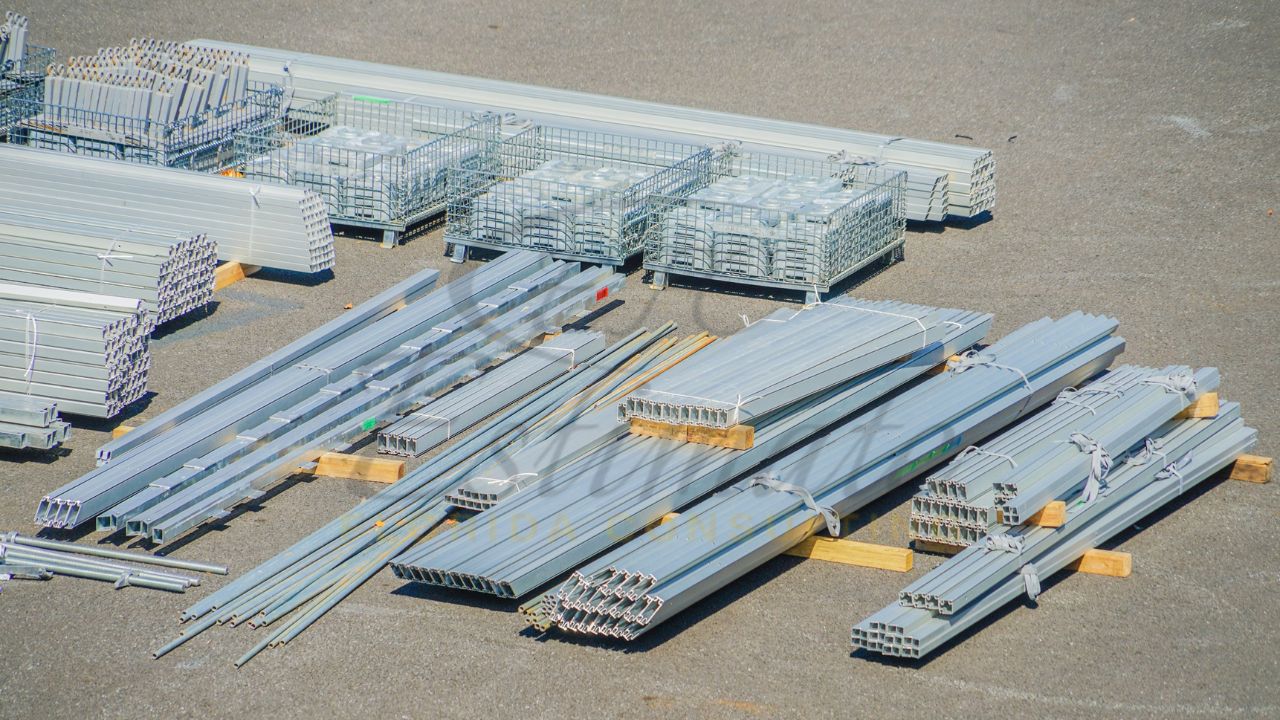
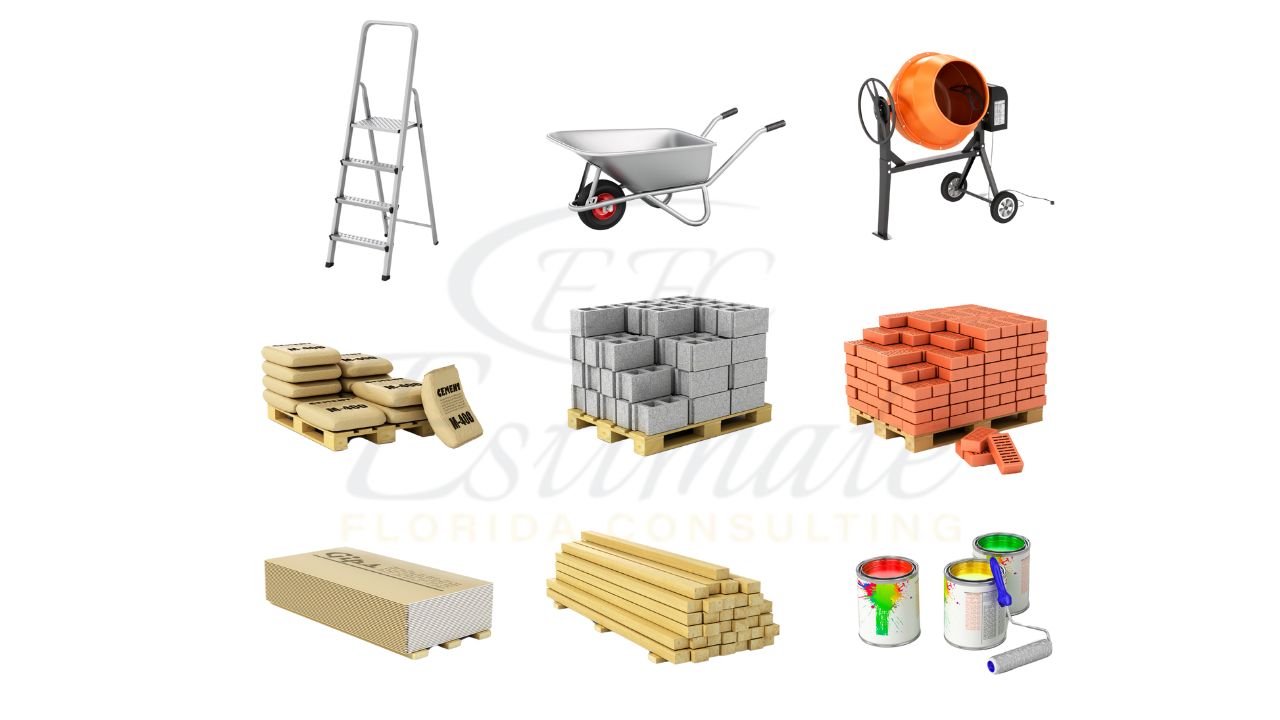
Even the best-quality materials can lose their integrity if they’re not stored or handled correctly. A common mistake in material acquisition is failing to plan for adequate on-site storage and protection. Materials like cement, drywall, steel, and insulation are particularly vulnerable to moisture and temperature variations, which are frequent challenges in Florida’s climate.
Proper storage ensures that materials remain safe, dry, and accessible when needed. Use covered storage spaces, waterproof barriers, and secure stacking methods to prevent damage or contamination. Assign trained personnel to manage material inventory and handling procedures. Good material management not only preserves quality but also minimizes waste, theft, and reordering costs. A well-maintained storage plan ultimately contributes to a cleaner, safer, and more efficient construction site.
7. Ignoring Documentation and Tracking Systems
Failure to maintain accurate records and tracking systems during material procurement is another mistake that leads to confusion, missing items, or double orders. Many projects suffer from poor documentation, making it difficult to monitor what materials have been ordered, delivered, or consumed. Without proper tracking, financial discrepancies and project delays become inevitable.
Implementing a reliable documentation system — whether digital or manual — helps you keep full control over your material inventory. Maintain logs for every purchase order, delivery note, and invoice to ensure accountability. In Florida construction projects, where multiple subcontractors often work simultaneously, documentation ensures transparency and prevents miscommunication. Regular material audits keep your procurement process organized and reduce the risk of errors or wastage.
8. Ordering Incorrect Quantities
Ordering too much or too little material can create serious financial and logistical issues. Over-ordering ties up your budget and storage space, while under-ordering causes project interruptions and costly rush purchases. Both scenarios indicate a lack of accurate quantity takeoff and coordination between the estimating and procurement teams.
To prevent this, always base material orders on precise quantity takeoffs and updated drawings. Review calculations before finalizing any purchase order and cross-check them with on-site requirements. Using professional estimating services or digital takeoff software ensures precision and consistency.
In Florida, where construction material costs can fluctuate, accurate ordering reduces waste, keeps your project on budget, and ensures every component is available exactly when needed.
9. Overlooking Lead Times and Supply Chain Delays
Ignoring material lead times is one of the most damaging mistakes during material acquisition. Many project managers assume that materials will be available immediately, only to face weeks of waiting due to manufacturing, shipping, or import delays. This problem has become more common in recent years as global supply chains fluctuate and demand surges for key materials like steel, lumber, and electrical fixtures.
Understanding supplier lead times and factoring them into your project schedule can prevent major disruptions. Always confirm estimated delivery dates before finalizing contracts and maintain backup suppliers for critical materials. In Florida, where construction projects often run on tight timelines due to weather conditions or investor deadlines, planning around lead times is essential. Effective supply chain management ensures continuous workflow, minimizes idle labor, and keeps your project’s progress uninterrupted.
10. Neglecting Cost Control and Change Management
The final — and perhaps most overlooked — mistake is failing to control material costs after initial procurement. Many projects face hidden expenses due to scope changes, material substitutions, or miscommunication between estimating and purchasing teams. Without a structured cost-control process, even minor adjustments can quickly erode profit margins.
To avoid this, establish a clear change management system that tracks every modification in material specifications or quantities. Review supplier invoices regularly to ensure pricing accuracy and compliance with initial agreements. A cost-control plan also involves evaluating alternative materials for cost efficiency without compromising quality. In Florida’s dynamic construction market, staying proactive about cost monitoring helps maintain financial stability and ensures your budget remains on target until project completion.
Want to Start Your Project with the Best Contractors?
Let’s Take Your Projects to the Next Level.
& What's you will get:
- Connecting You to Top Local Contractors
- Professional Consulting, Contractors Near You
- From Expert Advice to Local Contractor Connections
Contact Now
Let's discuss with a cup of coffee
Conclusion: Smart Material Management Builds Successful Projects
Efficient material acquisition is one of the most important pillars of successful construction project management. Avoiding these ten common mistakes ensures your project stays on schedule, within budget, and meets the highest quality standards. Every decision — from choosing suppliers and planning deliveries to tracking costs — affects your project’s performance and profitability.
In Florida’s fast-moving construction industry, proper material planning and control are more critical than ever. By focusing on accurate estimating, consistent communication, and proactive procurement strategies, you can prevent costly errors and achieve seamless project execution. Remember, strong material management is not just about buying products — it’s about building reliability, efficiency, and long-term value into every project you deliver.
Frequently Asked Question
Material acquisition refers to the process of sourcing, purchasing, and managing all materials required for a construction project. It includes identifying needs, selecting suppliers, ordering, inspecting deliveries, and maintaining proper storage and documentation.
Poor material planning can lead to delayed deliveries, cost overruns, material wastage, and work stoppages. Without a proper procurement strategy, projects often face shortages, inflated costs, or damaged materials due to improper storage or timing.
Always base your orders on accurate quantity takeoffs, up-to-date blueprints, and professional estimating data. Reviewing calculations and coordinating with site teams ensures that materials are ordered in the correct quantity — reducing both waste and shortages.
Reliable suppliers ensure consistent material quality and timely deliveries. Understanding lead times helps you align orders with your construction schedule, preventing downtime or rushed purchases — especially crucial in Florida’s weather-sensitive projects.
Accurate documentation ensures transparency and control throughout the procurement process. Maintaining records for purchase orders, invoices, and deliveries prevents double orders, financial discrepancies, and disputes among contractors and suppliers.
Comprehensive Trade-Specific Estimates
At Estimate Florida Consulting, we offer detailed cost estimates across all major trades, ensuring no part of your project is overlooked. From the foundation to the finishing touches, our trade-specific estimates provide you with a complete and accurate breakdown of costs for any type of construction project.
Our Simple Process to Get Your Estimate
Upload Plans
Submit your project plans, blueprints, or relevant documents through our online form or via email.
Receive Quotation
We’ll review your project details and send you a quote based on your scope and requirements.
Confirmation
Confirm the details and finalize any adjustments to ensure the estimate meets your project needs.
Get Estimate
Receive your detailed, trade-specific estimate within 1-2 business days, ready for your project execution.
Our Clients & Partners
We pride ourselves on building strong, lasting relationships with our clients and partners across the construction industry.
What Our Clients Say?
We take pride in delivering accurate, timely, and reliable estimates that help contractors and builders win more projects. Our clients consistently praise our attention to detail, fast turnaround times, and the positive impact our estimates have on their businesses.
Estimate Florida Consulting has helped us win more bids with their fast and accurate estimates. We trust them for every project!